
 Storage Battery
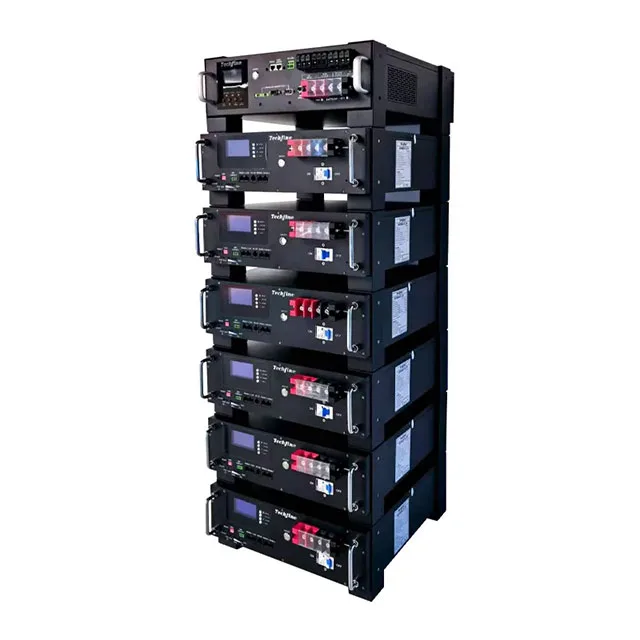
LR-series | 100/230Ah 51.2V Rack-Mount Lithium storage Battery
Large capacity, high strength metal shell lithium iron phosphate battery, sufficient capacity
View DetailsOpen the exact LR, LP, LC or LB page, then confirm voltage/Ah, usable energy/current, BMS pairing, mechanics, test and transport files, warranty and supply terms.
Storage BatteryLarge capacity, high strength metal shell lithium iron phosphate battery, sufficient capacity
View Details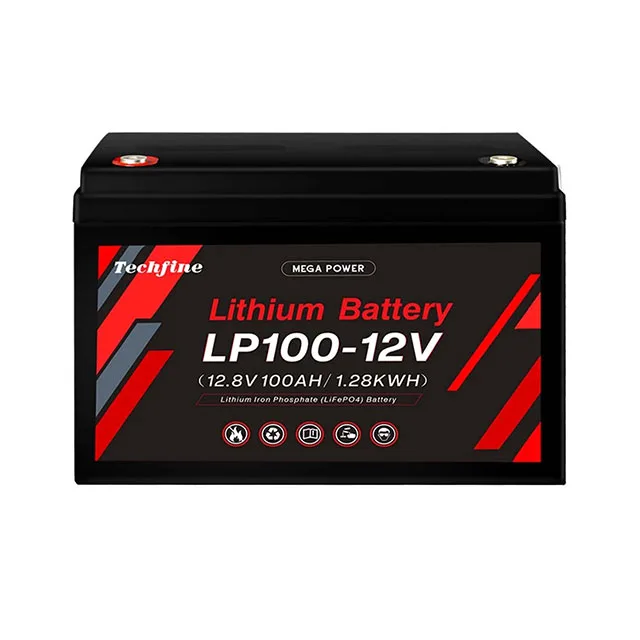 Storage Battery
Large capacity, high-strength metal shell lithium iron phosphate battery, sufficient capacity
View Details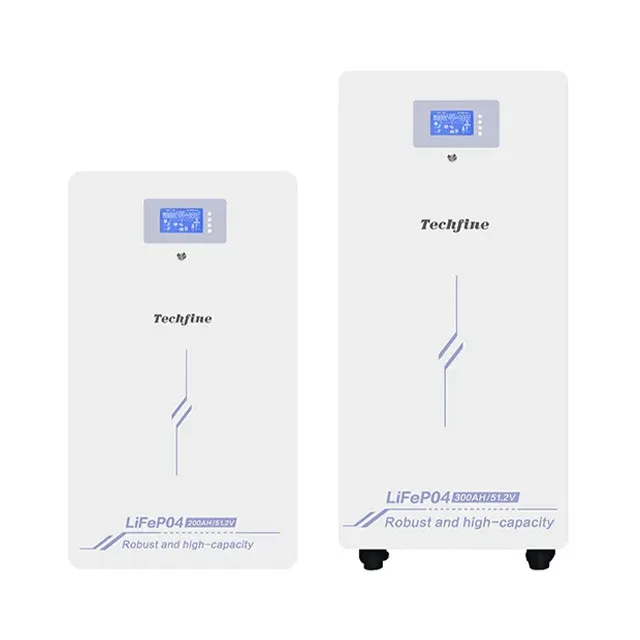 Storage Battery
High-strength metal shell Lifepo4 battery with Large and sufficient capacity
View Details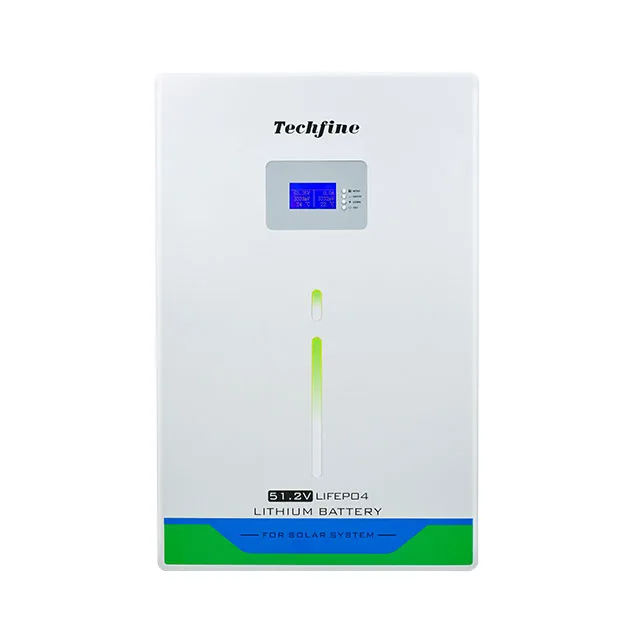 Storage Battery
Optional communication protocol:Victron、 Pylon、Deye、SMA、Growatt、Goodwe、Voltronic,
The four pages serve different electrical and mechanical interfaces. Select from the complete battery and inverter architecture.
The LR page displays 100/230 Ah and rack-mount wording. Confirm rack units, dimensions/mass, terminals, permitted parallel count, current, BMS hierarchy, cables/busbar and matched inverter protocol.
The LP page spans 50–300 Ah lead-acid-replacement wording. Confirm application and charger suitability, low-temperature charging, series/parallel permission, peak current, BMS cutoff and mechanical fit.
The LC page lists 100/230/300 Ah and monitoring/communication features. Verify exact voltage/Ah configuration, CAN/RS485 behavior, protection setpoints, current, display and parallel design.
The LB page lists multiple optional inverter protocol names. Treat each as a configuration option, then request written exact-model/firmware compatibility and the delivered protocol setting.
A reviewable shortlist ties exact battery configuration to inverter, power/energy duty, mechanics, safety and shipment evidence.
State 12 V replacement, 24/48 V stand-alone, rack ESS or another use; define system voltage, inverter/charger and whether series or parallel expansion is required.
Confirm nominal/operating voltage, Ah, gross and usable kWh, SOC window, continuous/peak current and duration, C-rate, efficiency and beginning/end-of-life basis.
Provide complete inverter and battery codes, CAN/RS485 or other protocol, firmware, approved list, module quantity, master/slave role and required cables, combiner or settings.
Define charge voltage/current, daily cycles, DOD, temperature, autonomy, recharge time and generator/solar/utility charger; confirm low-temperature charge protection and cell balancing.
Confirm enclosure/IP, dimensions, mass, rack/terminal, ventilation/clearance, fuses/breakers, disconnect, short-circuit and overcurrent behavior, thermal sensors and service access.
Request exact datasheet/manual, cycle-test basis, pairing evidence, UN38.3 test summary, SDS, transport classification, certificates/test scope, traceability, warranty, MOQ, lead time and substitution.
Exact voltage/current, BMS, firmware, configuration, temperature and documents determine safe operation and approval.
A 12.8 V LFP battery may need different charge settings, low-temperature protection, BMS current and series/parallel rules. It is not a universal drop-in replacement.
An optional Victron, Deye, Growatt or other protocol label does not prove every model/generation. Confirm exact codes, firmware, cable pinout, settings and written support.
Usable kWh depends on operating voltage, SOC/DOD, BMS limits, rate, temperature, aging and inverter cutoff. Request curves and the exact performance boundary.
Battery tests and transport files do not approve the inverter, enclosure, protection, fire design or installation. Review the complete configured system and destination rules.
Use the pairing guide for electrical/BMS interfaces and the export checklist for exact-model shipment files.
Review voltage/current, BMS protocol, firmware, approved pairing, cables, protection and commissioning.
Review compatibility
Review exact model, UN38.3 test summary, SDS, classification, packing, labels and traceability before shipment.
Review export files
These answers organize procurement; final sizing, inverter pairing, protection, shipment and installation remain configuration-specific.
No. Confirm charger voltage/profile, continuous and peak current, low-temperature charging, BMS cutoff, series/parallel permission, dimensions/terminals and the application's load and safety requirements.
No. Confirm exact inverter and battery codes, firmware, CAN/RS485 protocol and pinout, settings, module quantity, cables and written pairing evidence for the delivered configuration.
Use the exact operating-voltage range, allowed SOC/DOD, BMS and inverter cutoffs, discharge rate, temperature, auxiliary losses and degradation/end-of-life basis. Nominal volts times Ah is gross nameplate energy only.
Include application, exact series/voltage/Ah, target usable kWh and current, inverter/BMS protocol, series/parallel quantity, charging/duty/environment, mechanical interface, transport/test files, quantity and schedule.
Compare four displayed source pages: LR 51.2 V rack-mount, LP 12.8 V lead-acid-replacement, and LC/LB 25.6/51.2 V LiFePO4 routes with different Ah labels and communication wording. Voltage, case form and a protocol name do not establish inverter compatibility or a complete ESS. Preserve the exact series and configuration, then confirm operating voltage and current, gross/usable energy, series/parallel rules, BMS and approved protocol/firmware, charge/discharge limits, protection and thermal design, enclosure/terminals, cycle-test basis, transport documents, warranty, availability and terms.
Send the application, voltage/Ah and usable energy/current, inverter/BMS, bank layout, charging, mechanics, export files, quantity and delivery target.