Module procurement FAQ
These answers define the information needed for a responsible shortlist. Final electrical design, structural approval, installation, and destination compliance remain project-specific.
Should I choose TOPCon or back contact solar modules?
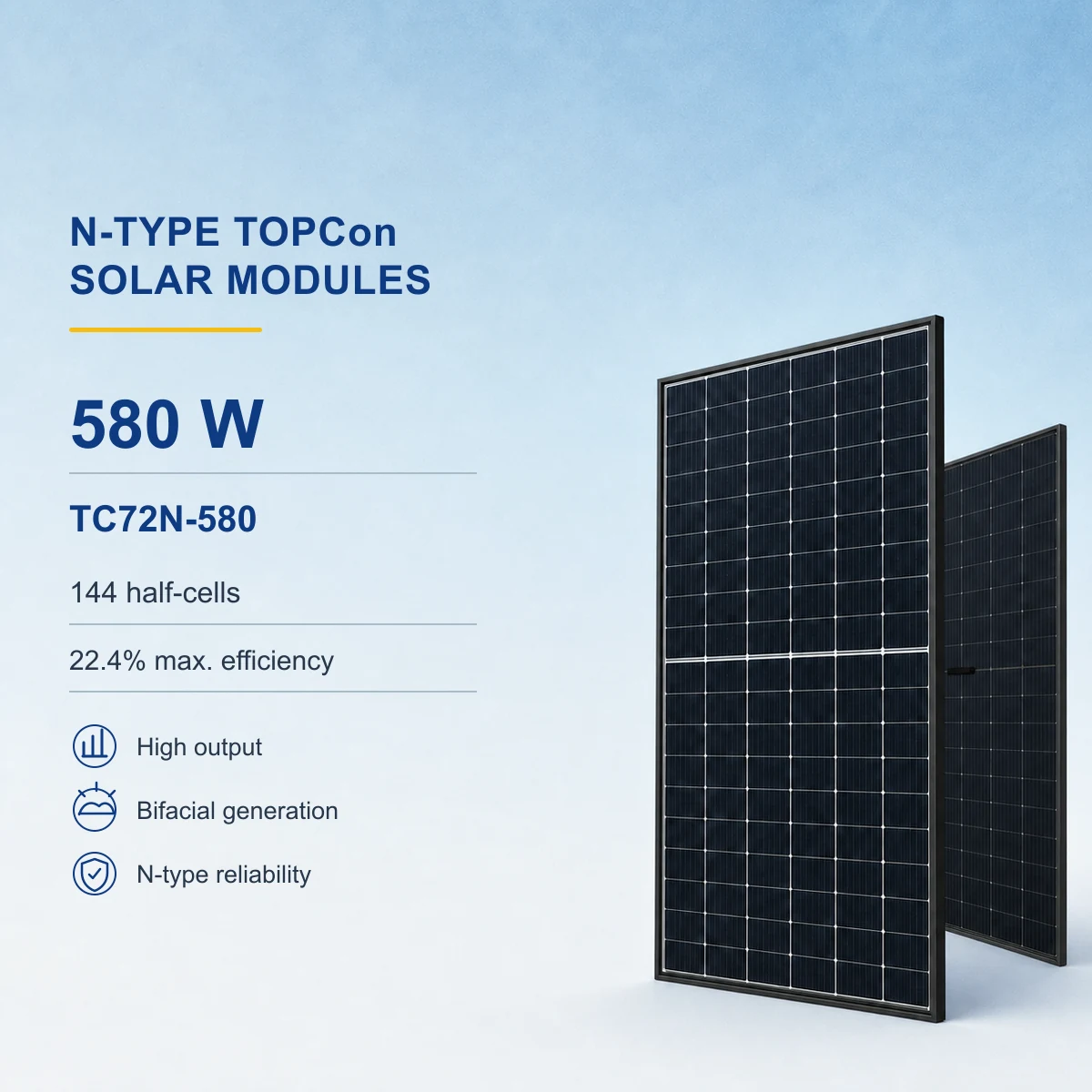
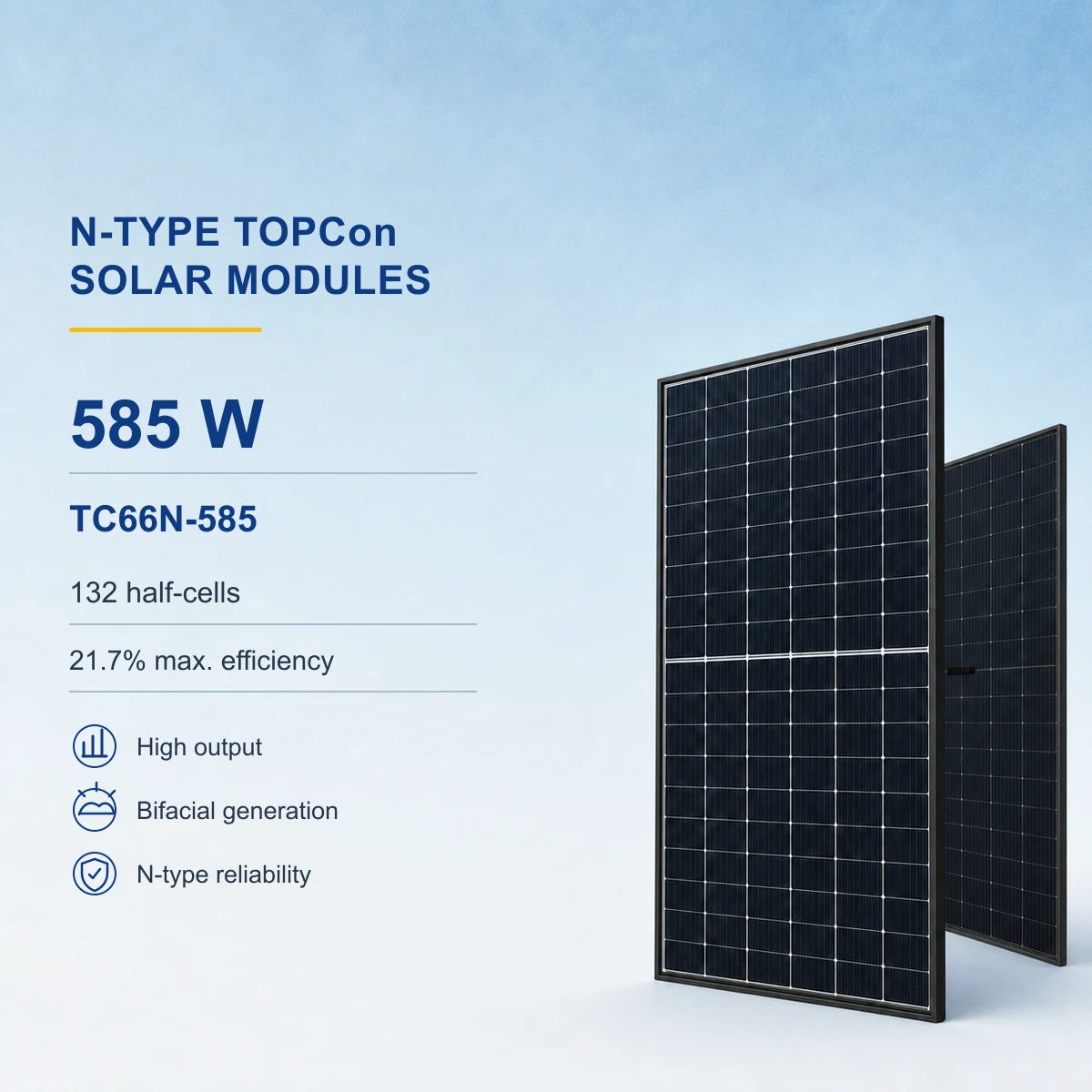
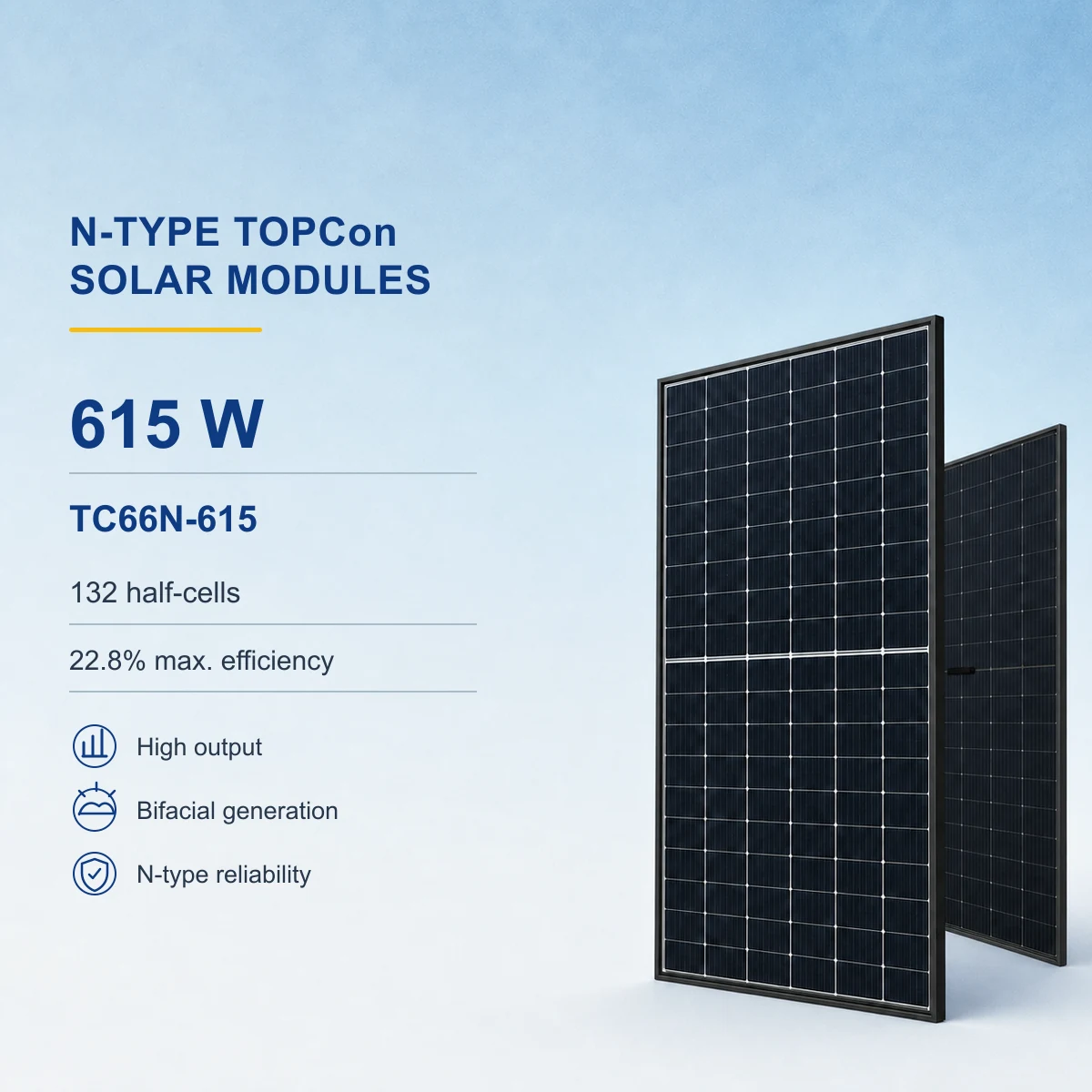
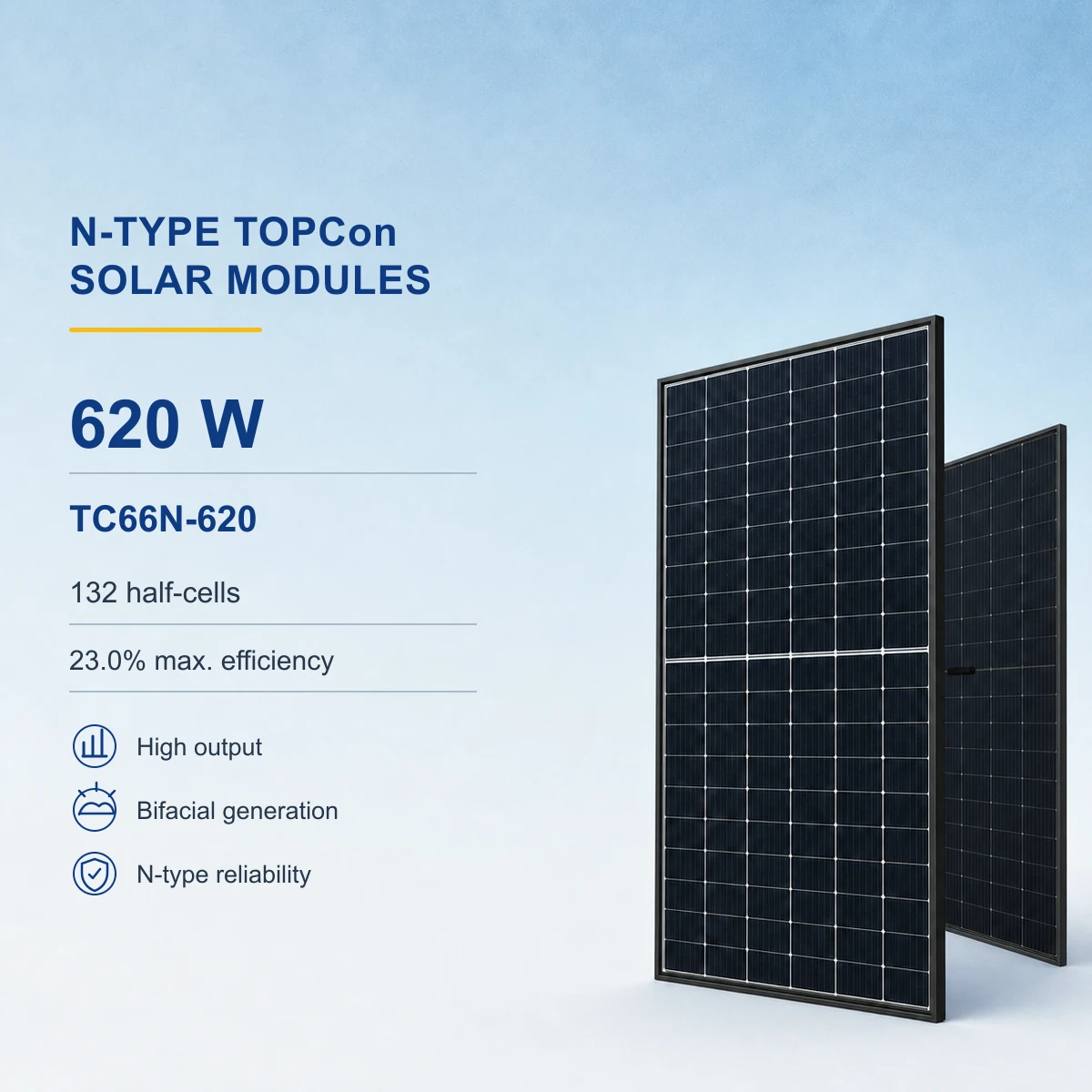
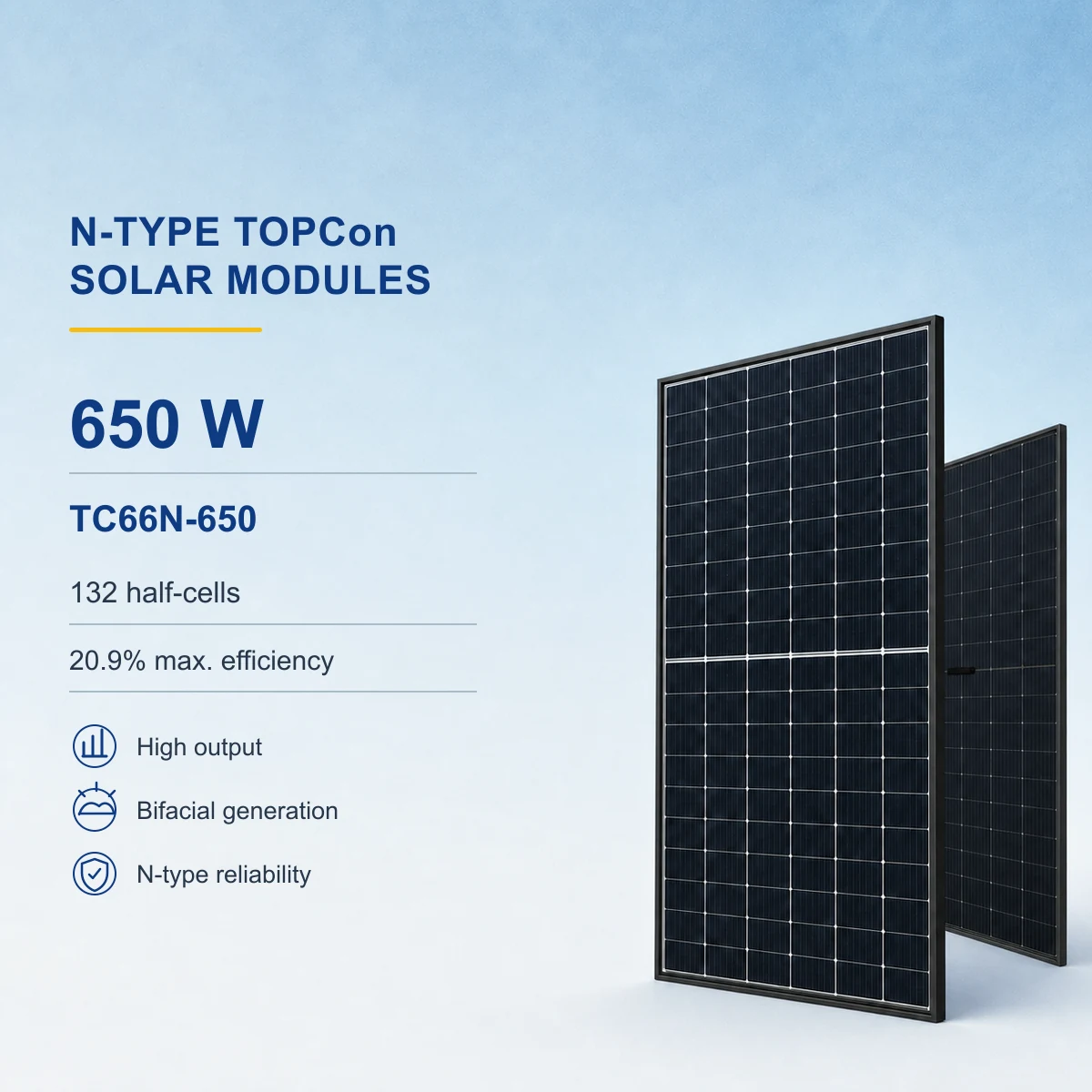
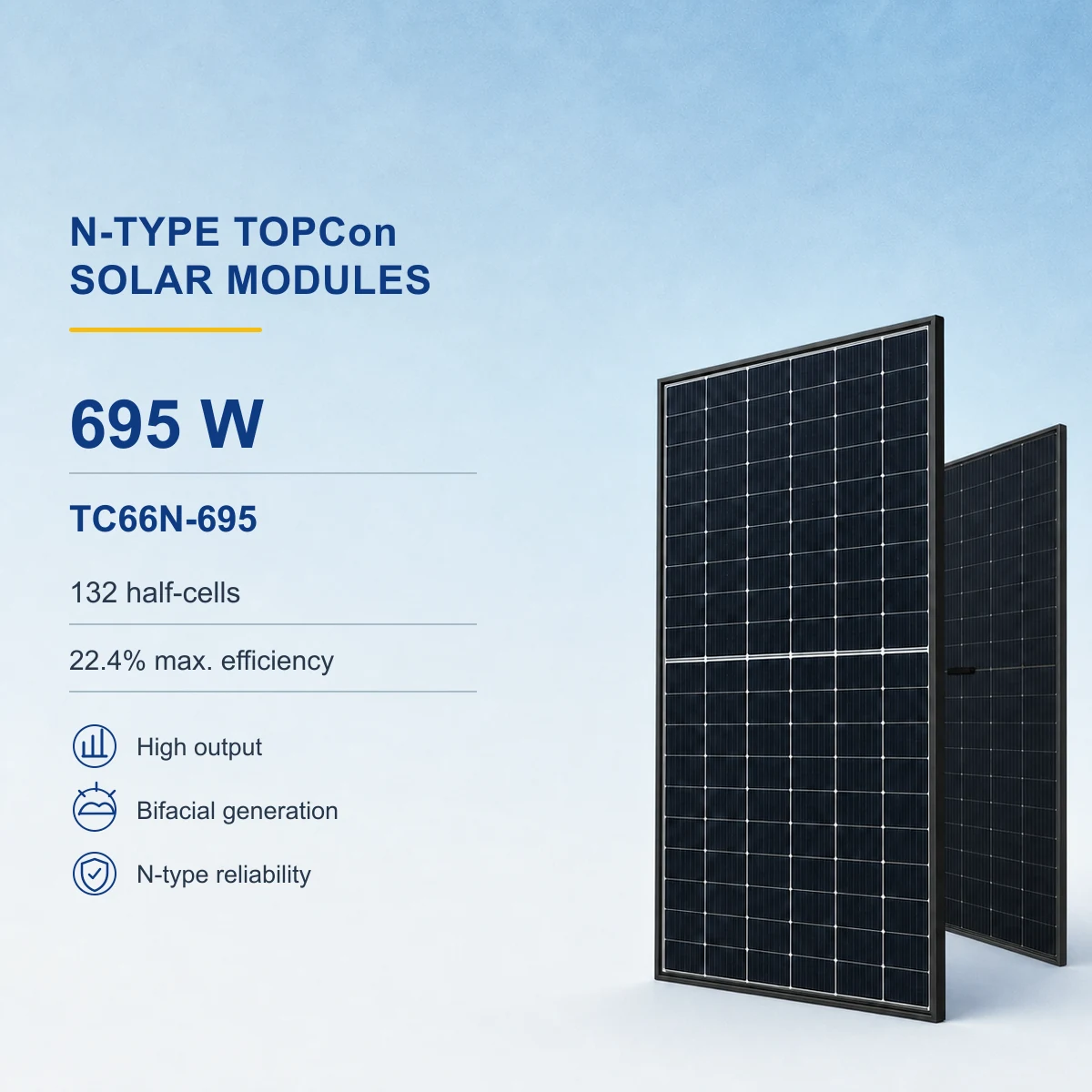
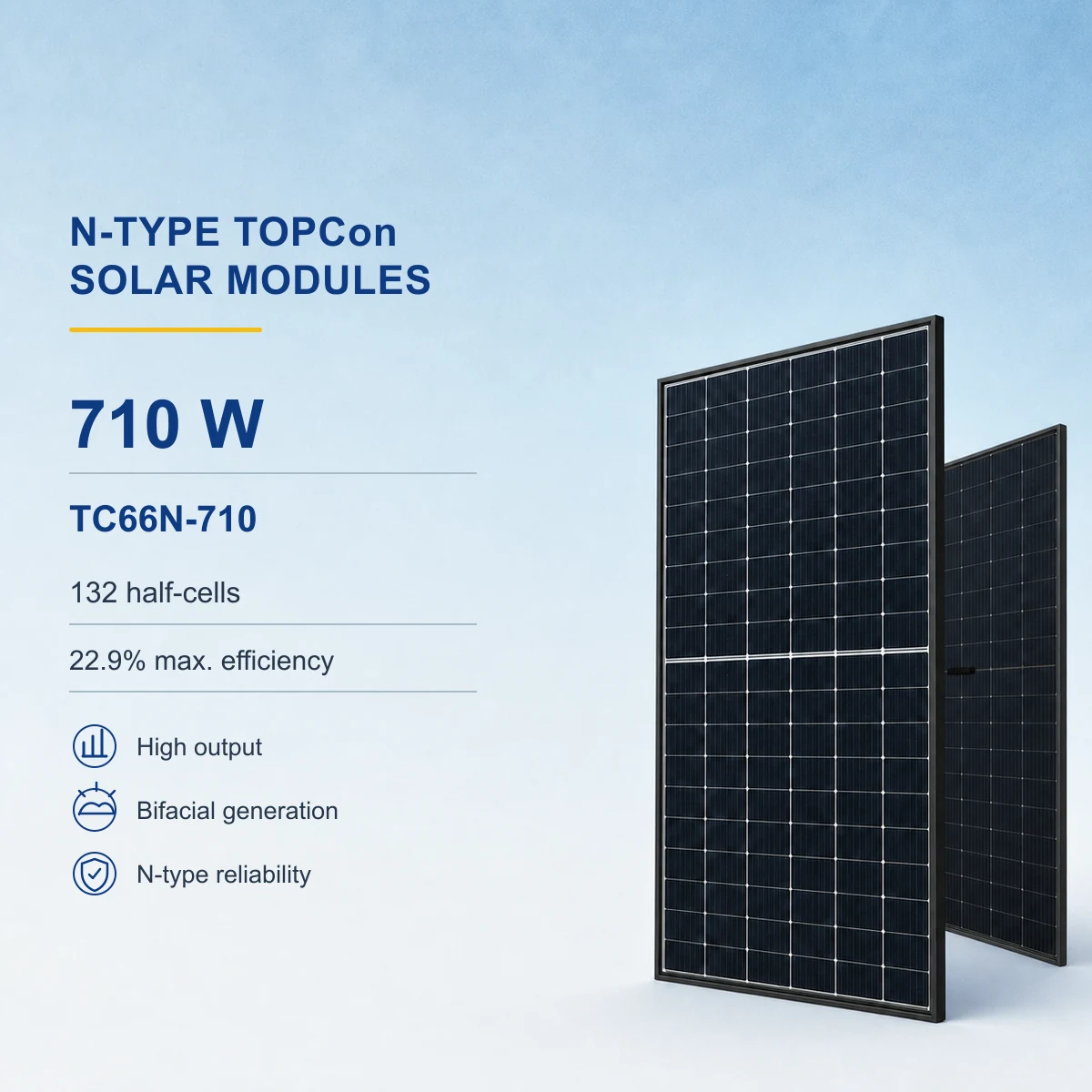
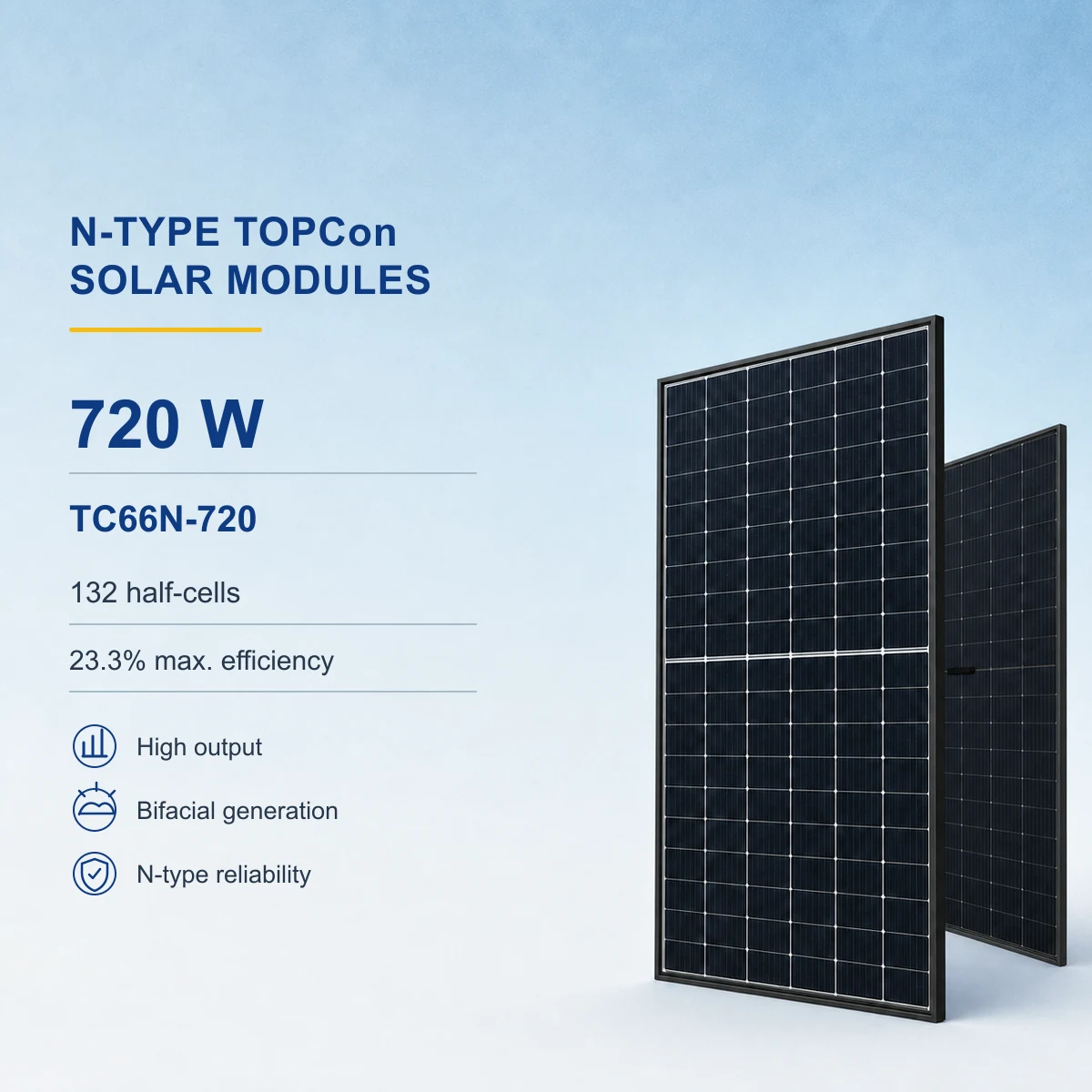
Neither route is automatically the better choice for every project. Compare exact models by usable roof or site area, rated power, efficiency, dimensions, electrical limits, construction, appearance requirements, mounting constraints, documents, availability, and order economics.
What information should a solar module RFQ include?
Include the exact model or target wattage range, quantity, application, destination, delivery target, requested documents, preferred construction or appearance, packing constraints, and any inverter or racking inputs that affect the shortlist.
Does a certificate make a module acceptable in every country?
No. A certificate or test report applies only to its stated models, standards, issuer, scope, and validity. The importer, designer, installer, authority, utility, insurer, or other responsible local party must confirm the destination and project requirements.
How should module and inverter compatibility be checked?
The responsible designer should calculate string voltage and current using the exact module Voc, Vmp, Isc, Imp, temperature coefficients, expected site temperatures, string length, parallel strings, and the inverter input limits. Product names or nominal wattage alone are not enough.