
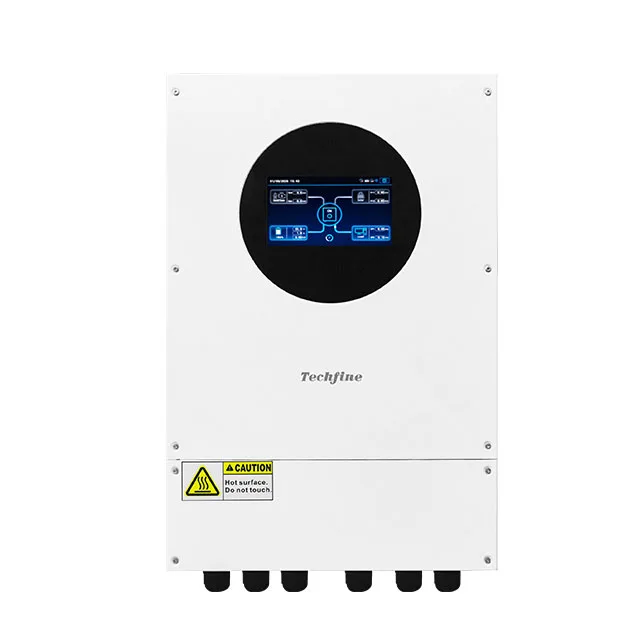
 Hybrid Solar Inverter
XA-series | 6.6kW–10.6kW IP66 hybrid solar inverter support parallel
IP66 protection level
IP66 protection levelBuilt-in communication port for BMS (RS485)Parallel operation up to 9 units
View DetailsOpen the exact series page, preserve its rating and configuration, then confirm current electrical data, battery pairing, grid/backup behavior, assembly scope, documents, availability and terms.
Hybrid Solar InverterIP66 protection level
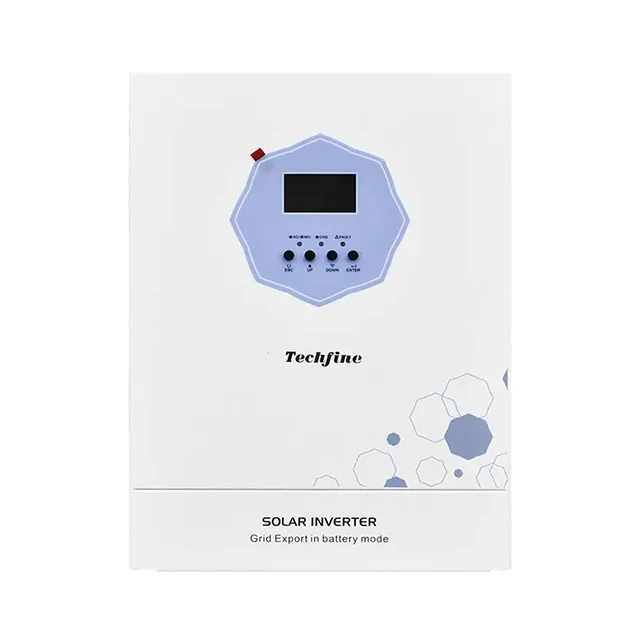 Hybrid Solar Inverter
Lithium Battery Auto-Restart Function
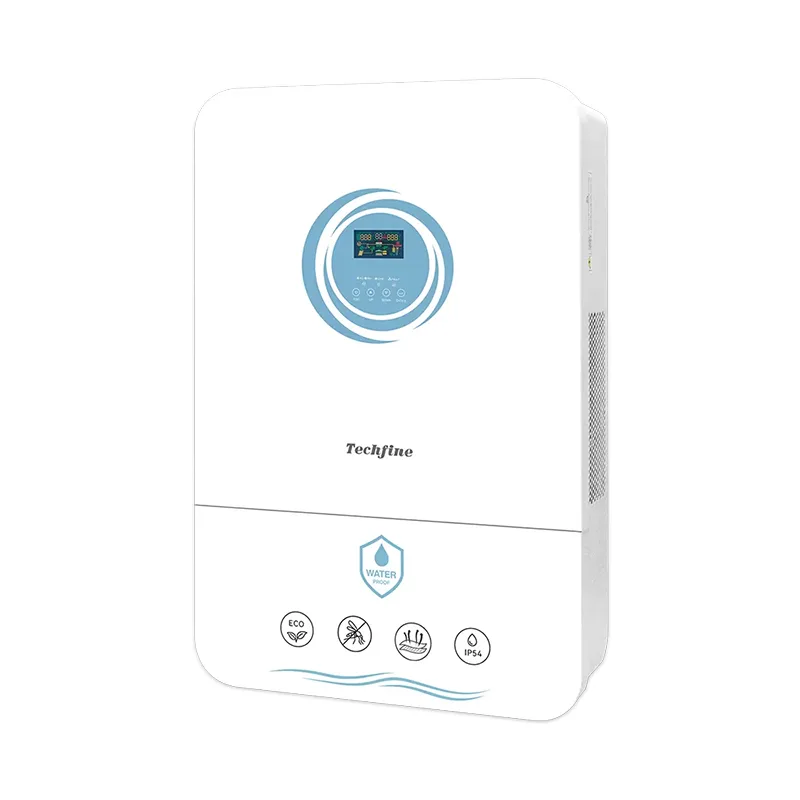 Hybrid Solar Inverter
Higher PV input current for greater power generation
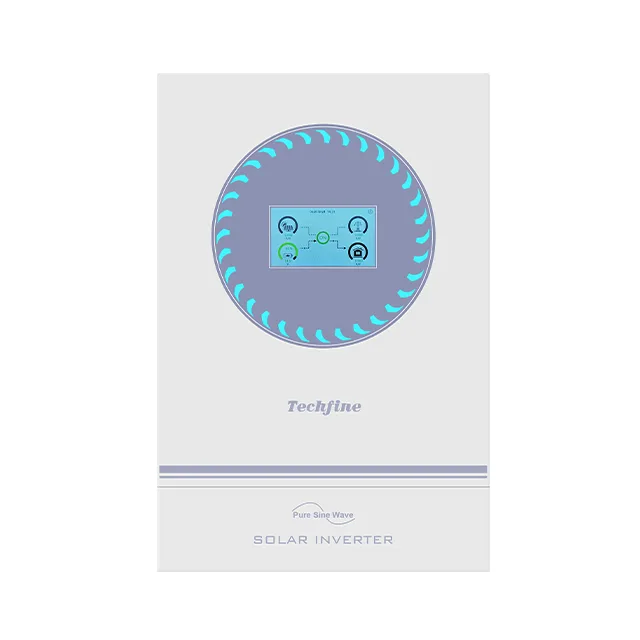 Hybrid Solar Inverter
Lithium Battery Auto-restart Function, More Convenient for Lithium Battery Charging
 Hybrid Solar Inverter
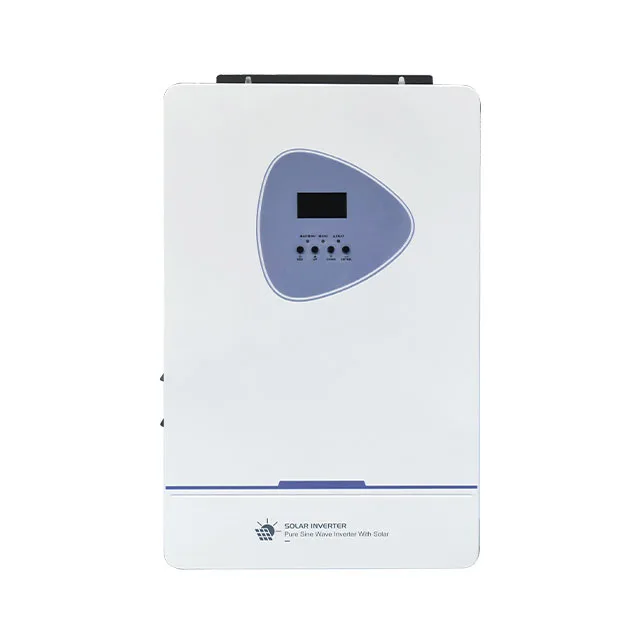
Lithium Battery Auto-restart Function, More Convenient for Lithium Battery Charging
 Hybrid Solar Inverter
Multiple parameters can be adjusted according to user needs to adapt to different occasions
 Hybrid Solar Inverter
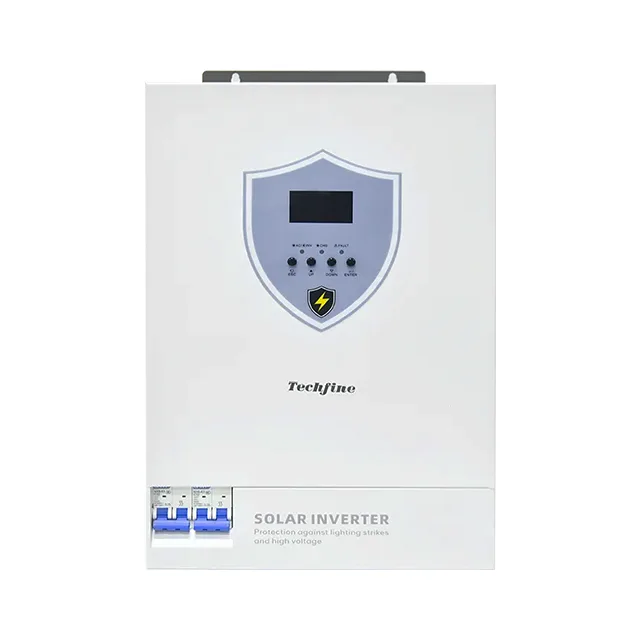
With lightning protection and high voltage protection functions
 Hybrid Solar Inverter
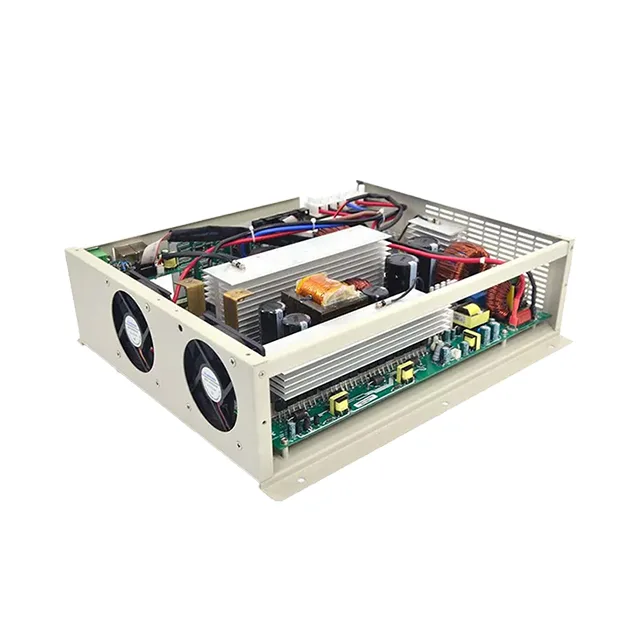
High-frequency inverter with high efficiency and lightweight design
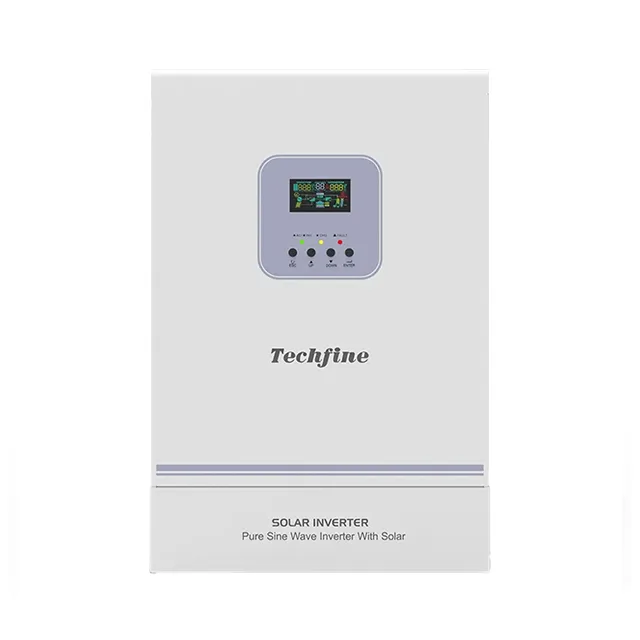 Hybrid Solar Inverter
Lithium Battery Auto-restart Function More Convenient for Lithium Battery Charging
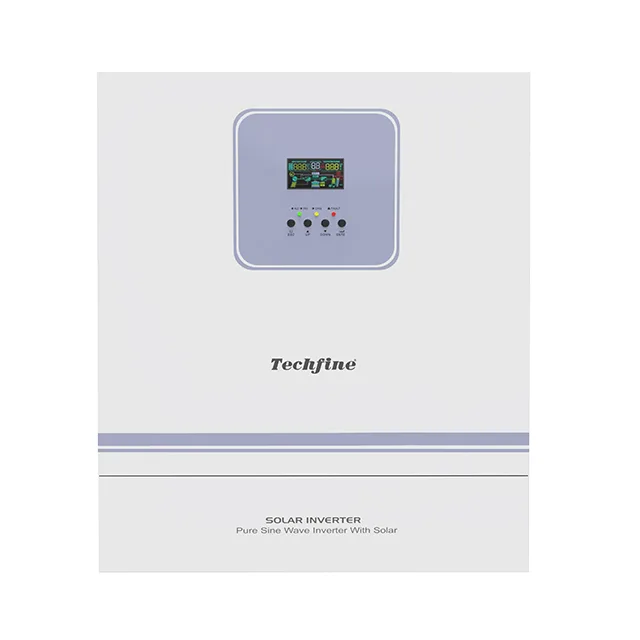 Hybrid Solar Inverter
Lithium Battery Auto-restart Function More Convenient for Lithium Battery Charging
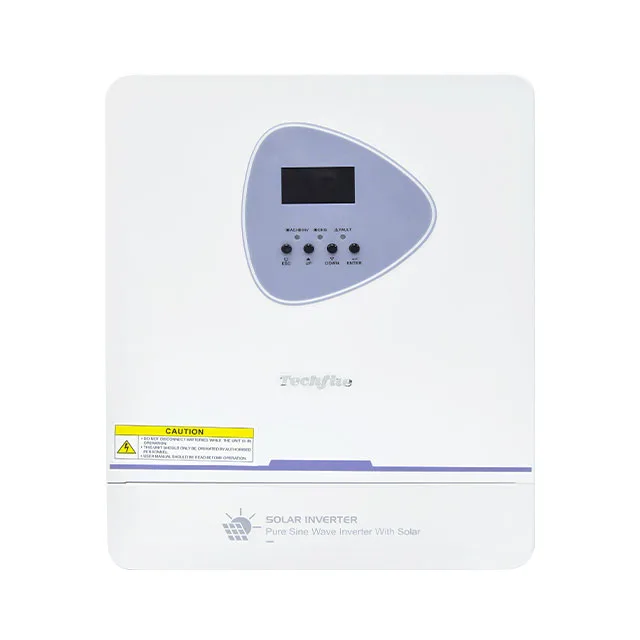 Hybrid Solar Inverter
Multiple parameters can be adjusted according to user needs to adapt to different occasions
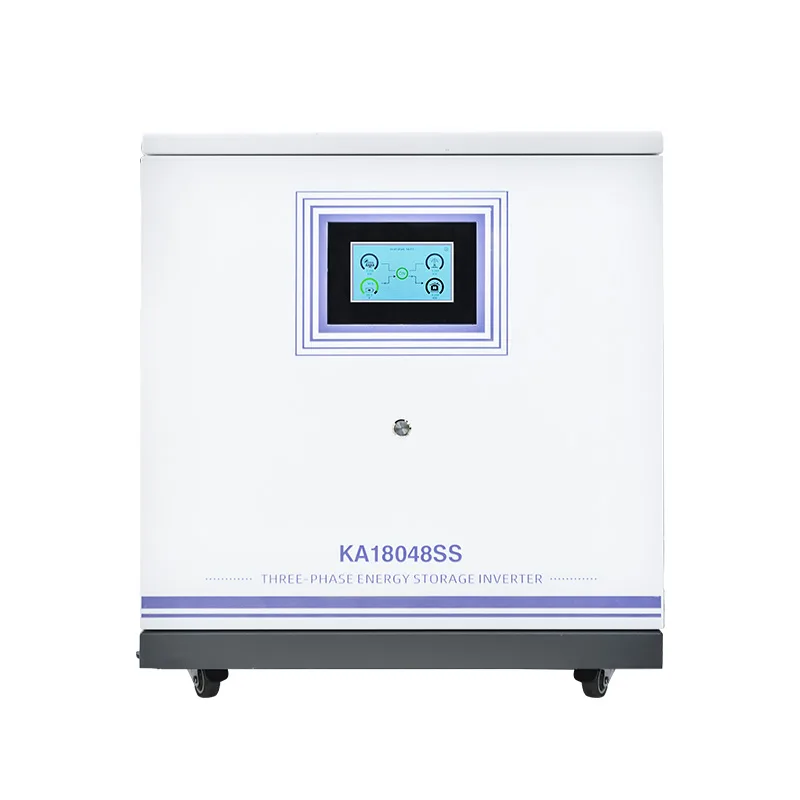 Hybrid Solar Inverter
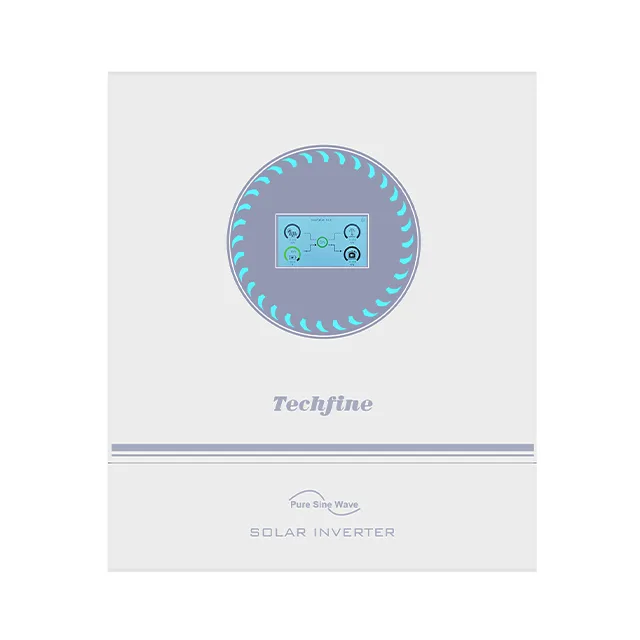
Touch screen display, status is clear at a glance
View DetailsThe catalogue includes complete inverter families and one SKD circuit-board route. Treat every series as a distinct electrical configuration.
Displayed source names span 3.6–11 kW-class labels and mention different IP, MPPT, CT/zero-export, PV-current and dual-output features. Confirm the exact rating, electrical table, firmware and included CT/accessories.
Multiple pages share family names but differ by rating and MPPT wording. Keep the full page/model identity and verify PV inputs, battery interface, AC outputs, charging priorities, load terminals and options.
IV pages emphasize protection-related wording; KA is displayed as an 18/33 kW three-phase route with six-MPPT wording. Confirm actual phase/voltage, PV/current, battery/DC architecture, grid and project-level protection.
The 3–11 kW SKD page is not automatically a finished certified inverter. Define supplied PCB/boards, enclosure, HMI, wiring, cooling, firmware, assembly, test fixture, quality control, compliance and final-product responsibility.
A reviewable RFQ ties an exact series to the site's PV, battery, AC/grid, backed loads and required evidence.
State self-consumption, grid/zero-export, backup, off-grid, generator or another mode; provide continuous and peak loads, motors, critical circuits, transfer expectations and loads excluded from backup.
Provide module data, temperatures, string length/count and orientations; verify cold Voc, hot Vmp, Isc/Imp, maximum PV voltage/power, MPPT window, current per tracker and string allocation.
Provide chemistry, exact battery/BMS model, nominal/operating voltage, usable energy, charge/discharge current, protocol, firmware and approved pairing; define utility/PV charging priorities and generator charging.
Confirm destination, single- or three-phase, nominal voltage/frequency, neutral/grounding, service/generator input, grid or anti-backflow requirements, output terminals and local electrical/grid evidence.
Confirm permitted unit count and accessories, shared battery/AC topology, meters/CTs, bypass/transfer, isolation, breakers/SPD, communications, settings, firmware and commissioning sequence.
Request exact datasheet/manual, model/label, certificate/test scope, warranty, accessories, packaging and serial traceability; for SKD define supplied parts and QA, then confirm MOQ, samples, lead time and substitution.
Final operation depends on exact model, firmware, battery, PV design, AC/grid, protection, assembly and destination rules.
Lithium activation, charging or communication wording does not approve every lithium or lead-acid battery. Confirm voltage/current, charge profile, BMS protocol, firmware and written pairing.
CT location/direction, meter/control loop, firmware, load wiring, output ratings and fail-safe behavior determine anti-backflow and backed-load results. A feature line is not a commissioned design.
Permitted quantity, continuous/peak duration, communication, battery arrangement, generator/bypass and protection must come from the exact manual and tested configuration.
A circuit board or SKD supply leaves enclosure, thermal, insulation, wiring, firmware control, production tests, labels, certification, warranty and end-product liability to an explicitly assigned party.
Use the solution page for system responsibilities and the compatibility guide for exact battery and inverter pairing.
Review how PV, hybrid inverter, battery, critical-load distribution, protection and local installation responsibilities fit one backup scope.
Review backup context
Review voltage/current, BMS protocol, firmware, approved pairing, protection and commissioning evidence before fixing models.
Review compatibility
These answers organize procurement; final electrical design, battery approval, grid/backup behavior and commissioning remain model- and project-specific.
No. XA, QA, TD, BH, EA, IV, GA PRO and KA can differ in phase, PV/MPPT voltage and current, battery interface, AC outputs, protection, controls and firmware. Compare the exact rating and source table.
No. Confirm voltage and current windows, charge profile, BMS protocol, firmware, approved model list, cables/protection and written pairing. Auto-restart or activation wording does not prove universal compatibility.
Treat it as a manufacturing supply scope unless the quotation explicitly includes a finished assembly. Define boards, enclosure, display, wiring, cooling, firmware, test fixtures, assembly, certification, labels, QA, warranty and end-product responsibility.
Include destination, exact series/rating, phase/voltage, module/string plan, battery/BMS, operating and backup loads, grid/CT/generator/parallel needs, assembly scope, documents, quantity, samples, delivery target and substitution rules.
Compare 12 displayed source pages covering XA, QA, TD, two BH, two EA, IV, an inverter circuit-board SKD, two GA PRO and one KA three-phase route. Family names and headline kW do not establish the same PV, battery, AC, backup, grid or parallel architecture. Preserve the exact series and rating, then confirm PV voltage/current and MPPT layout, battery voltage/current and communication, AC phase/voltage, load and surge duty, grid/zero-export or backup behavior, generator/parallel scope, protection, firmware, complete assembly and accessories, destination documents, availability and commercial terms.
Send the operating mode, PV strings, battery/BMS, AC/grid and backed loads, exact series, protection/parallel scope, files, quantity and schedule.