
Compare the 31 displayed Deye string inverter pages
Open the exact page for source-derived model information, then confirm the full suffix, current datasheet, string design, grid package, protection/options, certificates, availability and order terms.
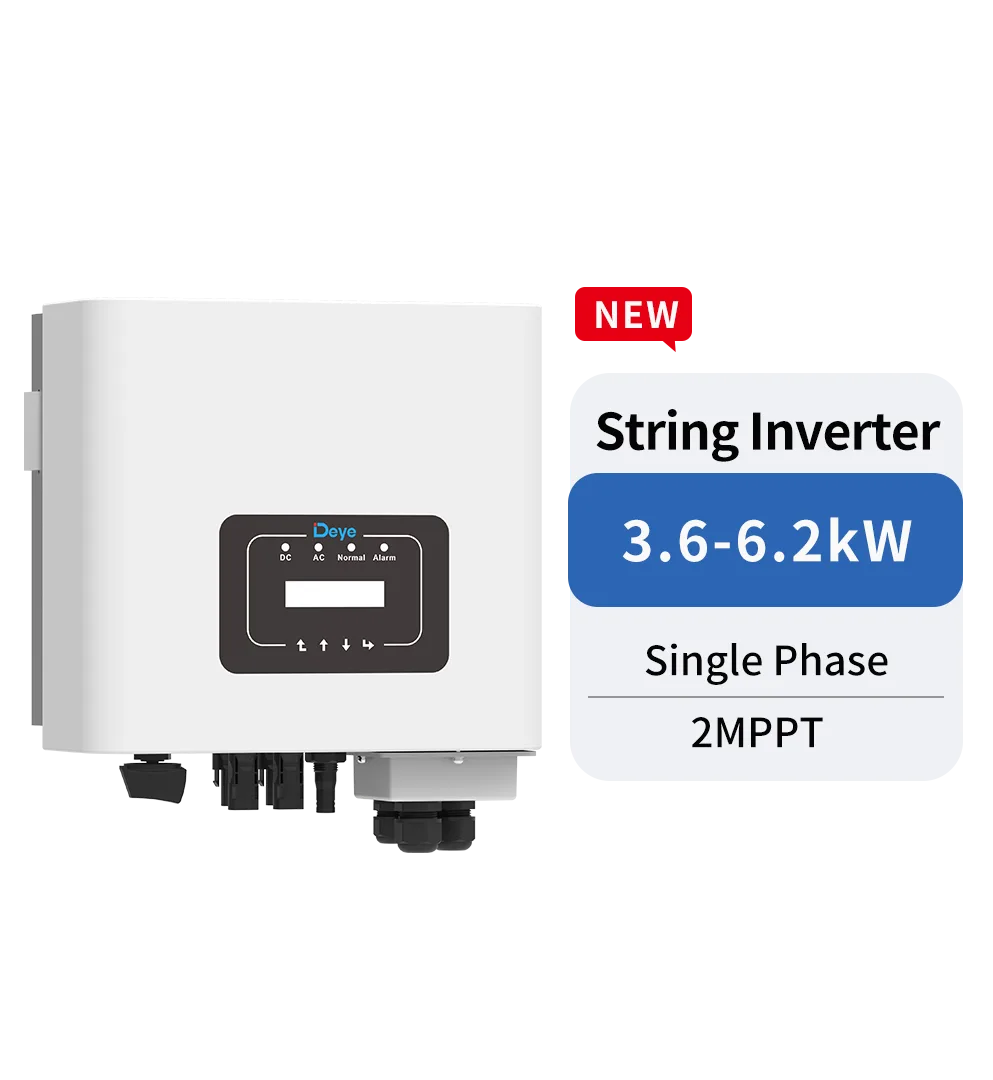
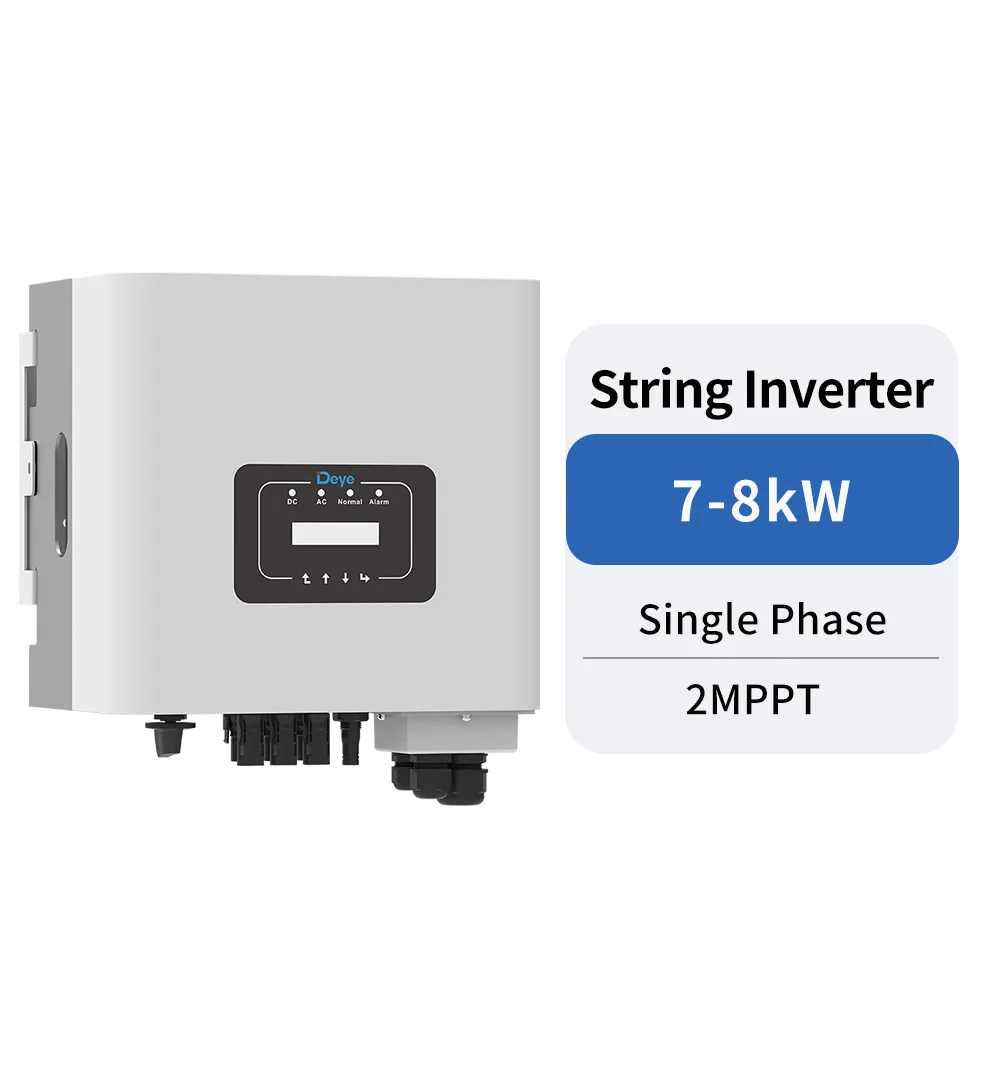
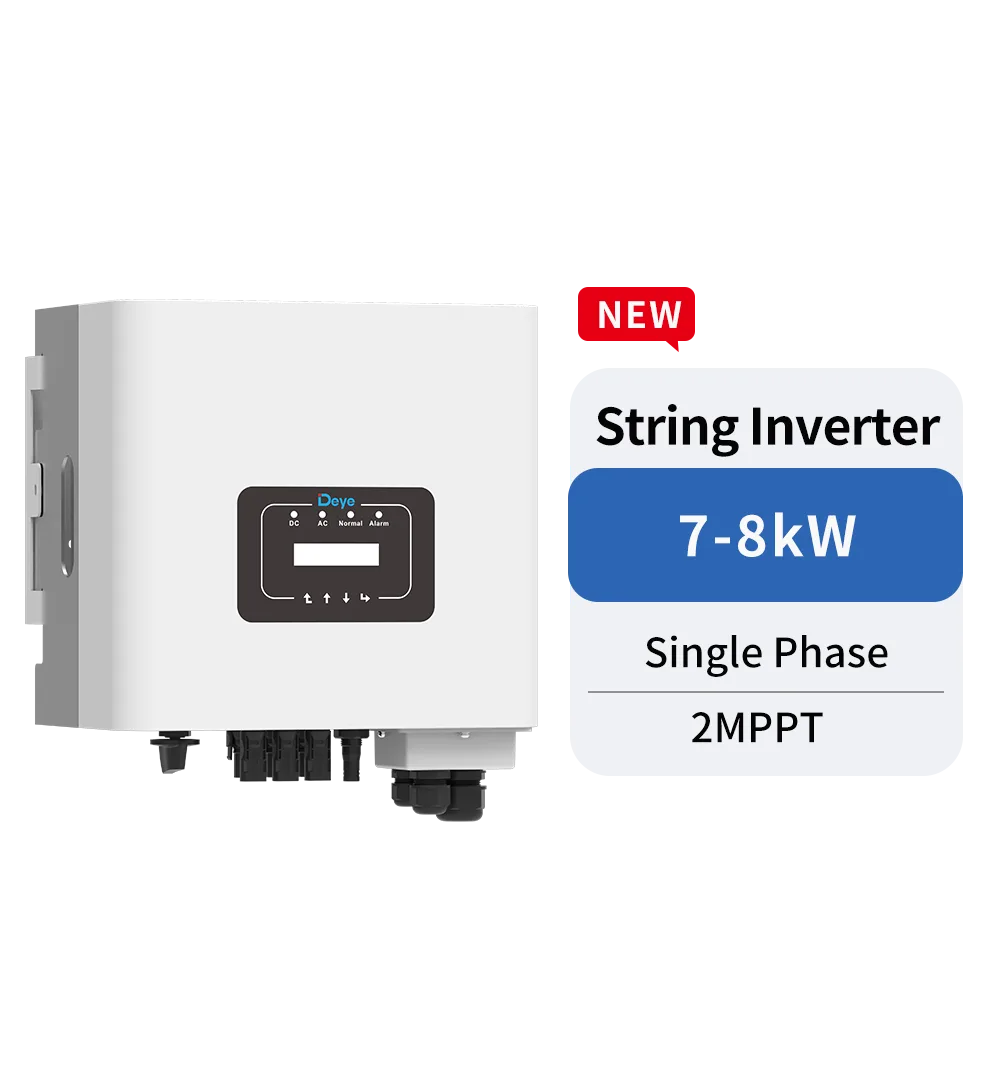
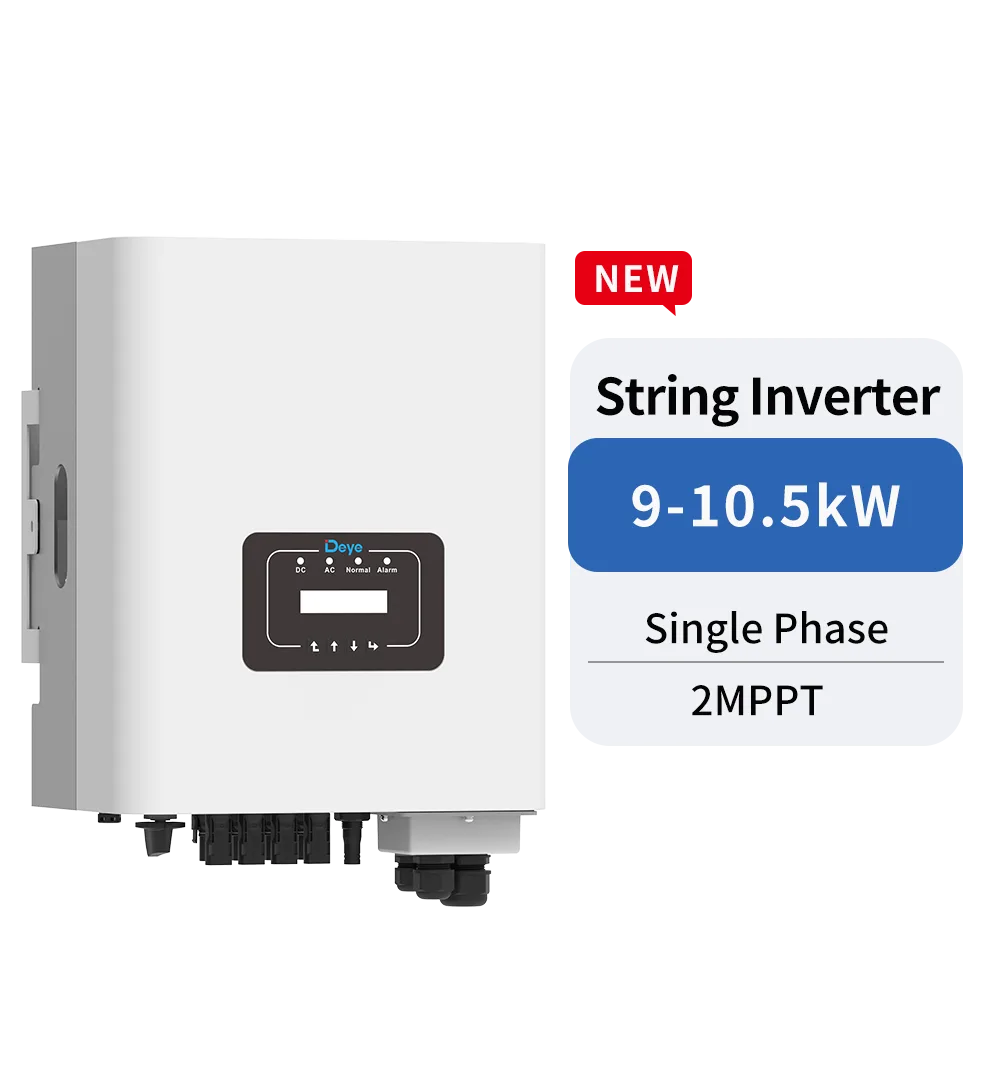
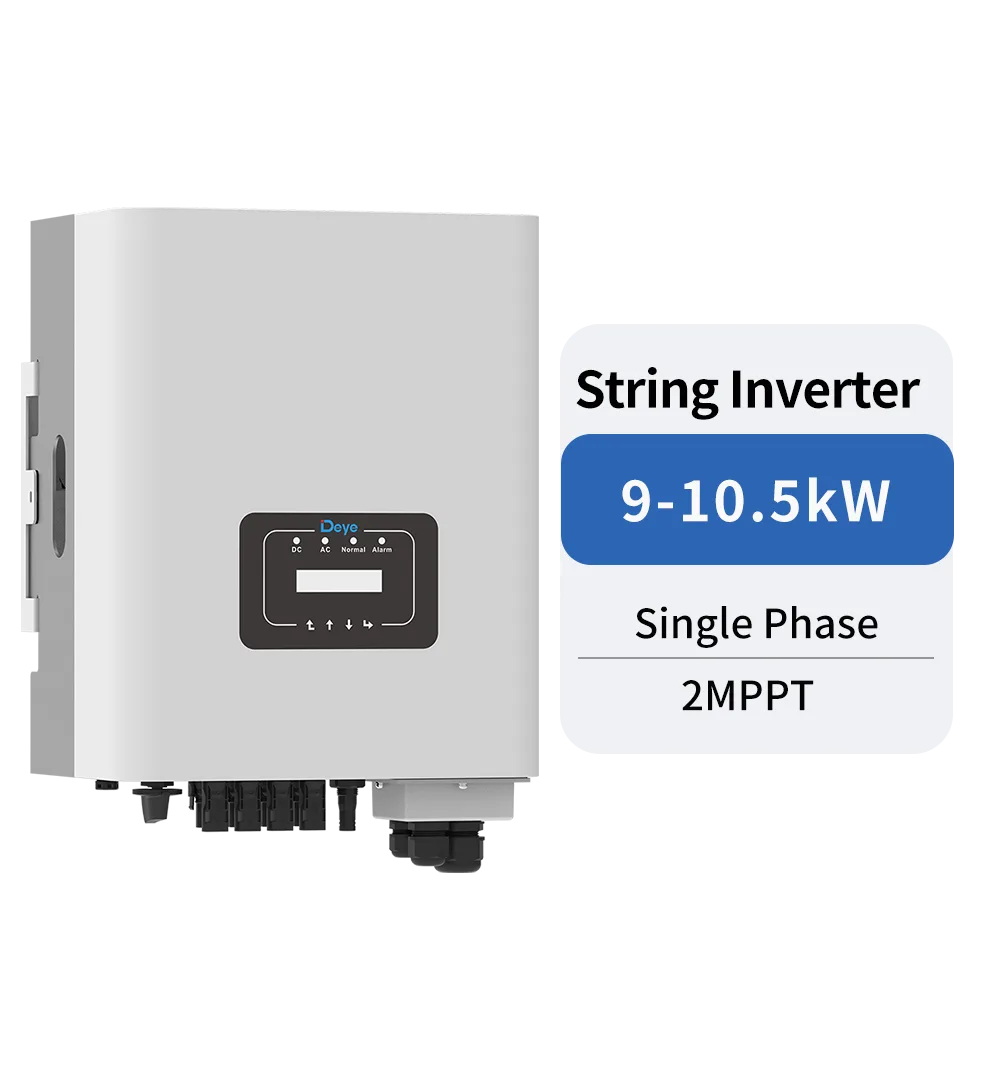
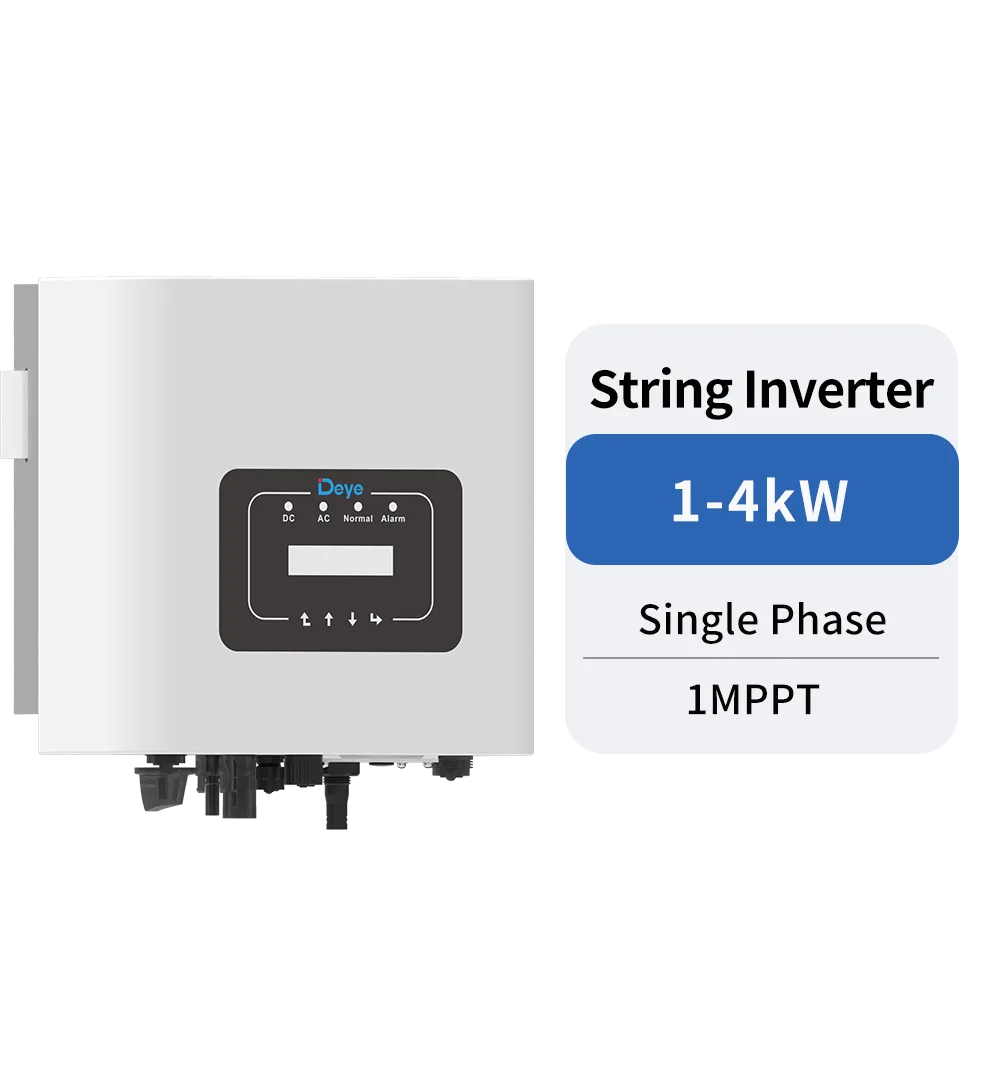
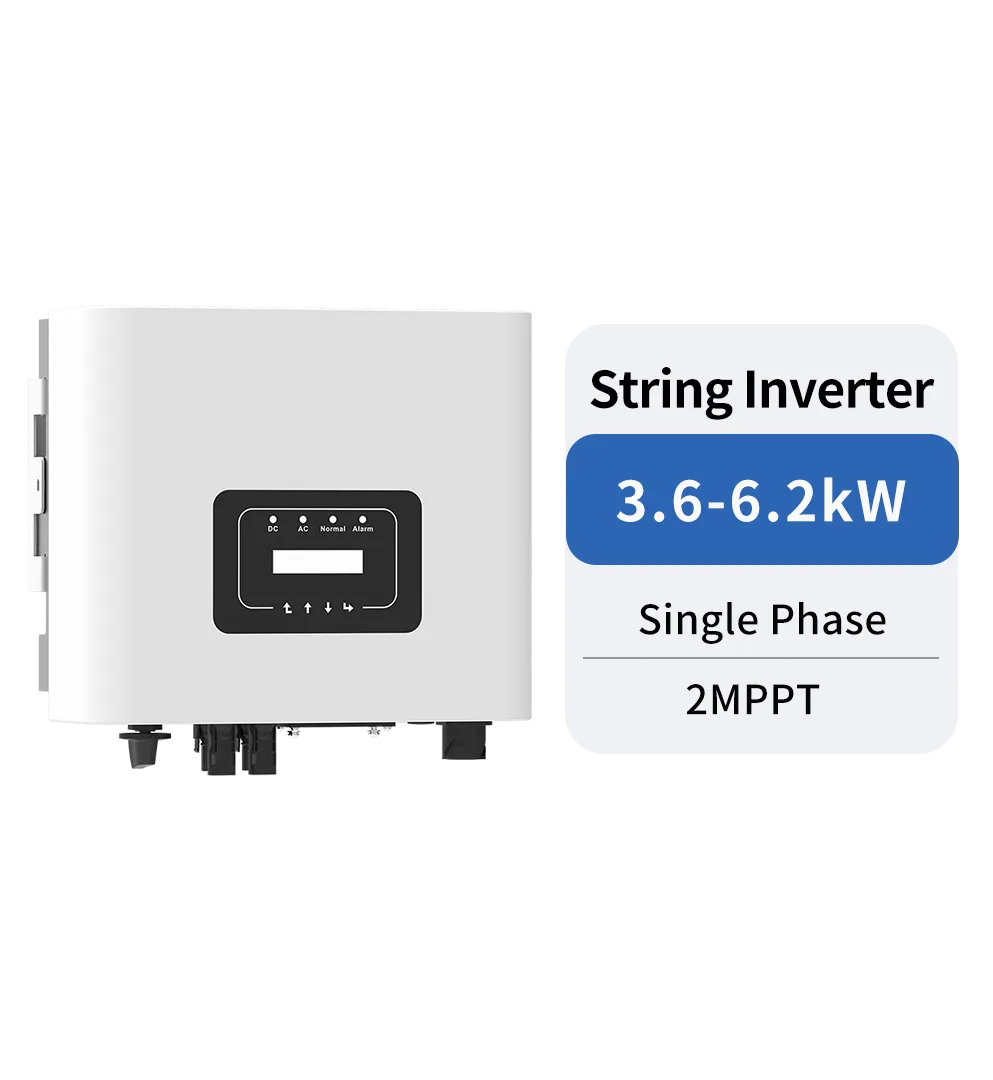
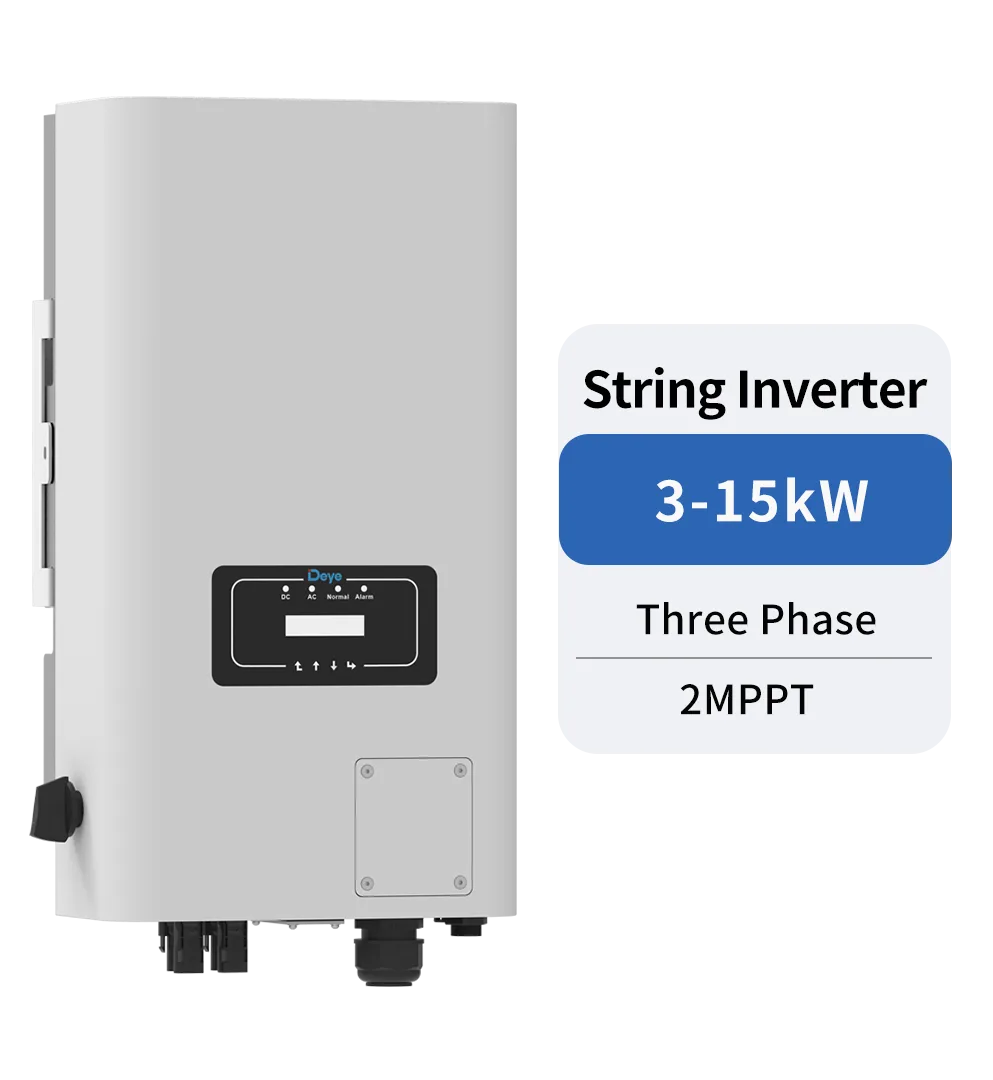
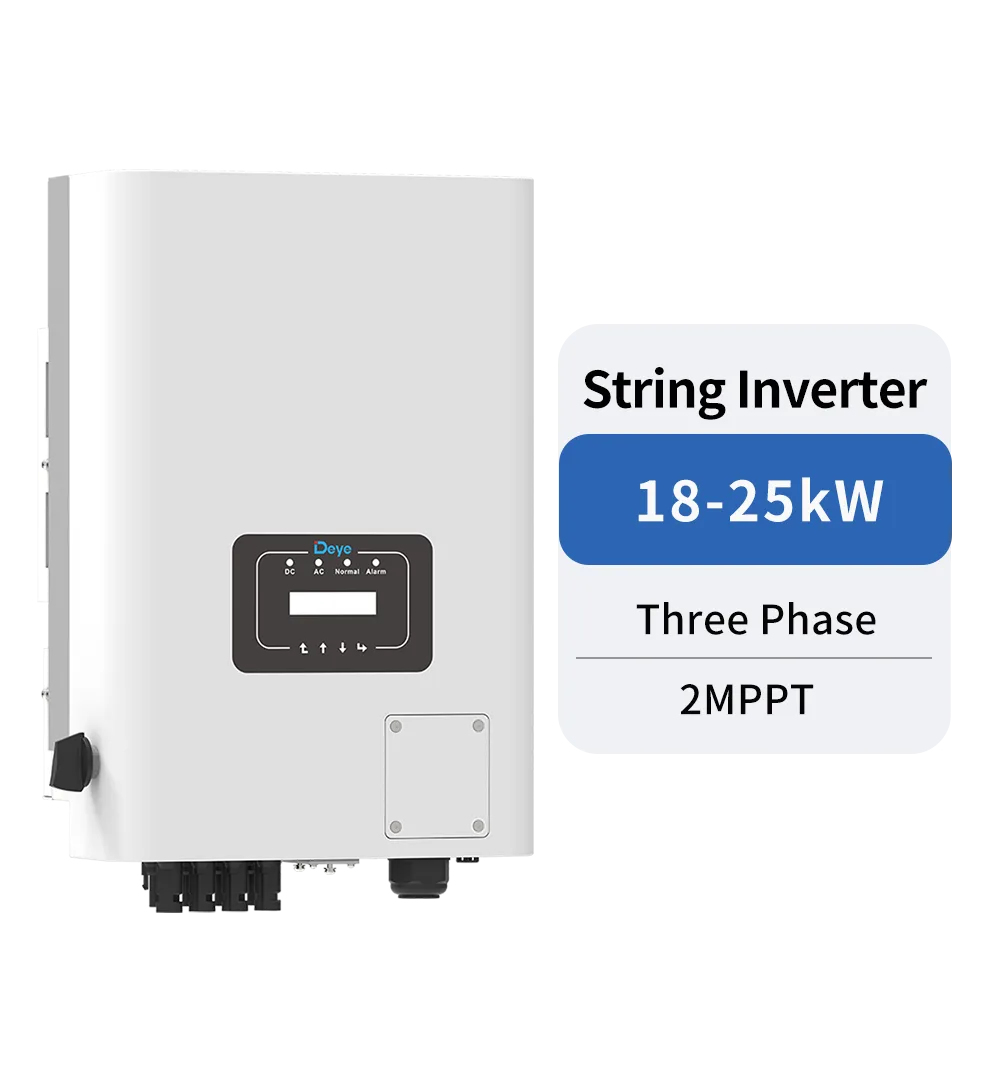
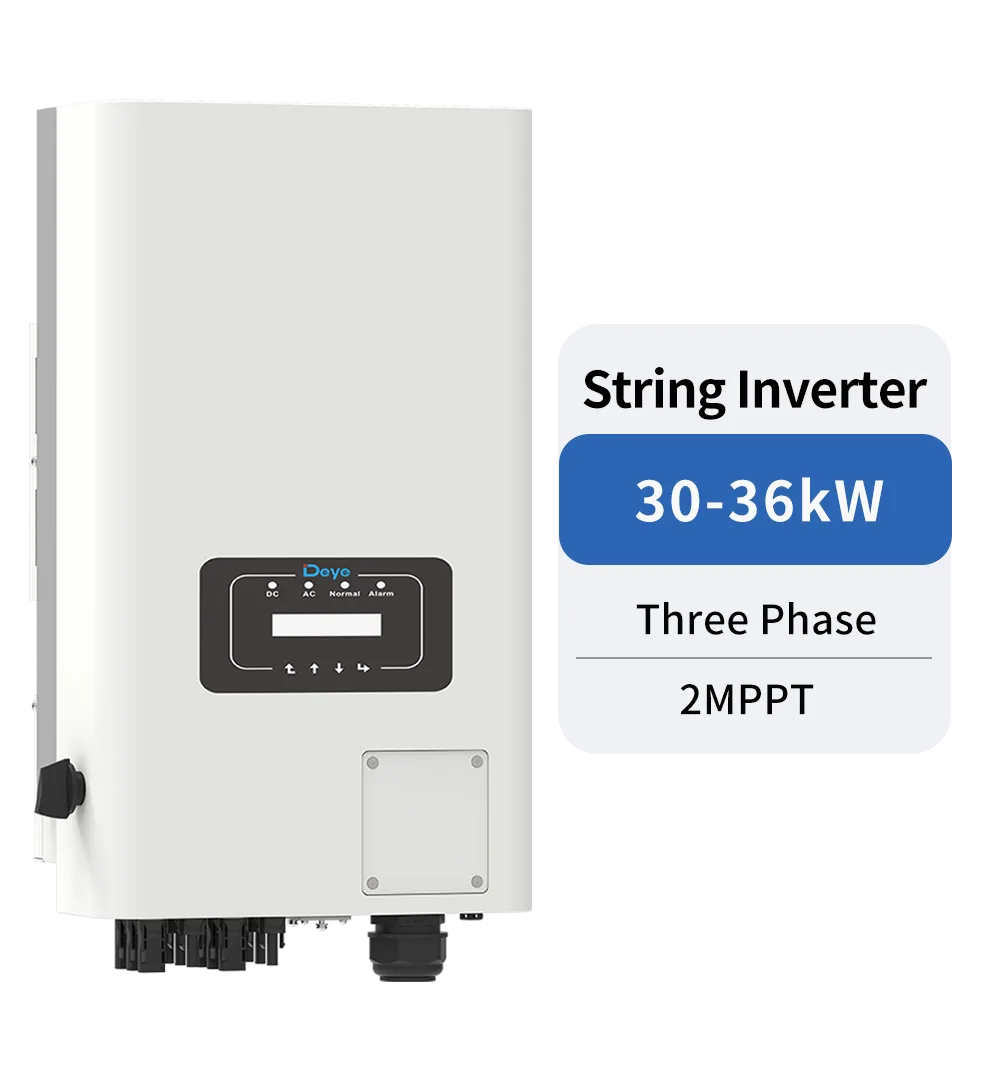
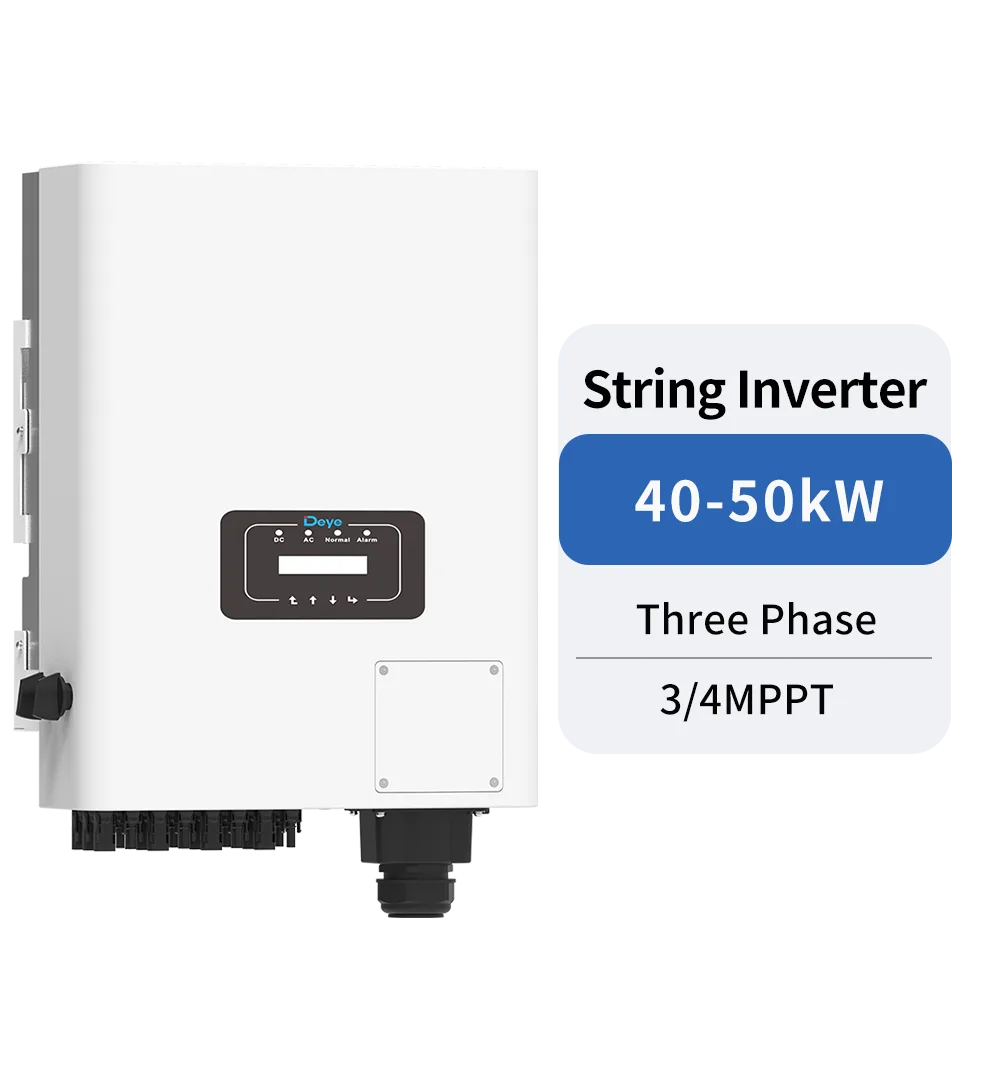
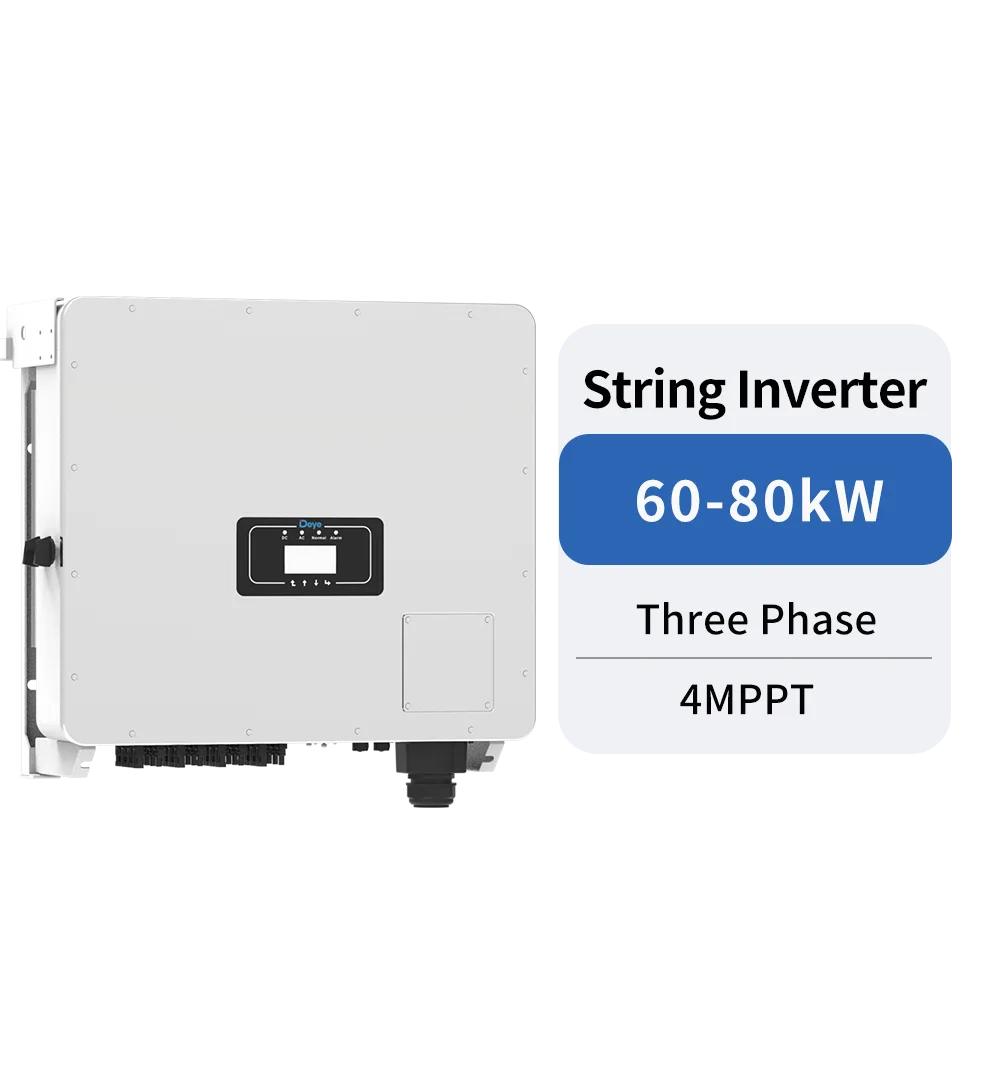
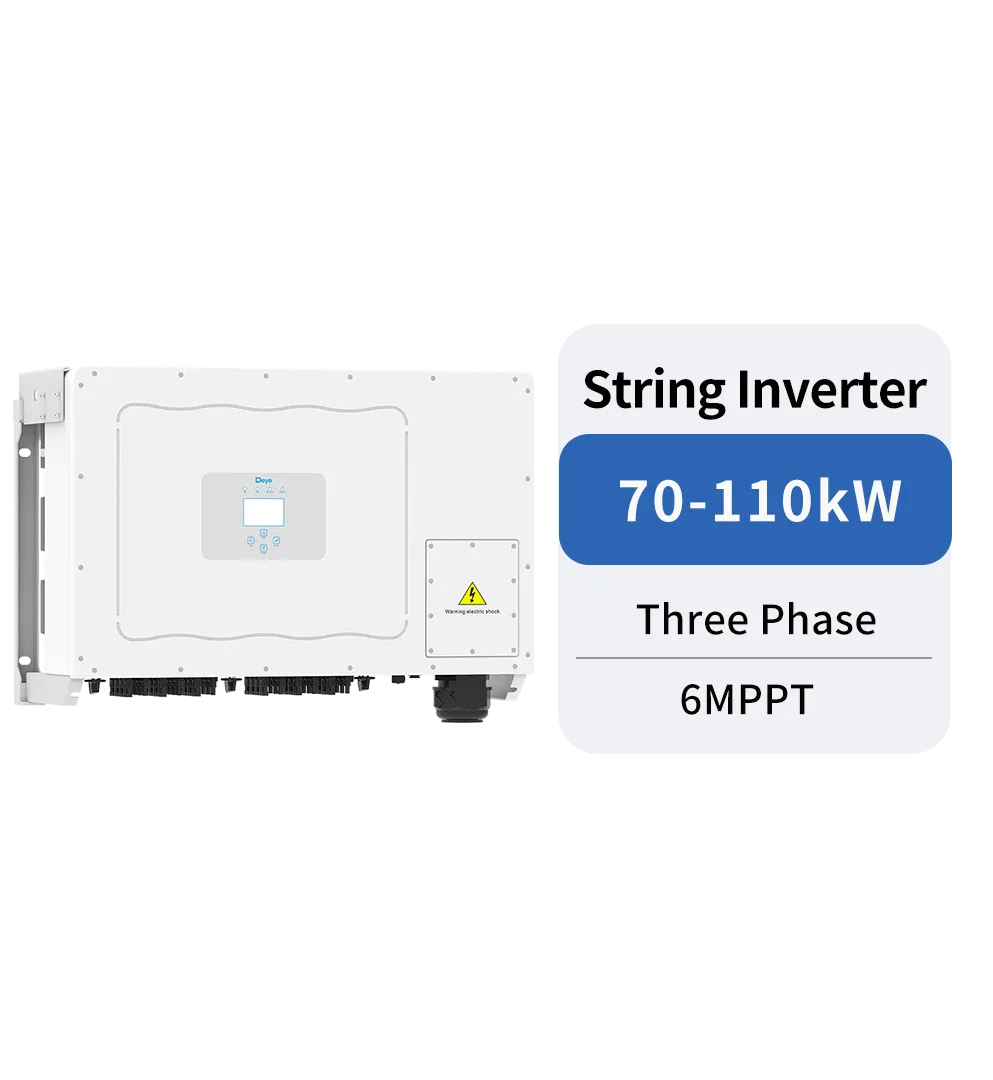
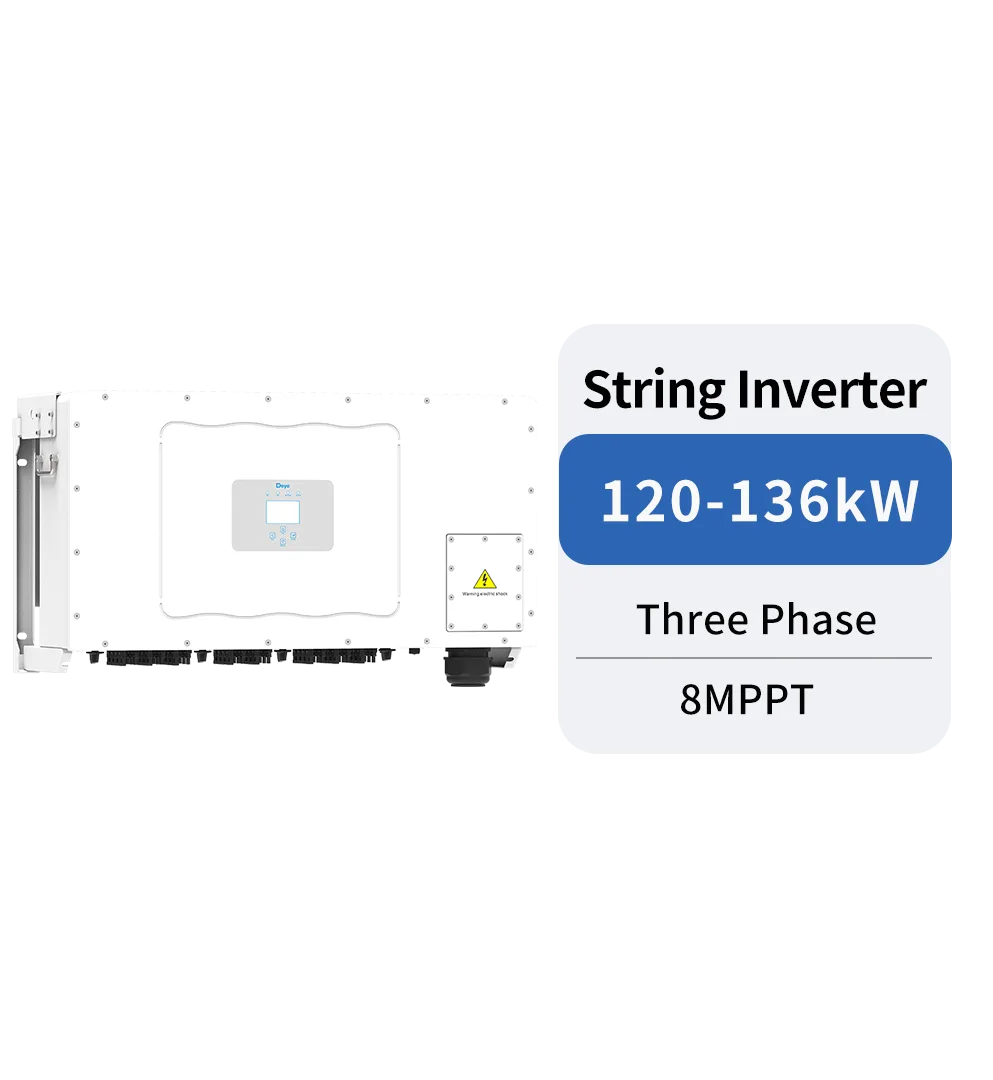
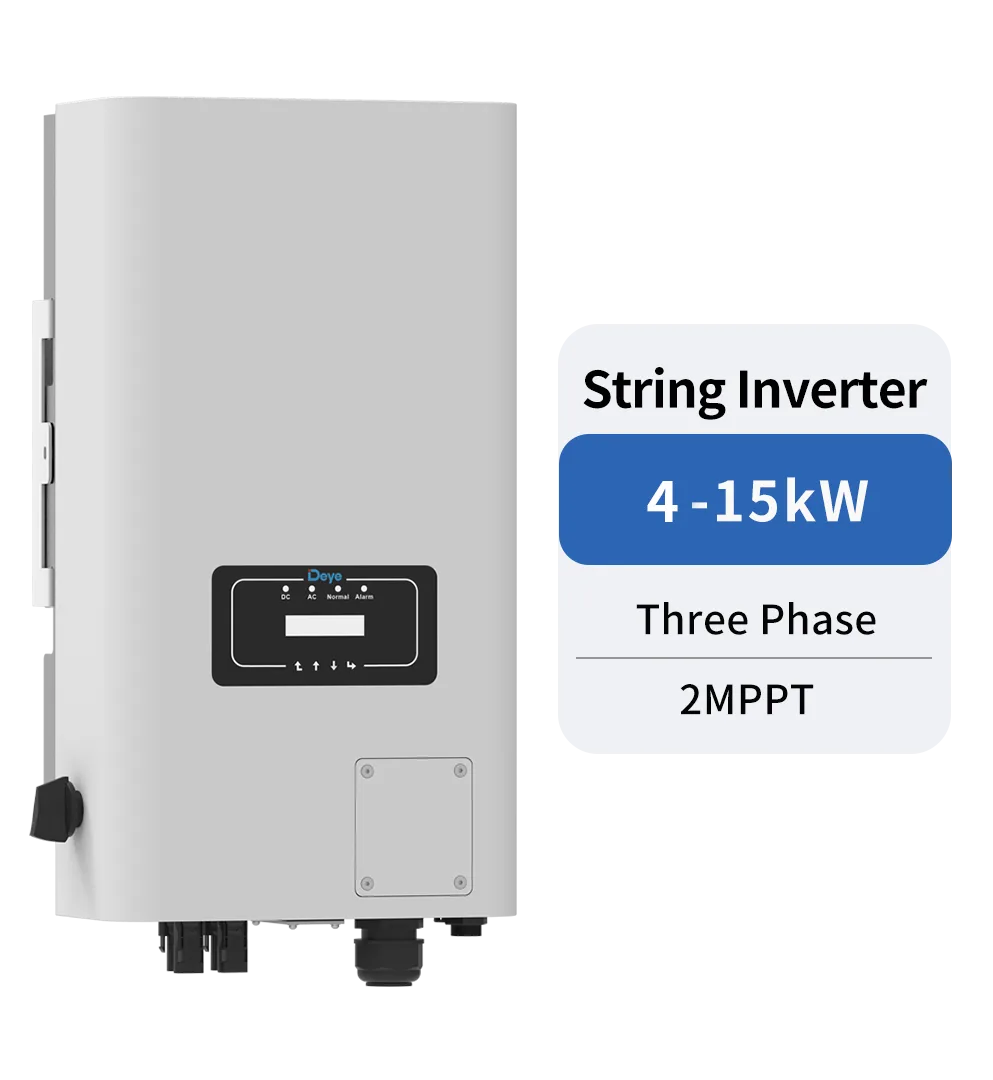
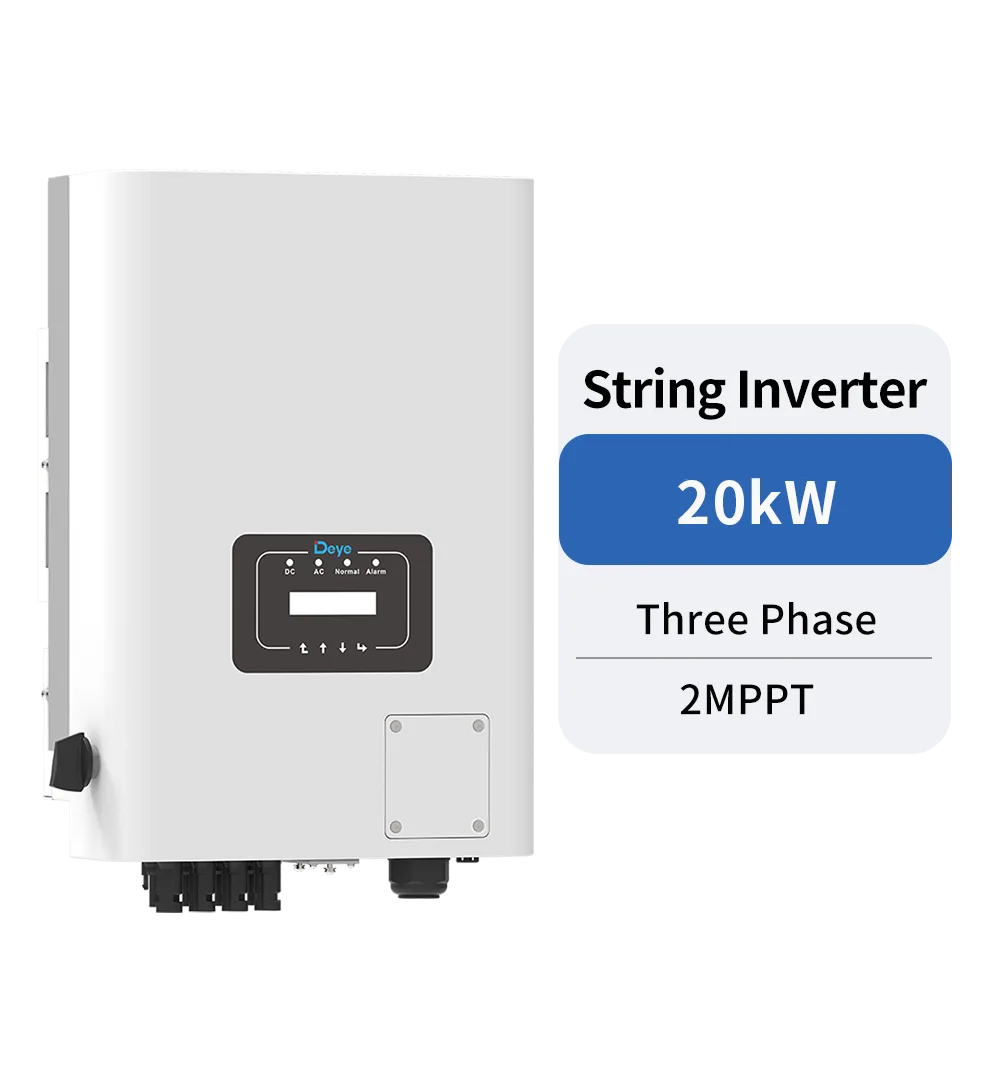
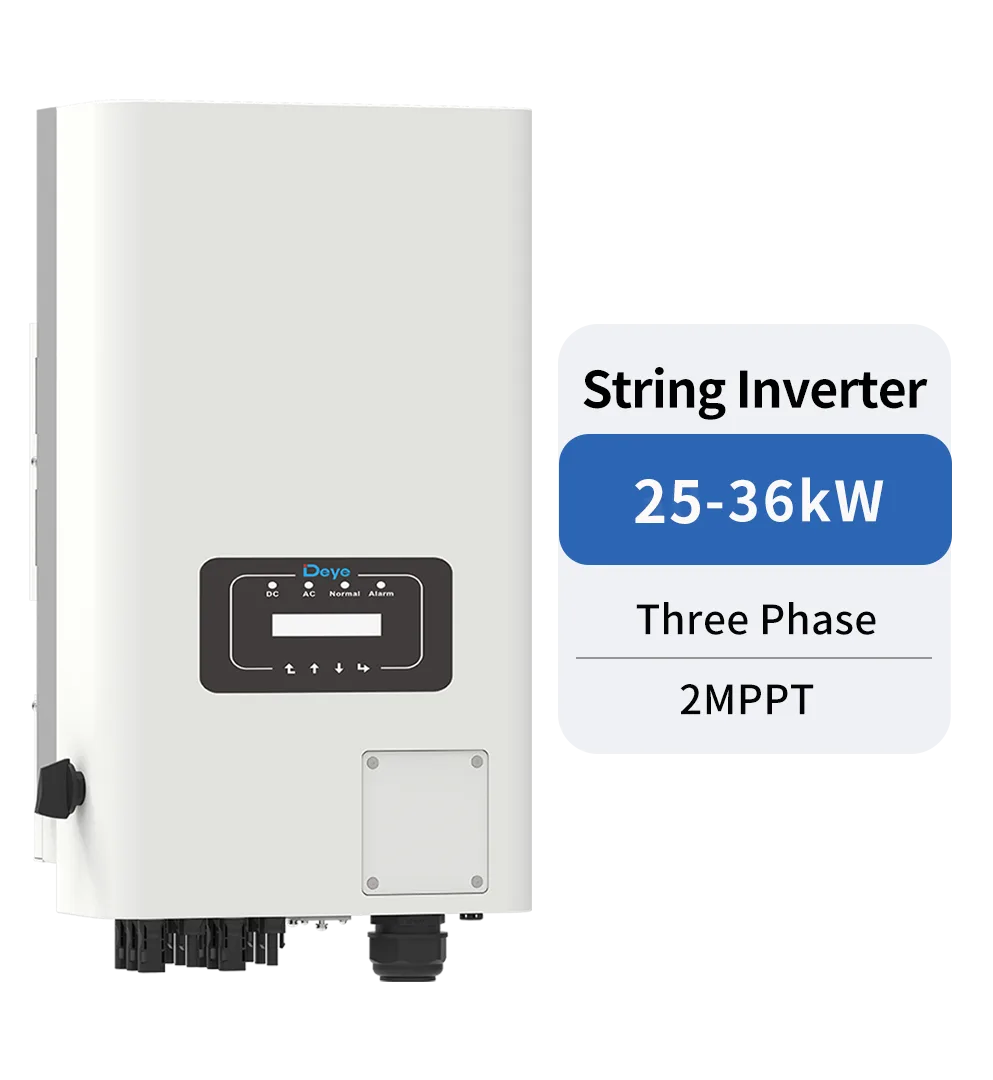
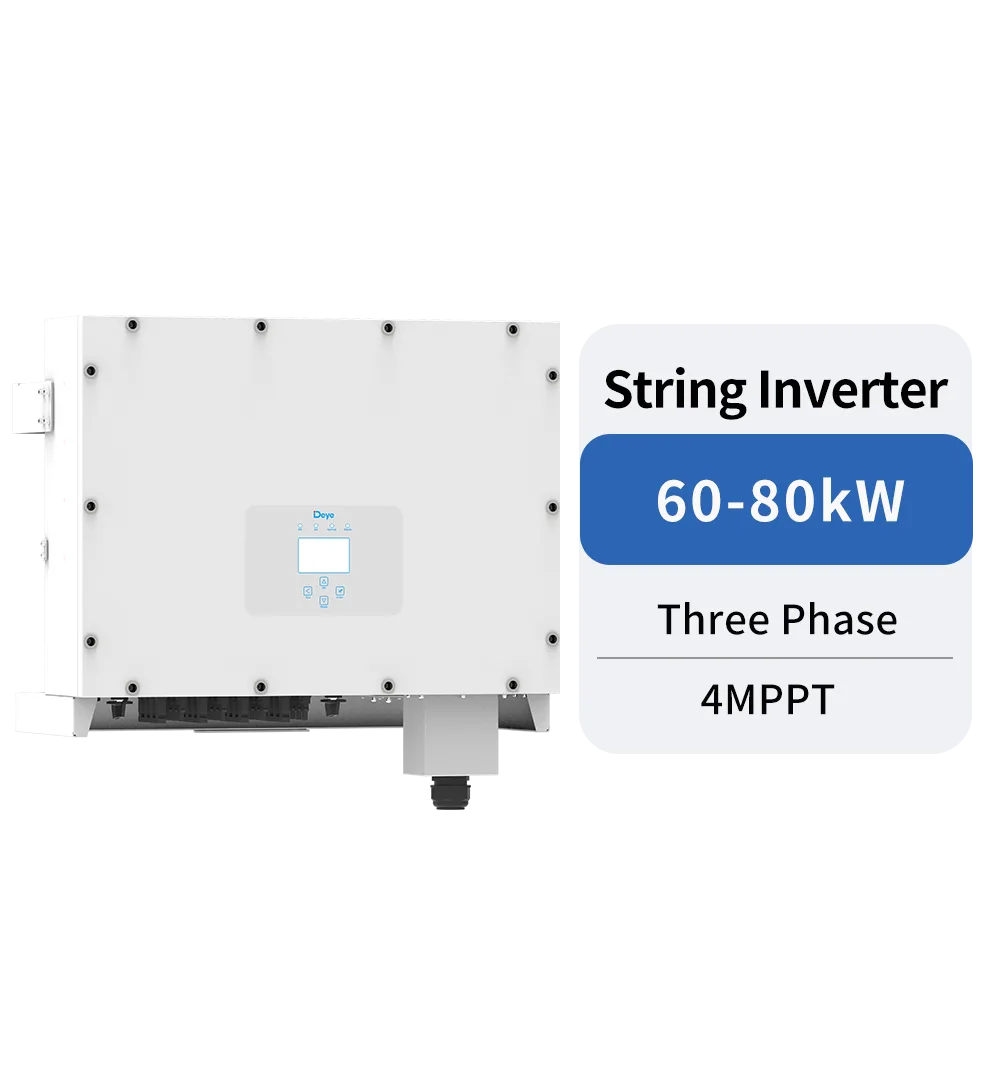
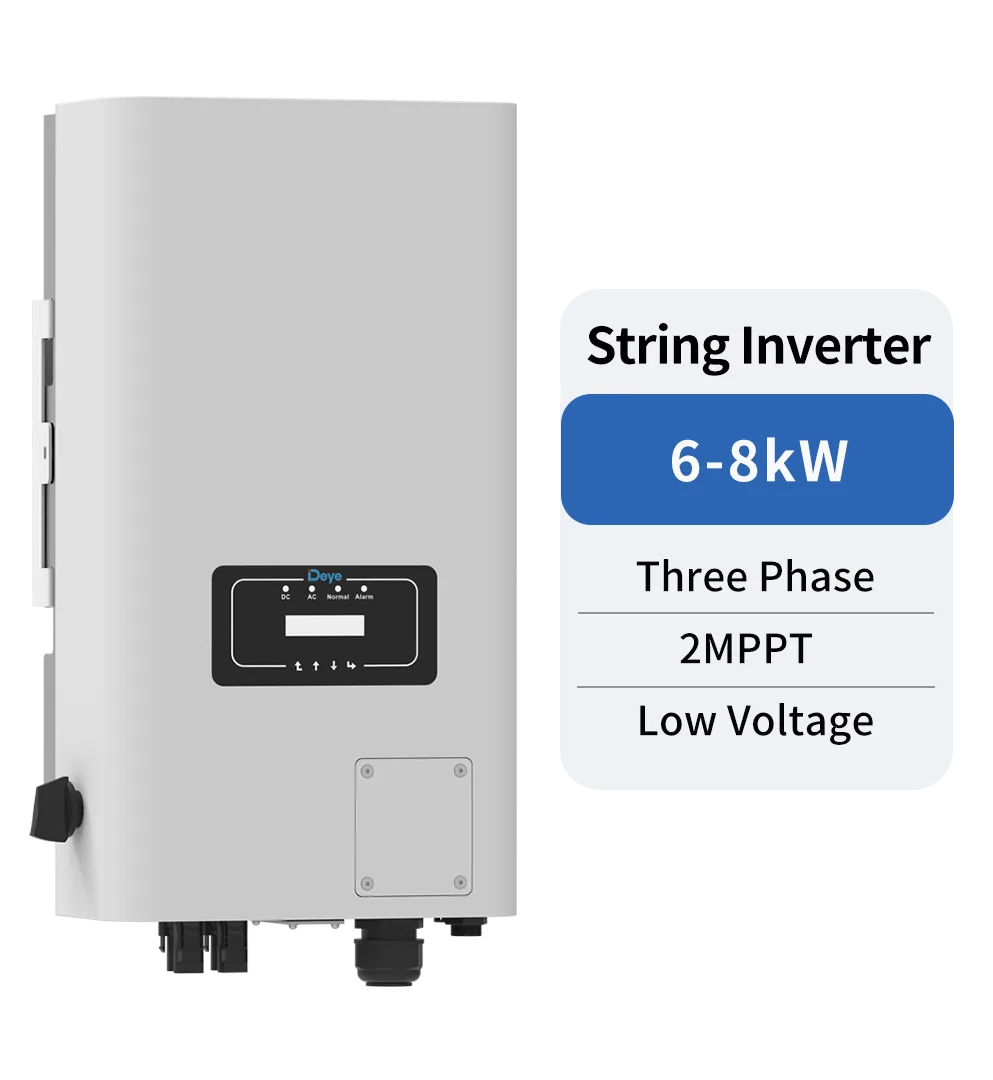
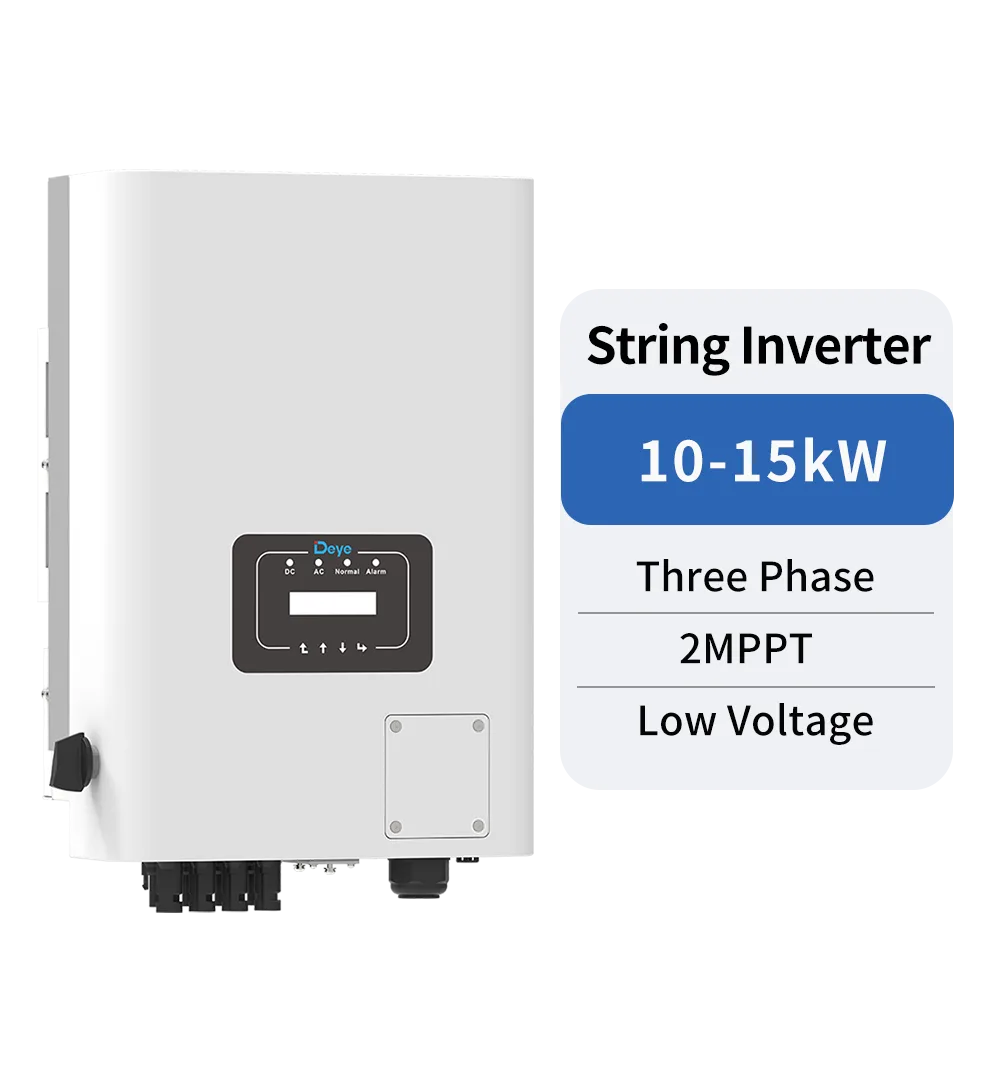
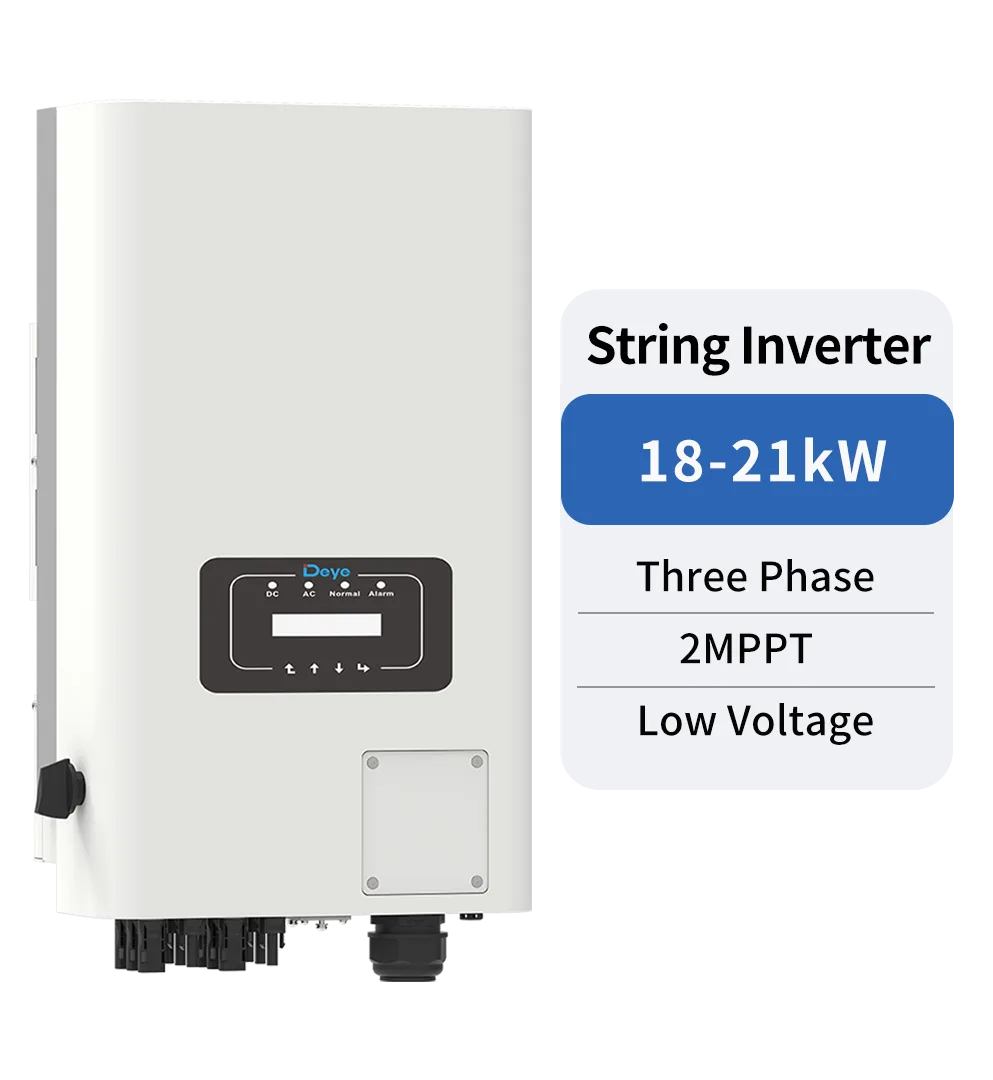
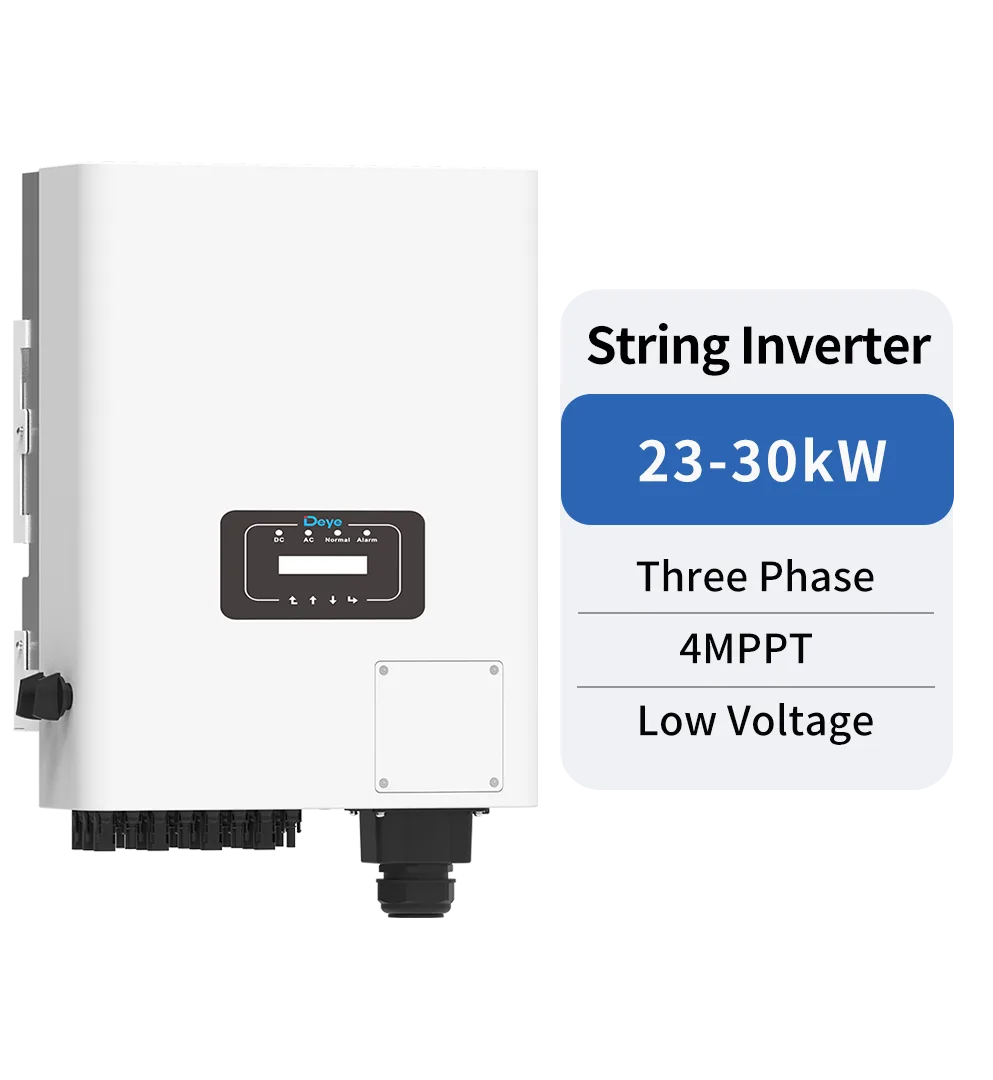
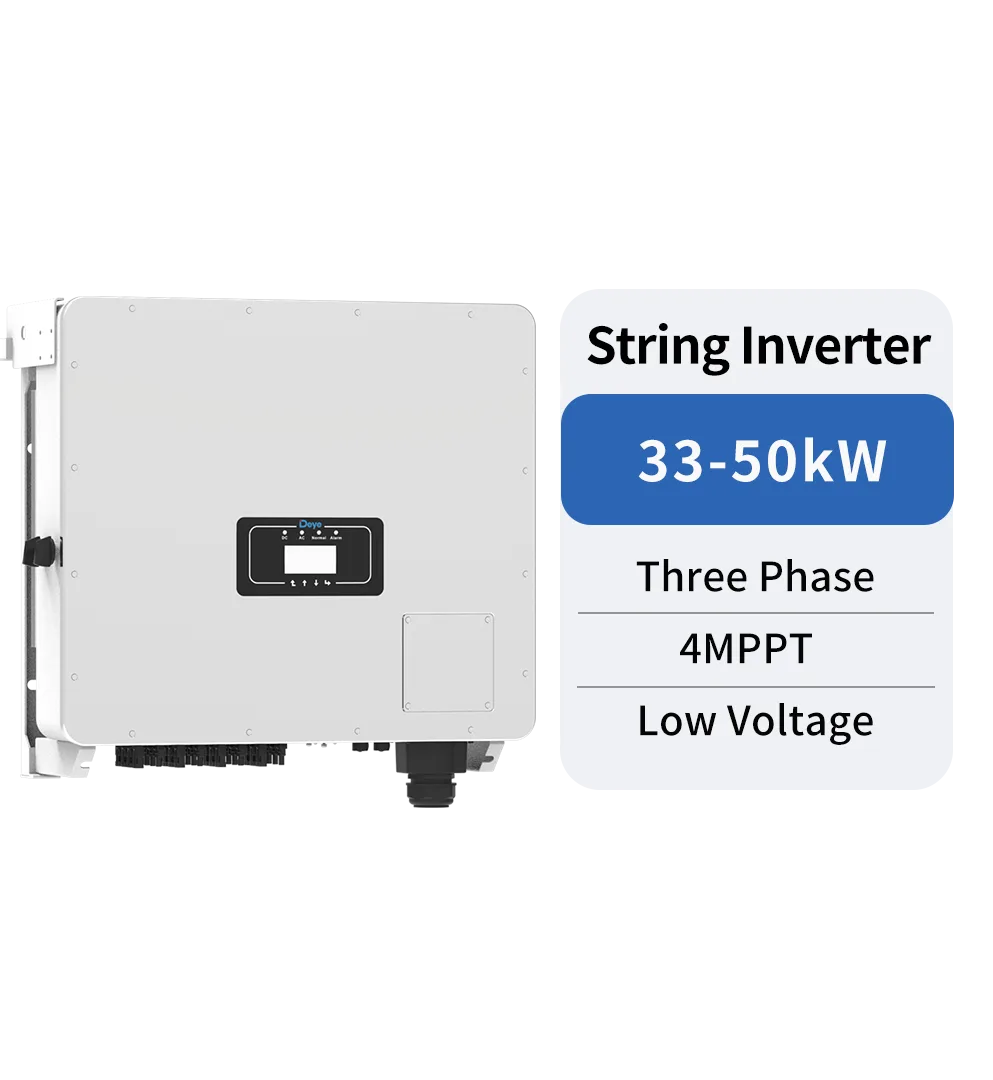
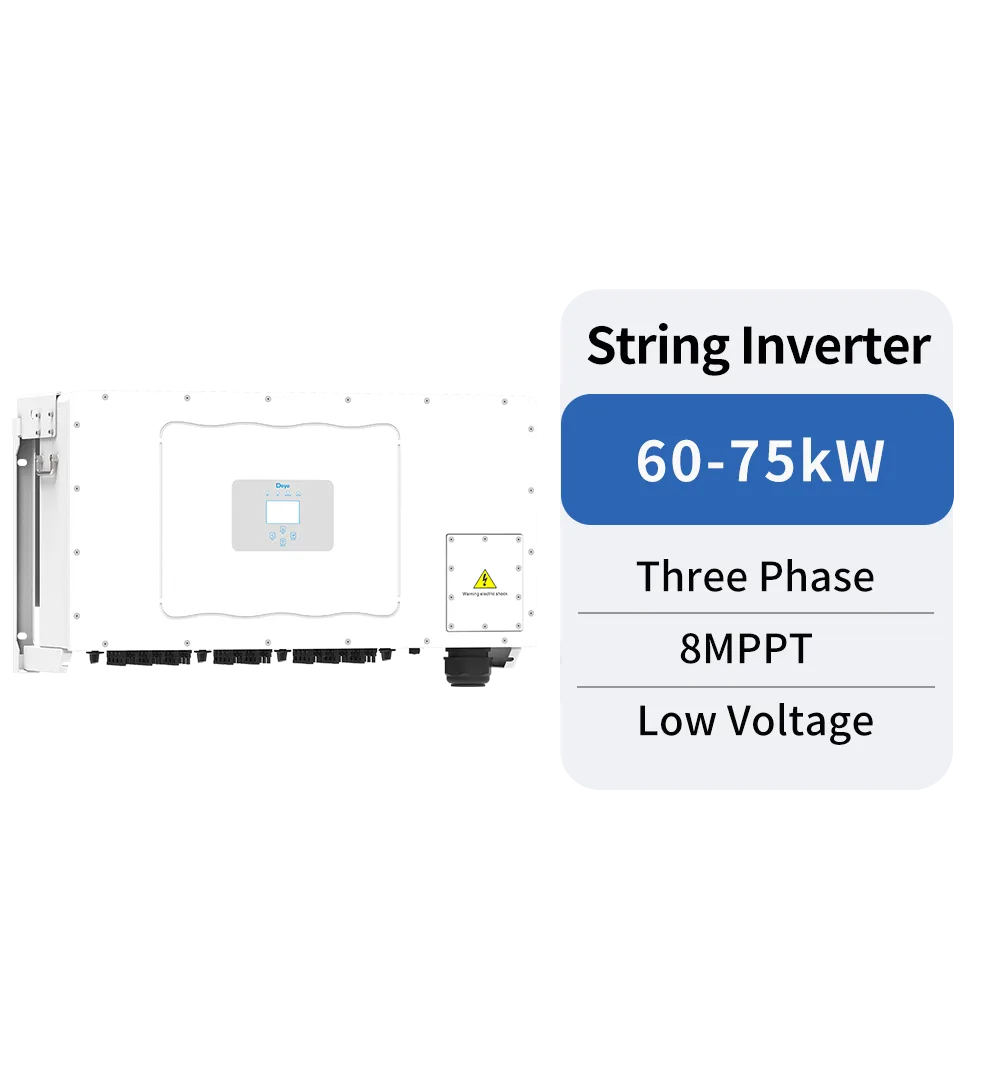
Displayed power and AC routes
Match the string platform to phase, voltage and array scale
The catalogue covers small single-phase through larger three-phase families. Compare only models that share the project's electrical and destination basis.
Small single-phase string families
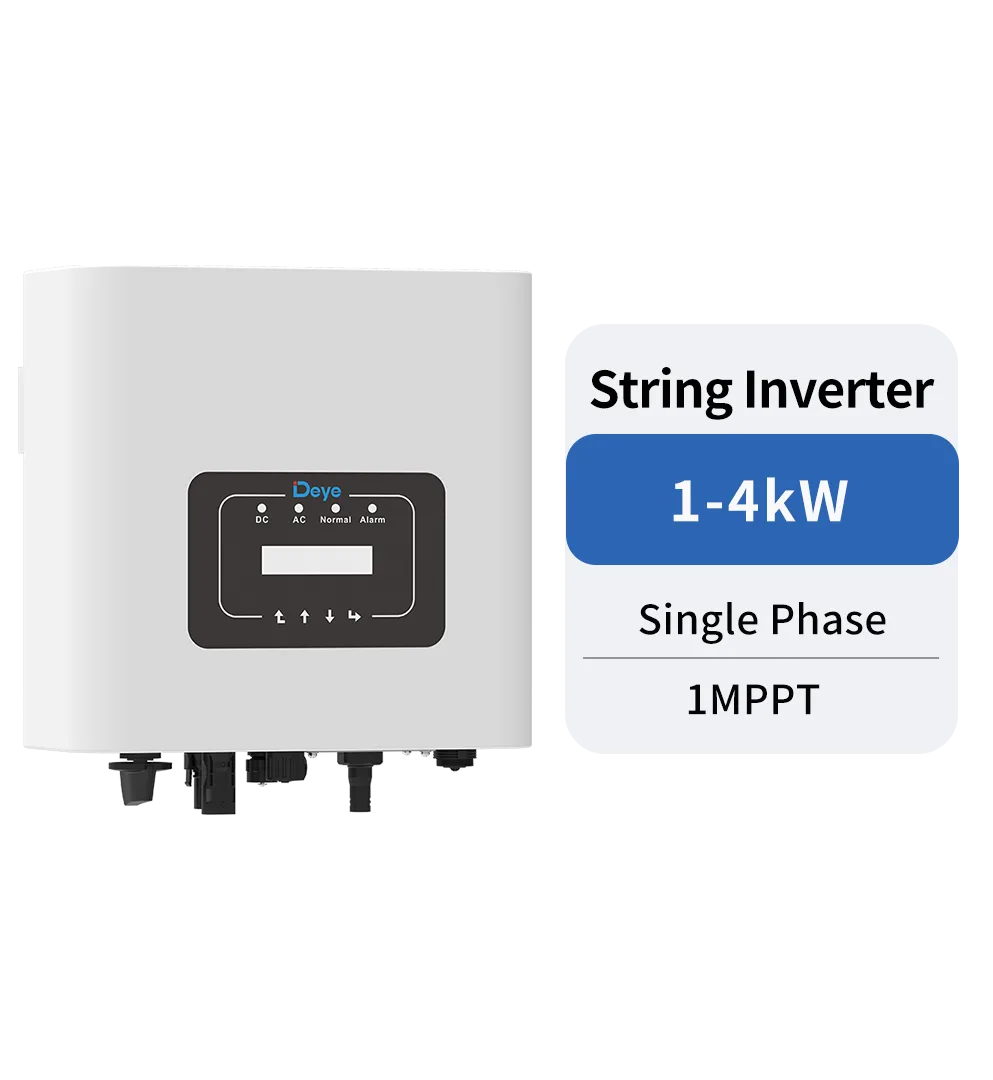
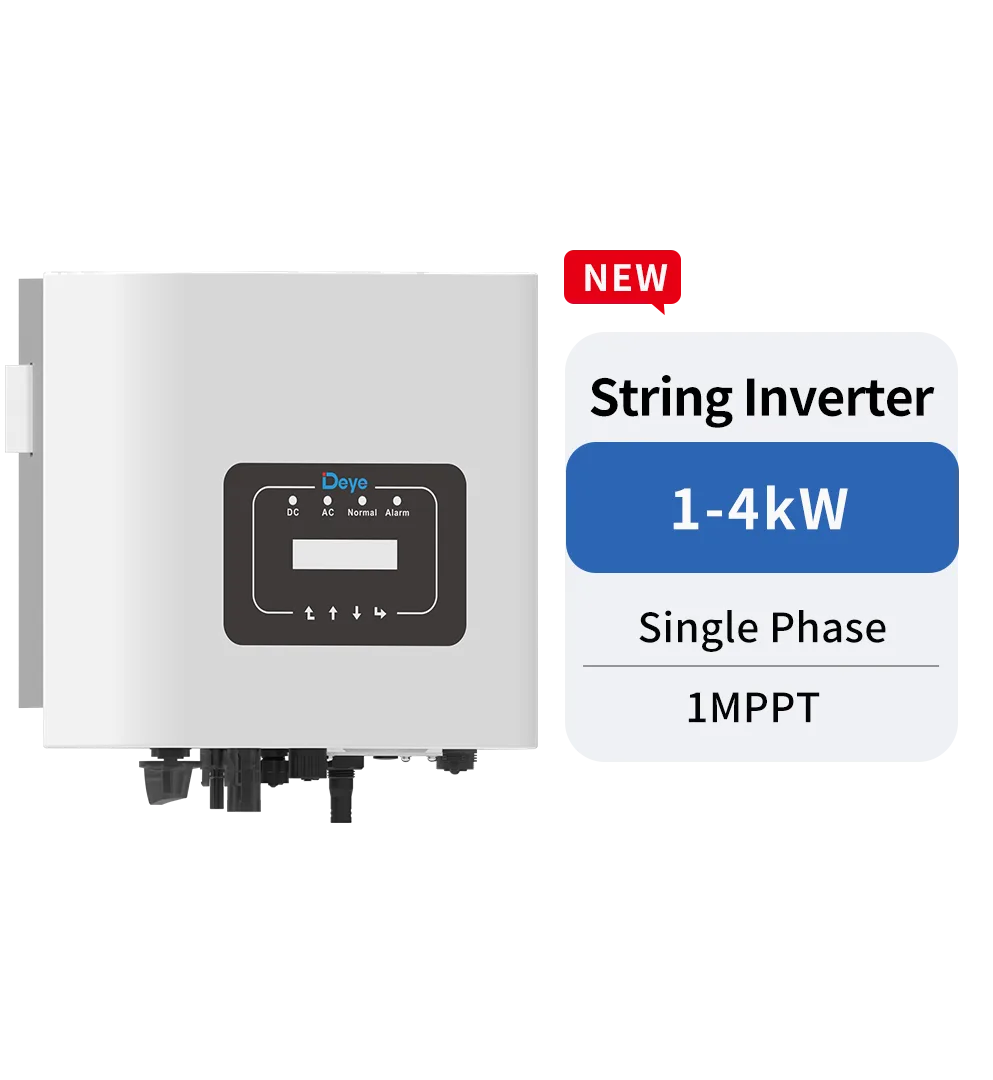
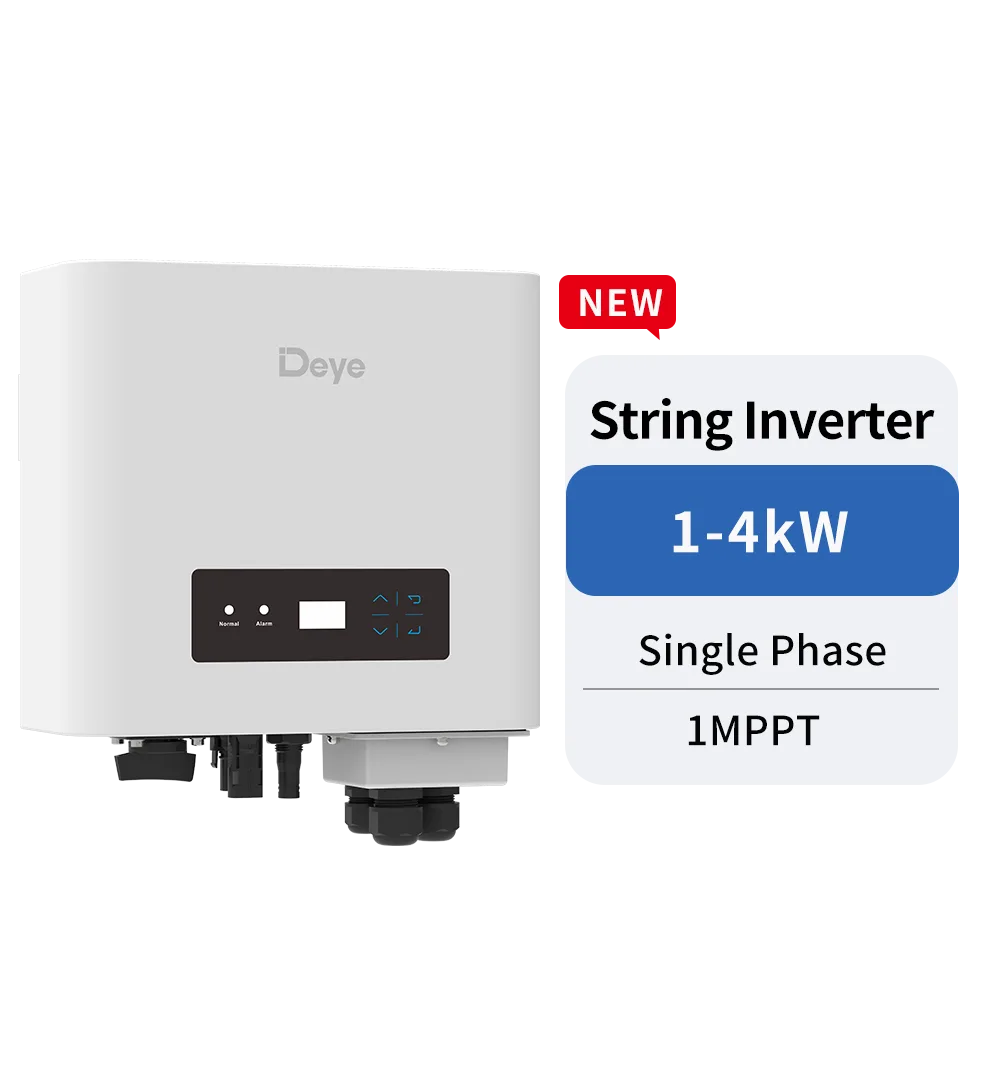
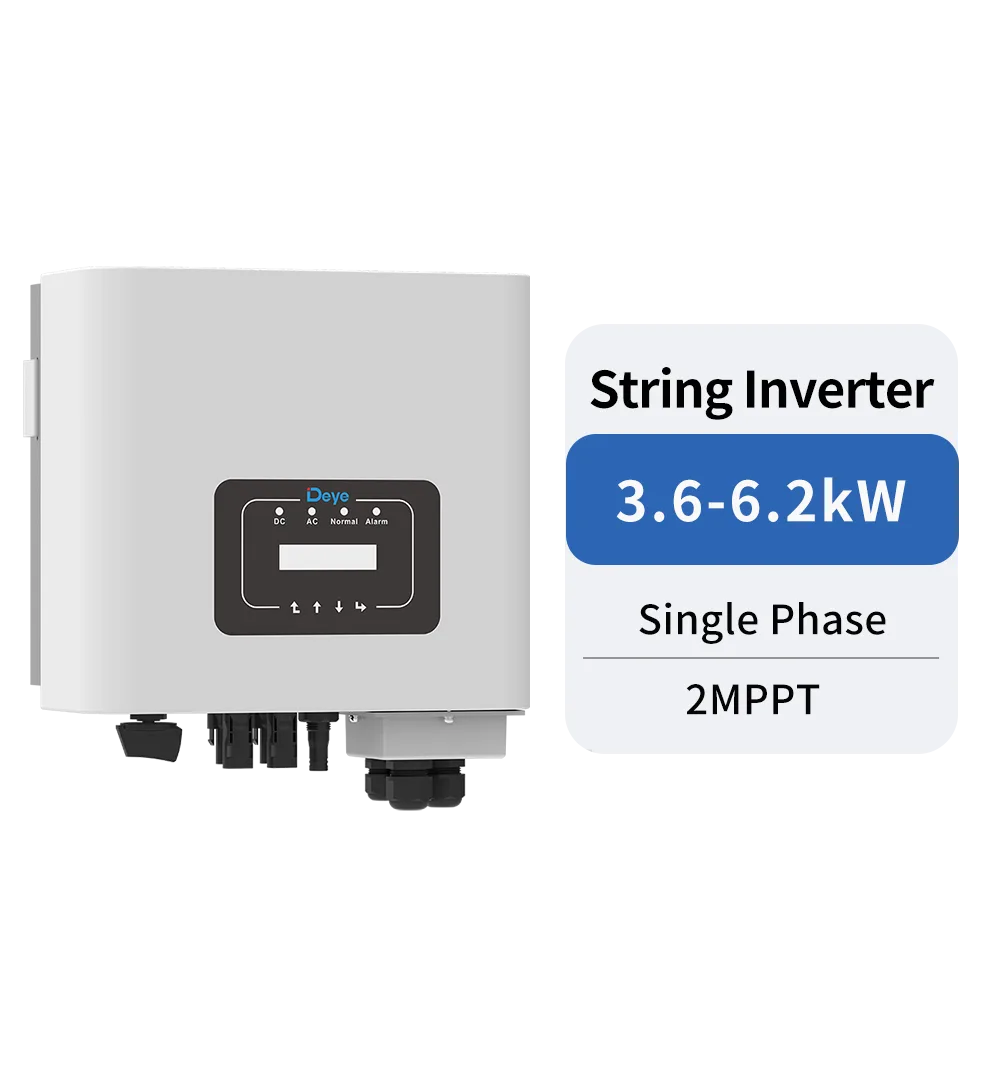
Displayed 1–10.5 kW family descriptors include one- and two-MPPT routes. Confirm nominal AC, maximum DC voltage, MPPT window, input current, string count and exact regional suffix.
Residential and light-C&I three-phase
Displayed families begin around 3 kW and extend through mid-power ranges. Compare AC voltage, MPPT count, current per input, protection, communication and the approved grid package.
Commercial and larger three-phase
Displayed source families extend to 136 kW and up to eight MPPT labels. Confirm array blocks, string current, DC/AC ratio, collection voltage, transformer/interface, protection and site design.
127/220 V and regional variants
Low-voltage 127/220 V and Bangladesh-labelled pages are distinct catalogue routes. Do not transfer their voltage, grid, certificate or availability assumptions to a standard or other-market model.
RFQ selection checks
Six checks before shortlisting a Deye string inverter
A useful comparison connects the exact source model to the module strings, AC collection system, grid requirements, site environment and project documents.
AC phase, voltage and site role
State residential or C&I use, country, phase, nominal voltage/frequency, service/transformer arrangement, grounding, export control and the local grid/authority requirements.
Module and string calculations
Provide exact module electrical data, minimum/maximum temperature, string length and count; verify cold Voc, hot Vmp, Isc/Imp and input-current limits for the exact inverter.
MPPT and roof/field layout
Map orientations, tilts, shading and string groups to the exact number of MPPTs and inputs. A higher MPPT count does not replace a documented string allocation.
DC/AC power and clipping basis
State installed DC power, target AC rating and the responsible energy/design assumptions. Do not select from nominal kW or a generic oversizing ratio alone.
Protection, monitoring and accessories
Confirm integrated and external DC/AC protection, isolators, SPD, AFCI or other optional features where required, meters/CTs, datalogger, export control, communications and firmware.
Grid files and commercial status
Request the exact datasheet, manual, certificate/grid-code references, settings record, warranty, accessories, labels and serial traceability; confirm availability, lead time and substitution in writing.
Design and market boundaries
A string inverter family page is not a completed electrical design
Final suitability depends on the exact module strings, temperatures, AC system, grid code, firmware, protection and destination documentation.
Power does not prove string compatibility
Models with similar kW can differ in maximum DC voltage, MPPT window, current per input, string count, AC voltage, protection and grid package. Verify the complete model-level design.
MPPT count needs an array map
One to eight MPPT labels describe hardware grouping, but orientations, shading, current balance and string allocation still require project calculation and the exact manual.
Low-voltage variants are not universal
A 127/220 V or other low-voltage label is an AC-system constraint, not a broader compatibility benefit. Confirm site voltage, conductor/current design, transformer and grid acceptance.
Regional pages do not grant destination approval
Bangladesh or other market-labelled pages, certificates and settings apply only within their stated scope. Confirm exact model, firmware, grid code, authority and current supply channel.
Continue the project review
Connect the string inverter shortlist to a commercial PV design
Use the rooftop solution for system context and the inverter guide to distinguish on-grid duties from hybrid and off-grid operation.
Commercial rooftop solar solution
Review how roof sections, modules, string inverters, protection, monitoring, project documents and local EPC responsibilities form one procurement package.
Review solution context
Hybrid, on-grid and off-grid inverter guide
Use the operating-role, DC input, AC, grid, protection and document checks before approving a string inverter model.
Read the buyer guide
Deye string inverter FAQ
Questions to resolve before selecting an on-grid string platform
These answers organize procurement; final PV/AC design, grid settings, protection, commissioning and authority acceptance remain project-specific.
How should Deye string inverter power be matched to a PV array?
Use the approved module/string design, site temperatures, maximum DC voltage, MPPT window, input current and string count, expected energy/clipping basis, AC service and local rules. Nominal inverter kW or a generic DC/AC ratio alone is not enough.
Why do MPPT and input-current values matter?
They determine how strings with different orientation or shading can be grouped and whether module operating and short-circuit currents remain inside the exact input limits. Verify every MPPT/input against the module and temperature calculation.
Can a Deye 127/220 V string inverter be used on any three-phase site?
No. Confirm the site's exact phase-to-phase and phase-to-neutral voltage, frequency, grounding, current and conductor design, transformer/service arrangement, grid code, protection and authority acceptance. Similar power does not make AC voltages interchangeable.
What should a Deye string inverter RFQ include?
Include destination, exact model or target kW, phase/voltage/grid code, module and string schedule, temperatures, MPPT allocation, DC/AC ratio basis, protection and monitoring, requested files/certificates, quantity, delivery target and substitution rules.
Deye string inverter procurement
Deye String Inverters for Residential and C&I PV Projects
Compare 31 displayed source pages spanning 1–136 kW family ratings, single-phase and three-phase AC, 1–8 MPPT labels, standard-voltage and 127/220 V low-voltage variants, plus regional product suffixes. Rated power alone does not establish string compatibility or market acceptance. Preserve the exact model code and confirm DC voltage/current, MPPT allocation, AC system, grid code, protection, communication, certificates, firmware, project accessories and current availability.
Prepare a Deye string inverter RFQ from the electrical design
Send the destination and grid, module/string schedule, temperatures, phase/voltage, MPPT allocation, target AC power, protection/monitoring, documents, quantity and delivery target.