
Compare the eight displayed Deye microinverter pages
Open an exact page for source-derived model content, then confirm module/input compatibility, AC branch design, monitoring accessories, grid/shutdown evidence, current files, warranty scope, availability and order terms.
Displayed module-level routes
Separate input count, AC output and micro-hybrid scope
Microinverter family power is not enough to establish module or branch compatibility. Compare the exact MPPT/input architecture and required system accessories.
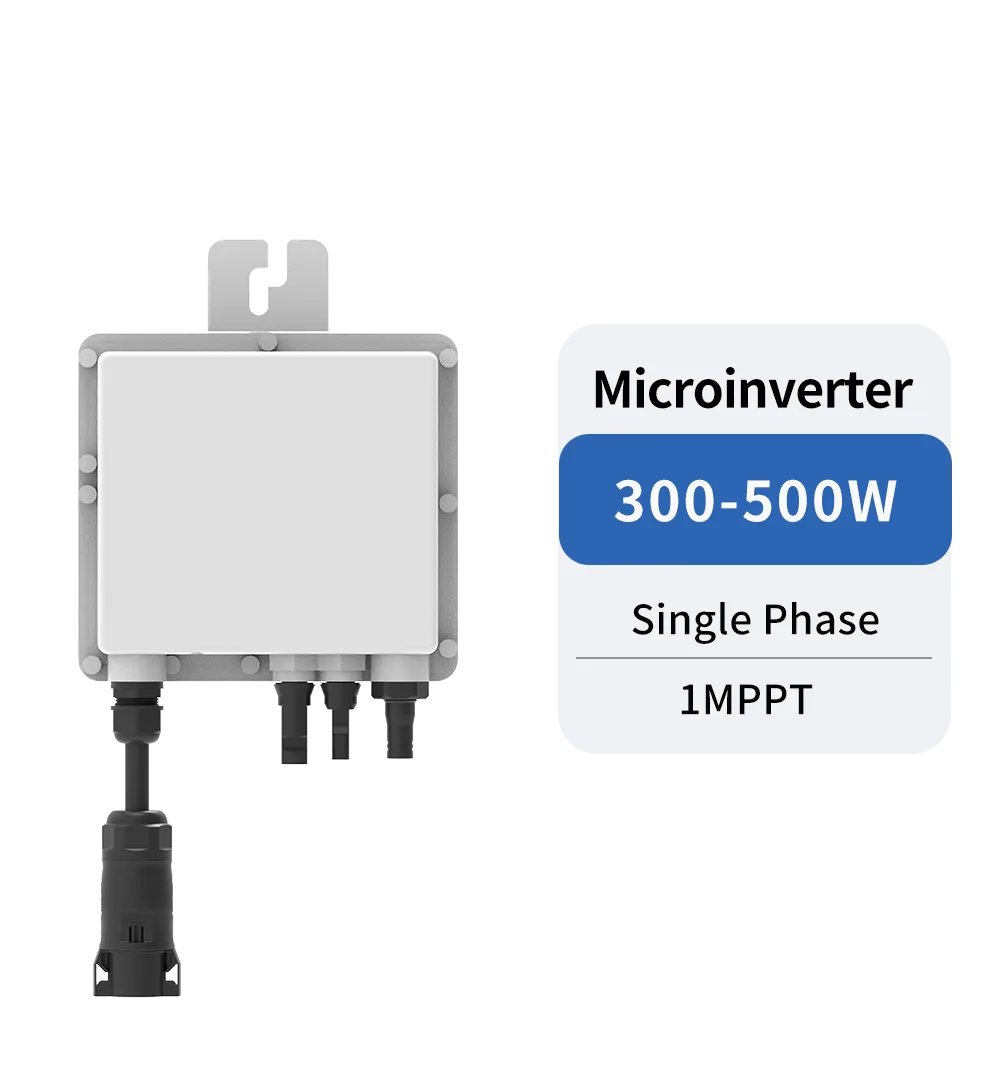
Single-input 300–500 W families
Displayed source descriptors include one MPPT routes for a module-level architecture. Confirm module Voc/Vmp/Isc/Imp, temperature limits, connector/cable, AC output and branch quantity for the exact model.
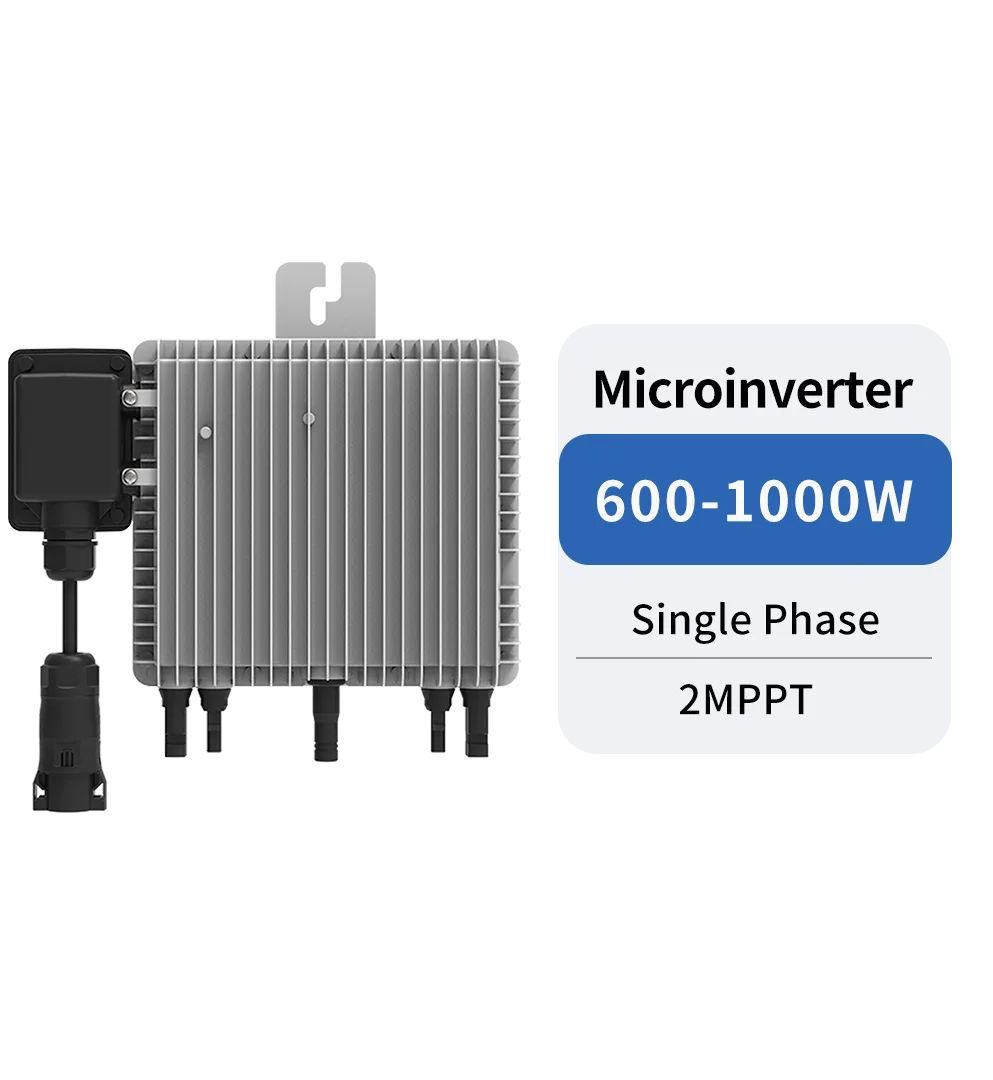
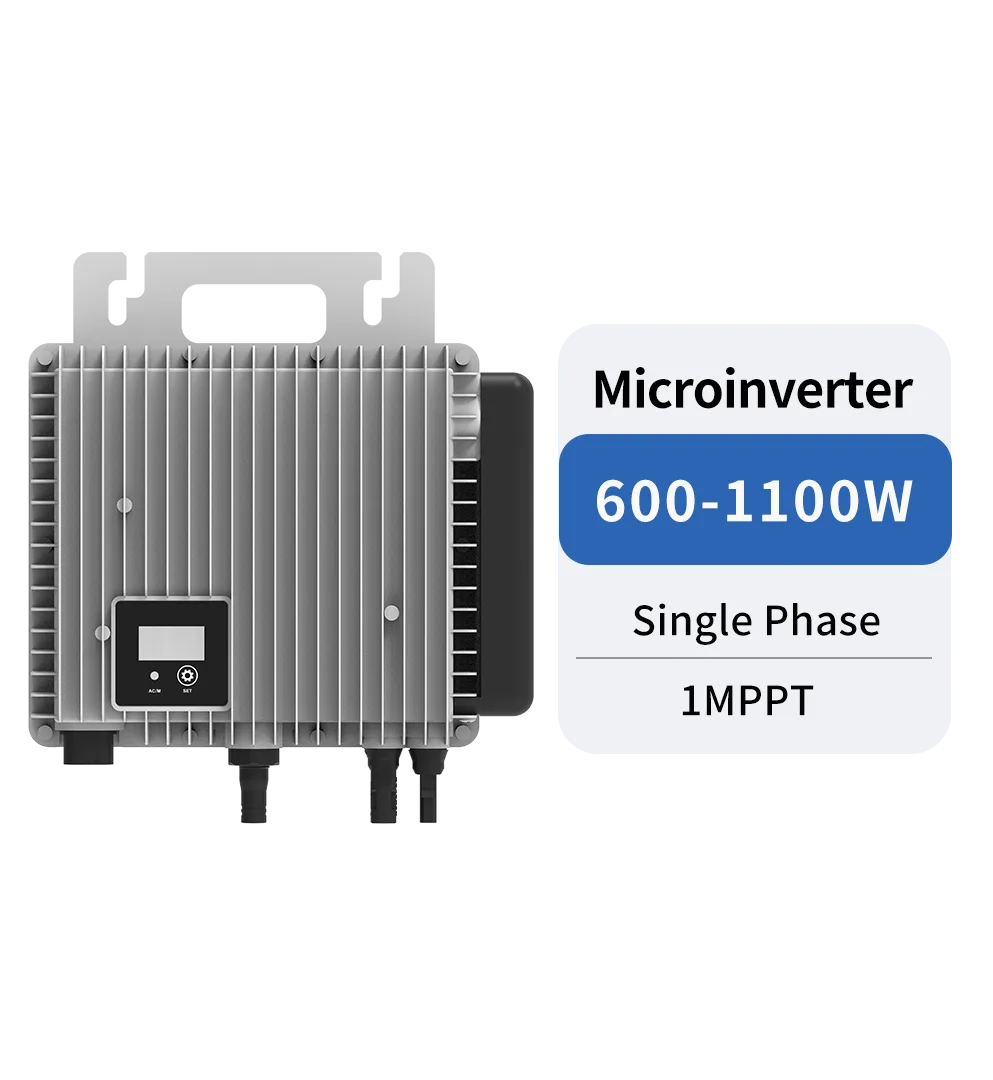
Two-input 600–1100 W families
Displayed pages include one- or two-MPPT labels depending on the family. Verify whether PV inputs are independently tracked, module-current limits, cabling, communication and exact suffix.
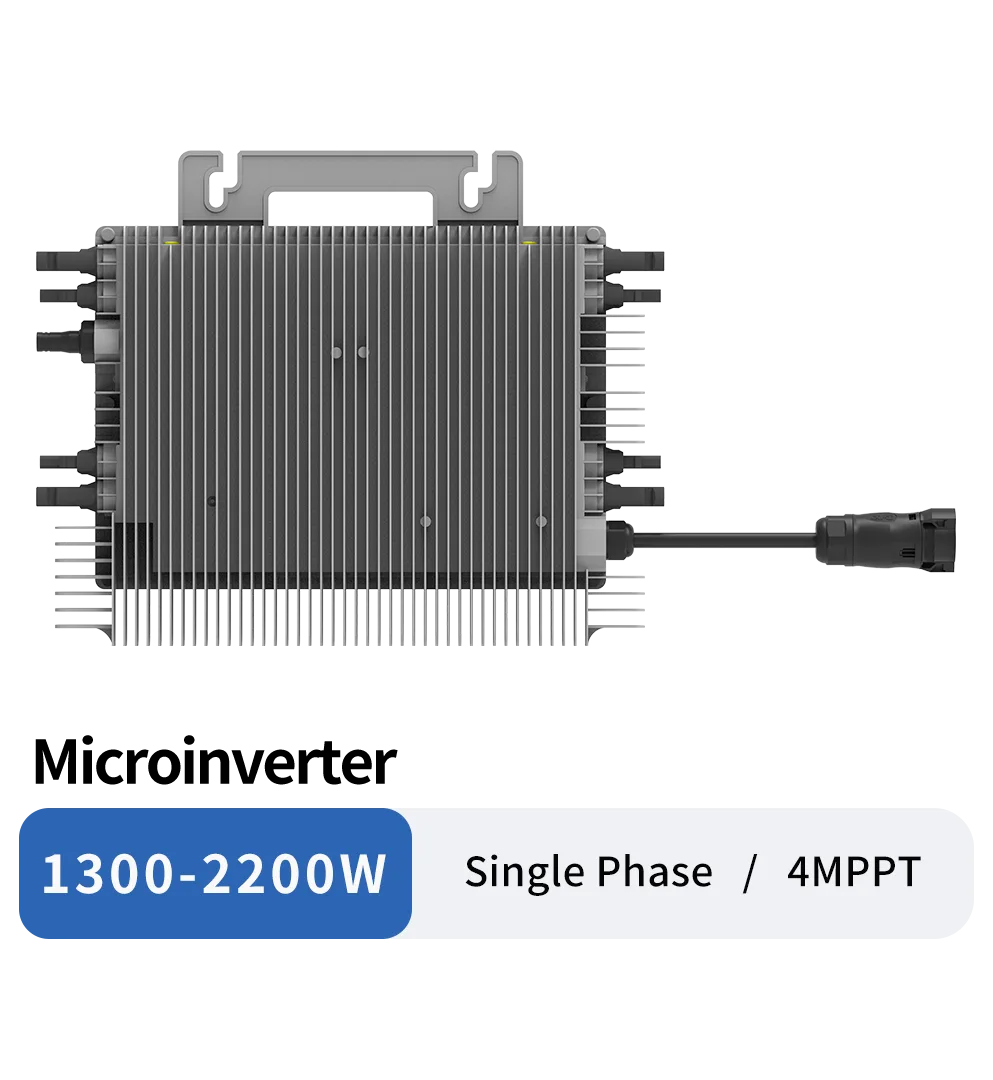
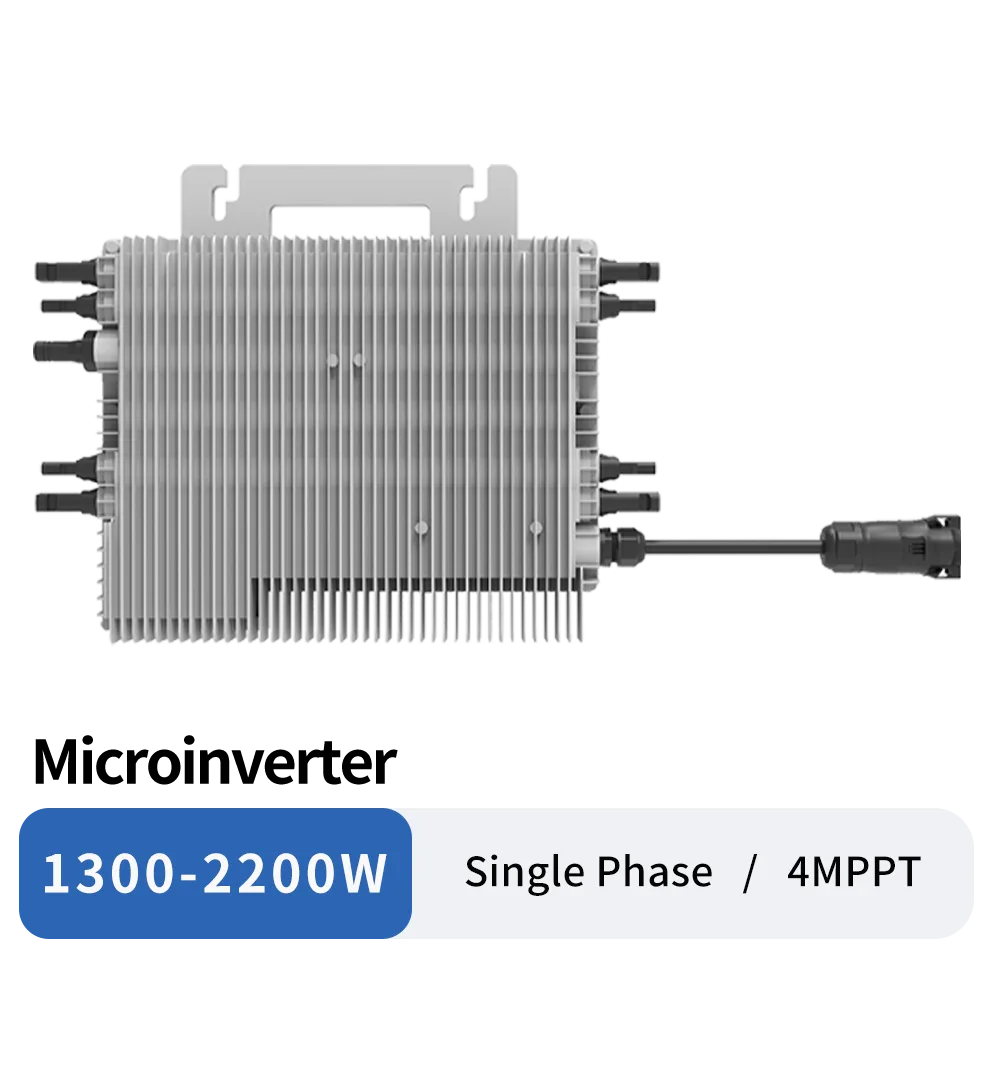
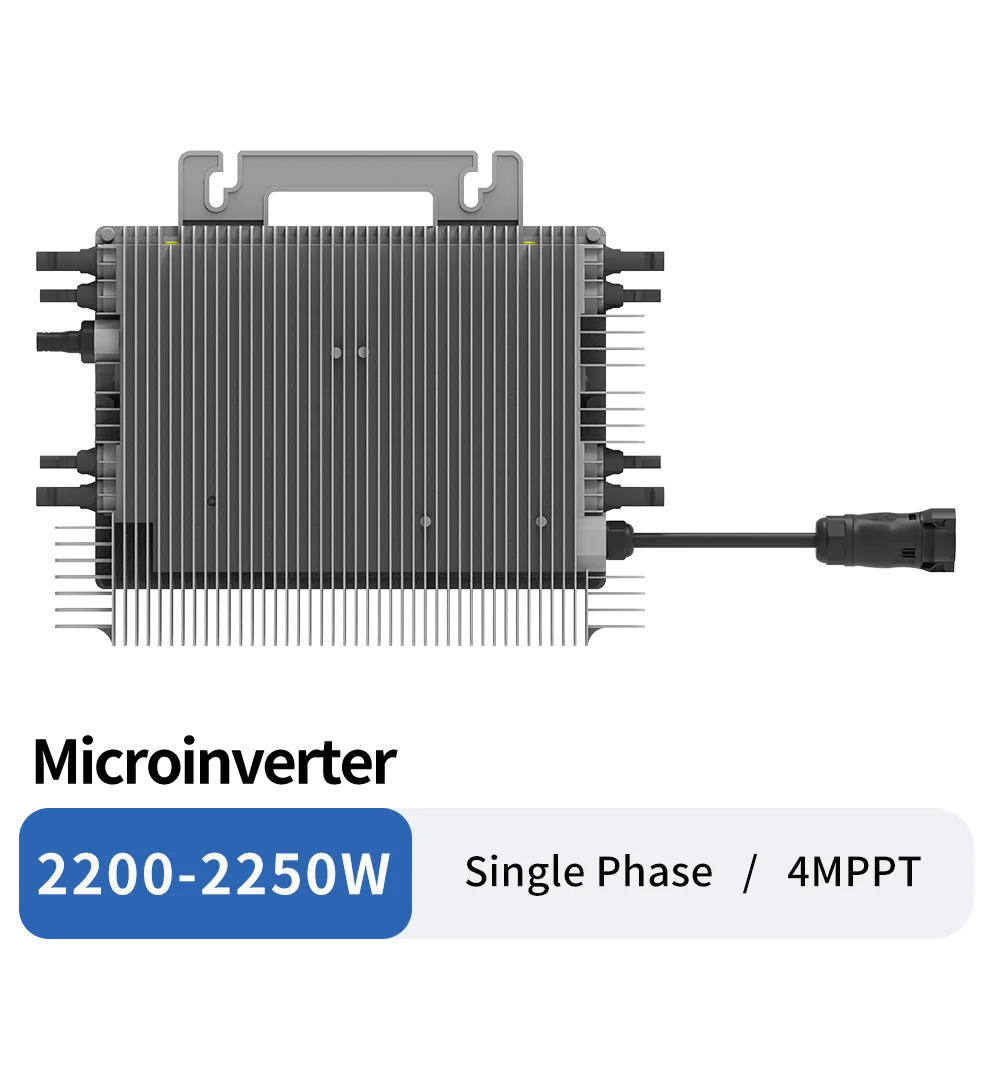
Four-MPPT 1300–2250 W families
Displayed higher-power pages use four-MPPT source labels. Confirm permitted module count/power/current per input, AC branch design, trunk/cable accessories, monitoring and regional documents.
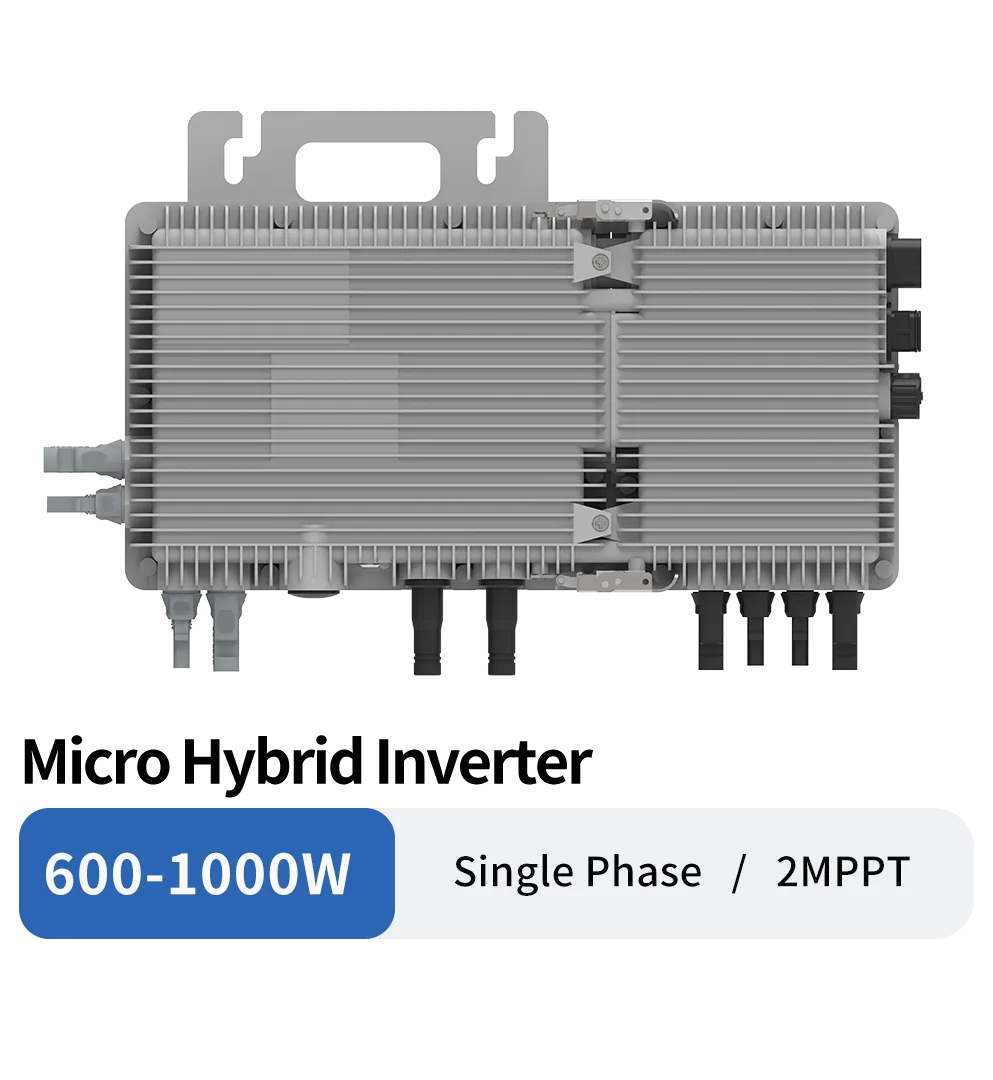
Micro-hybrid category exception
One displayed page is described as a 600–1000 W micro hybrid inverter with battery/backup-related functions. Treat it as a separate architecture requiring exact battery, CT/switch, backup and system review.
Module-level design checks
Six checks before shortlisting a Deye microinverter
A complete request matches each PV input and AC branch to the modules, roof layout, grid, monitoring and installation environment.
Module electrical compatibility
Provide exact module Voc/Vmp/Isc/Imp, power and temperature coefficients; verify maximum input voltage/current, MPPT range and any stated module guidance for every input.
Input and MPPT architecture
Confirm module count, whether inputs have independent MPPT, orientation/shading, connector assignment and the exact model rather than inferring from total AC power.
AC branch and conductor design
Provide nominal voltage/frequency, units per branch, cable/trunk type, connector, current, voltage drop, breaker/RCD and isolation/protection design according to the exact manual and local code.
Monitoring and export control
Define module-level monitoring, Wi-Fi or other communication, gateway/logger, meter/CT, anti-backflow/export limit and network requirements; confirm which accessories are included or separate.
Grid, shutdown and installation rules
Request exact grid certificate/settings and rapid-shutdown or discharge evidence where required; confirm roof access, attachment, cable support, connector protection, earthing and service method.
Documents and commercial scope
Request the exact datasheet, manual, certificate references, warranty terms, accessories/BOM, labels, serial monitoring process, spare strategy, availability, quantity and substitution control.
Module and compliance boundaries
Module-level electronics still require system-level electrical design
Monitoring, shutdown and simplified module matching are model features within a complete AC, protection, communication and approval architecture.
AC watts do not define module compatibility
Check input voltage/current and MPPT range at site temperatures, module power guidance, connector and input count. A module's nameplate power alone cannot approve the pairing.
MPPT labels need exact input mapping
One, two or four MPPT descriptors do not by themselves show connector assignment or independent tracking behavior. Use the exact datasheet/manual and array plan.
Rapid shutdown and grid claims are scoped
Any shutdown, discharge, relay, NS protection or grid statement applies only to the named model, firmware, accessories, test/certificate and destination requirements.
Micro hybrid is a different system
Battery, backup, wireless CT/switch or BMS functions on the micro-hybrid page should not be transferred to ordinary microinverter families or treated as a complete storage system.
Continue the system review
Connect module-level conversion to the residential PV scope
Use the residential solution for roof, modules, protection and backup context, then use the inverter guide to separate micro, hybrid and conventional on-grid roles.
Residential solar and backup solution
Review how roof conditions, modules, power conversion, battery/backup where required, protection and local installer responsibilities fit one procurement package.
Review solution context
Hybrid, on-grid and off-grid inverter guide
Use operating role, PV input, AC system, grid, backup and document checks before choosing a module-level inverter architecture.
Read the buyer guide
Deye microinverter FAQ
Questions to resolve before approving a module-level platform
These answers support model comparison; final module pairing, AC branch, roof wiring, protection, grid compliance, monitoring and installation remain project-specific.
How do I match a solar module to a Deye microinverter?
Compare the exact module's cold Voc, operating Vmp, Isc/Imp, power and temperature coefficients with the microinverter's maximum input voltage/current, MPPT range, stated module guidance, connector and input architecture. Repeat the check for every input and site condition.
Does total microinverter wattage show how many modules it supports?
No. Confirm the number of physical inputs, whether they have independent MPPT, permitted module power/current/voltage, connector mapping and exact manual. Two models with similar AC watts can support different module arrangements.
Are monitoring, rapid shutdown and anti-backflow included on every Deye microinverter?
Do not generalize those functions. Confirm the exact model, firmware, gateway/logger, meter/CT, wireless or wired accessories, certificate/test scope and destination rules, and identify which items are included or ordered separately.
What should a Deye microinverter RFQ include?
Include destination and grid, exact module and quantity, roof orientations, target microinverter model, inputs/MPPT mapping, units per AC branch, cables/connectors/protection, monitoring and export control, shutdown requirements, files/certificates, quantity and delivery target.
Deye microinverter procurement
Deye Microinverters for Module-Level PV Architectures
Compare eight displayed source pages spanning 300–2250 W family ratings and one-, two- or four-MPPT labels, plus one page described as a micro hybrid inverter. The source catalogue includes EU-labelled model suffixes and model-specific monitoring, communication, shutdown, relay, anti-backflow, battery or backup functions. Confirm the exact module input, AC branch design, cable/connectors, gateway or meter, grid package, rapid-shutdown evidence, installation rules, warranty file and market availability.
Prepare a Deye microinverter RFQ by module and AC branch
Send the module data and layout, destination/grid, input mapping, units per branch, cable/protection design, monitoring/export control, shutdown evidence, documents, quantity and delivery target.