Compare the displayed energy storage system platforms

Open an exact platform page for its source-derived configuration, then confirm the selected battery, PCS, BMS, EMS, cooling and fire system, grid and backup interface, included equipment, documents, civil and electrical scope, transport, commissioning, warranty, availability, and price.

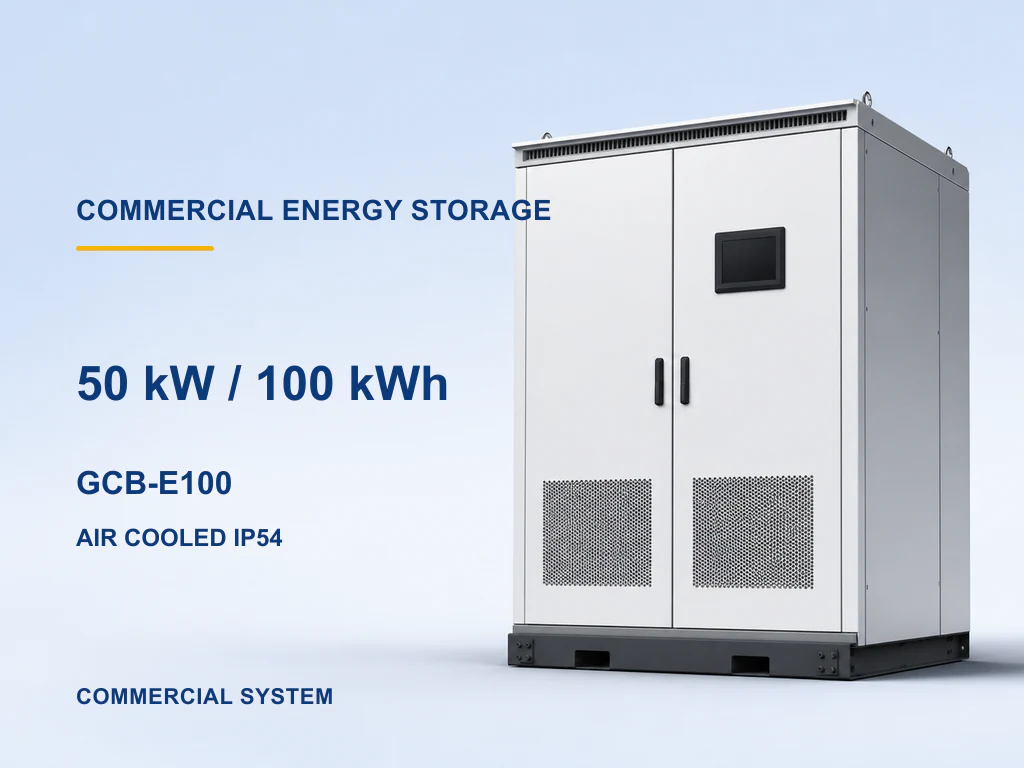
GCB-E100 50kW / 100kWh C&I Energy Storage Cabinet product image

GCB-E100 50kW / 100kWh C&I Energy Storage Cabinet

50 kW rated charge and discharge power / 112.53 kWh / 100.35 kWh, depending on the selected 314 Ah / 280 Ah battery option air-cooled commercial & industrial energy storage cabinet for c&i peak shaving, solar self-consumption and backup support.

View Details
Displayed ESS platforms

Choose the system scale and supply boundary before kW or kWh

The current pages span residential equipment, C&I cabinets, and containers. The word integrated or all-in-one does not guarantee that every required battery, conversion, control, safety, grid, transformer, installation, or commissioning item is included.

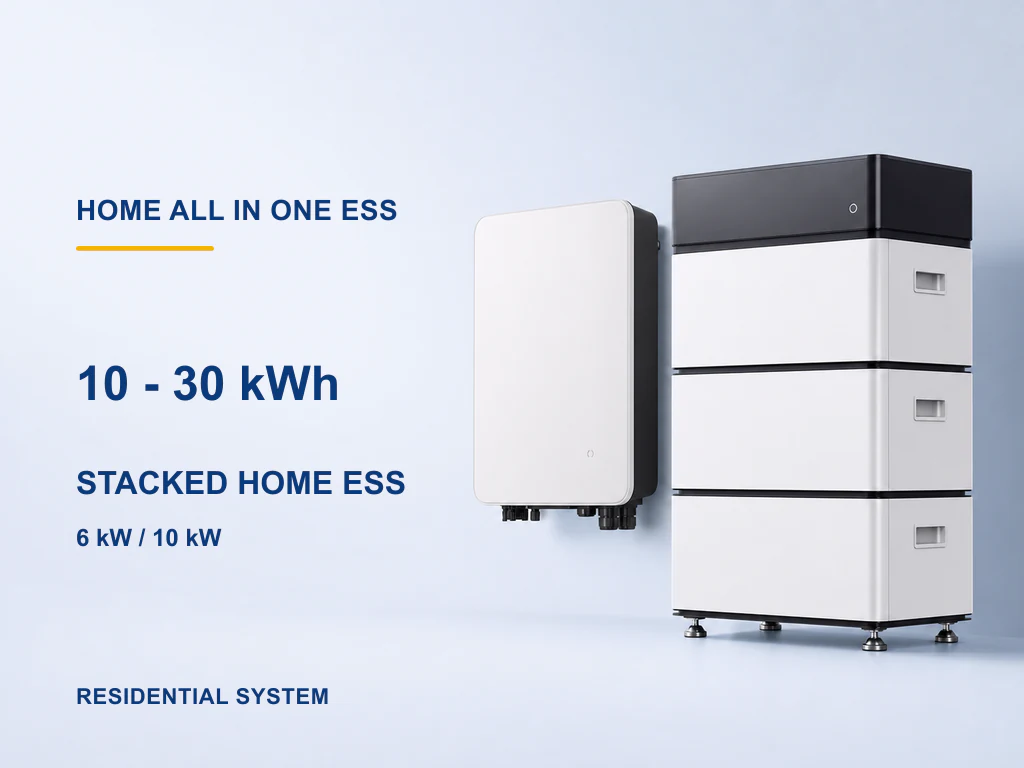
Residential all-in-one · 6–10 kW / 10–30 kWh

One indoor IP20 stacked inverter-and-battery platform. Confirm exact inverter, modules, BMS, backup circuits, PV input, parallel limits, protection, installation, grid settings, and accessories.

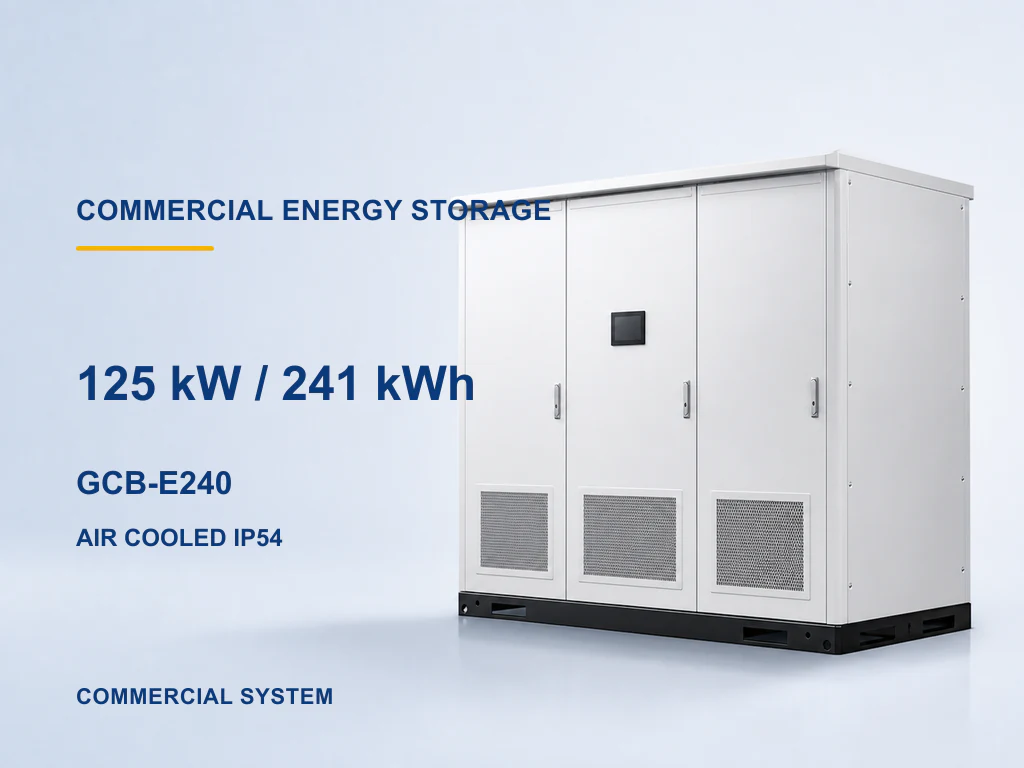
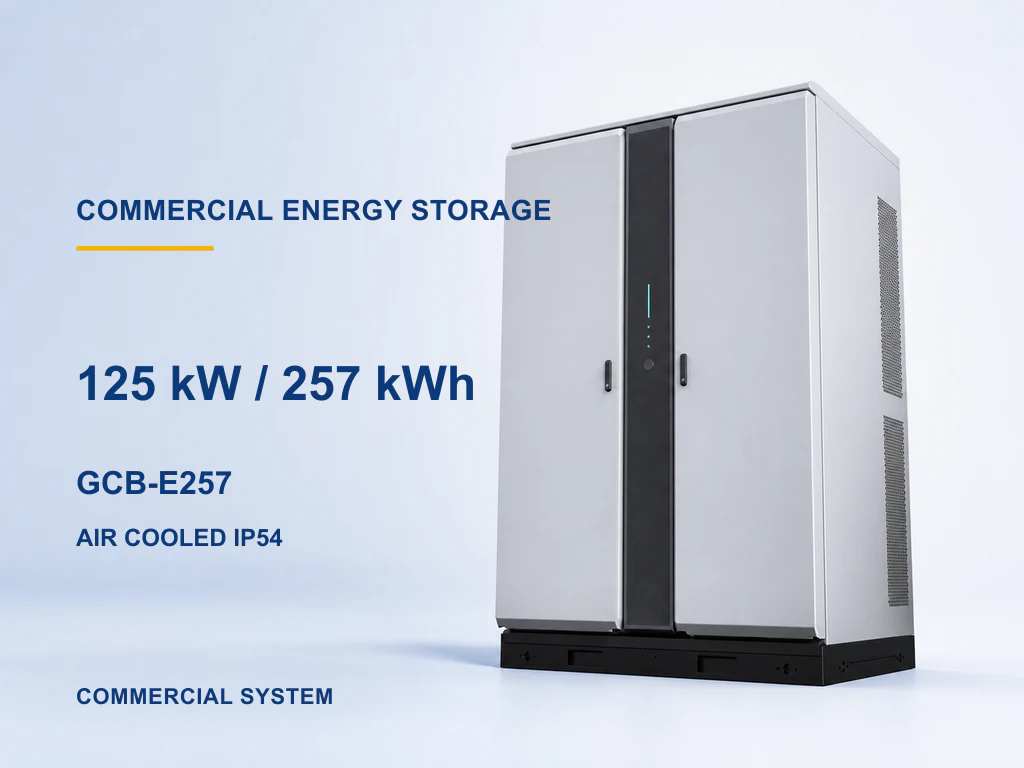
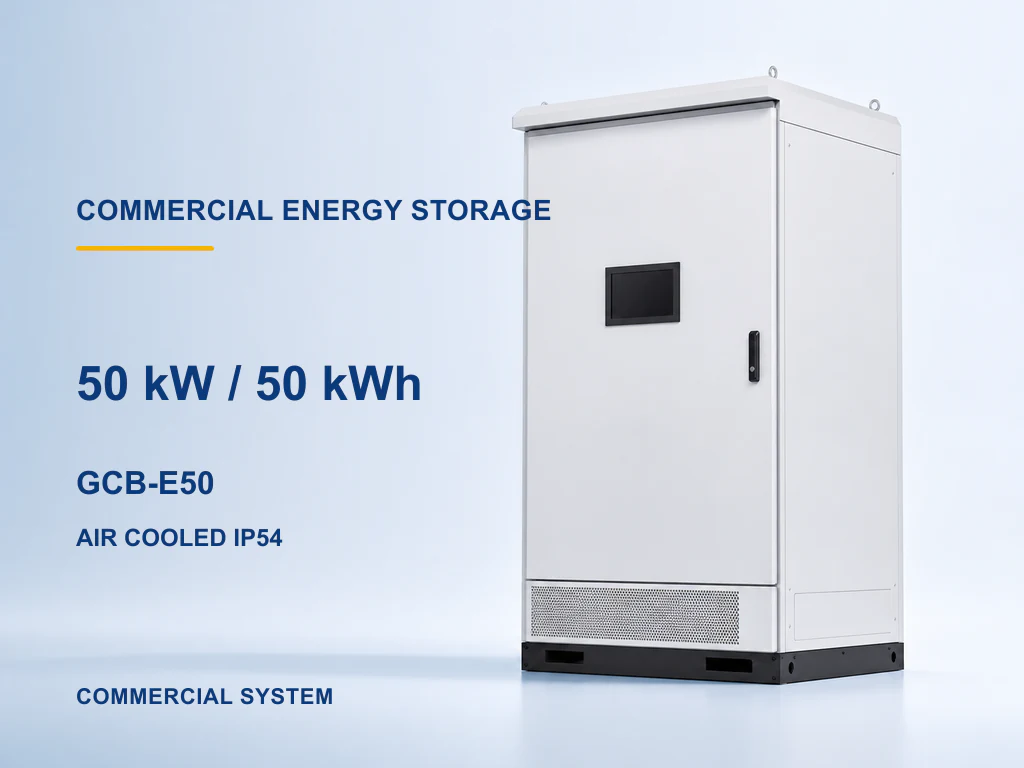
Air-cooled C&I cabinets · 50–125 kW / 50–257 kWh

Four cabinet pages with different battery, voltage, PCS, AC, cooling, fire, communication, mass, and energy options. Fix the exact configuration and whether PCS or PV interface is included.

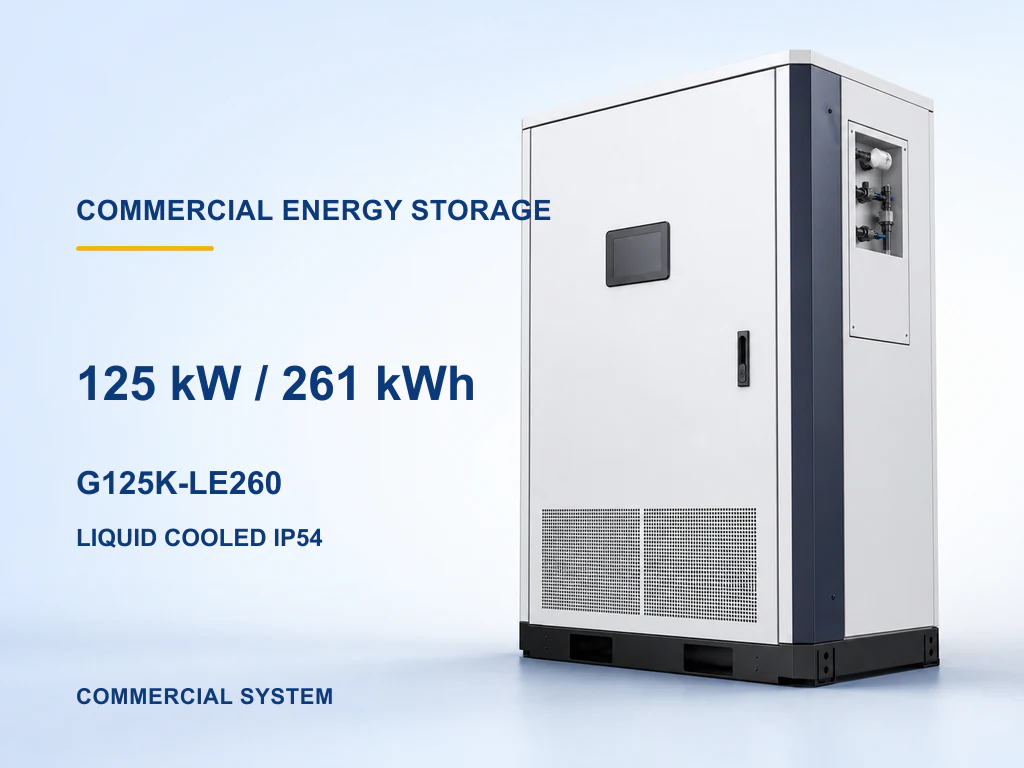
Liquid-cooled C&I cabinet · 125 kW / 261 kWh

One high-utilisation cabinet page with source-derived liquid cooling and fire-detection details. Exact AC PCS, coolant service, safety configuration, approvals, and transport require project quotation.

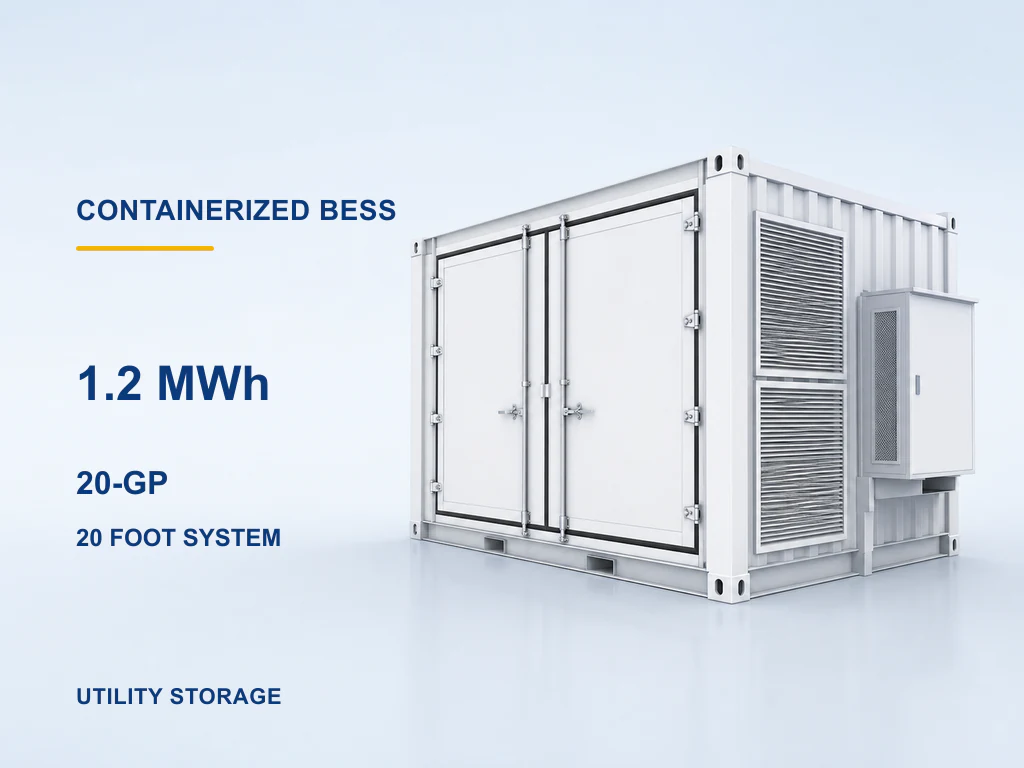
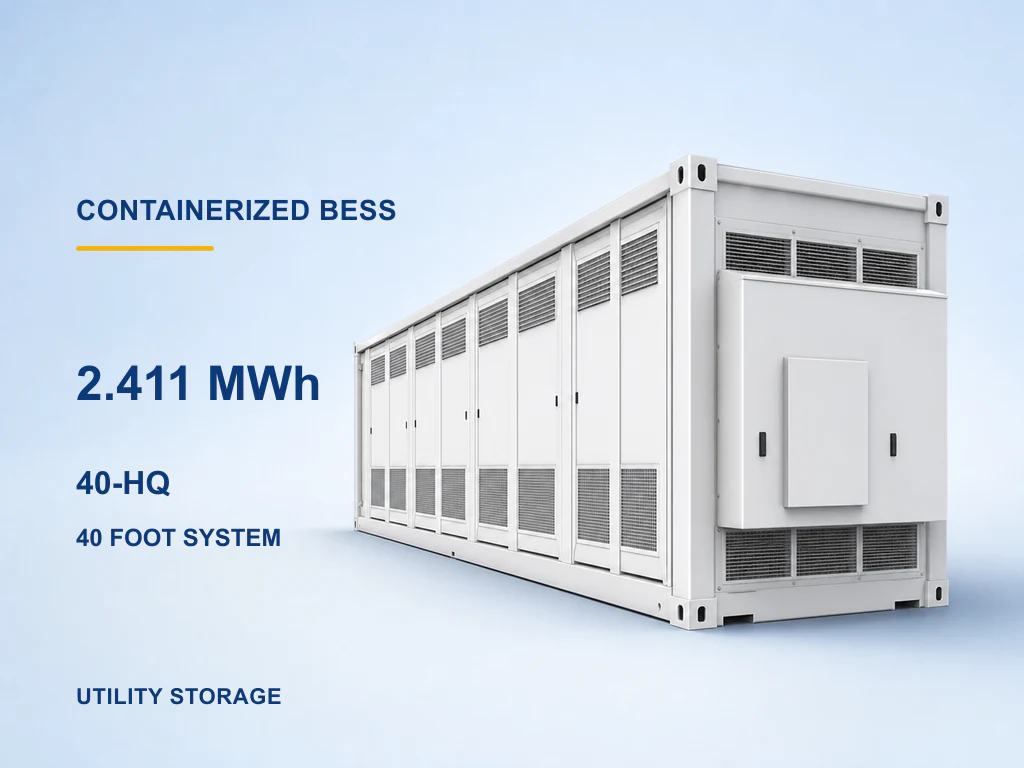
Containerized BESS · 1.2–2.411 MWh

Two 20-foot and 40-foot platforms. PCS, transformer, MV switchgear, HVAC, fire strategy, auxiliary power, controls, foundation, lifting, transport route, grid code, and site integration are project scope.

ESS technical shortlist

Six workstreams before an energy storage system RFQ

ESS procurement begins with an operating objective and responsibility matrix. Battery energy, power conversion, controls, thermal and fire design, AC or MV interfaces, logistics, installation, testing, and long-term service must be reviewed together.

Objective, load and operating modes

Define backup, self-consumption, peak management, demand response, microgrid, generator reduction, renewable shifting, grid services, islanding, load profile, duration, cycles, and dispatch ownership.

Power, energy and degradation basis

Separate kW from kWh; confirm charge/discharge duration, usable DoD, C-rate, efficiency boundary, reserve, auxiliary loads, temperature, availability, degradation, augmentation, end-of-life, and warranty throughput.

Battery, BMS and DC architecture

Fix chemistry, cell and module configuration, DC voltage window, current, racks, strings, master BMS, balancing, isolation, fusing, contactors, PDU, alarms, emergency shutdown, monitoring, and service replacement.

PCS, EMS, grid and backup interface

Define PCS or inverter, AC voltage, transformer and switchgear, grid code, protection, power quality, EMS or controller, SCADA, meter, generator, STS or changeover, islanding, black start, and cybersecurity.

Thermal, fire and site safety strategy

Confirm air or liquid cooling, HVAC redundancy, coolant, detection, suppression, ventilation, gas and smoke strategy, compartmentation, emergency response, spacing, access, local fire review, and maintenance.

Civil, logistics, documents and commissioning

Review dimensions, mass, floor or foundation load, lifting, route survey, dangerous-goods transport, storage, drawings, certificates, FAT, SAT, grid tests, installation, training, spares, warranties, handover, and responsibility matrix.

ESS evidence boundaries

Separate a catalogue platform from an engineered, approved and commissioned ESS

The displayed pages are source-derived system platforms. Final battery and PCS configuration, included subsystems, performance basis, fire strategy, transport, grid approval, civil and electrical design, installation, commissioning, service, availability, and commercial obligations require project evidence.

All-in-one is not a universal scope statement

Battery, PCS, BMS, EMS, HVAC, fire system, switchgear, transformer, auxiliary power, metering, protection, controls, cables, installation, testing, and site works must be itemized.

A listed fire feature is not project fire approval

Detection or suppression wording does not establish hazard analysis, propagation evidence, ventilation, spacing, water strategy, emergency response, local code compliance, insurer acceptance, or authority approval.

Efficiency, cycles and lifespan need a defined boundary

Cell, battery pack, DC system, PCS, and AC system efficiency differ. Cycle life and years depend on DoD, C-rate, temperature, end-of-life threshold, duty cycle, augmentation, availability, and warranty terms.

Container format is not shipment or site readiness

Dimensions alone do not prove route, lifting, foundation, customs, dangerous-goods acceptance, transformer and MV fit, cable access, site storage, installation, grid tests, or commissioning readiness.

Continue the ESS review

Use the hybrid solution to define the full system boundary, then use the sizing guide to connect power, energy, load, duration, operating mode, losses, reserve, and degradation to a reviewable RFQ.

Energy storage system FAQ

Questions to close before selecting an ESS platform

These answers define an RFQ starting point. Final electrical, civil, thermal, fire, controls, grid, transport, installation, commissioning, local approval, performance, and warranty decisions remain project-specific.

What is the difference between a battery module and an energy storage system?

A battery module stores DC energy and normally needs additional BMS hierarchy, protection, enclosure, inverter or PCS, controls, and installation. An ESS combines some of those functions, but its exact scope still has to list battery, conversion, BMS, EMS, cooling, fire system, switchgear, transformer, auxiliary power, controls, cables, commissioning, and site works.

How should kW and kWh be used when selecting an ESS?

kW describes power and kWh describes energy. Select both from the load and operating objective, then account for usable DoD, C-rate, inverter and auxiliary losses, reserve, temperature, degradation, peak loads, charge source, required duration, availability, and duty cycle. A kWh number alone does not establish runtime.

Does an integrated fire-protection system make a cabinet approved for every site?

No. Confirm the exact detection and suppression configuration, test evidence, cell and module design, enclosure, ventilation, gas or smoke strategy, spacing, emergency response, local fire and building requirements, insurer or owner specifications, installation design, commissioning, and authority review.

What should an energy storage system RFQ include?

Include site and destination, operating objective, load profile, required kW/kWh and duration, cycles, PV and grid conditions, battery and PCS preference, AC or MV interface, backup and generator role, EMS and SCADA, thermal and fire requirements, environment, civil constraints, documents, transport, installation, commissioning, warranty, service, quantity, and schedule.

Energy storage system procurement

Energy Storage Systems for Residential, C&I and Containerized RFQs

Compare eight displayed energy storage platforms: one 10–30 kWh residential all-in-one system, four 50–257 kWh air-cooled C&I cabinets, one 125 kW / 261 kWh liquid-cooled cabinet, and two 1.2–2.411 MWh containerized systems. Confirm the exact battery, PCS or inverter, BMS, EMS, cooling, fire strategy, switchgear, transformer, grid and backup behavior, controls, enclosure, transport, site works, documents, and commissioning boundary before quotation.

Prepare an ESS RFQ from the operating objective and scope

Send the load and use case, kW/kWh, duration and cycles, PV and grid, battery and PCS, AC or MV interface, controls, backup, thermal and fire requirements, site, documents, logistics, commissioning, service, and schedule. Final configuration, scope, price, availability, and performance terms require project quotation.

Build Energy Storage RFQ
Chat with Us