
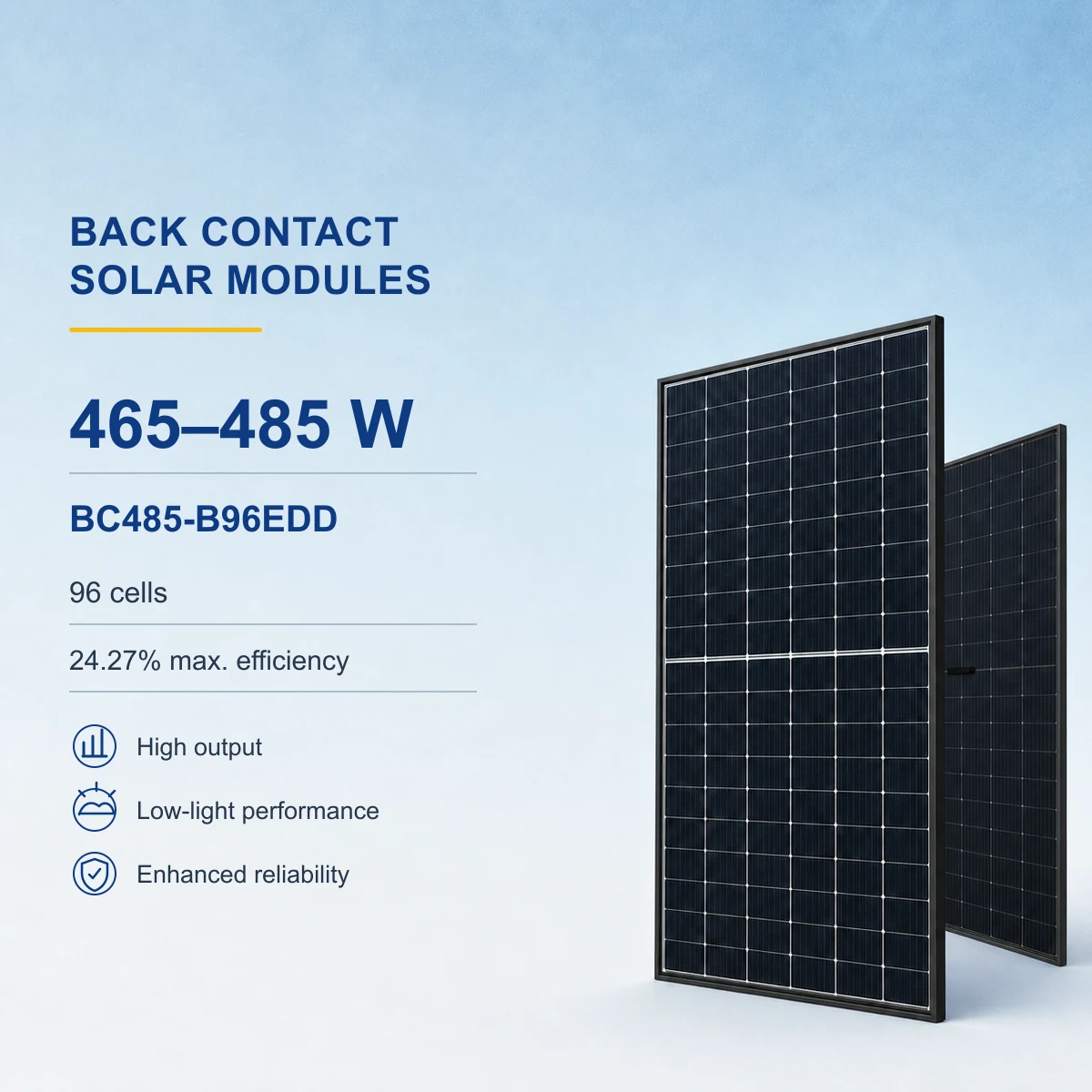
BC485-B96EDD Solar Module
Full electrical, working, mechanical, maximum-rating and packing parameters are extracted from the supplied datasheet for this product series.
465–485 W96 cellsEDD
View DetailsOpen the exact family page to review its power bins, electrical table, mechanical data, construction and available file. Keep the complete model code and suffix in the RFQ and approval record.
Full electrical, working, mechanical, maximum-rating and packing parameters are extracted from the supplied datasheet for this product series.
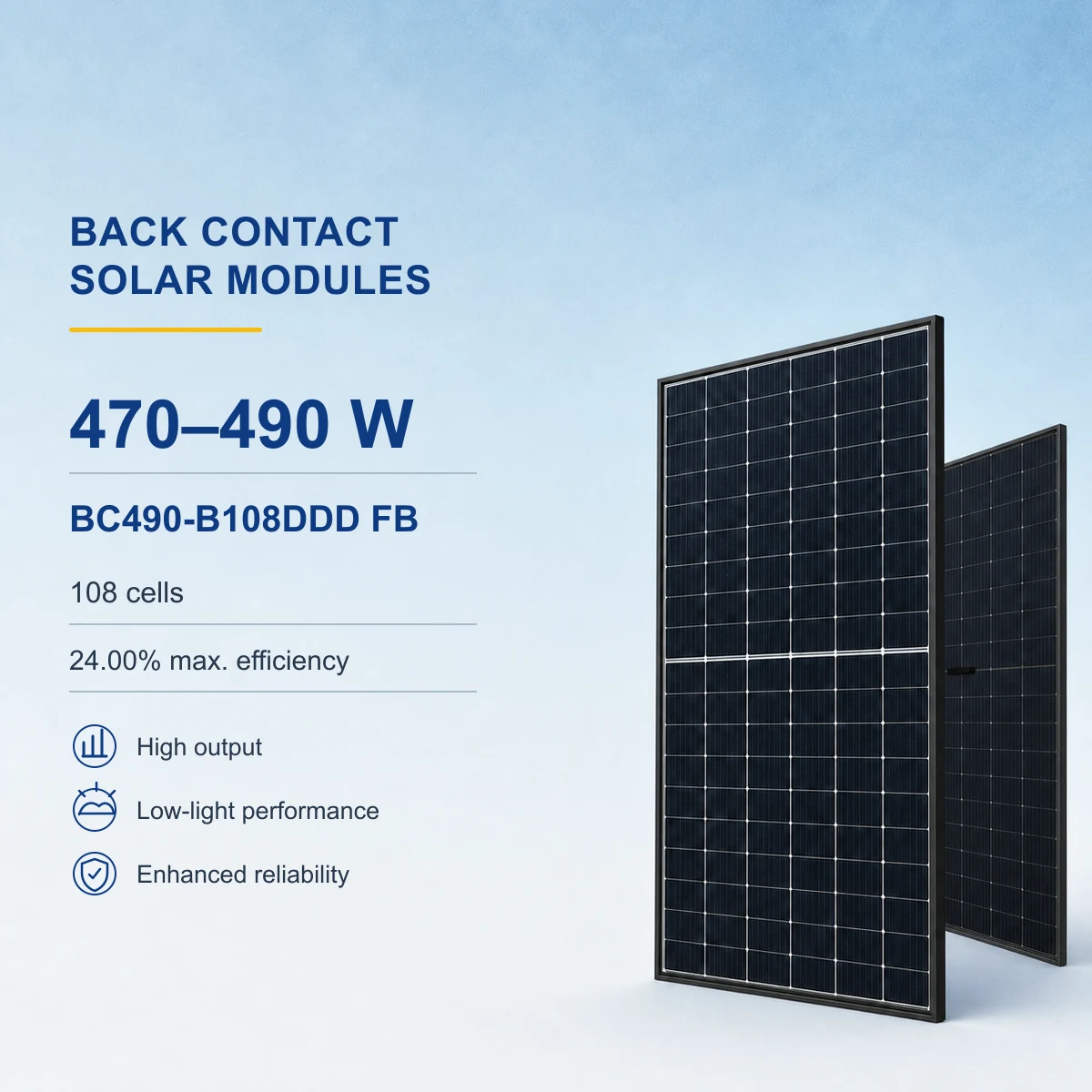
Full electrical, working, mechanical, maximum-rating and packing parameters are extracted from the supplied datasheet for this product series.
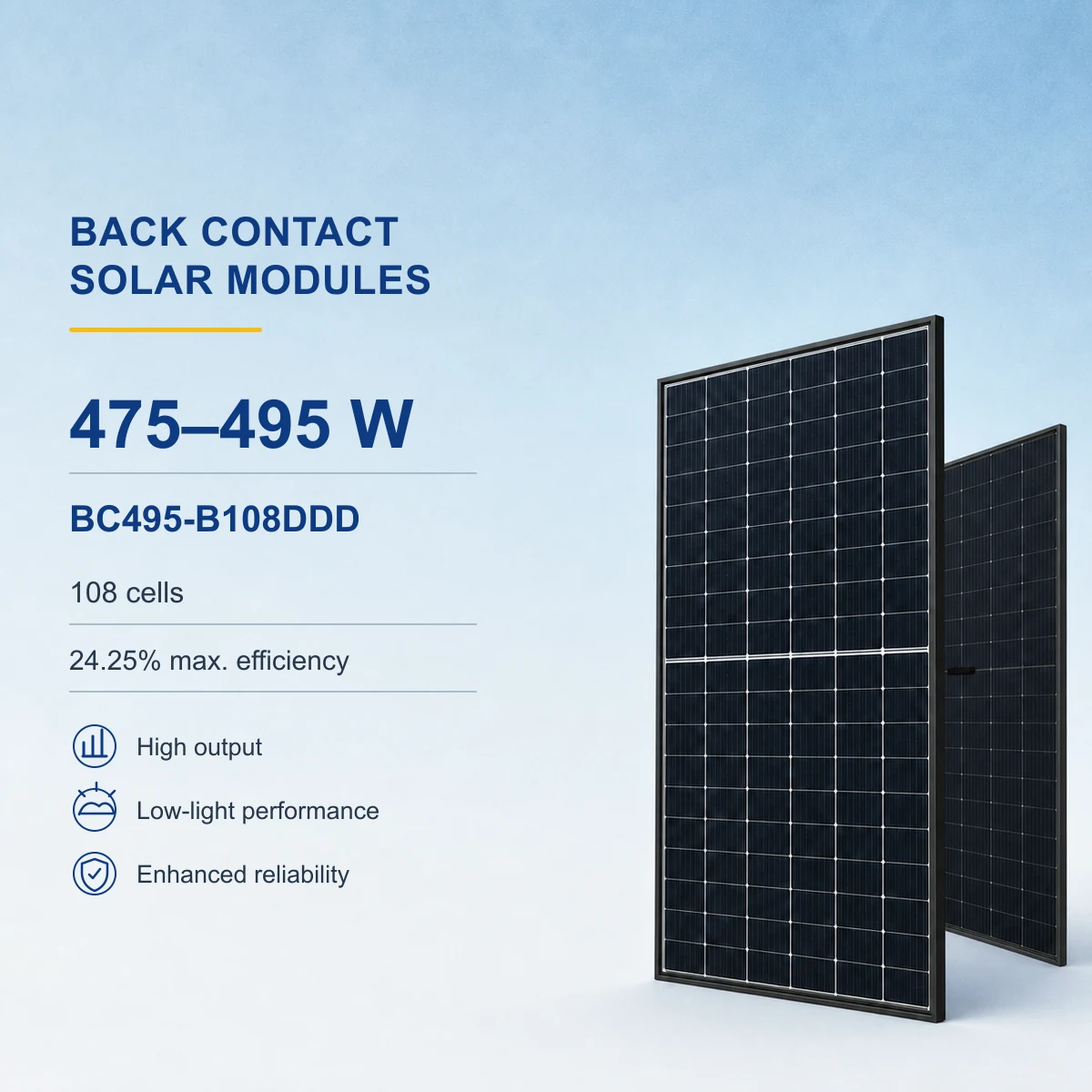
Full electrical, working, mechanical, maximum-rating and packing parameters are extracted from the supplied datasheet for this product series.
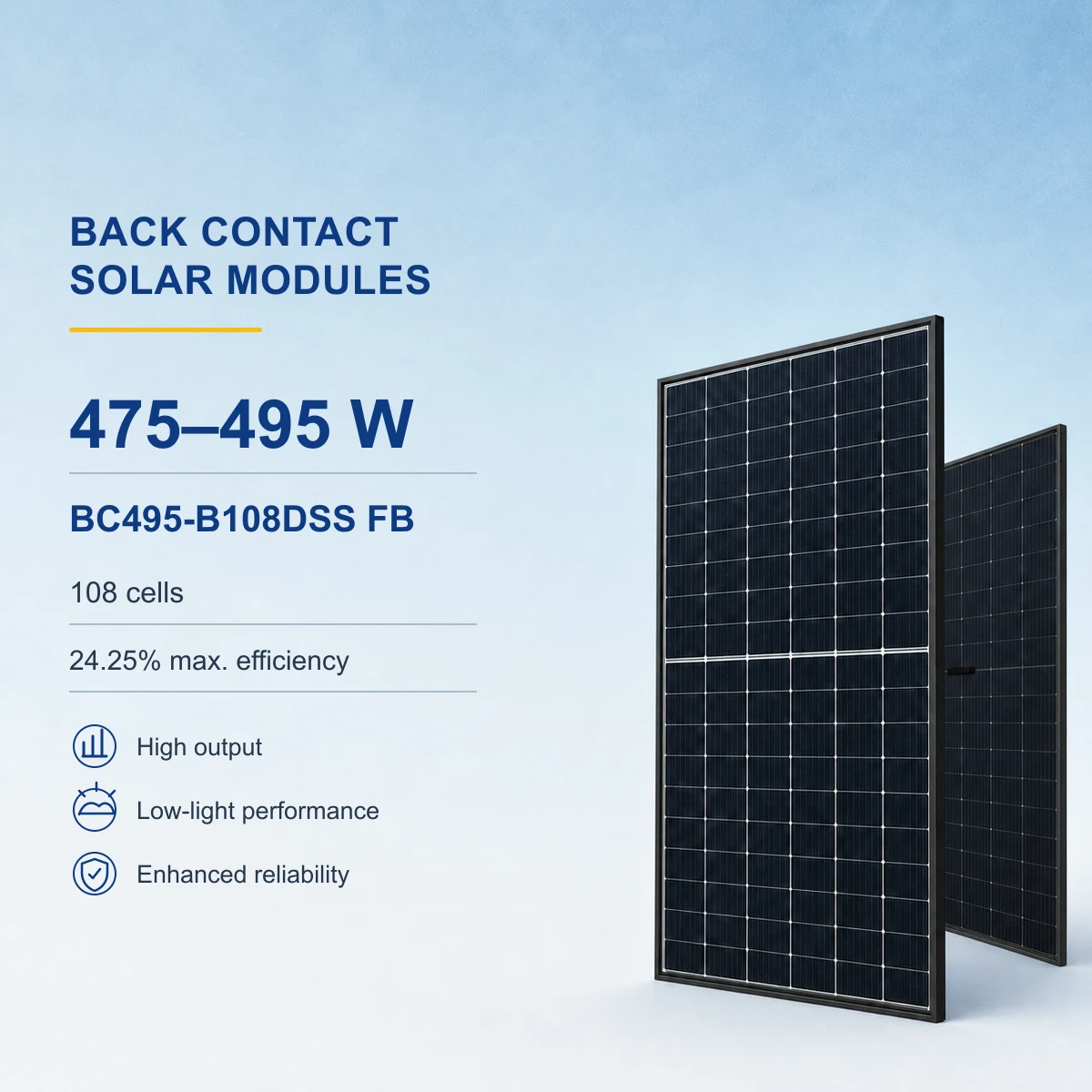
Full electrical, working, mechanical, maximum-rating and packing parameters are extracted from the supplied datasheet for this product series.
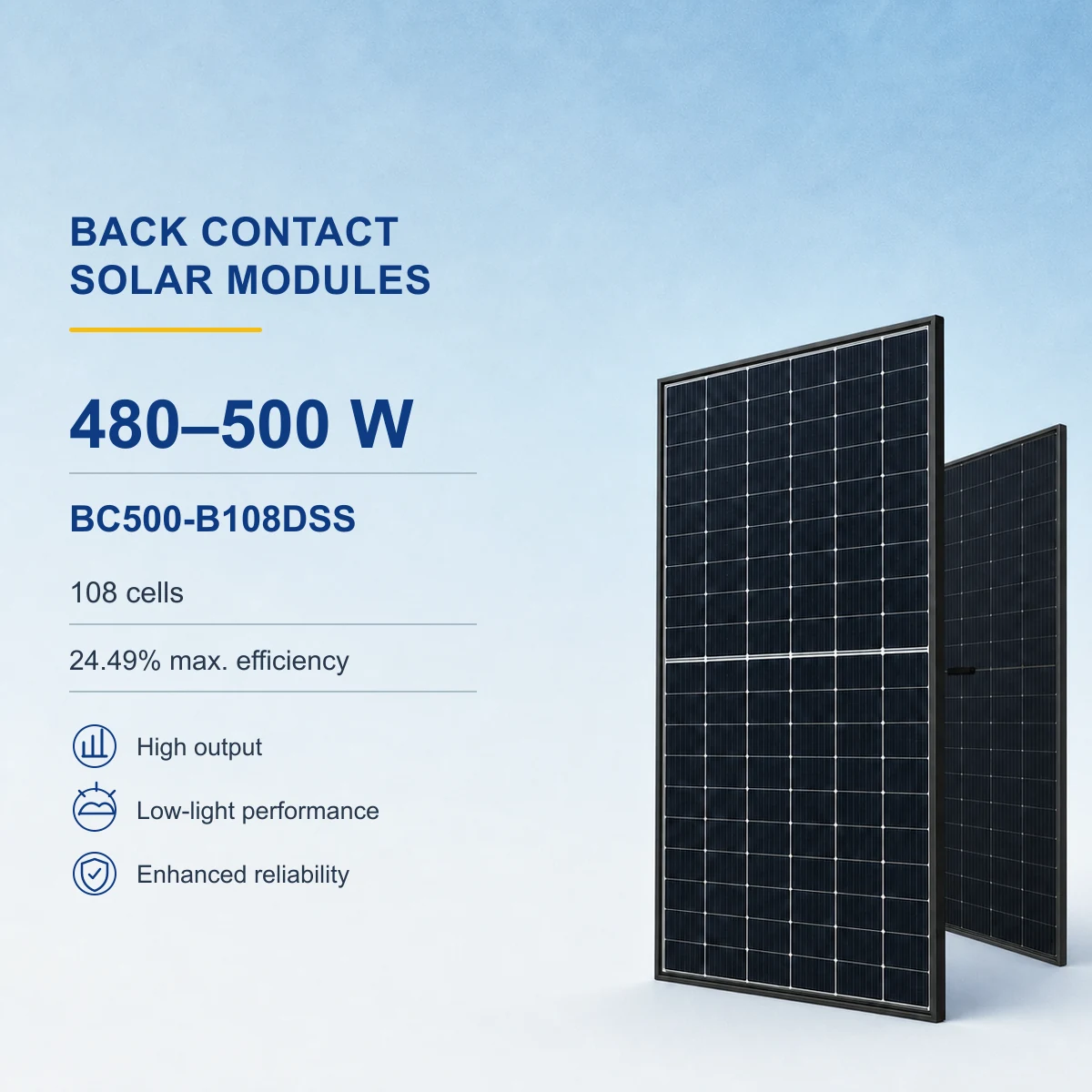
Full electrical, working, mechanical, maximum-rating and packing parameters are extracted from the supplied datasheet for this product series.
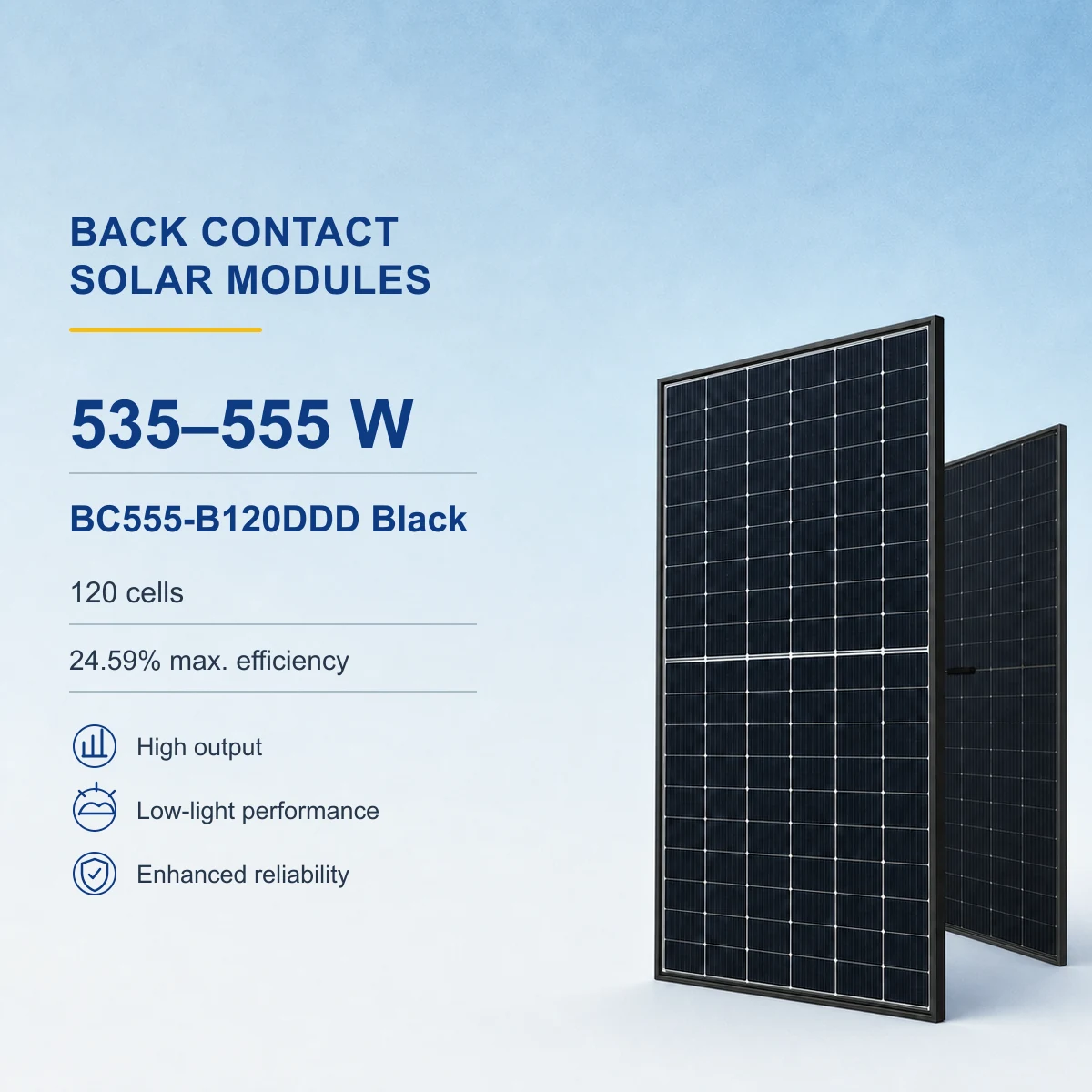
Full electrical, working, mechanical, maximum-rating and packing parameters are extracted from the supplied datasheet for this product series.
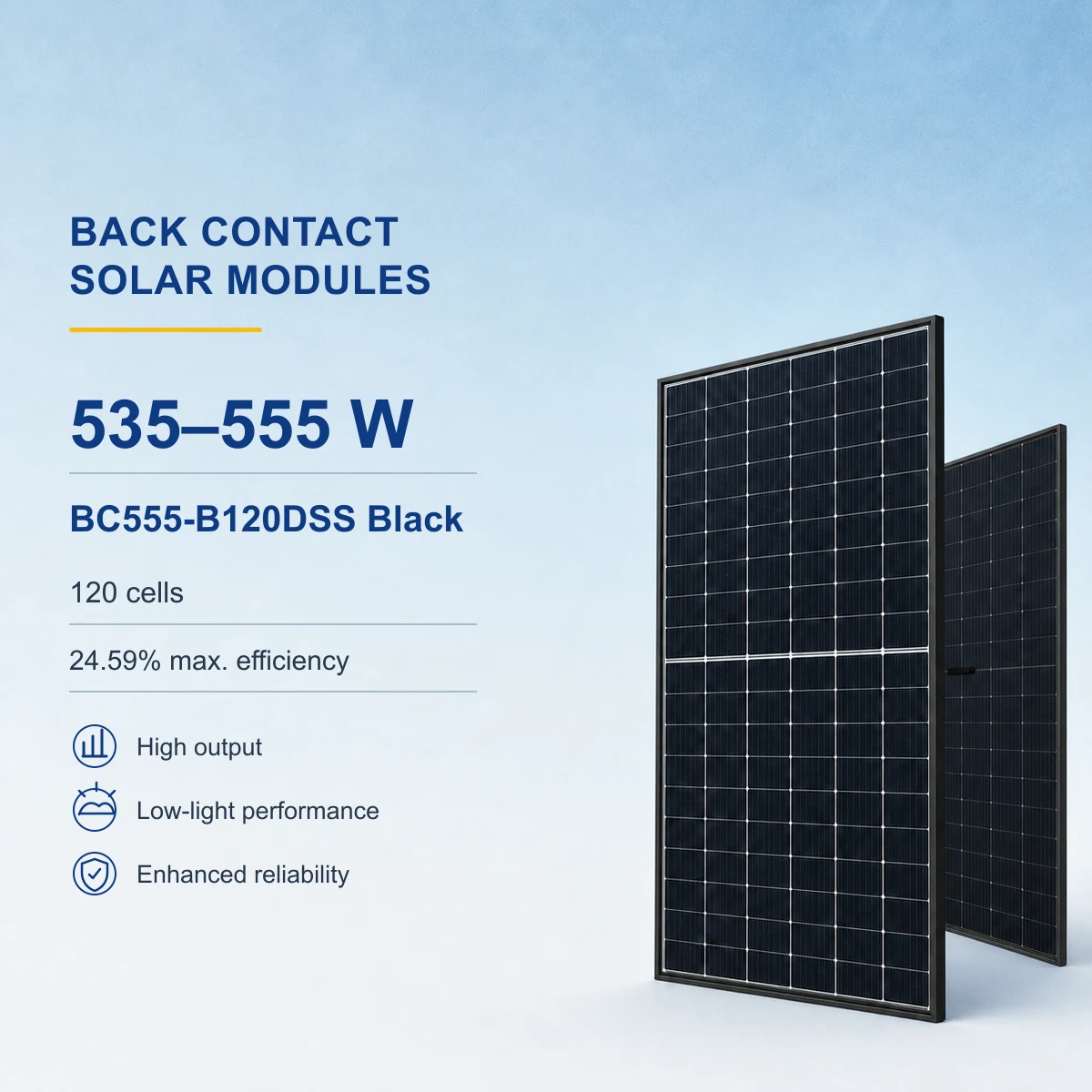
Full electrical, working, mechanical, maximum-rating and packing parameters are extracted from the supplied datasheet for this product series.
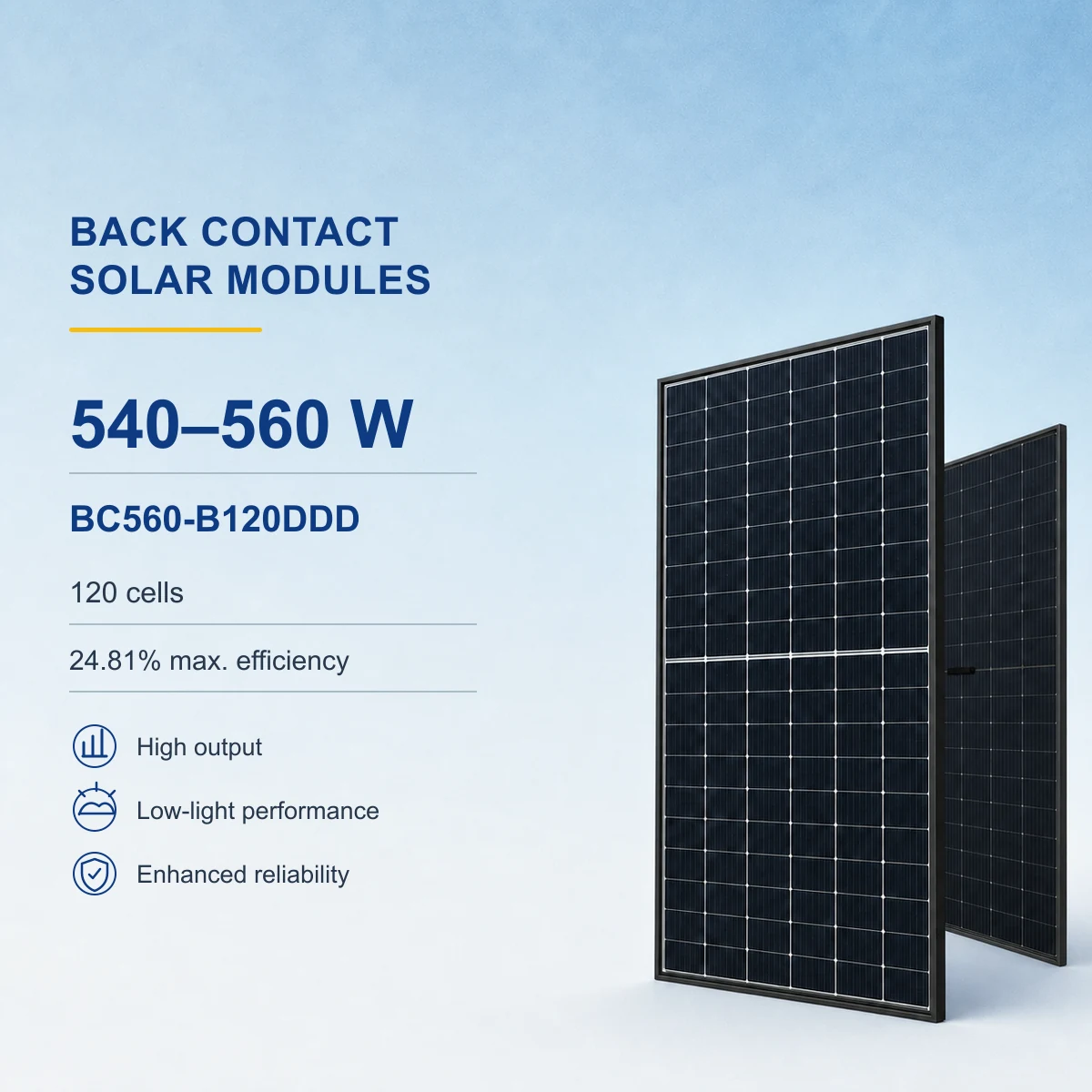
Full electrical, working, mechanical, maximum-rating and packing parameters are extracted from the supplied datasheet for this product series.
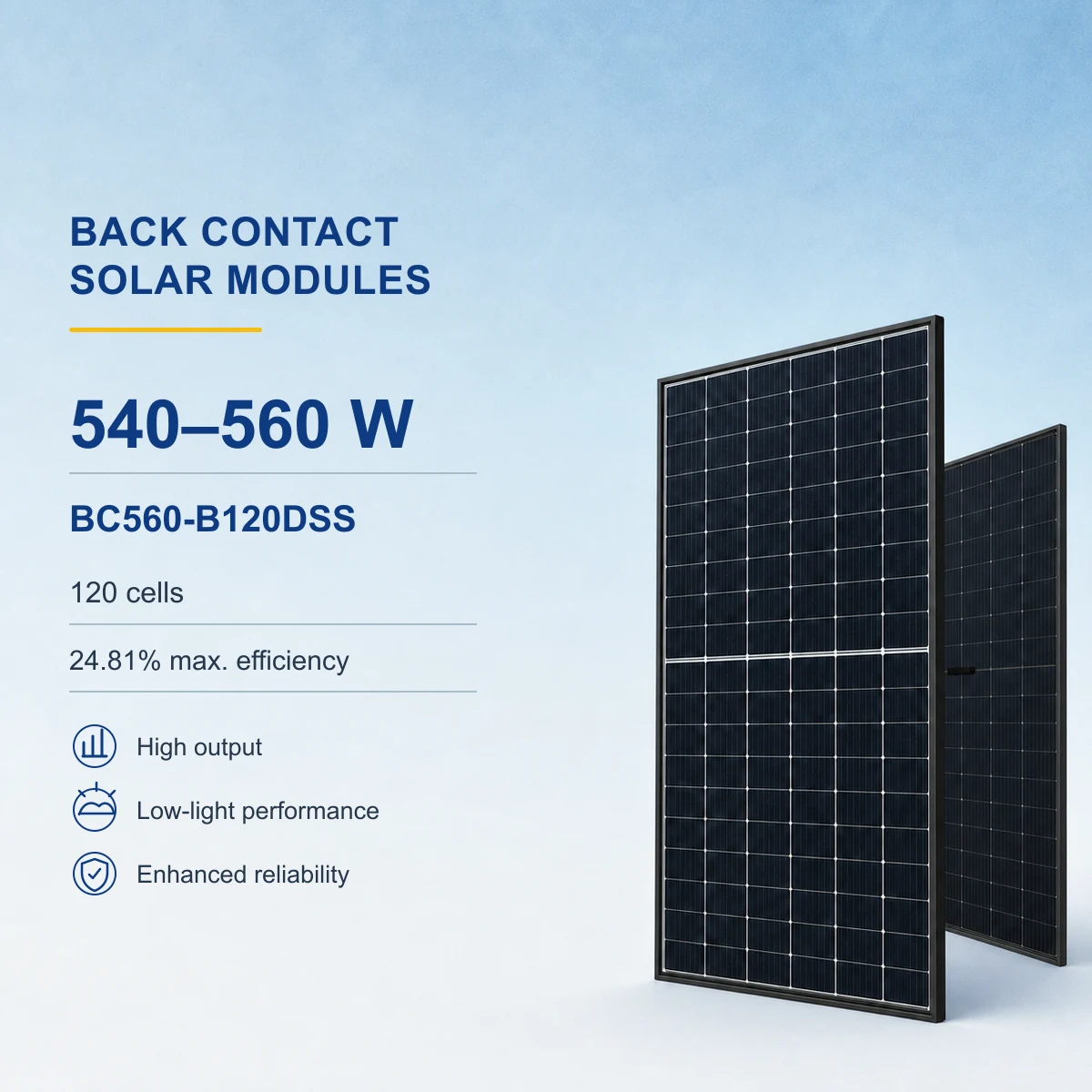
Full electrical, working, mechanical, maximum-rating and packing parameters are extracted from the supplied datasheet for this product series.
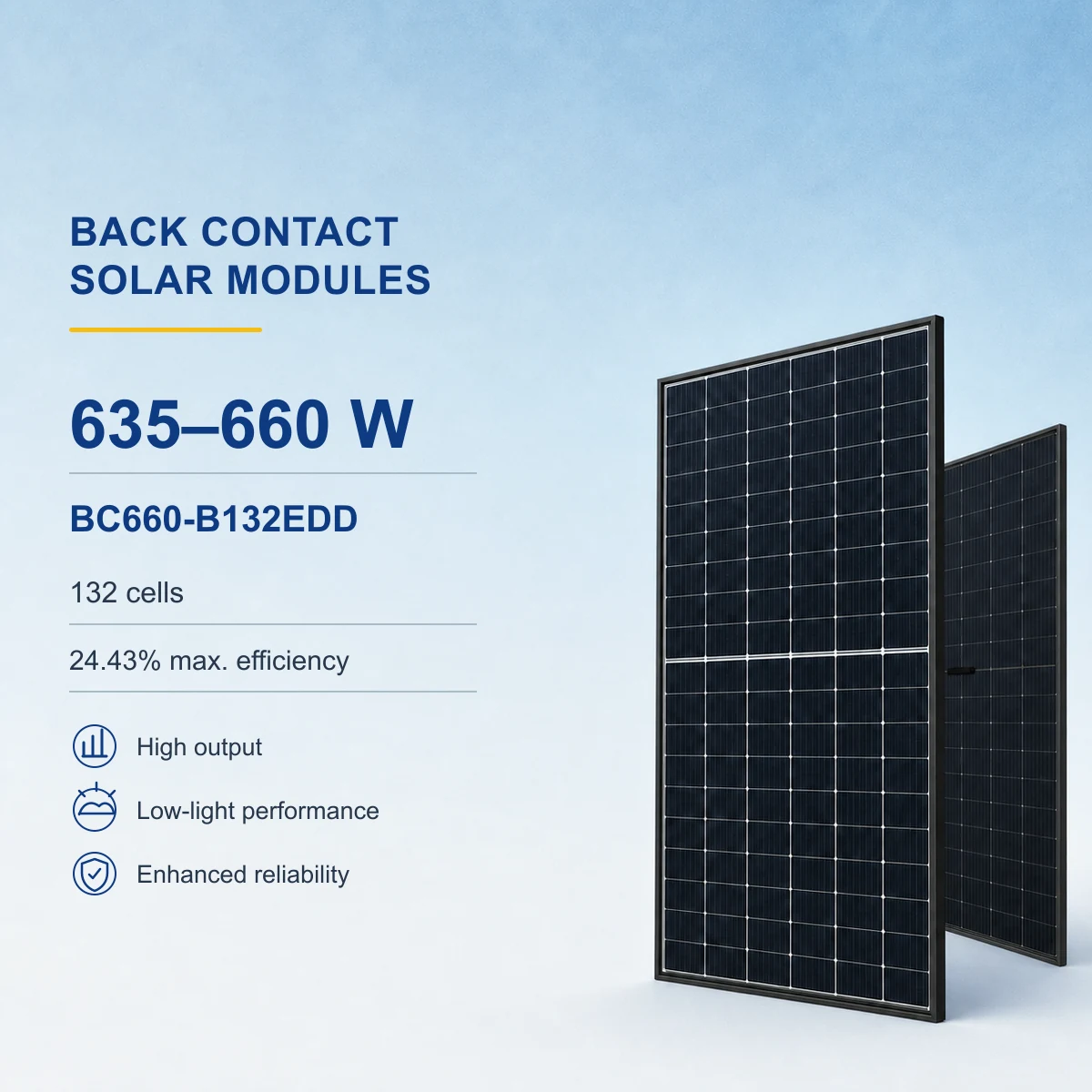
Full electrical, working, mechanical, maximum-rating and packing parameters are extracted from the supplied datasheet for this product series.
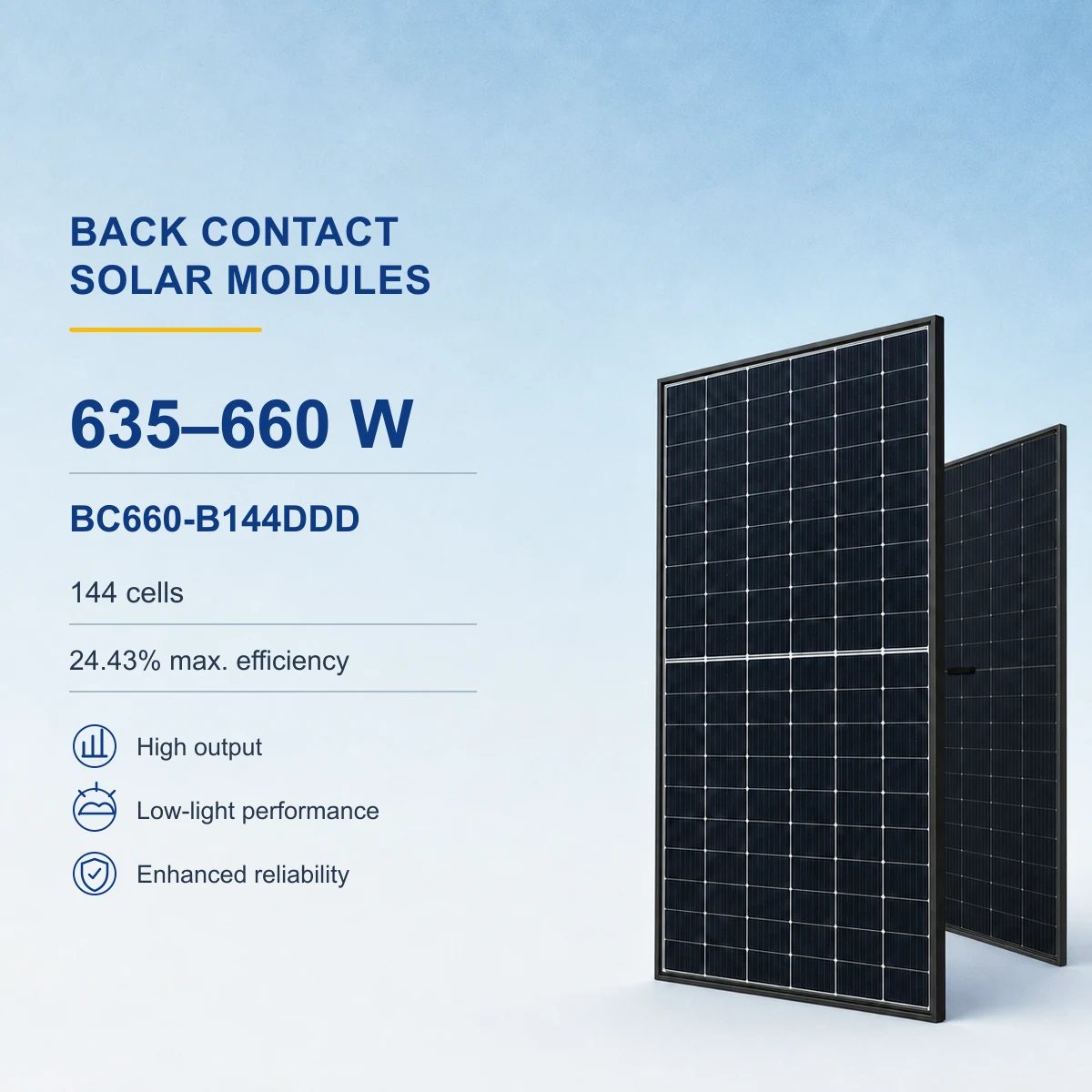
Full electrical, working, mechanical, maximum-rating and packing parameters are extracted from the supplied datasheet for this product series.
The current catalogue forms four practical size groups. These are discovery summaries from the displayed model data, not proof that models with the same dimensions, power, suffix, or cell count are interchangeable or currently available.
One 1762 × 1134 × 30 mm family page at 24.6 kg. Use its full B96EDD model code and exact electrical table rather than comparing only the upper power bin.
Four 1800 × 1134 × 30 mm family pages with DDD, DSS, and FB variants and displayed masses from 21.6 to 25 kg. Construction and appearance require exact-model review.
Four 1990 × 1134 × 30 mm pages with DDD, DSS, Black, and standard variants and displayed masses of 23.5 or 27.5 kg, subject to the source tolerance where stated.
Two 2382 × 1134 × 30 mm pages at 32.5 kg with 132-cell EDD and 144-cell DDD identifiers. Cell count and construction code must remain tied to the offered model.
A rear-contact cell layout is one product characteristic. It does not by itself define the finished module's appearance, power, efficiency, bifacial behavior, glass stack, electrical limits, mechanical suitability, warranty, certification, or destination acceptance.
Keep the complete B96, B108, B120, B132, or B144 identifier and DDD, DSS, EDD, FB, or Black suffix. Do not decode or substitute a suffix without model documentation.
Compare the offered power bin and efficiency under the stated test conditions. Similar nameplate power can sit in a different module area, cell count, or construction.
Use the exact electrical table, temperature coefficients, site temperature range, string length, parallel strings, and inverter limits in the responsible designer's calculations.
Match length, width, thickness, mass, frame, clamp guidance, cable, connector, handling, and permitted loads to the racking and installation plan.
Confirm front-side appearance, cell layout, glass-glass or glass-backsheet build, rear-side behavior, frame color, junction box, and connector for the exact variant.
Request the model-matched datasheet, certificates, warranty, installation and load guidance, packing data, labels, and written substitution process before order approval.
The current source data contains several model families and suffixes. A reliable shortlist preserves those distinctions and requires every performance, construction, appearance, compliance, and commercial statement to follow the exact quoted model.
Back contact describes cell-side conductor placement; verify the finished module's front appearance, cell spacing, frame color, glass, and any Black or FB designation separately.
Do not transfer a bifacial statement or rear-side parameter between DDD, DSS, EDD, FB, Black, or other variants. Use the exact model datasheet and test basis.
A load value, fire class, IEC reference, certificate, test report, or warranty applies only to its stated model, construction, conditions, issuer, revision, and validity.
Displayed pages do not imply price, stock, MOQ, lead time, production allocation, approved substitution, or shipment readiness; confirm these in the quotation.
Use the solution page to define the project context, then use the buyer guide to check the exact electrical, mechanical, document, and order fields on the offered datasheet.
Review how module format connects with roof conditions, array layout, inverter selection, mounting, protection, approvals, logistics, and project responsibilities.
Review solution context
Check full model identity, power bin, electrical values, temperature coefficients, dimensions, mass, connectors, loads, certificates, warranty, and packing before ordering.
Read the buyer guide
These answers help separate a cell-technology preference from exact-model approval. Final electrical, structural, appearance, installation, documentation, and market decisions remain project-specific.
Back contact refers to a cell architecture that places the cell's electrical contacts on the rear side. For procurement, that label is only a starting point: compare the finished module by full model code, cell count, rated power, efficiency, electrical values, temperature coefficients, dimensions, mass, glass and frame construction, appearance, mounting guidance, documents, and order conditions.
No appearance should be inferred from the technology name alone. The current catalogue includes Black, FB, and other suffixes as well as different construction codes. Confirm front-side appearance, cell spacing, frame color, glass, back layer, and approved sample or drawing where appearance is a project requirement.
Do not assume so. A bifacial statement and any rear-side performance data must be confirmed for the exact model and construction. Installation height, ground or roof reflectance, shading, mounting obstruction, and test basis also affect whether a rear-side claim is relevant to the project.
Include the exact model or target power and format, quantity, destination, application, appearance requirement, inverter and string constraints, mounting and load inputs, preferred construction, required datasheets and certificates, warranty and packing requirements, delivery target, and rules for any proposed substitution.
Compare 11 displayed back contact solar module pages covering 465 W to 660 W families and several cell counts, dimensions, construction codes, and appearance variants. Use the exact model page to review electrical data, temperature coefficients, size, mass, glass and frame details, junction box, connector, load references, packing, and available documents before selection.
Send the model or target power and format, quantity, destination, application, appearance, inverter and mounting constraints, requested documents, packing limits, and delivery target. Price, availability, MOQ, and lead time are confirmed in the quotation.