
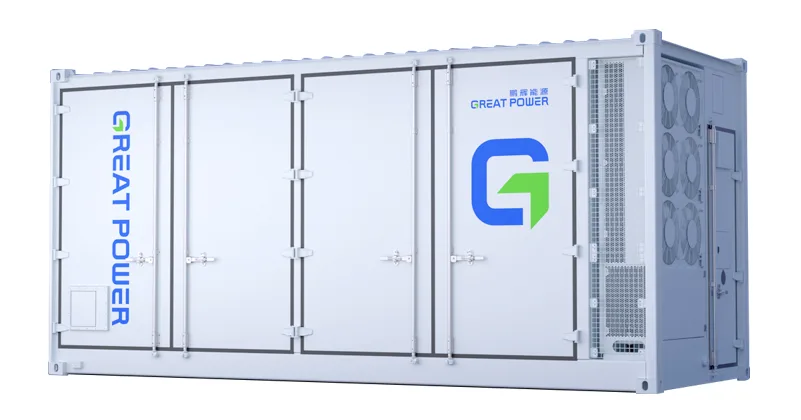
Compare the five displayed Great Power utility ESS pages
Open the exact source-derived page, then request a project configuration, single-line diagram, BOM, electrical and control interfaces, performance curves, safety/compliance evidence, logistics plan, tests, warranty and commercial release.
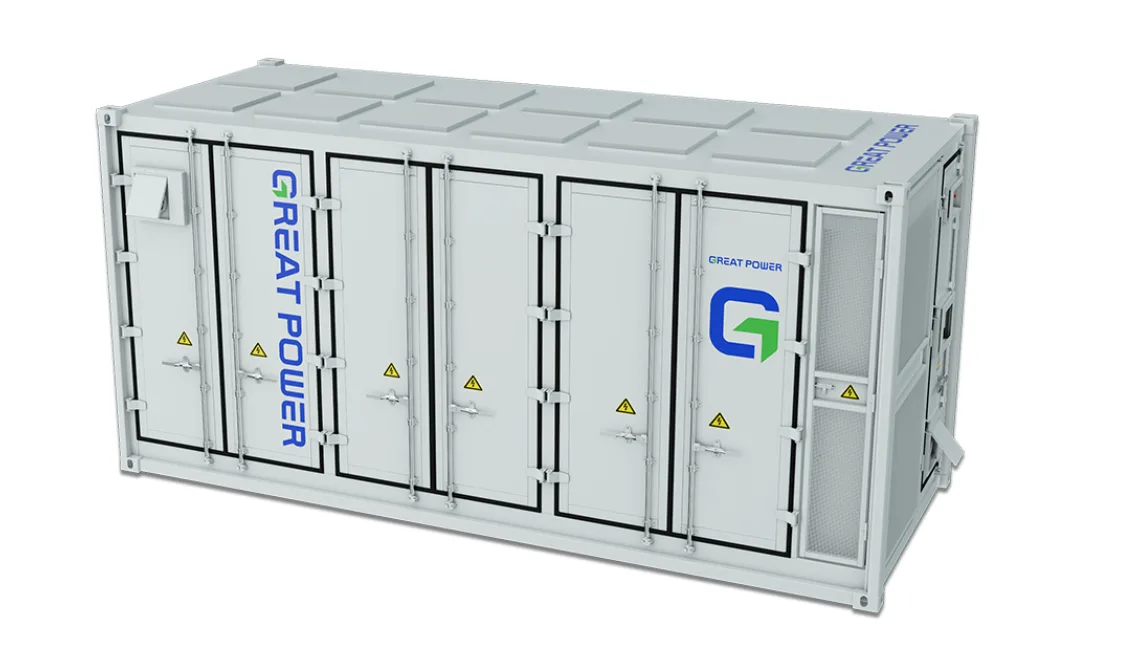
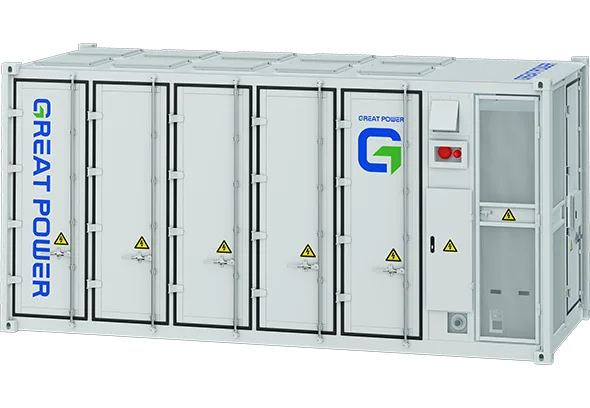
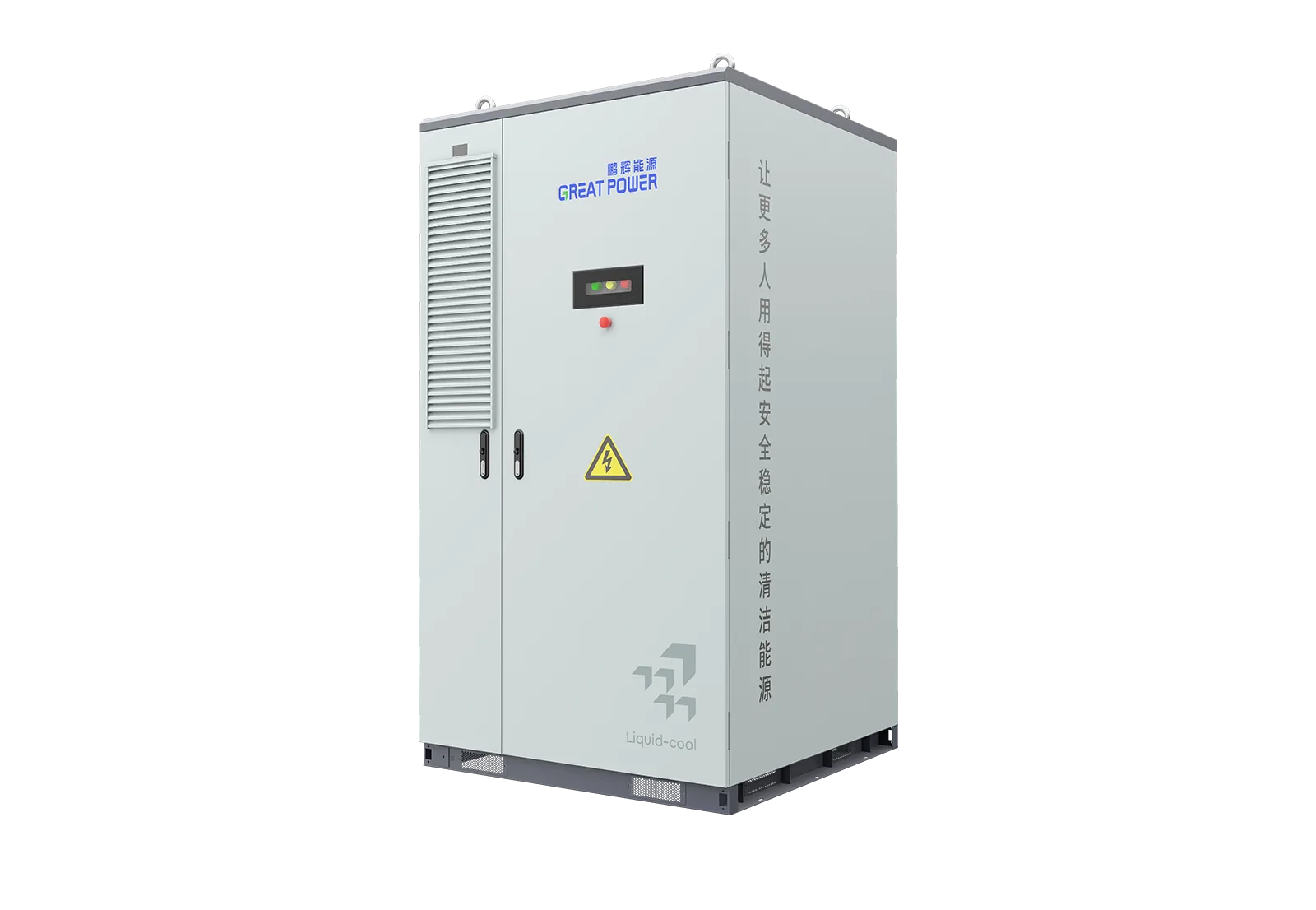
Displayed plant routes
Separate container energy blocks from outdoor DC or AC/DC systems
Utility procurement begins with the plant architecture and point of connection, not a container headline number.
Max container platforms
Max 6250, 5000 and 3440 pages use different product descriptors and source detail depth. Confirm exact MWh configuration, container standard, cell/pack generation, voltage window, usable energy and included auxiliaries.
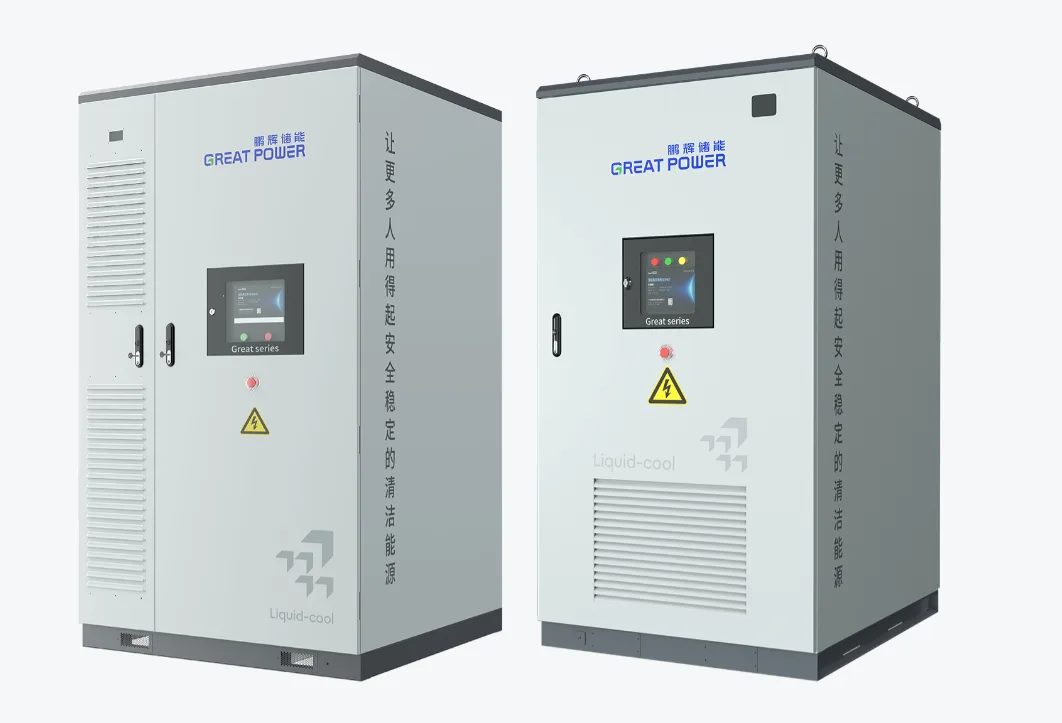
DC outdoor battery systems
The displayed DC outdoor route is intended to interface with a compatible PCS architecture. Confirm cluster isolation, DC collection, cable lengths, current, protection, controls and the responsible PCS/integrator design.
AC/DC outdoor battery systems
An AC/DC label does not by itself define the delivered AC voltage, PCS, transformer or MV scope. Request the single-line diagram, bill of materials and point-of-connection schedule.
Plant balance of system
PCS skids, MV stations, switchgear, protection, SCADA/PPC, metering, auxiliary power, cabling, fire water, roads, foundations, drainage, fencing and grid studies may be separate packages.
Utility ESS RFQ checks
Six checks before fixing a utility storage platform
A bankable comparison ties the exact energy block to the plant duty, grid interface, environment, delivery strategy and acceptance regime.
Plant duty and dispatch
State MW, MWh, duration, cycles, SOC window, ramp rate, response requirement, grid services, renewable shifting or capacity duty, interconnection limits and the dispatch/degradation profile.
Energy and performance basis
Request rated and usable beginning-of-life energy, power, DC or AC round-trip-efficiency boundary, auxiliaries, availability, degradation curve and end-of-life capacity under stated temperature and duty assumptions.
DC, PCS and MV architecture
Define block quantity, DC voltage/current, PCS topology and ratio, transformer/MV voltage, switchgear, grounding, protection, short-circuit contribution, harmonic/reactive-power duties and station auxiliary supply.
Controls and grid integration
Confirm BMS, EMS, SCADA/PPC, plant controller, protocols, time synchronization, cybersecurity, remote access, data retention, grid-code models and interfaces with the utility, market operator and owner systems.
Safety and site conditions
Provide temperature, altitude, humidity, corrosion, seismic, wind, flood, spacing and access criteria. Review thermal management, gas/smoke detection, propagation evidence, suppression, emergency response and local fire rules.
Execution and bankability
Define design reviews, FAT/SAT, shipping limits, crane and route studies, civil/interfaces, installation, commissioning, capacity/RTE tests, liquidated-damages regime, warranty, augmentation, spares and long-term service.
Plant and guarantee boundaries
A utility product page is not a complete grid-storage plant offer
Headline ratings and source claims must be converted into a configuration-specific design, evidence package and contract test boundary.
MWh label is not usable delivered energy
Container naming may reflect nominal energy under a specific configuration. Confirm cell count, voltage, SOC window, auxiliaries, temperature, degradation and whether performance is measured at DC terminals, PCS AC or the grid point.
DC evidence is not AC plant performance
Cell or DC-side efficiency does not establish AC round-trip efficiency. PCS, transformer, cabling, HVAC and other auxiliaries must be included within an agreed meter and test boundary.
Component safety is not site approval
UL9540A or other source references must be reviewed for the exact test article and report. They do not replace integrated fire engineering, spacing, emergency response or destination authority approval.
Design life is conditional
Calendar years, cycle-life improvement or availability statements depend on duty, climate, controls, maintenance and test definitions. Convert them into warranted curves, exclusions and acceptance methods for the project.
Continue the utility review
Connect the energy block to plant procurement and BOM control
Use the solution page to map utility project responsibilities and the BOM guide to keep interfaces and documents auditable.
Utility project procurement framework
Review how generation or storage equipment, MV/grid interfaces, civil works, logistics, quality control and commissioning responsibilities fit a utility project.
Review project context
BOM review before quotation
Use the model, quantity, interface, document, accessory, exclusion and substitution checks to make a multi-package utility RFQ reviewable.
Review BOM controls
Great Power utility ESS FAQ
Questions to close before selecting an energy block
These answers support early procurement; final plant design, grid compliance, safety approval and contractual performance remain configuration- and site-specific.
Can Max 6250, Max 5000 and Max 3440 be compared by the nameplate number alone?
No. Confirm the exact configuration, gross and usable energy, voltage window, cell/pack revision, SOC and temperature basis, auxiliaries, dimensions/mass, PCS ratio, container and performance-test boundary. The headline number does not establish delivered AC energy.
What is the difference between a DC and an AC/DC outdoor battery system?
The point of connection and included equipment differ. Request the single-line diagram and BOM showing battery clusters, DC collection/protection, PCS, AC switchgear, transformer, controls and auxiliaries. Do not infer an AC-integrated scope from the category name alone.
How should utility ESS efficiency and capacity guarantees be defined?
Specify the measurement point, charge/discharge power, duration, SOC limits, temperature, auxiliary loads, test tolerance, availability state, degradation year and correction method. Separate cell/DC figures from PCS AC and grid-point guarantees.
What should a Great Power utility ESS RFQ include?
Include site and grid data, MW/MWh/duration and dispatch profile, DC/AC/MV architecture, controls and grid models, environment and safety criteria, civil/logistics interfaces, performance and acceptance tests, warranty/augmentation/service, quantity, delivery schedule and responsibility matrix.
Great Power utility ESS procurement
Great Power Utility-Scale Energy Storage Platforms
Compare five displayed source pages covering Max 6250, Max 5000, Max 3440, a DC Outdoor Battery System and an AC/DC Outdoor Battery System. Source descriptions reference container or outdoor battery arrangements, but names and headline energy figures do not define a complete grid-connected plant. Preserve the exact configuration, then confirm DC or AC scope, rated and usable energy, charge/discharge power and duration, PCS/EMS/BMS, MV transformer and switchgear, thermal and fire design, auxiliaries, civil works, logistics, grid-code studies, commissioning and performance-guarantee basis.
Prepare a Great Power utility ESS project RFQ
Send the plant duty, MW/MWh and duration, grid/MV architecture, controls, site and safety criteria, scope boundary, performance tests, warranty and delivery plan.