
Compare the four displayed Great Power EV Battery pages
Open the relevant application page, then request an exact cell, module or pack proposal with electrical, charging, BMS, mechanical, validation, transport, service and commercial documents.
Displayed application routes
Match the battery architecture to the equipment duty
The four pages span road, industrial, marine and portable equipment. Compare specifications only within a documented application and configuration.
Two-wheeler battery packs
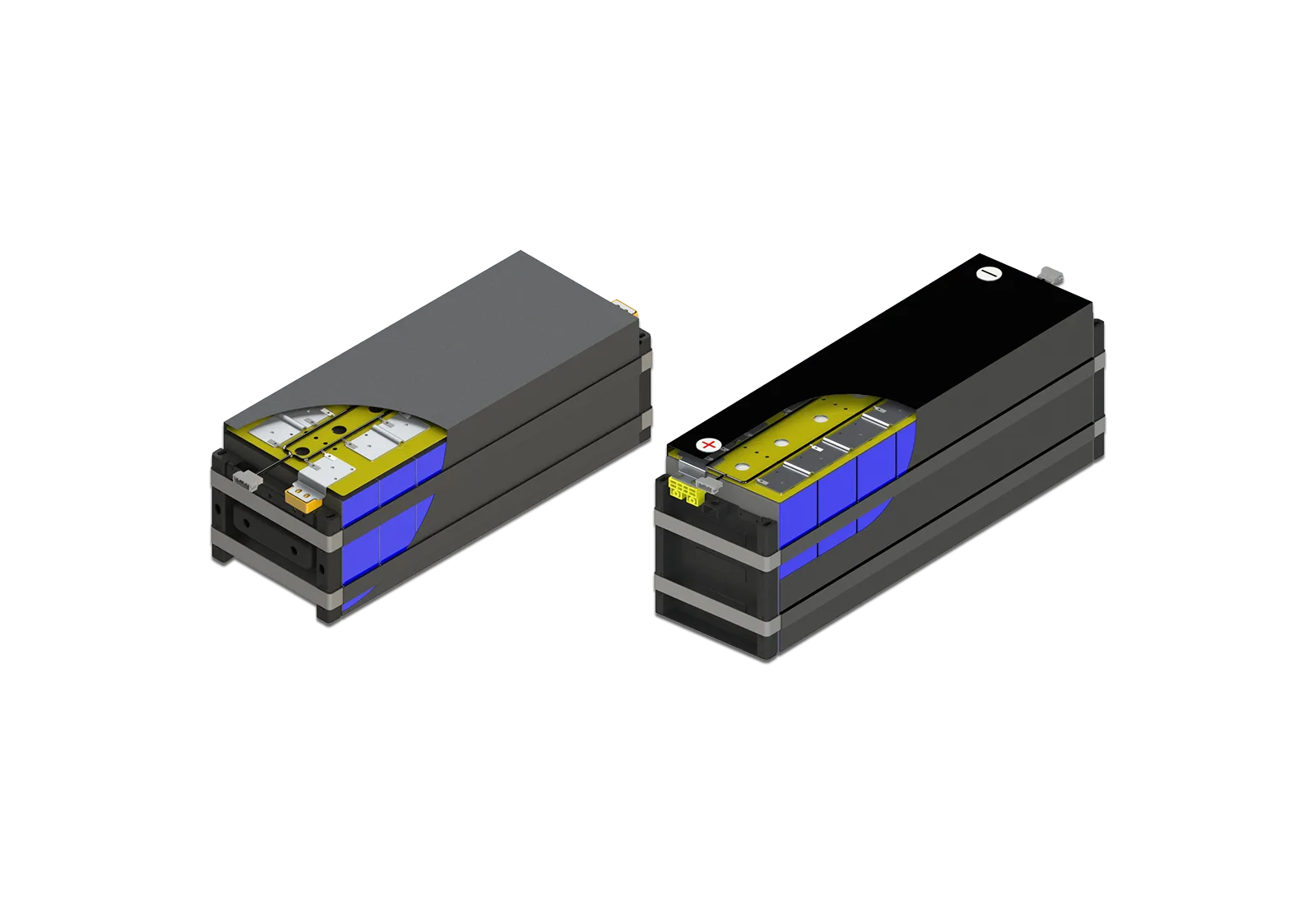
The source page describes an LFP route with BMS, enclosure and IoT-related wording. Confirm pack voltage/energy, current and peak power, charge profile, BMS/vehicle protocol, connector, IP/test scope, dimensions, mass and homologation for the exact vehicle.
Forklift battery modules
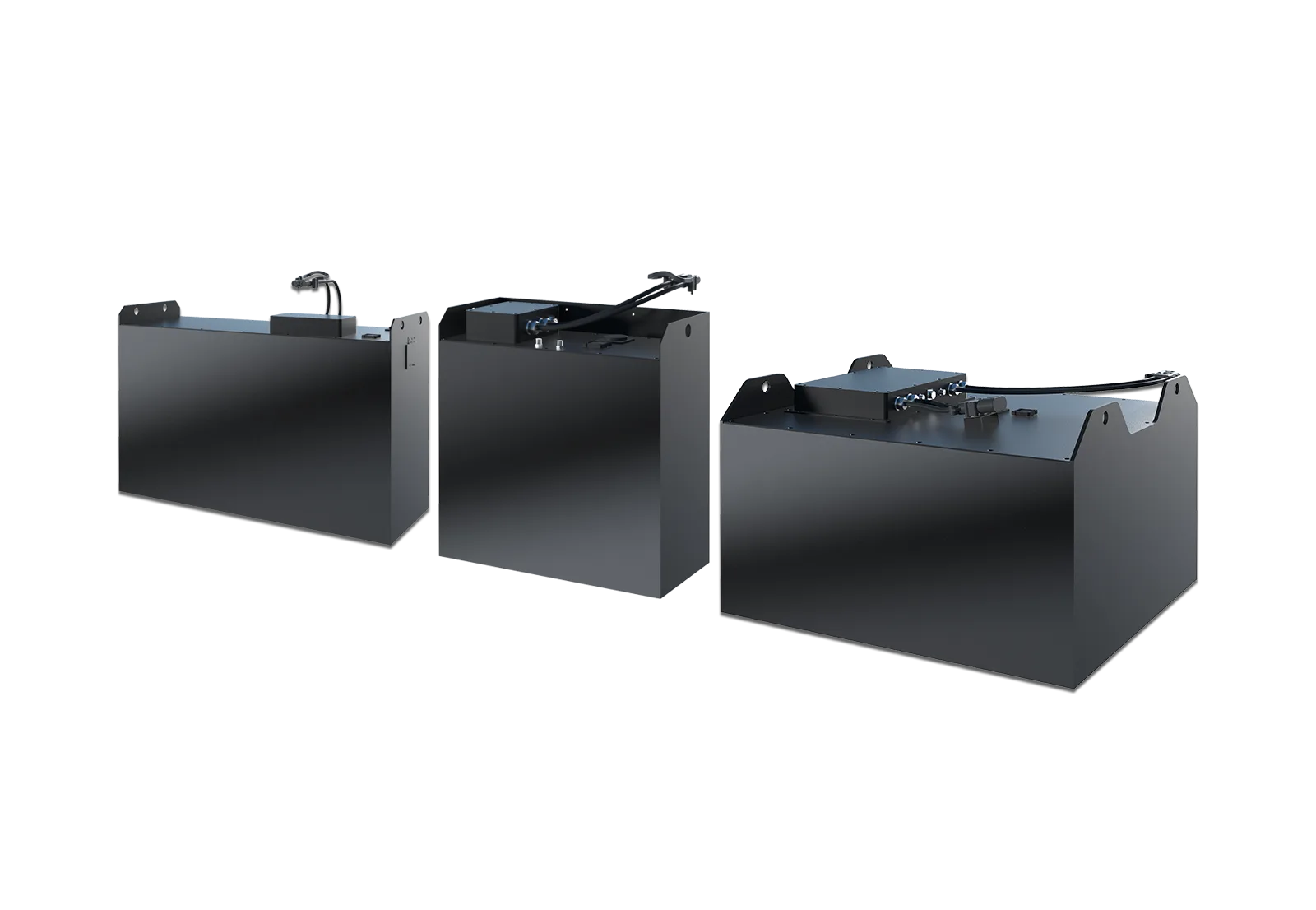
The source text references engineering-power cells, capacity up to 942 Ah and up to 300 A continuous charge/discharge per module. Treat these as source-page maxima, then request the exact module/pack configuration, voltage, current, cooling, counterweight and truck/charger interface.
Marine battery systems
The displayed marine route references LFP, intelligent BMS and vibration-resistant module construction. Confirm vessel voltage, propulsion and hotel loads, redundancy, isolation, cooling, enclosure, charge sources, communication, marine approval scope and emergency behavior.
Power-tool battery cells
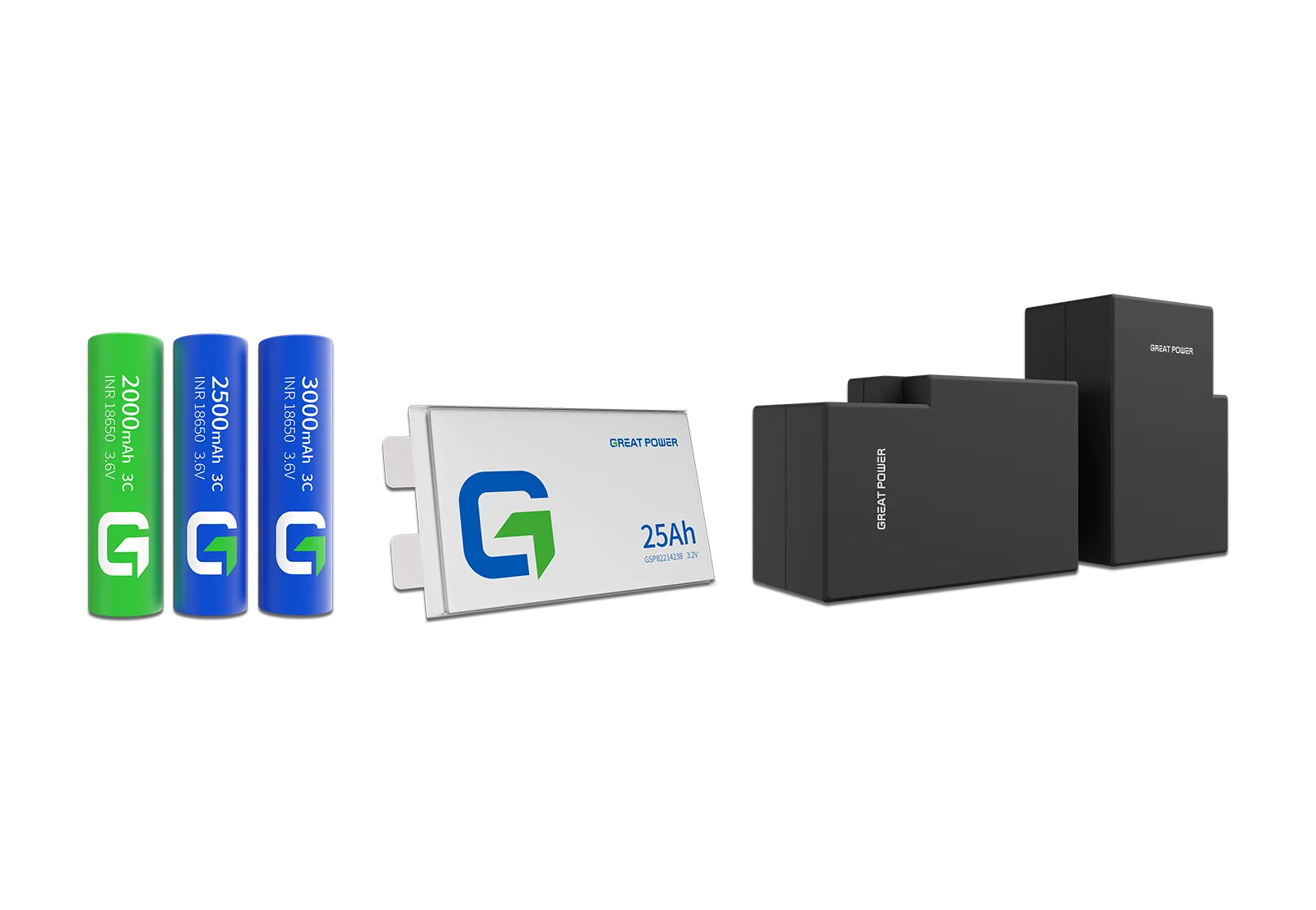
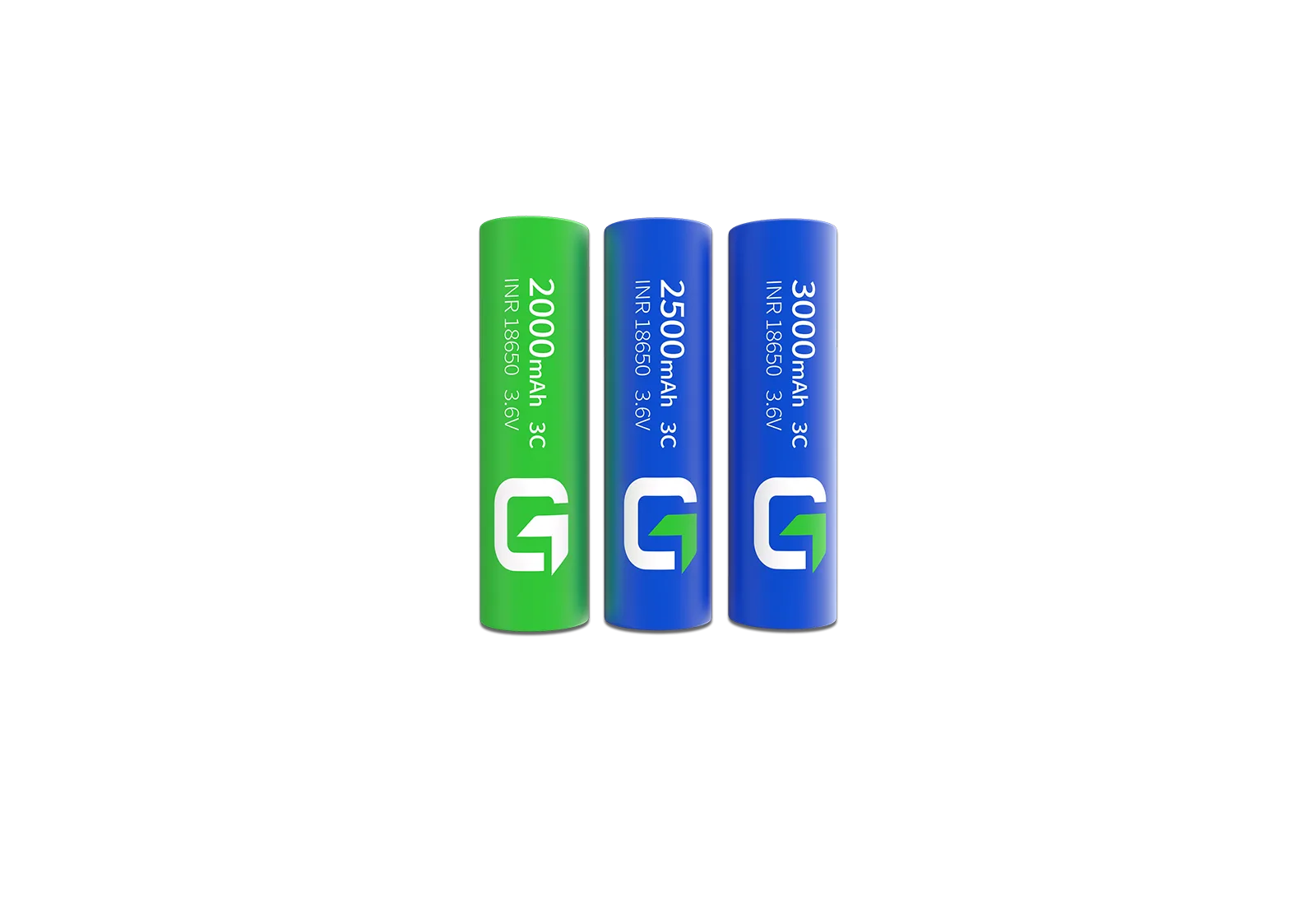
The source page lists drills, wrenches and other portable equipment and mentions continuous 15C discharge. Confirm the exact cell, rate-test conditions, pack series/parallel design, heat, protection, charger, mechanical retention and finished-tool validation.
Motive battery RFQ checks
Six checks before selecting a traction or equipment battery
A useful RFQ converts the vehicle or tool duty into an exact electrical, mechanical, controls and validation requirement.
Machine and duty cycle
Identify the vehicle, vessel, forklift or tool, operating hours, drive/load profile, acceleration or lift peaks, shifts per day, idle periods, route or work cycle, payload and required range/runtime.
Voltage, energy and power
Provide nominal and operating voltage, usable energy, continuous/peak current and power, pulse duration, SOC window, cutoff, regenerative current where applicable, auxiliaries and beginning/end-of-life performance basis.
Charging and availability
Define charger input/output, connector, communication, charge window, opportunity or overnight charging, maximum rate, temperature limits, charging time target and vehicle availability without assuming a source-page fast-charge statement applies.
BMS and controller interface
Confirm sensing, balancing, contactors, fuses, pre-charge, isolation, thermal control, CAN or other protocol, message map, SOC/SOH method, alarms, interlocks, firmware ownership and vehicle/charger integration tests.
Mechanical and environment
Provide envelope, mass and axle/counterweight constraints, mounting, vibration/shock, ingress, corrosion/salt exposure, temperature, altitude, ventilation, service access, connector retention and collision or emergency requirements.
Evidence, service and supply
Request exact drawings/datasheets, validation and abuse-test reports, certificate/approval scope, UN38.3 test summary, SDS, shipping plan, traceability, warranty and exclusions, spares/diagnostics, MOQ, lead time and change control.
Performance and approval boundaries
An application page is not a vehicle-ready battery approval
Source statements must remain tied to the tested cell, module or pack and cannot replace vehicle, vessel or finished-tool integration.
EV Battery is a broad category label
The displayed catalogue covers two-wheelers, forklifts, marine equipment and power tools, not a single passenger-car battery family. Do not transfer voltage, energy, current, BMS or approval assumptions between them.
Maximum and rate claims need conditions
942 Ah, 300 A, 15C, energy-density, cycle or temperature statements belong to their source page and test basis. Confirm exact model, rate, temperature, SOC/DOD, duration, cooling and end-of-life criteria.
Cell or module safety is not vehicle approval
Chemistry, abuse tests or propagation wording do not approve the complete pack, charger, controller, enclosure or machine. Review the exact report scope and required vehicle, marine or end-product standards.
BMS wording does not prove compatibility
A BMS or IoT interface is not automatically compatible with a vehicle controller, charger, fleet platform or vessel system. Confirm electrical interface, protocol/message map, firmware, fail-safe behavior and joint validation.
Continue the battery review
Connect the equipment shortlist to shipment files and a technical inquiry
Use the export checklist for exact-model transport evidence, then submit the machine duty and interface data required for configuration review.
Battery export document checklist
Review exact model identity, UN38.3 test summary, SDS, transport classification, packing, labels and traceability before scheduling motive-battery shipments.
Review export documents
Prepare an equipment battery inquiry
Send the vehicle or tool duty, voltage, energy and power, charger/BMS interface, mechanical environment, validation requirements, quantity, destination and schedule.
Start a battery inquiry
Great Power EV Battery FAQ
Questions to resolve before vehicle or equipment integration
These answers organize sourcing; final battery sizing, machine integration, safety validation, approval and warranty remain configuration-specific.
Does the Great Power EV Battery category describe passenger-car batteries?
Not in the current displayed catalogue. Its four pages cover two-wheelers, forklifts, marine equipment and power tools. Treat each as a separate application route and request an exact configuration rather than assuming automotive passenger-EV specifications.
Can the source-page capacity, current or discharge-rate figures be used in my design?
Only after confirming the exact model and test conditions. Figures such as up to 942 Ah, up to 300 A per module or continuous 15C appear on different application pages and must not be combined or transferred to another pack.
Does an intelligent BMS guarantee compatibility with my charger or vehicle controller?
No. Confirm voltage/current limits, contactor and pre-charge logic, CAN or other protocol, message map, firmware, SOC/SOH behavior, alarms, interlocks, diagnostics and joint integration tests for the exact charger and controller.
What should a Great Power EV Battery RFQ include?
Include equipment type and duty cycle, voltage/energy/power and runtime target, charging strategy, BMS/controller protocol, mechanical and environmental limits, required tests and approvals, transport files, service/warranty, quantity, destination, sample plan and delivery schedule.
Great Power motive battery procurement
Great Power Batteries for Two-Wheelers, Forklifts, Marine and Power Tools
Compare four displayed source pages covering two-wheeler packs, forklift modules, marine batteries and high-rate cells for power tools and related equipment. The category name does not describe one interchangeable passenger-EV platform: vehicle voltage, energy, traction power, charging, BMS, mechanical environment and compliance differ across every application. Start with the machine and duty cycle, preserve the exact product or proposed pack code, then confirm cell chemistry, electrical configuration, protection, thermal design, charger and controller interfaces, validation evidence, transport files, service scope and commercial release.
Prepare a Great Power motive battery RFQ
Send the equipment and duty cycle, electrical and charging requirements, BMS/controller interface, environment, validation and transport files, quantity and schedule.