Utility Solar Procurement Package
A procurement route for EPC and IPP teams that need a controlled equipment schedule, model documentation and delivery plan—not a substitute for project engineering.
Procurement content reviewed by the Rongkai Solar Procurement Editorial Desk ·
Start with
EPC technical schedule
Control
Model, revision and documents
Plan
Packaging and delivery sequence
Overview
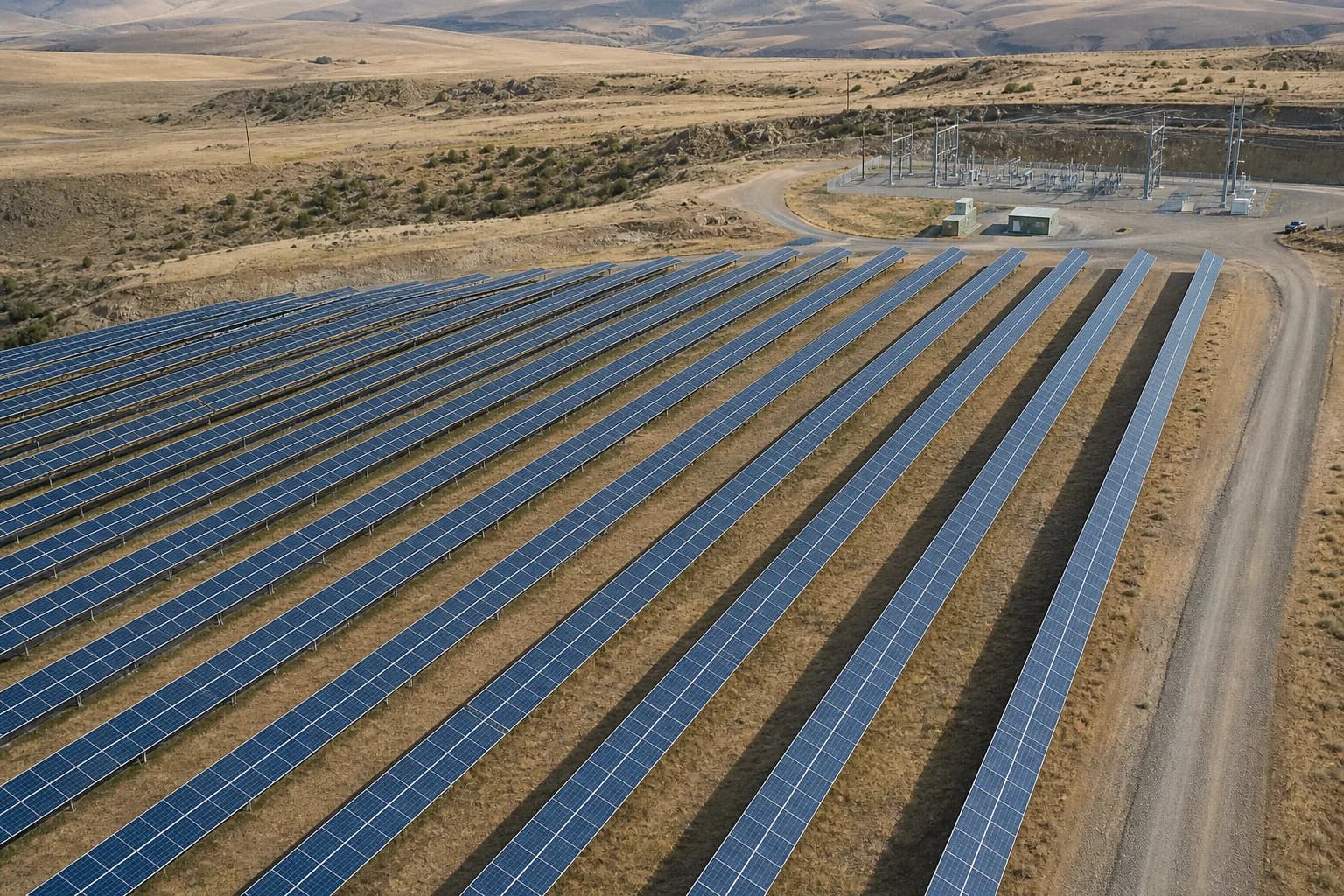
Utility procurement starts with the project's technical schedule and approved design path. Module, inverter, BOS, document, packaging and delivery decisions need to stay aligned as the site programme develops. This page supports that coordination, including model and revision control, agreed alternatives and container planning. Engineering, grid studies, permits, financing, construction and commissioning remain the developer's and appointed professionals' responsibility.
Common Challenges
- Project buyers need consistent models, traceable documents and delivery dates that match construction blocks.
- Equipment choices must follow the EPC design, grid requirements and owner or lender due-diligence process.
- Late changes to modules, inverters or logistics can affect layout, electrical calculations and site sequence.
Our Approach
Start from the developer's or EPC's approved or preliminary technical schedule.
Check availability, approved alternatives, document references, packaging and shipment sequence against the live project plan.
Keep written control of inclusions, exclusions, revisions, commercial terms and agreed delivery milestones.
Key Benefits
BOM alignment
A consolidated schedule reduces the risk of sourcing major components in isolation.
Commercial traceability
Model, revision, document, packaging, and shipment records are organized for the agreed supply scope.
Phased delivery support
Delivery batches can be planned around site blocks and receiving capacity.
Typical system flow
- 1Approved EPC design
- 2Modules + inverter platforms
- 3BOS / mounting interfaces
- 4Phased site delivery
Typical Configuration
Utility PV modules
High-power module supply aligned with the EPC's electrical and mechanical design.
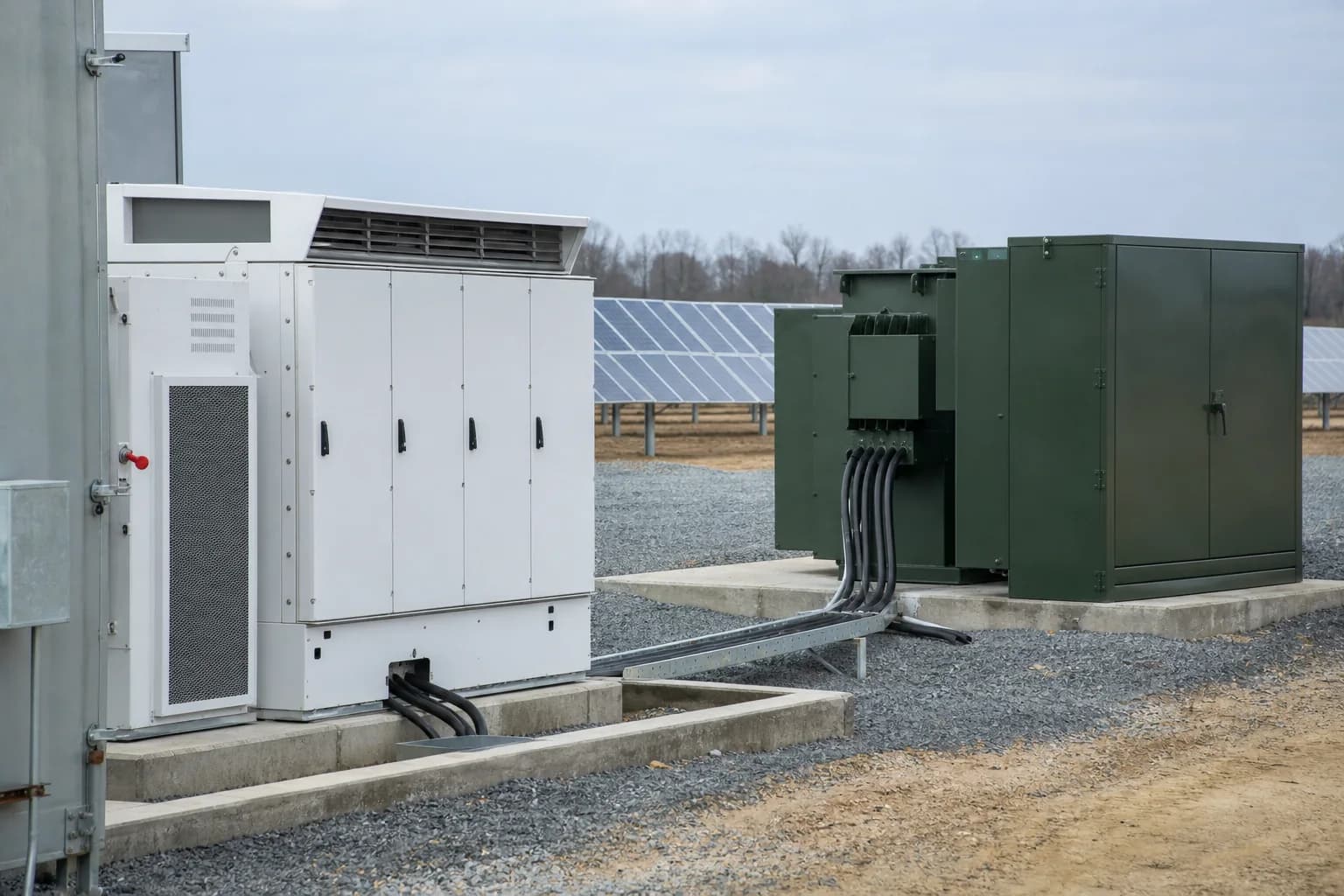
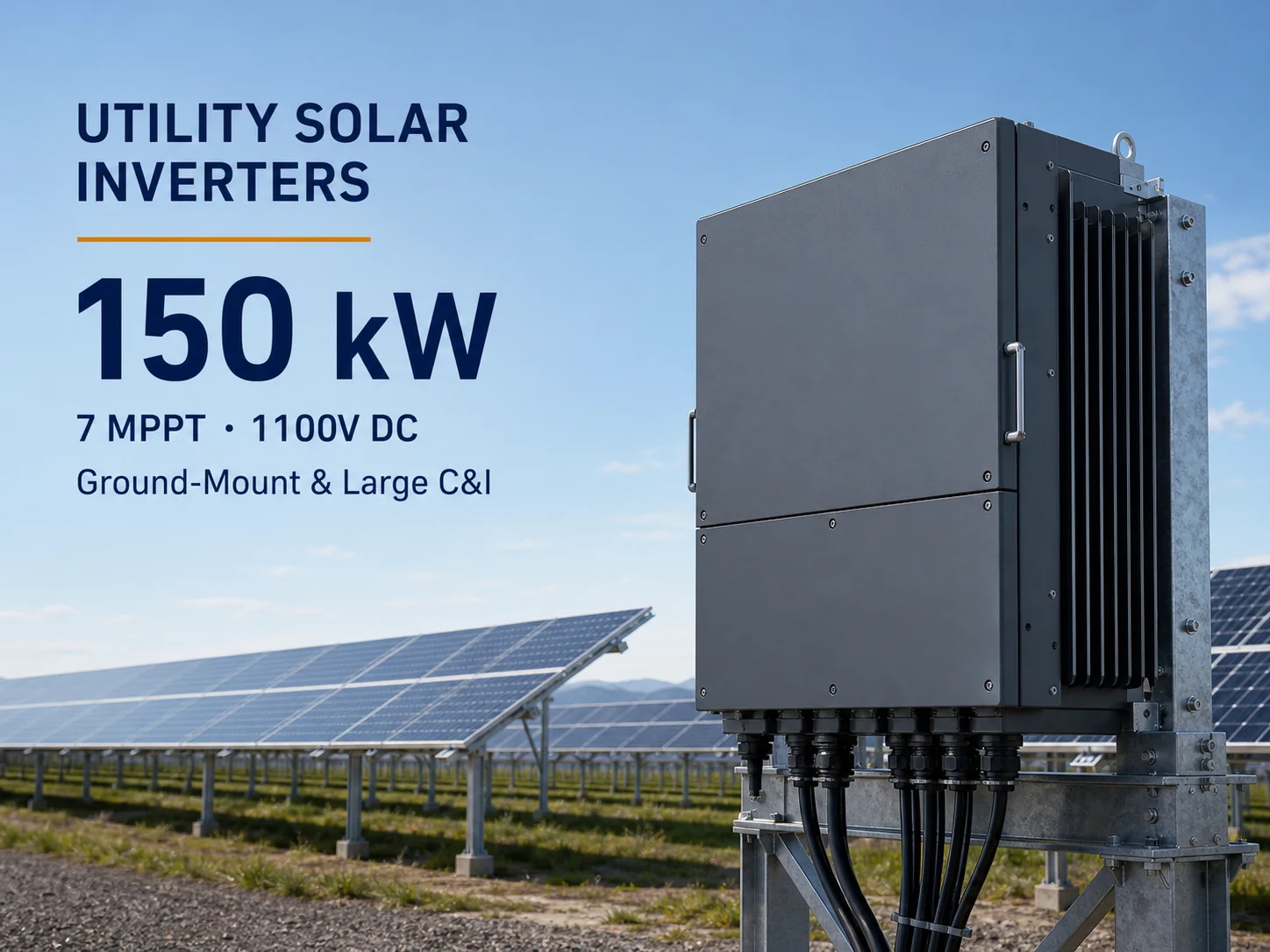
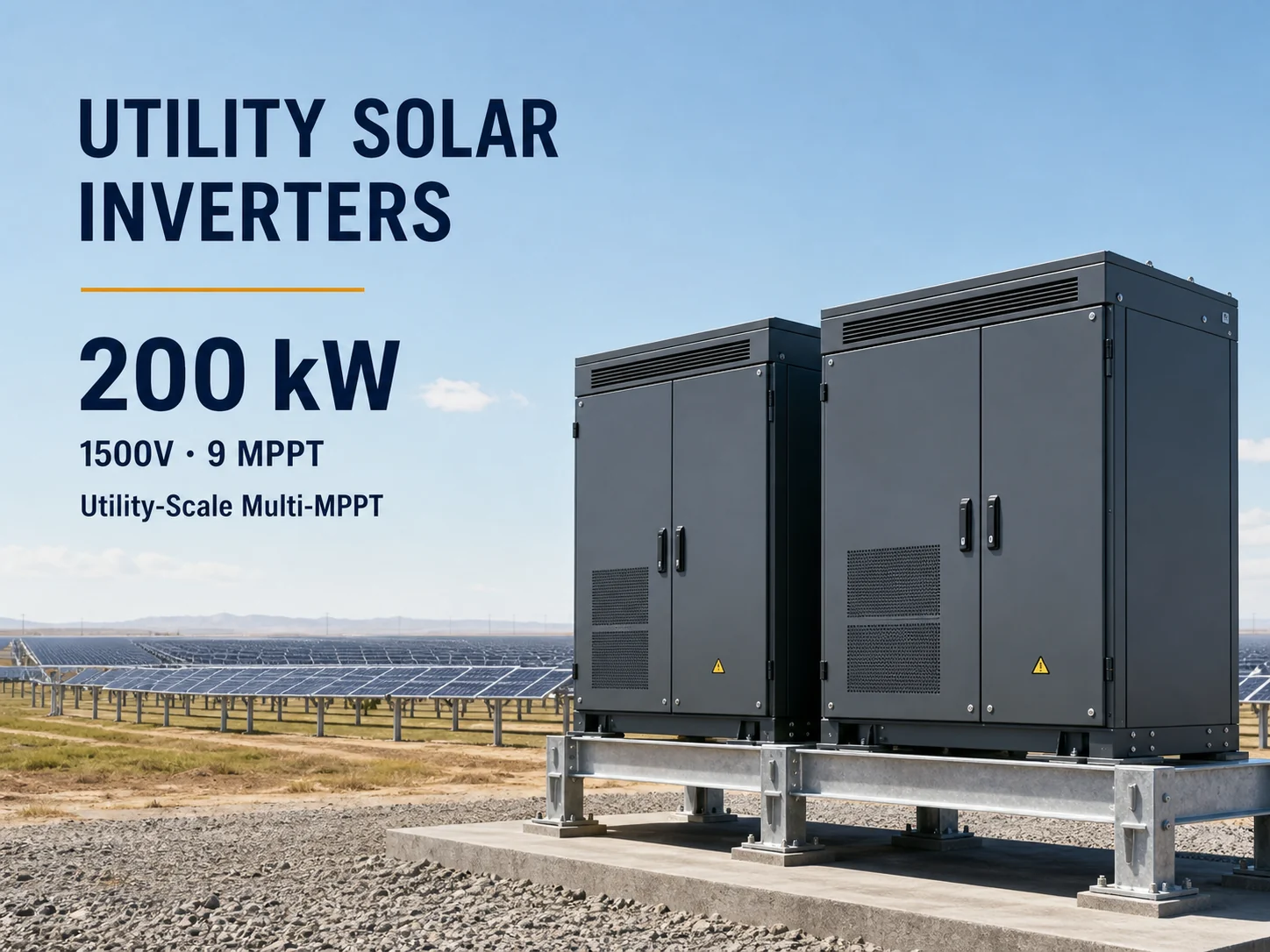
Utility inverter platforms
Large string or medium-voltage platforms selected by the project's approved design.
BOS and mounting interfaces
Racking, cabling, connectors, combiner, and monitoring items supplied only to the agreed technical scope.
Phased logistics plan
Container and packing plan aligned with manufacturing readiness, port requirements, and construction sequence.
Relevant product platforms
These are independent product research routes, not a validated system bundle. Confirm the exact model, electrical architecture, protocol compatibility, documents, inclusions and project requirements before an order is released.
Other Solutions
 C&I
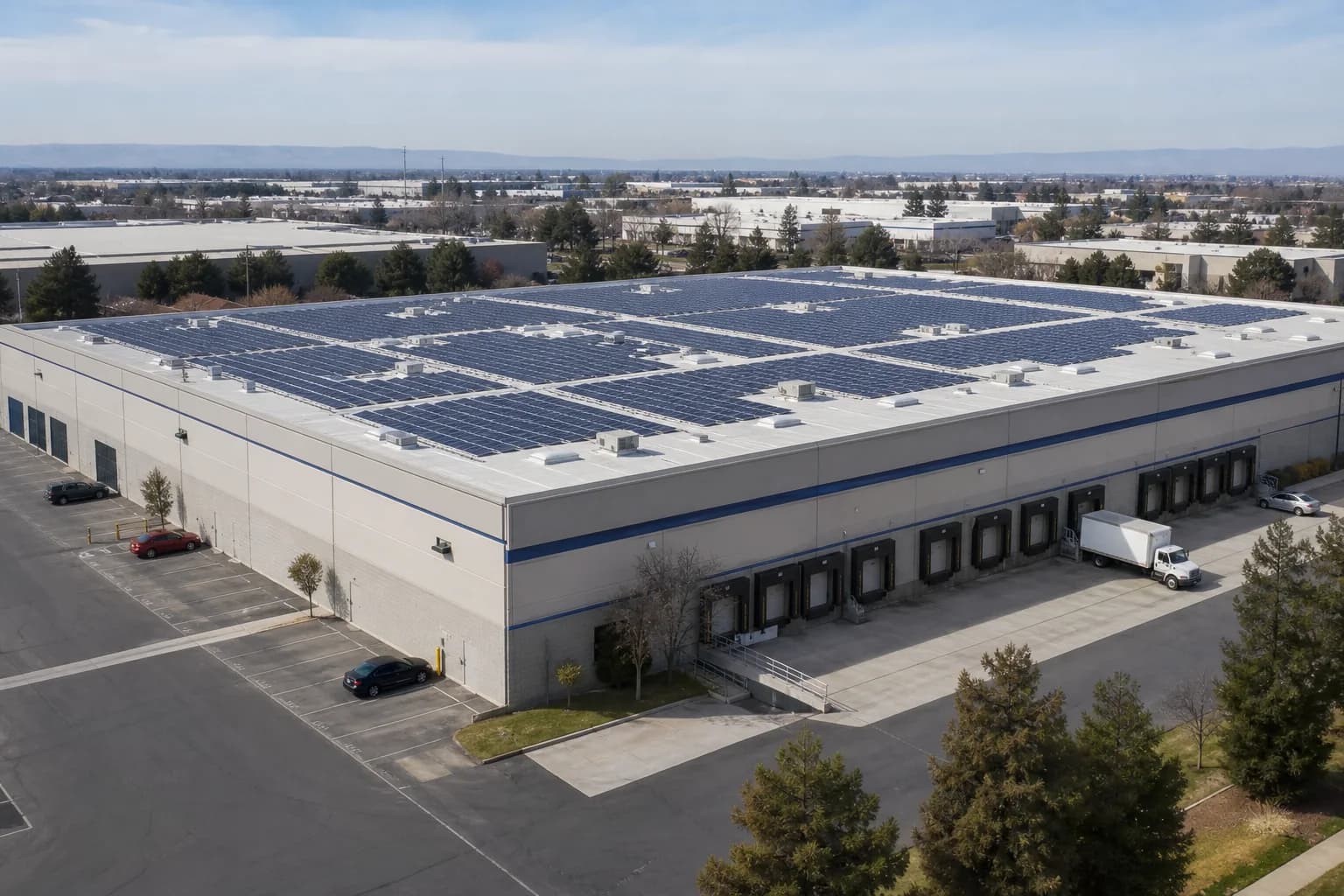
C&ICommercial Rooftop Solar
A procurement route for warehouses, factories and commercial buildings where roof use, daytime demand and construction sequencing all matter.
Start with
EPC layout and load data
Supply scope
Modules + inverters + BOS
Delivery
BOM-led and phased
 C&I
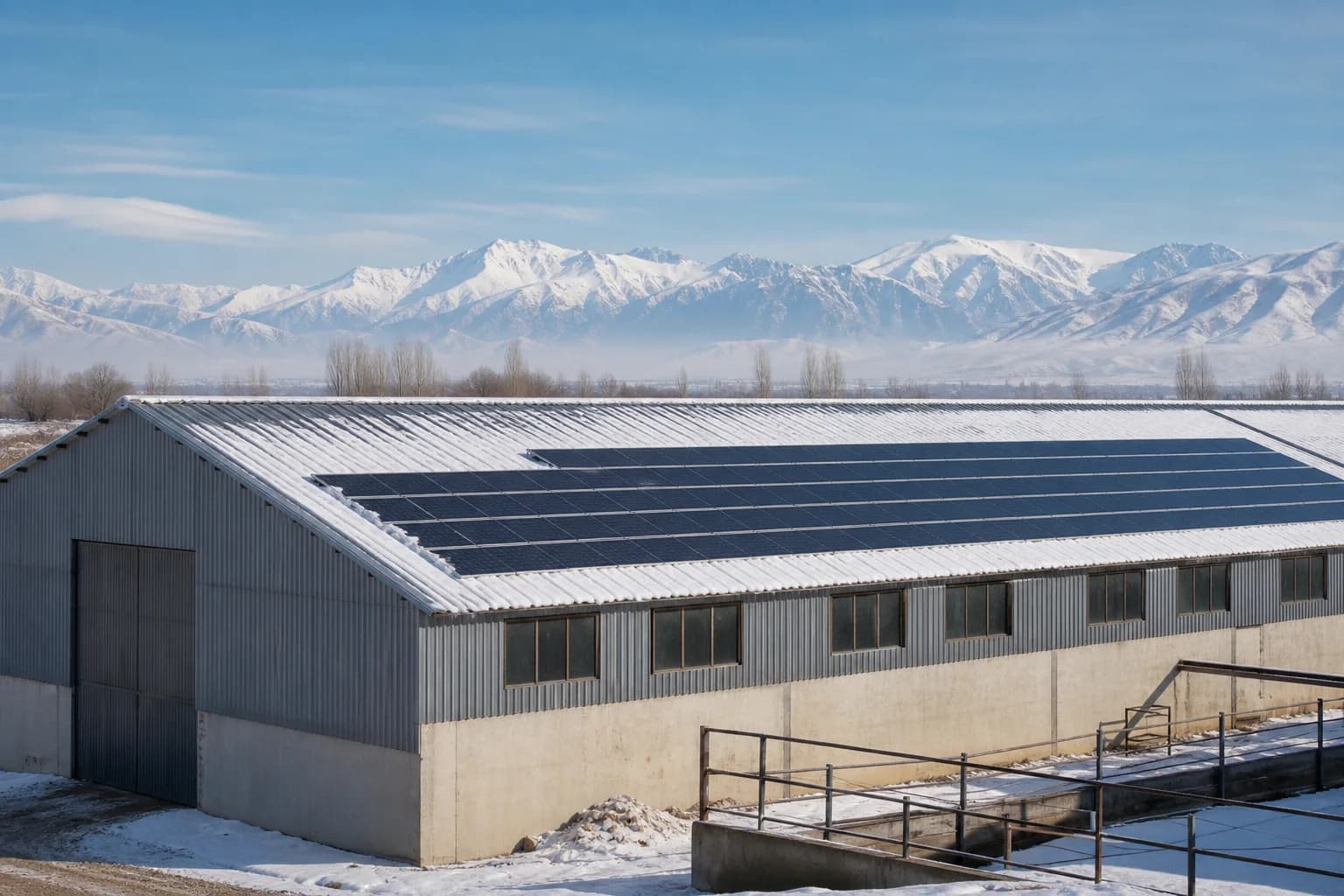
C&ICold-Climate Commercial Solar
For commercial roofs where winter access, snow, drainage and roof capacity change both the equipment request and the installation plan.
Start with
Roof + local climate data
Confirm
Drainage, access and mounting
Keep clear
Service and isolation routes
 C&I
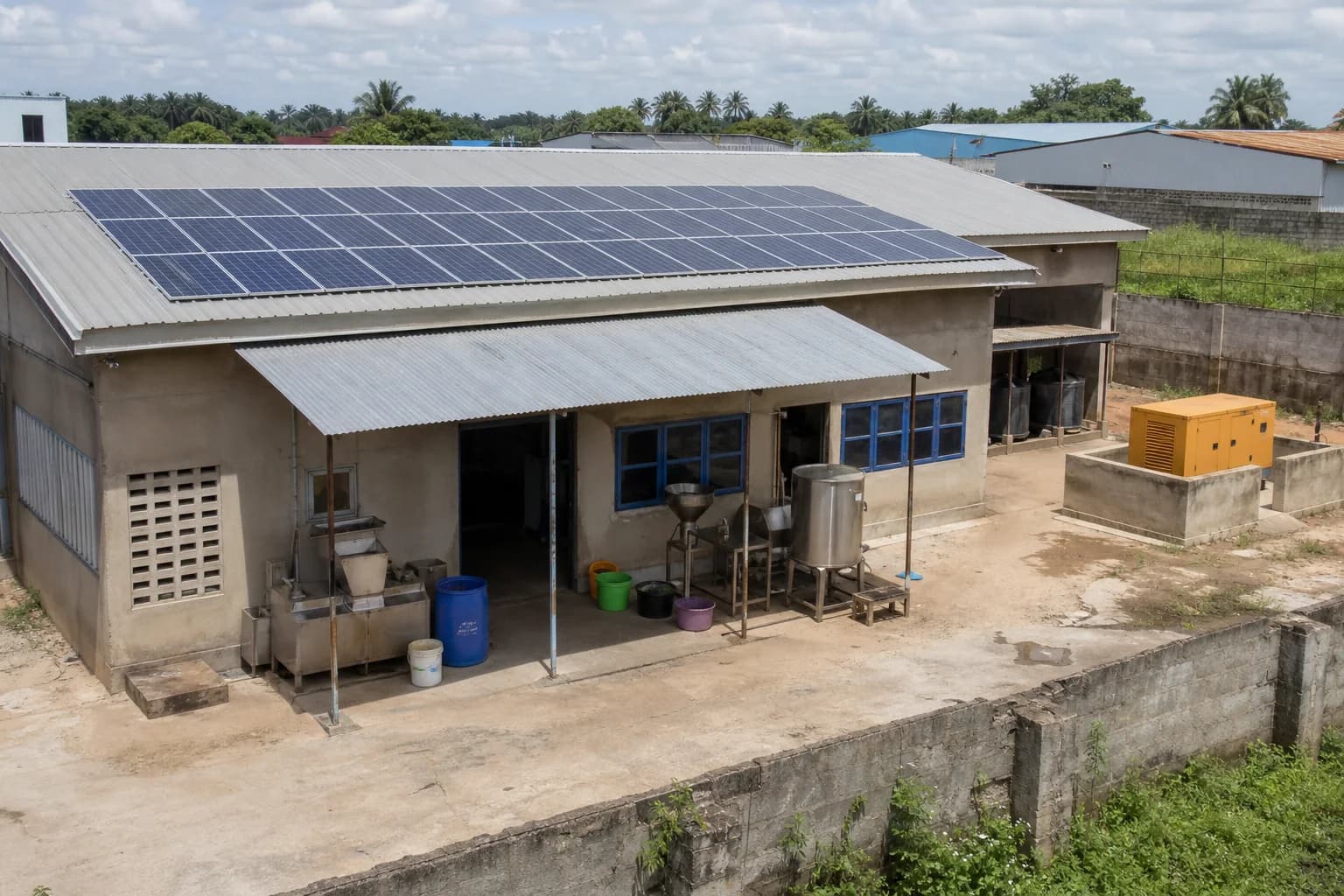
C&ICommercial Solar + Storage Hybrid
For sites where PV alone is not enough: clarify the role of storage, existing generators and priority loads before choosing equipment.
Start with
Load and generator behaviour
Define
Storage operating role
Confirm
Controls + protection scope