
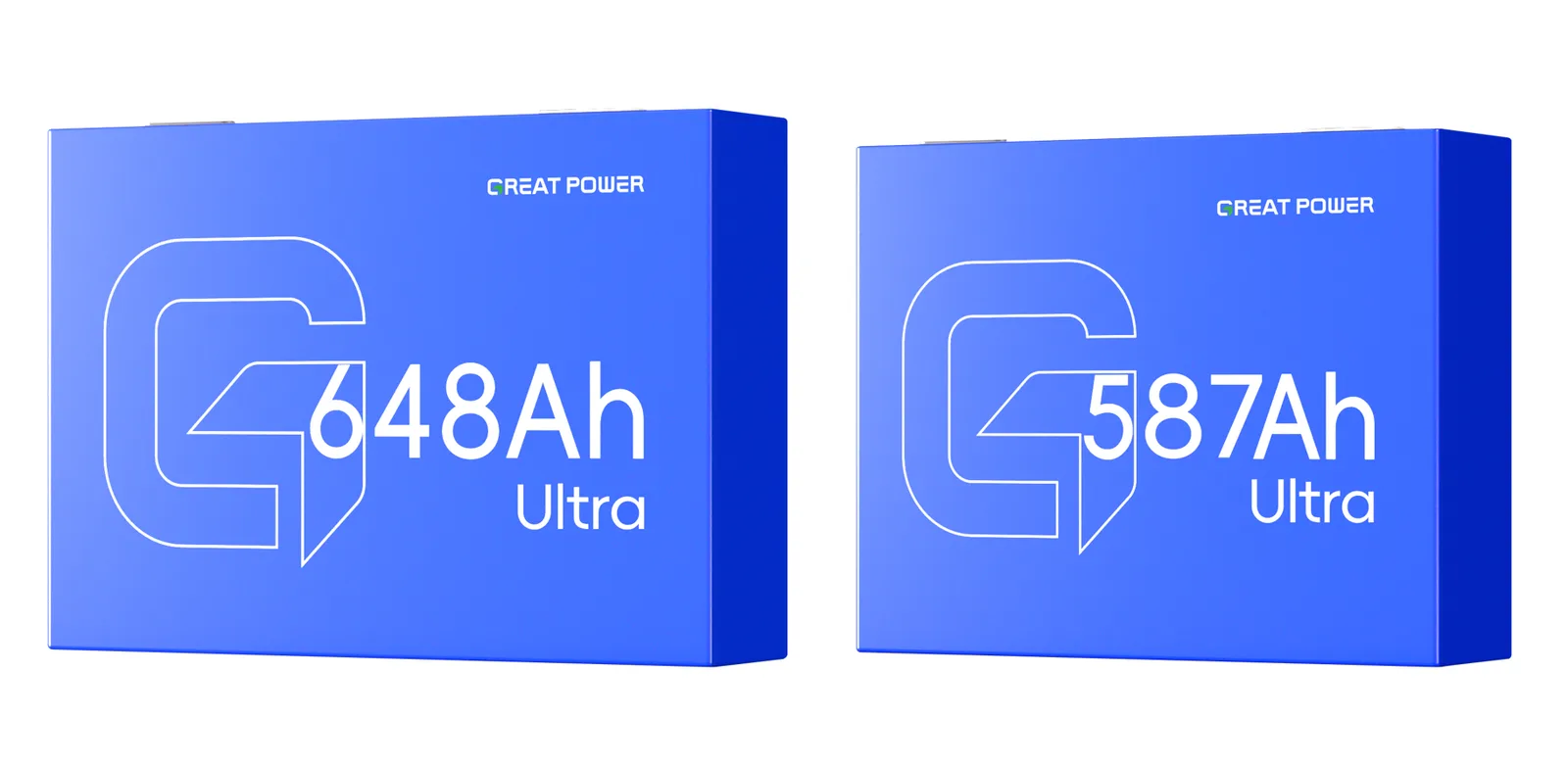
Compare the eight displayed Great Power cell, pack and rack pages
Open the exact source-derived page, preserve the full product/model descriptor and confirm current electrical, thermal, mechanical, BMS, test, transport and commercial documents before quotation approval.
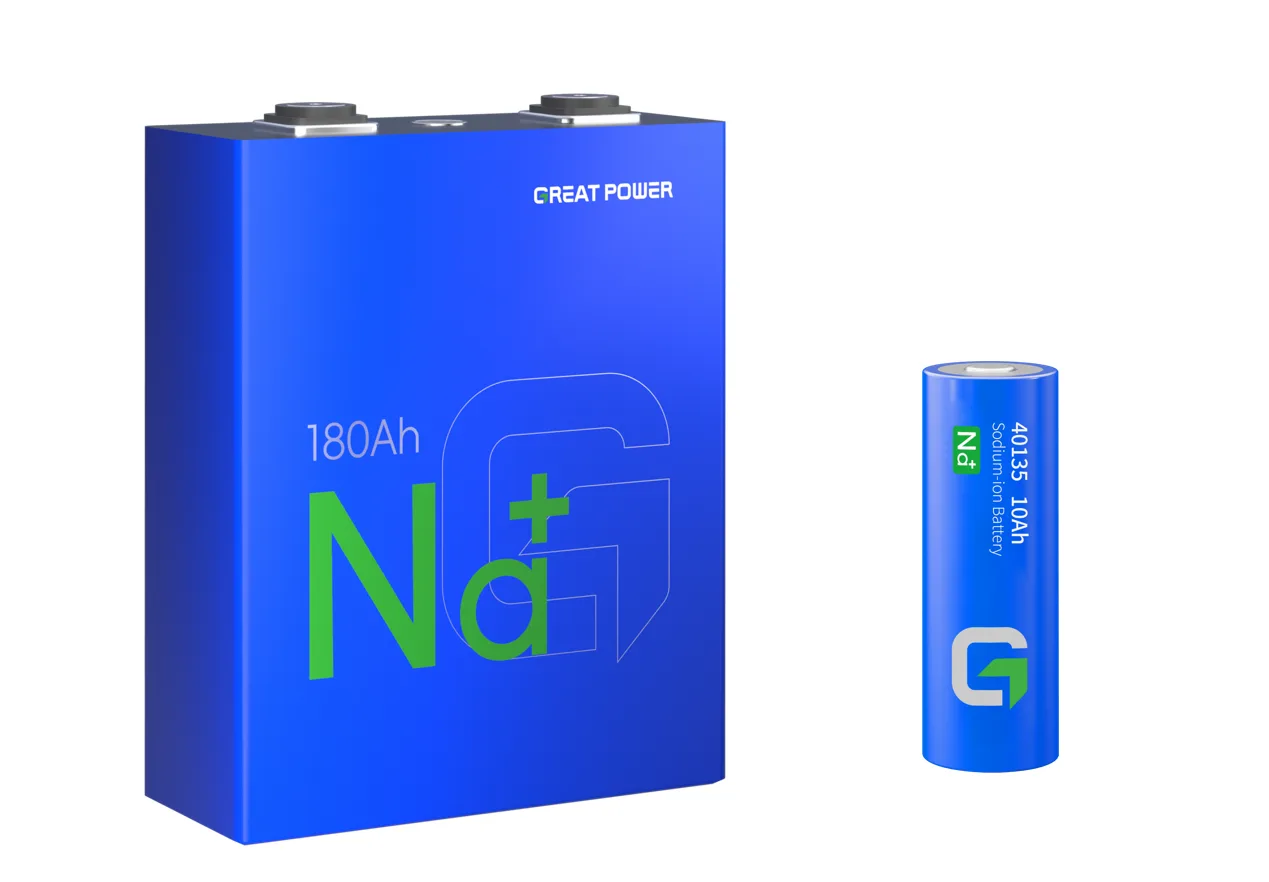
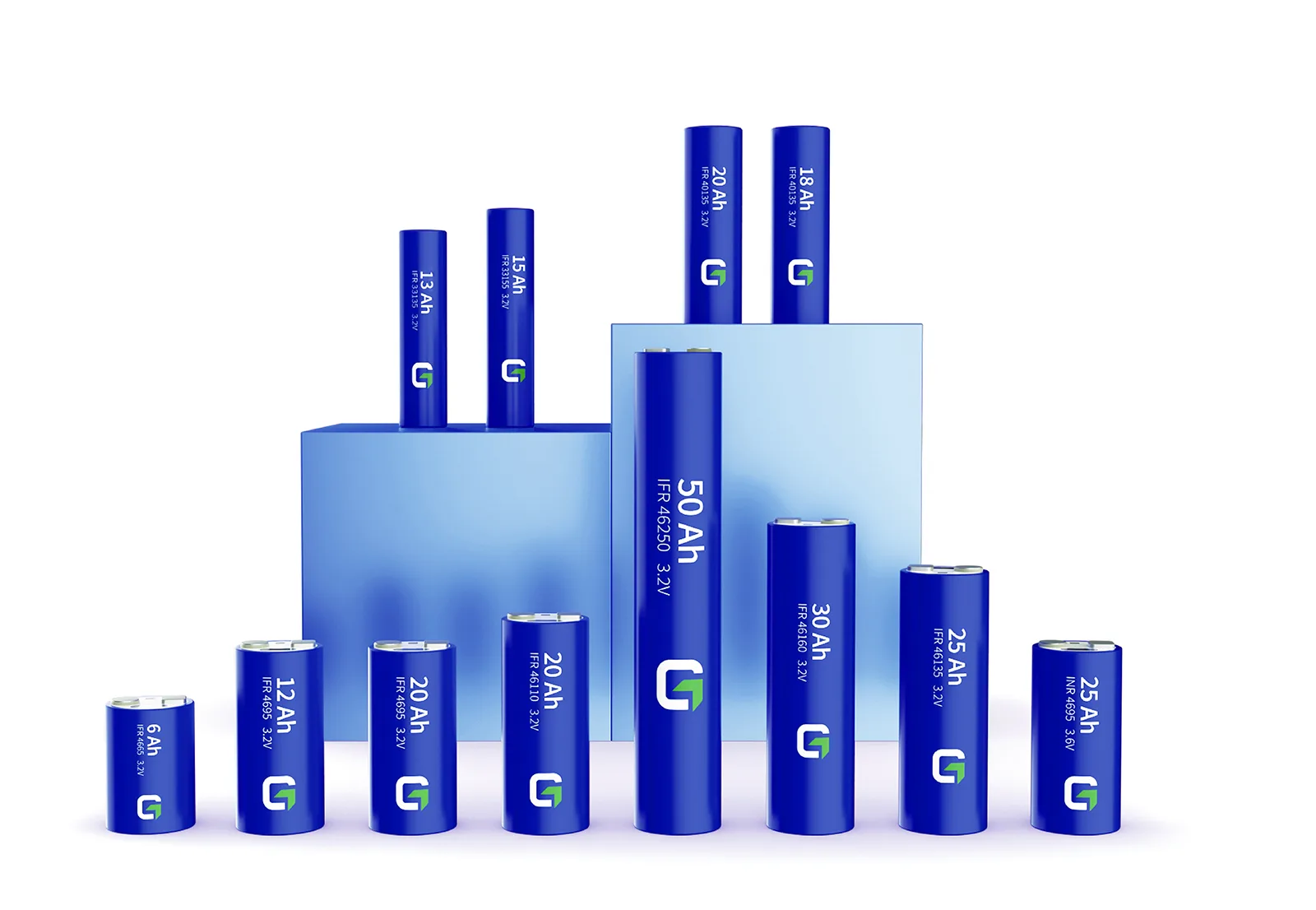
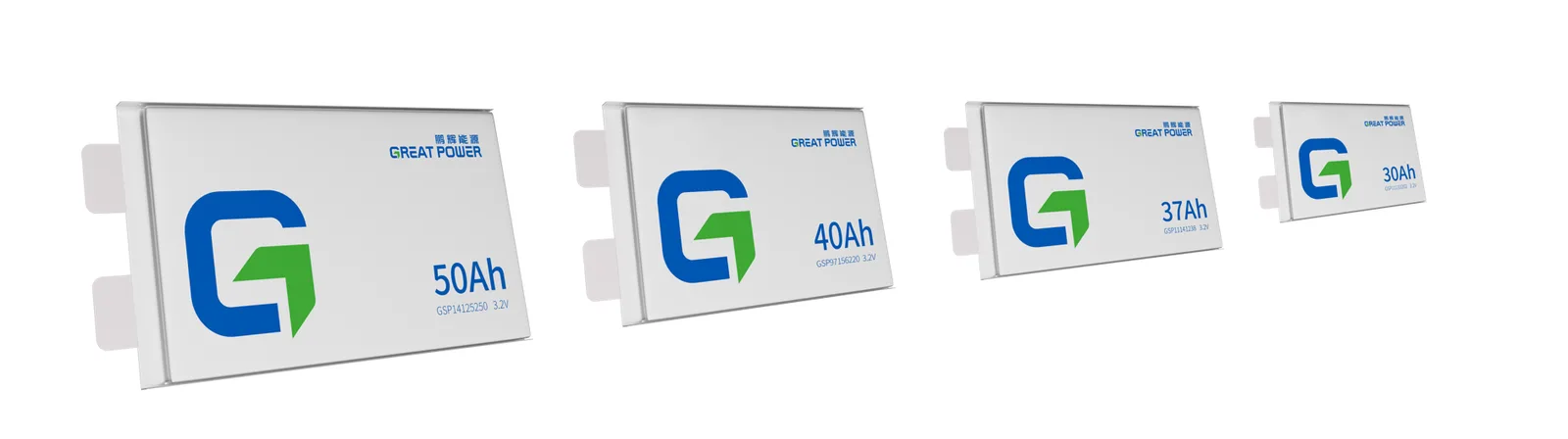
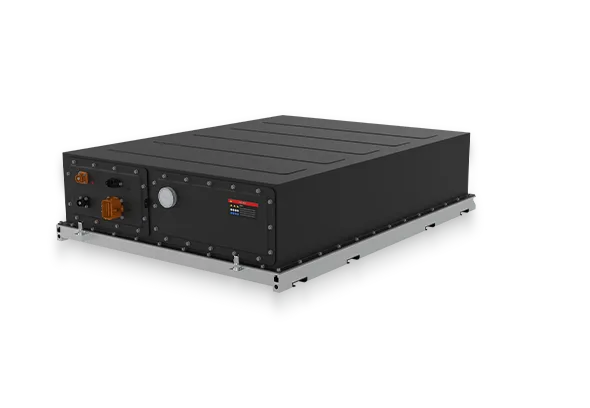
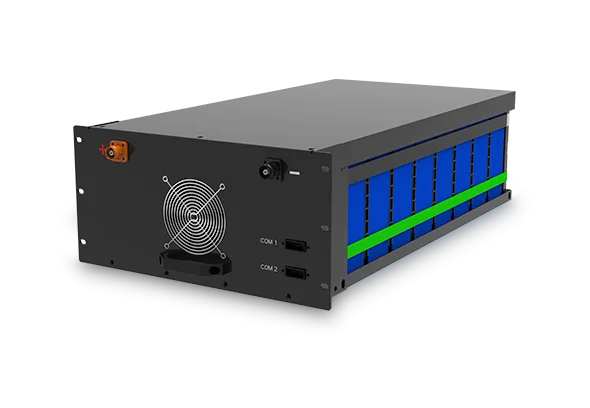
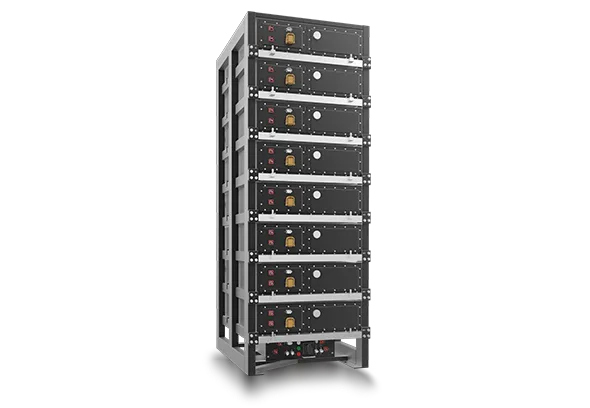
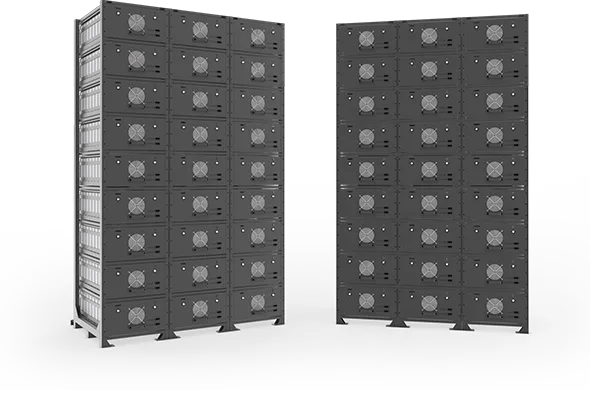
Displayed product layers
Separate cell technology from pack and rack integration
The catalogue groups different assembly levels together. Identify the procurement layer before comparing ratings, documentation or price.
Cell and chemistry topics
Displayed pages include sodium-ion, pouch-cell and large-cylinder routes. Confirm the exact cell code, chemistry, form factor, nominal voltage/capacity, dimensions, mass, rate, temperature limits, cycle-test basis and production status.
Liquid-cooled packs
LiqPack source text lists 280 Ah model descriptors and use in cabinet or container systems. Verify series count, usable voltage/energy, coolant interface, insulation, BMS, IP claim scope and supporting reports for the offered revision.
Air-cooled packs
AirPack source text lists 150 Ah and 280 Ah configurations. Confirm the complete pack code, cell arrangement, cooling airflow, enclosure, monitoring, protection, installation position and transport documents.
Parallel rack platforms
LiqRack and AirRack are rack-level routes intended for container systems. Confirm cluster voltage/energy, permitted parallel design, high-voltage box, BMS hierarchy, cooling manifold, isolation, protection and container interface.
RFQ selection checks
Six checks before shortlisting a cell, pack or rack
A procurement-ready comparison connects an exact product layer to the target system, duty cycle, environment, compliance package and responsible integrator.
Assembly level and use case
State whether the request is for loose cells, an enclosed pack or a rack/cluster, and identify residential, C&I, utility, outdoor-power or another application. These layers are not interchangeable quotation items.
Electrical and energy basis
Request nominal and operating voltage, Ah, gross and usable energy, continuous/peak current, C-rate, efficiency and tolerances at stated temperature, SOC window and beginning/end-of-life conditions.
Life and duty profile
Provide cycles per day, charge/discharge rate, depth of discharge, rest periods, ambient range and design life. Compare cycle claims only when test temperature, rate, SOC/DOD window and end-of-life threshold match.
Thermal and mechanical interface
Confirm air or liquid cooling, allowable cell/pack temperature spread, coolant and manifold requirements, dimensions, mass, mounting, enclosure/IP scope, fire barriers and service clearances.
BMS and system integration
Define sensing, balancing, contactors, fuses, pre-charge, isolation monitoring, communication protocol, master/slave BMS, high-voltage box and responsibility for cabinet/container controls and protection.
Evidence and commercial release
Request current datasheet, drawing, test reports/certificates within their exact scope, UN38.3 test summary, SDS, transport classification, quality traceability, warranty, MOQ, sample/production status, lead time and change control.
Engineering and evidence boundaries
A category label or source claim is not a completed battery system approval
Suitability depends on the exact cell or assembly revision, duty profile, integration design and destination requirements. Keep these limits visible in the RFQ.
Cell, pack and rack data cannot be mixed
A cell capacity or cycle figure does not define pack usable energy, thermal behavior, efficiency or service life. Pack and rack results include additional interfaces and operating limits.
Cooling claims need a test boundary
Temperature-difference, cycle-life or thermal-propagation wording must be tied to the exact test article, method and report. It should not be generalized to an unverified cabinet or container design.
Listed standards are not universal approval
A source page may mention UL, IEC or UN references, but applicability depends on the exact model, report/certificate scope, revision, production site and destination authority. Obtain and review the current documents.
Component supply leaves system responsibilities
PCS, EMS, fire system, HVAC, switchgear, enclosure, grid connection, commissioning and performance guarantees are outside a loose-cell or pack scope unless explicitly included and documented.
Continue the battery review
Connect the shortlist to system compatibility and export files
Use the guides to organize interface checks and shipment evidence before approving a sample or production order.
Battery and inverter compatibility checks
Review voltage/current windows, BMS protocol, firmware, approved pairing, protection and commissioning evidence when a pack or rack will enter an ESS.
Review compatibility checks
Battery export document checklist
Use the UN38.3, SDS, transport, labeling, packing and traceability checklist for the exact battery model and shipment route.
Review export documents
Great Power cell and pack FAQ
Questions to close before fixing the battery assembly
These answers organize procurement; final battery engineering, validation, transport and system approval remain model- and project-specific.
Does this Great Power category contain only battery cells?
No. The eight displayed pages mix cell or chemistry topics with liquid- and air-cooled packs and racks. Confirm whether the RFQ needs a cell, pack or rack because electrical interfaces, BMS, cooling, enclosure, protection, documentation and integration responsibility differ.
How should cycle-life claims be compared?
Use the exact model and the same charge/discharge rate, temperature, SOC and DOD window, rest periods and end-of-life capacity threshold. Ask for the test method and report scope; a source-page statement should not be transferred to another cell, pack or completed system.
Do UL9540A, UL1973, IEC62619 or UN38.3 mentions approve the whole ESS?
Not automatically. Review the exact report or certificate, test article, model coverage, revision and destination requirement. Component evidence does not by itself approve the PCS, enclosure, fire system, HVAC, switchgear or site installation.
What should a Great Power cell, pack or rack RFQ include?
Include assembly level, application, exact model, quantity, voltage/capacity/energy and current, duty cycle and life basis, thermal/mechanical interface, BMS and protection scope, requested test and transport documents, warranty, sample or production status, destination and delivery target.
Great Power cell and pack procurement
Great Power Energy Storage Cells, Packs and Racks
Compare eight displayed source pages covering sodium-ion and pouch-cell topics, the large-cylinder HOME-III family, plus LiqPack, AirPack, LiqRack and AirRack platforms. Despite the category name, this is not a cell-only list: packs and racks introduce enclosure, series/parallel arrangement, cooling, protection and system-integration boundaries. Preserve the exact product and model descriptor, then confirm chemistry, electrical data, thermal design, BMS interface, applicable test reports, transport evidence, production status and the intended cabinet or container architecture.
Prepare a Great Power cell, pack or rack RFQ
Send the target assembly level, application, electrical and life requirements, thermal/BMS interface, compliance and transport files, quantity, destination and schedule.