
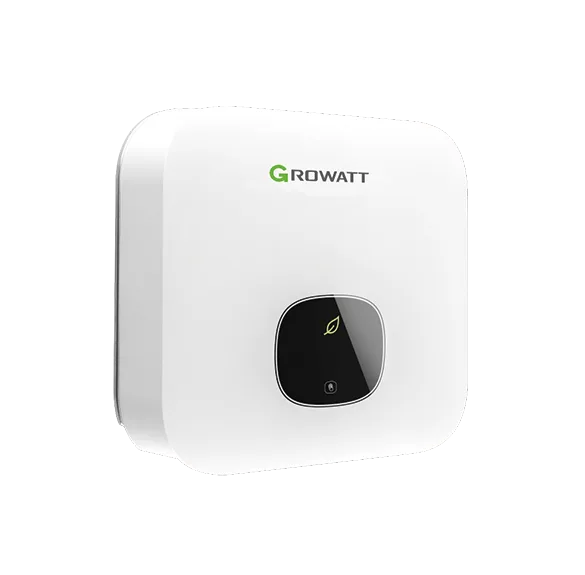
Compare the 57 displayed Growatt energy storage pages
Open the exact component or system page, then confirm full model pairing, current ratings/files, included accessories and scope, release/availability, warranty and destination requirements.
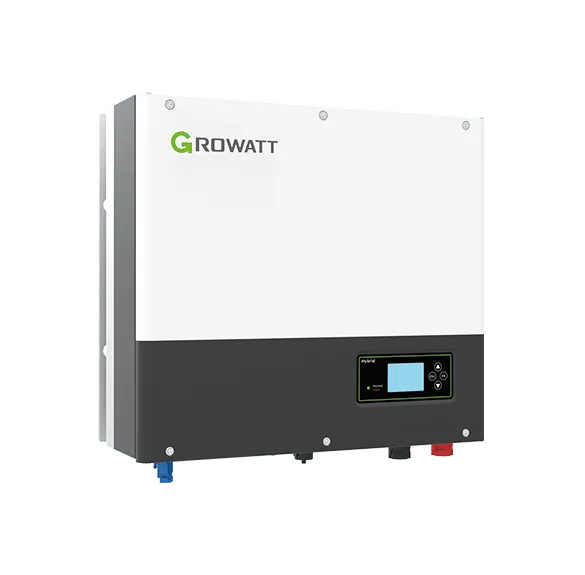
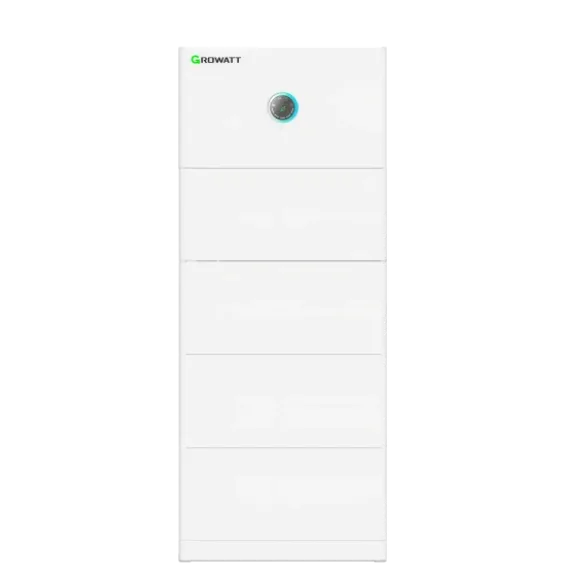
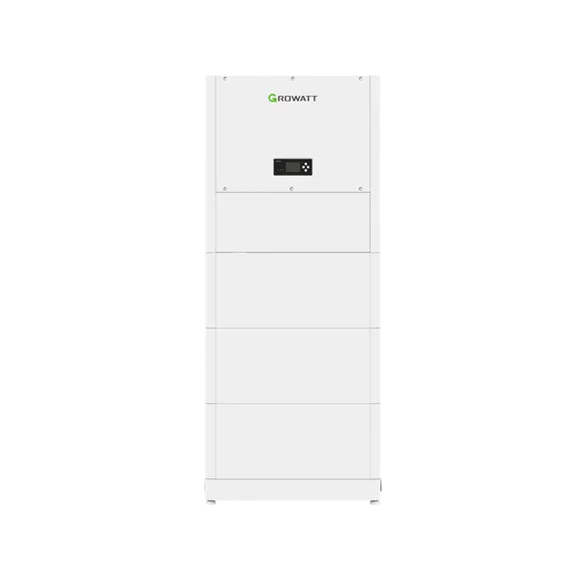
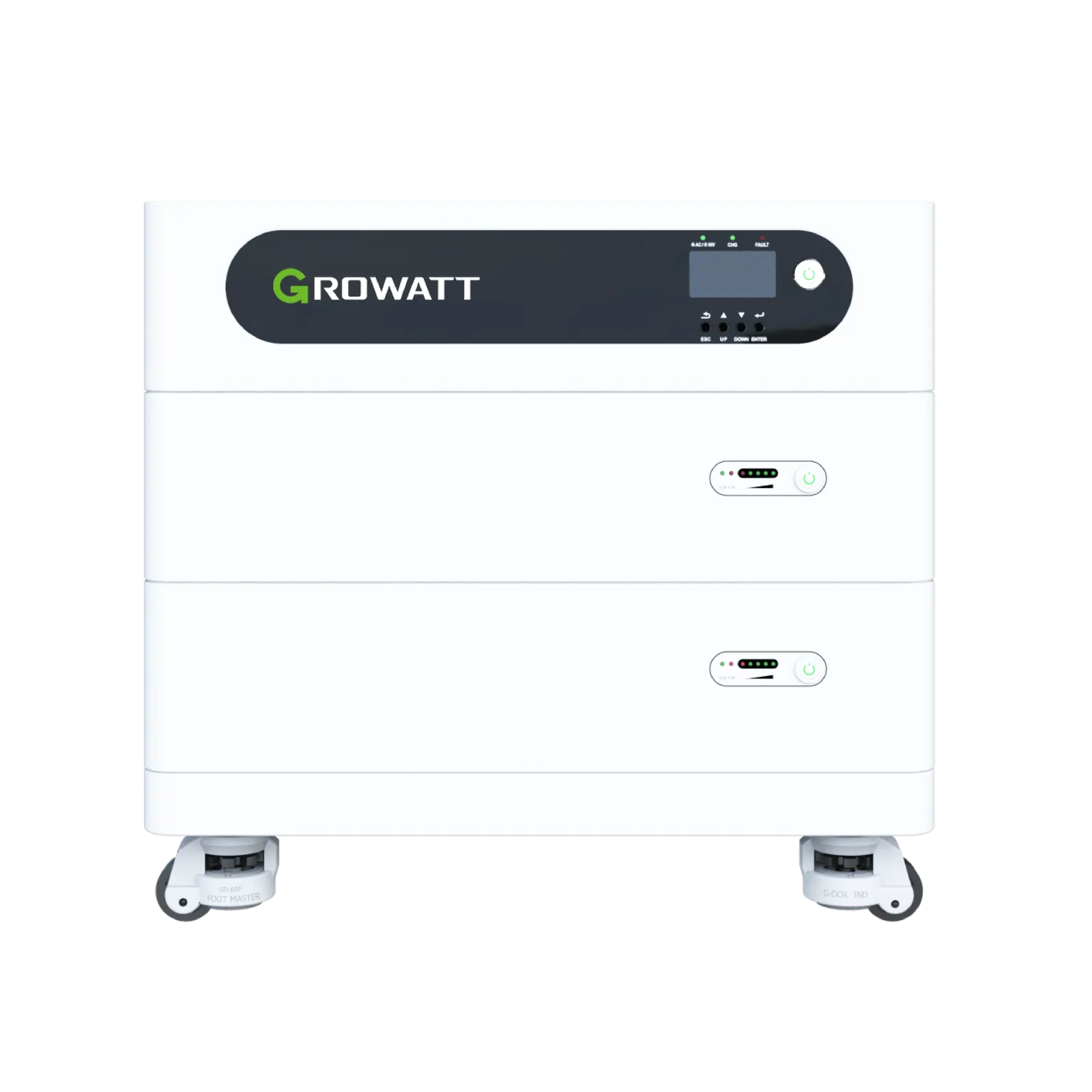
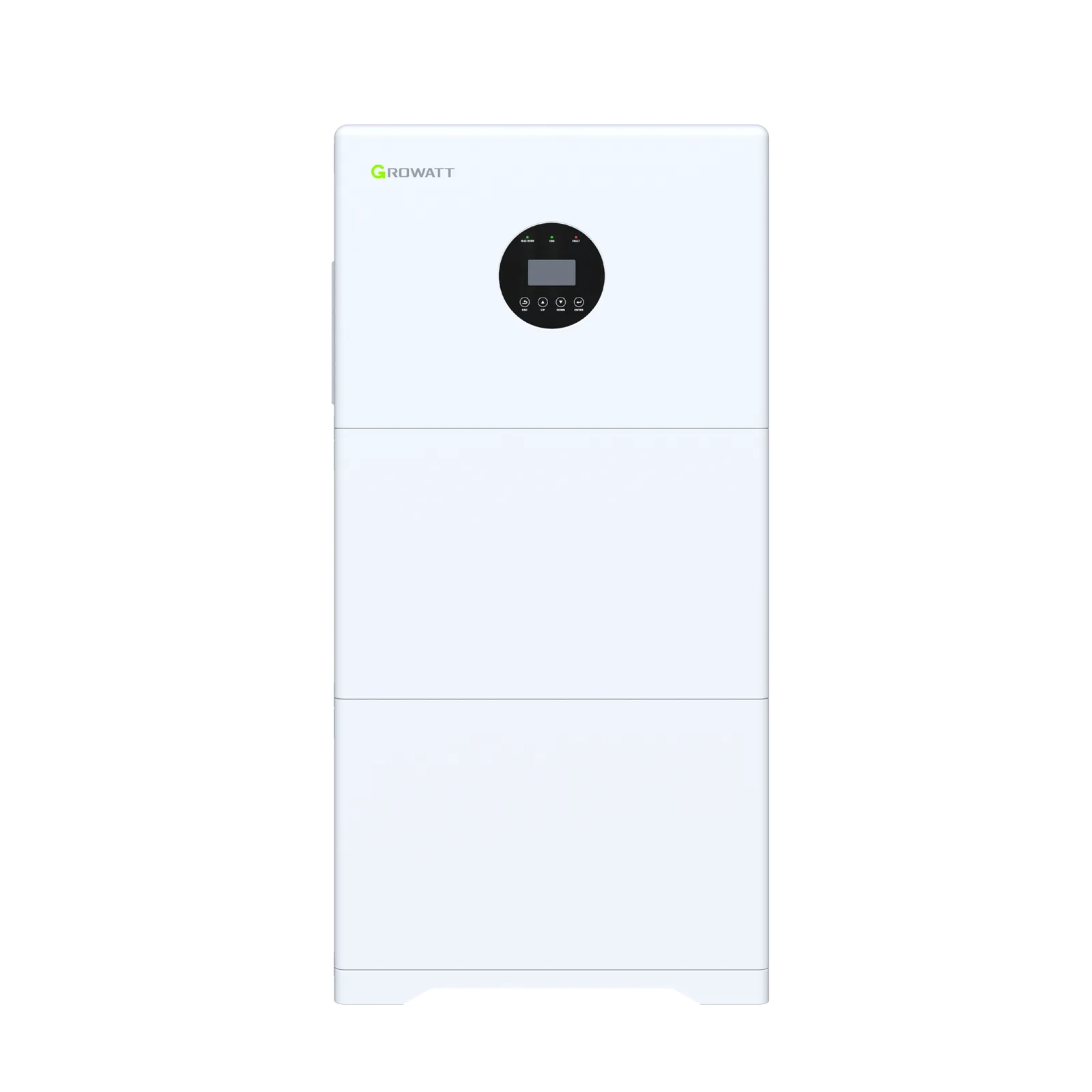
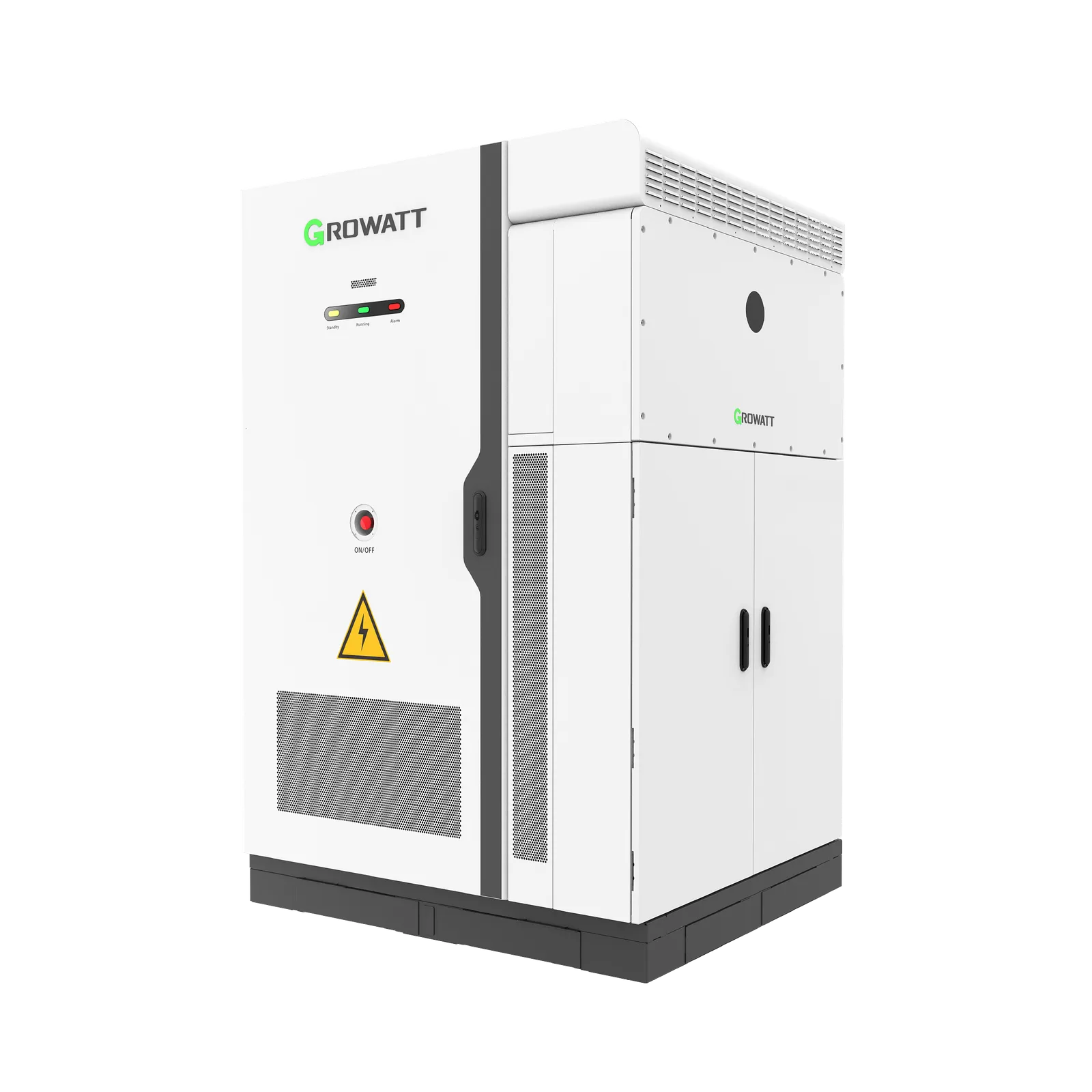
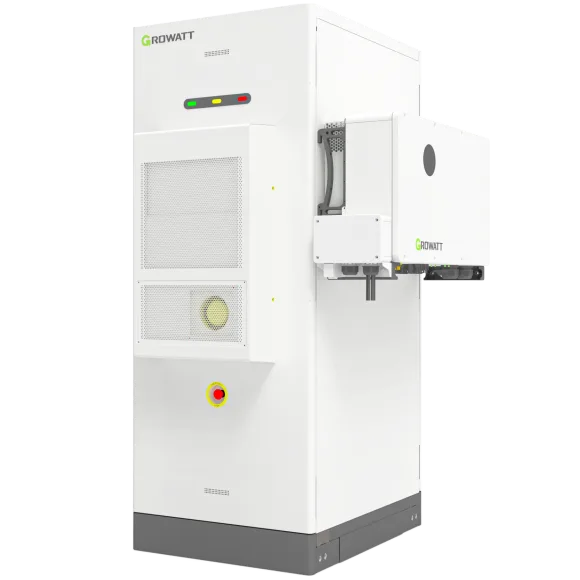
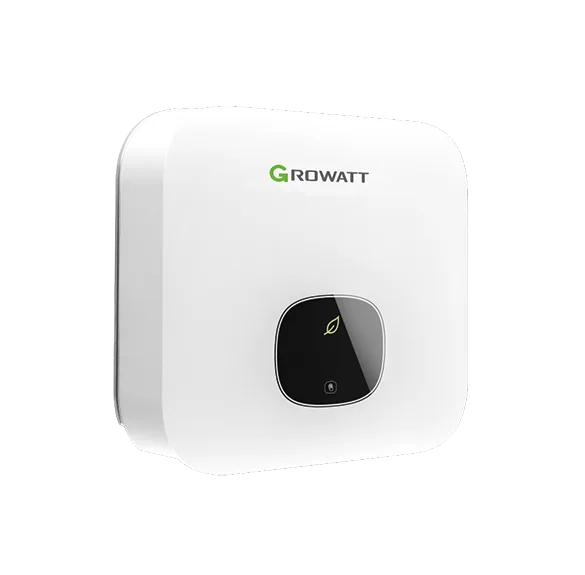
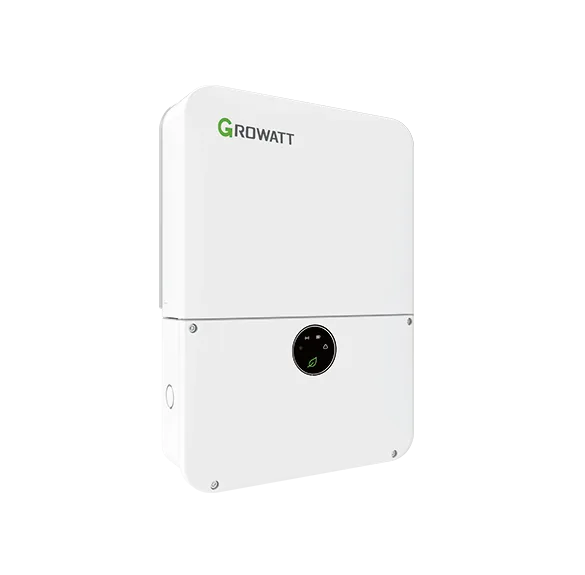
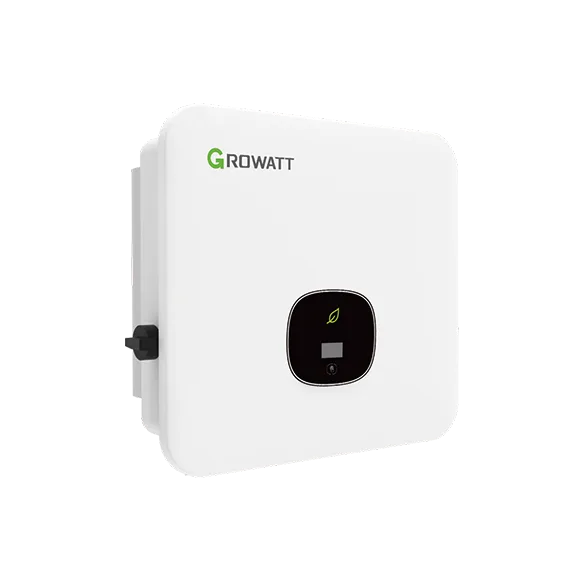
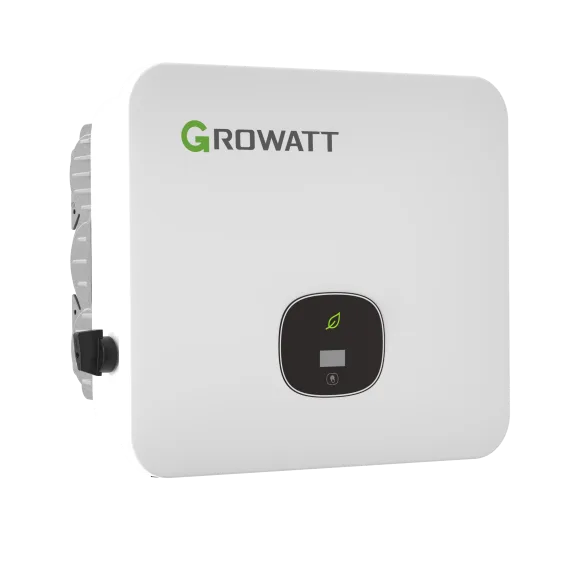
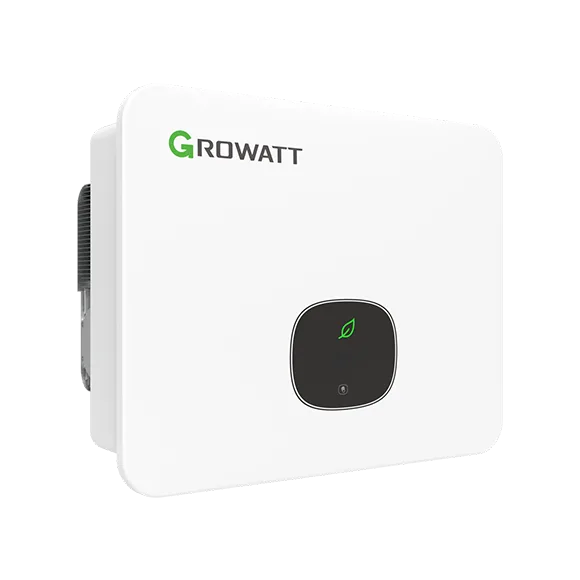
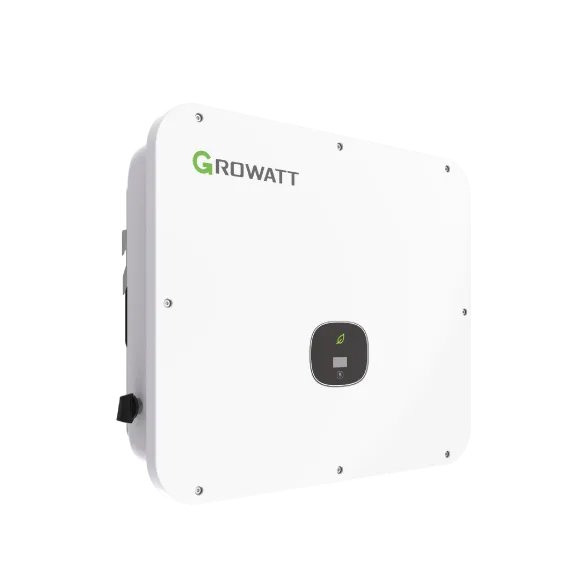
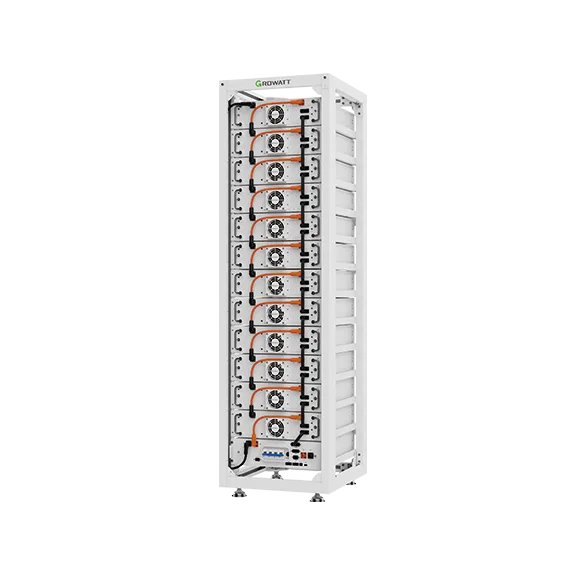
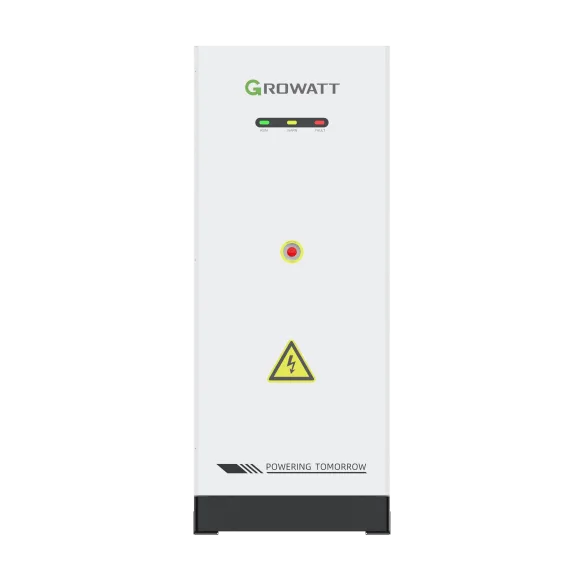
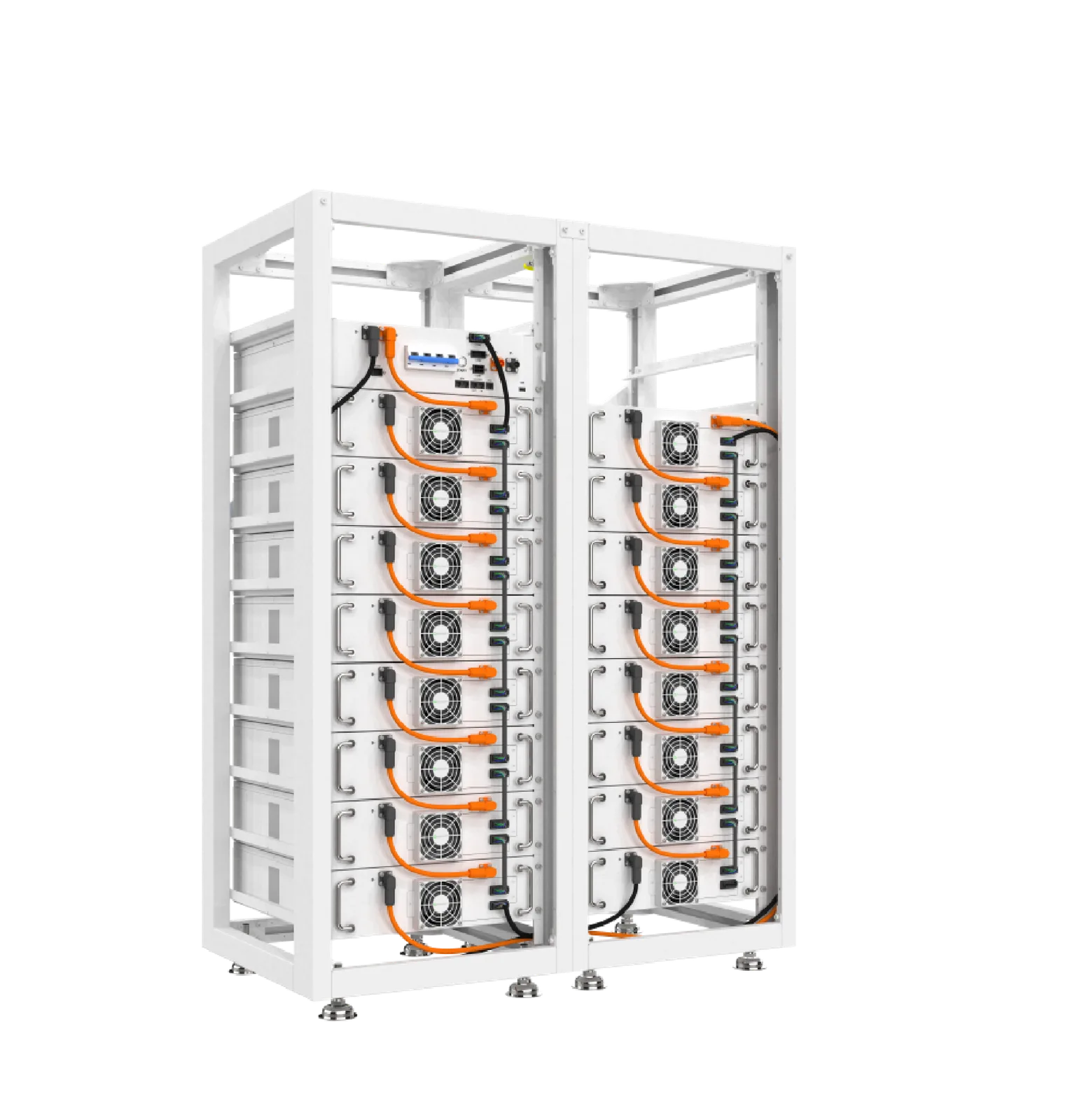
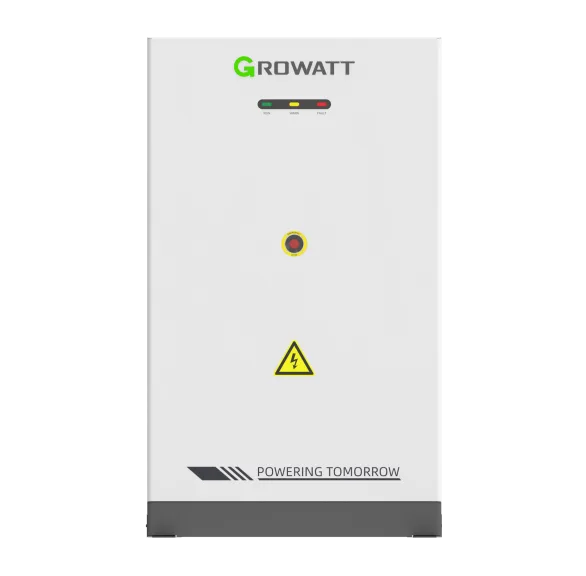
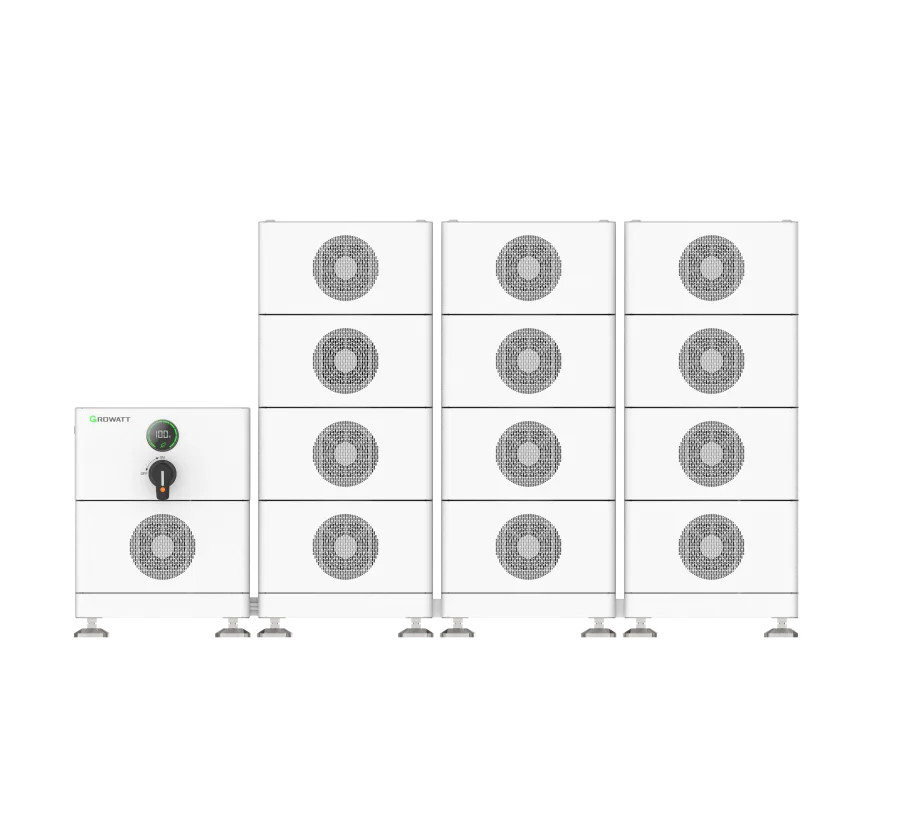
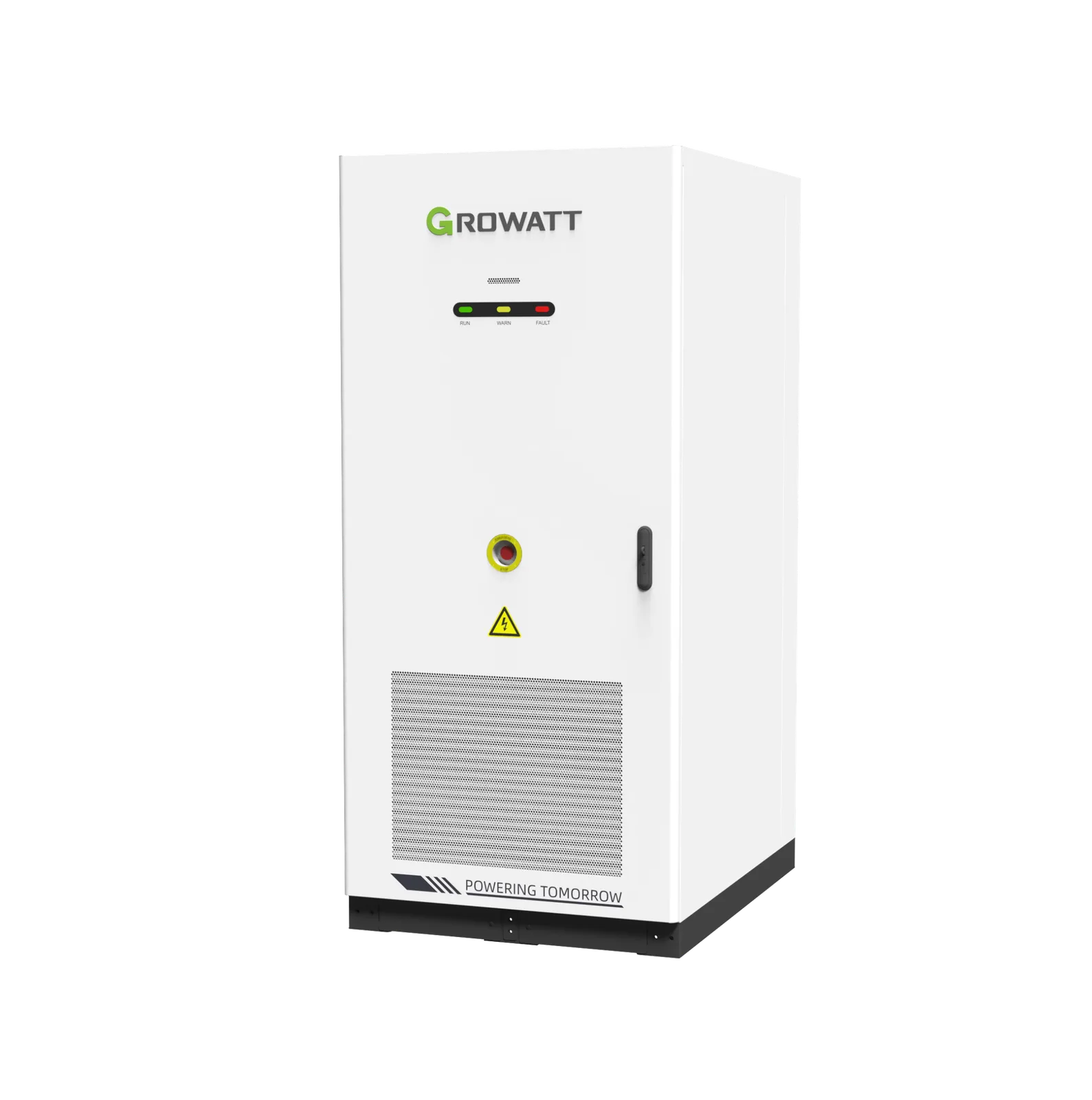
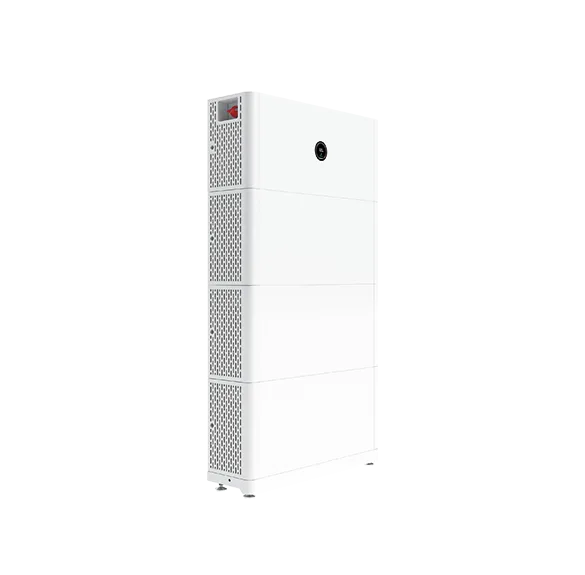
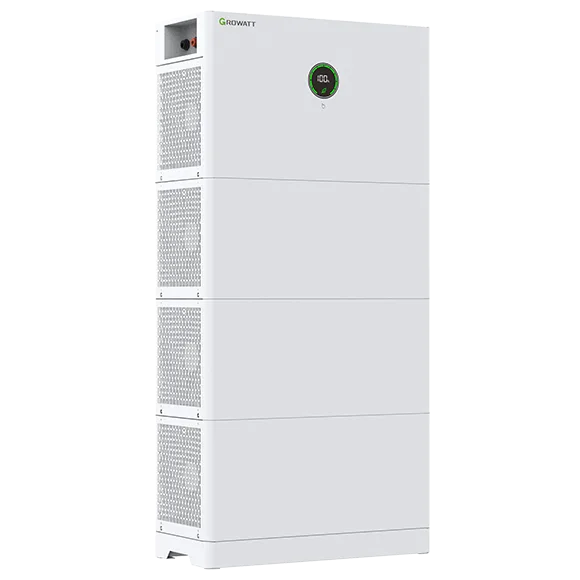
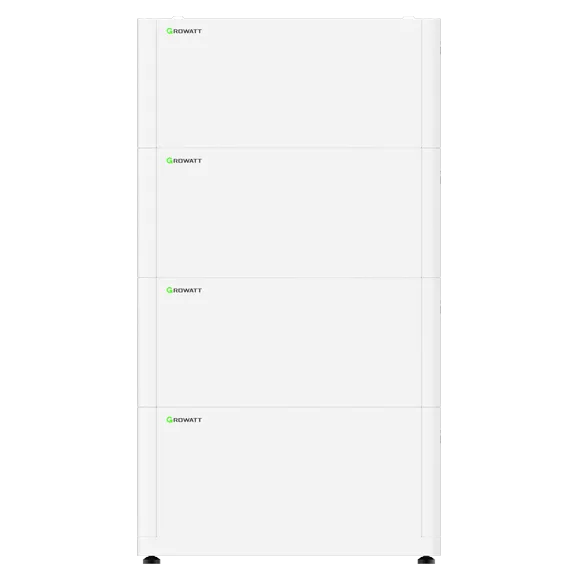
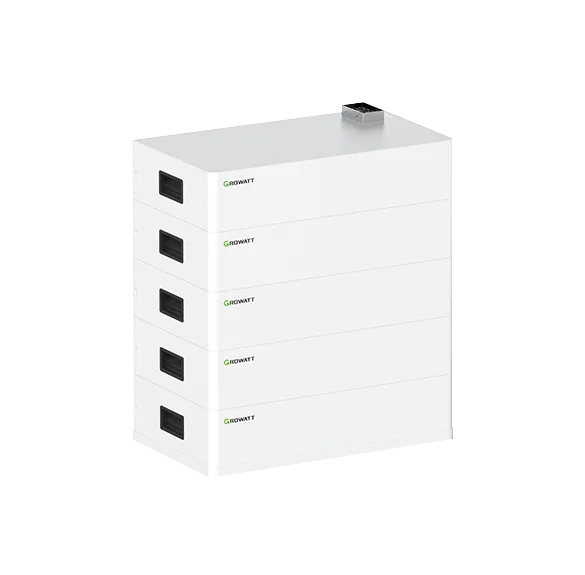
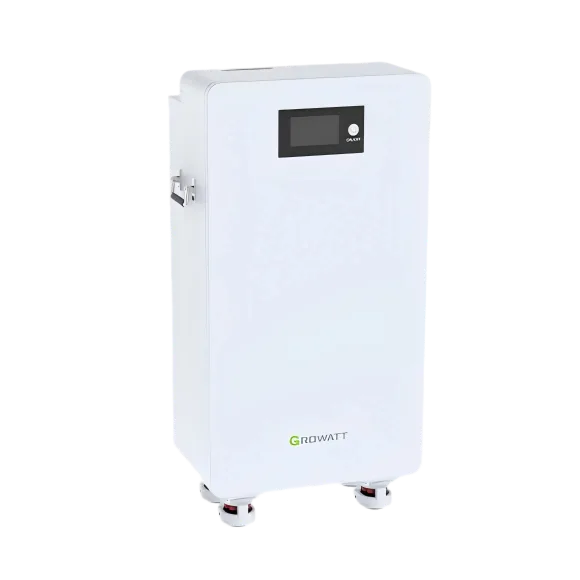
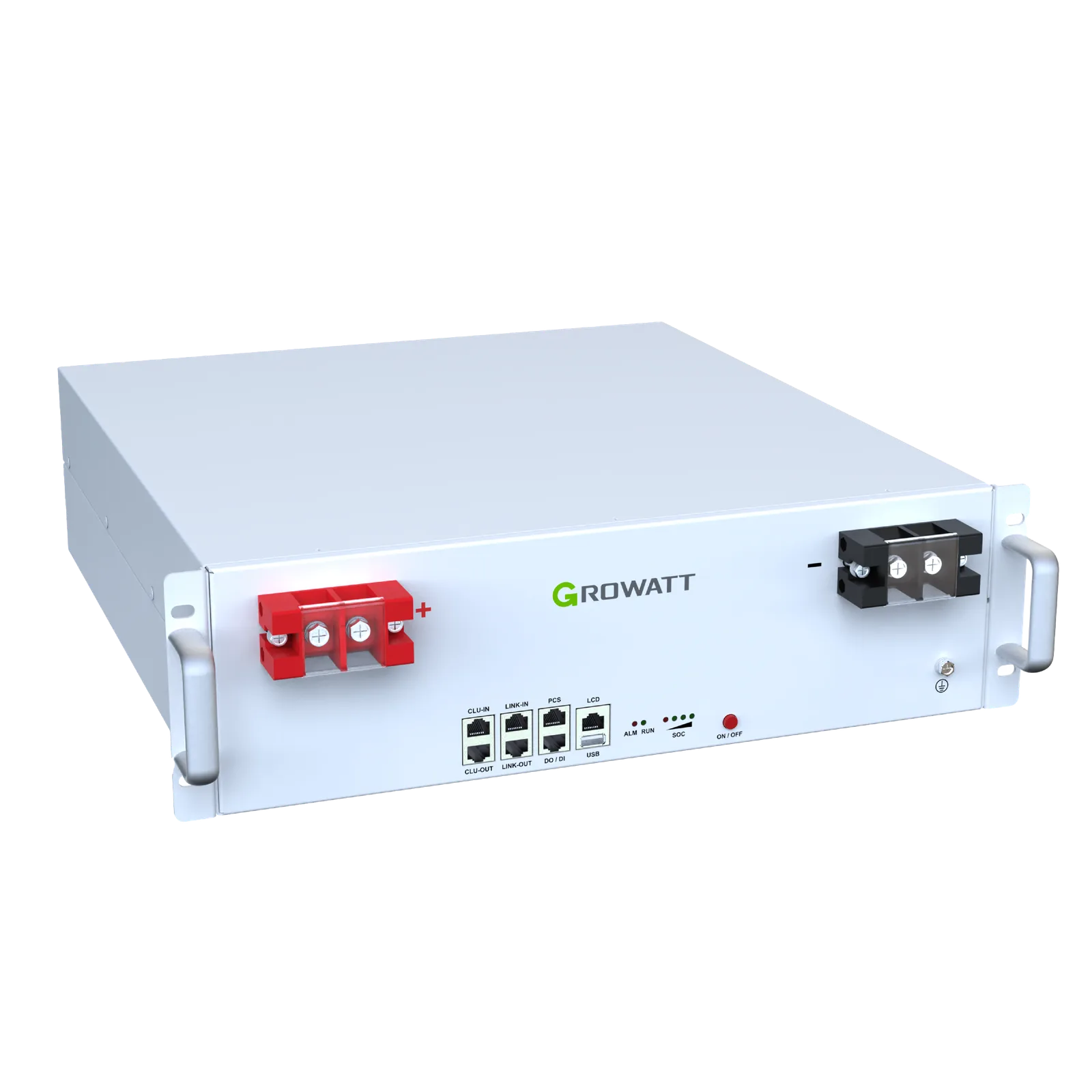
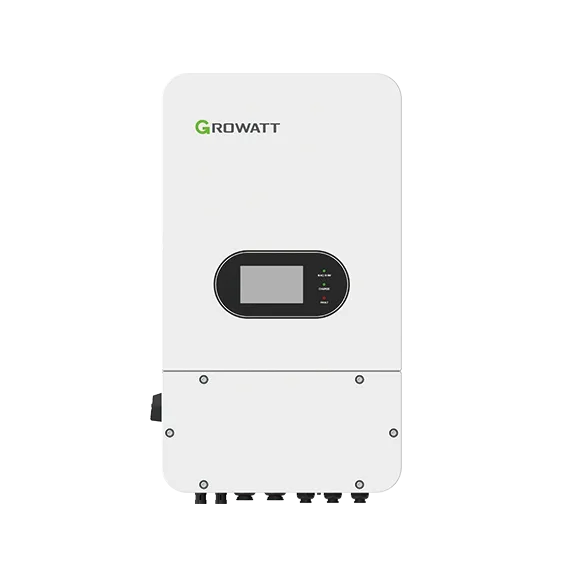
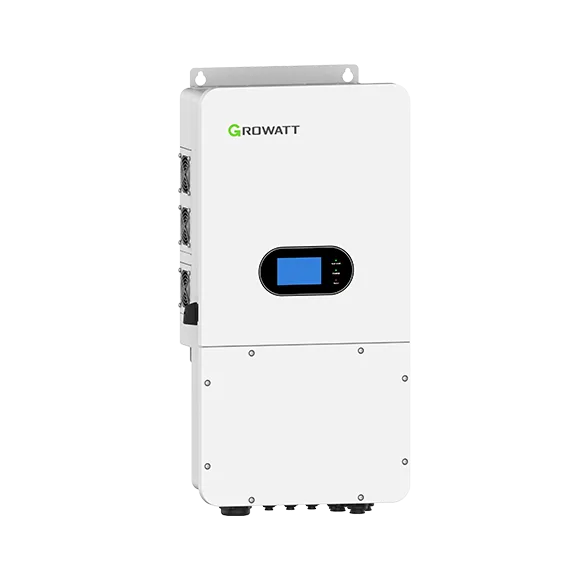
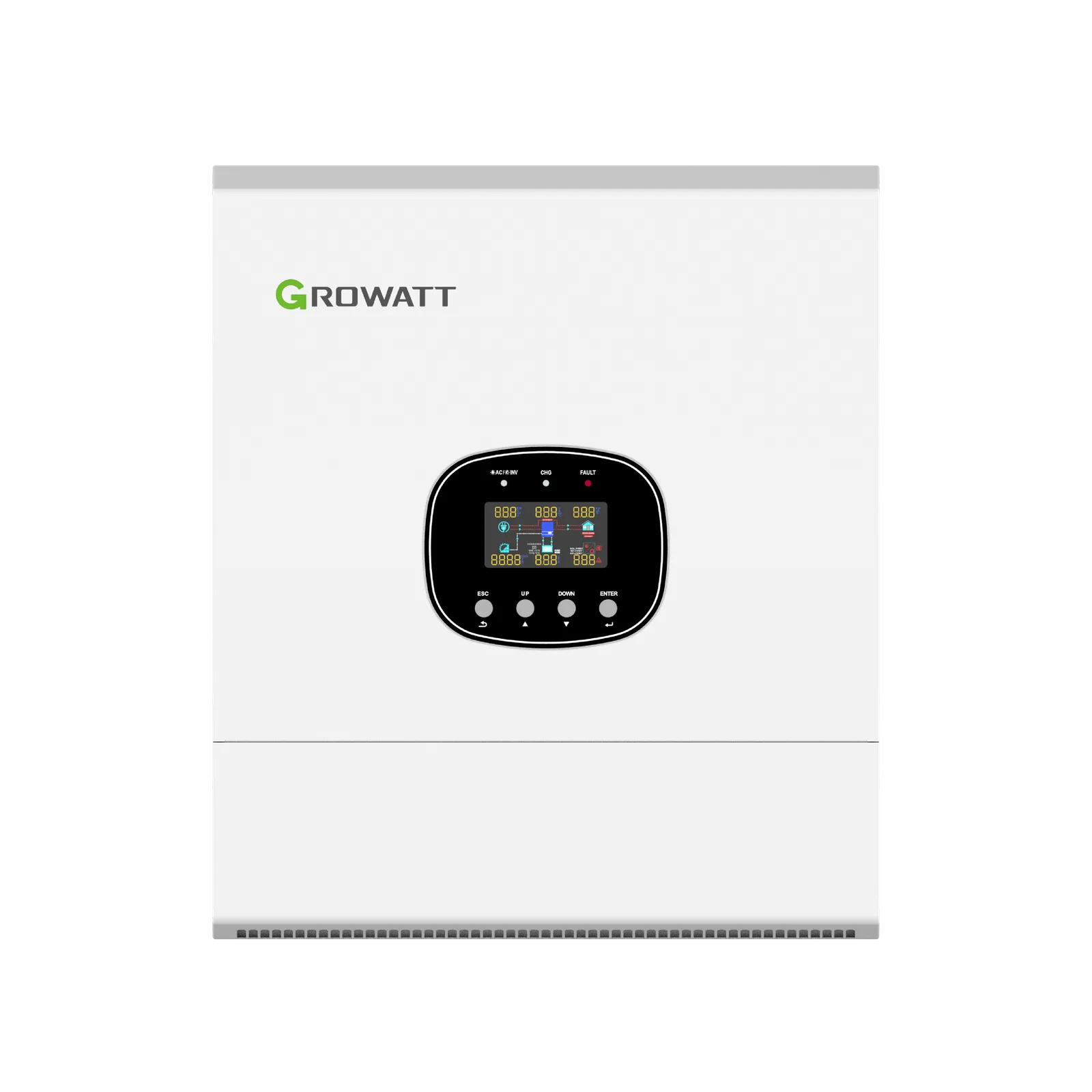
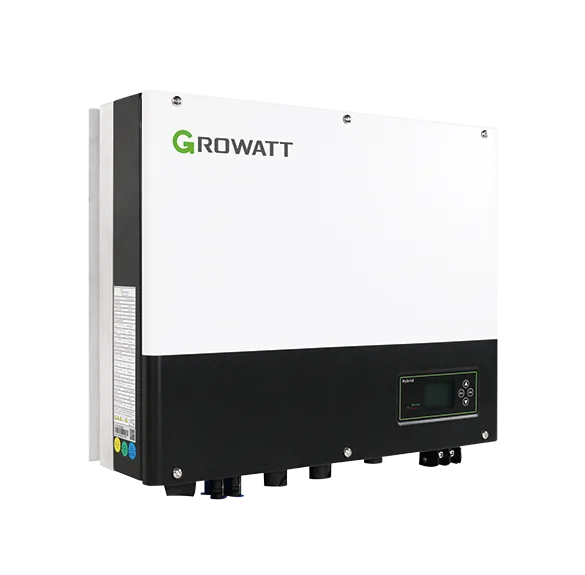
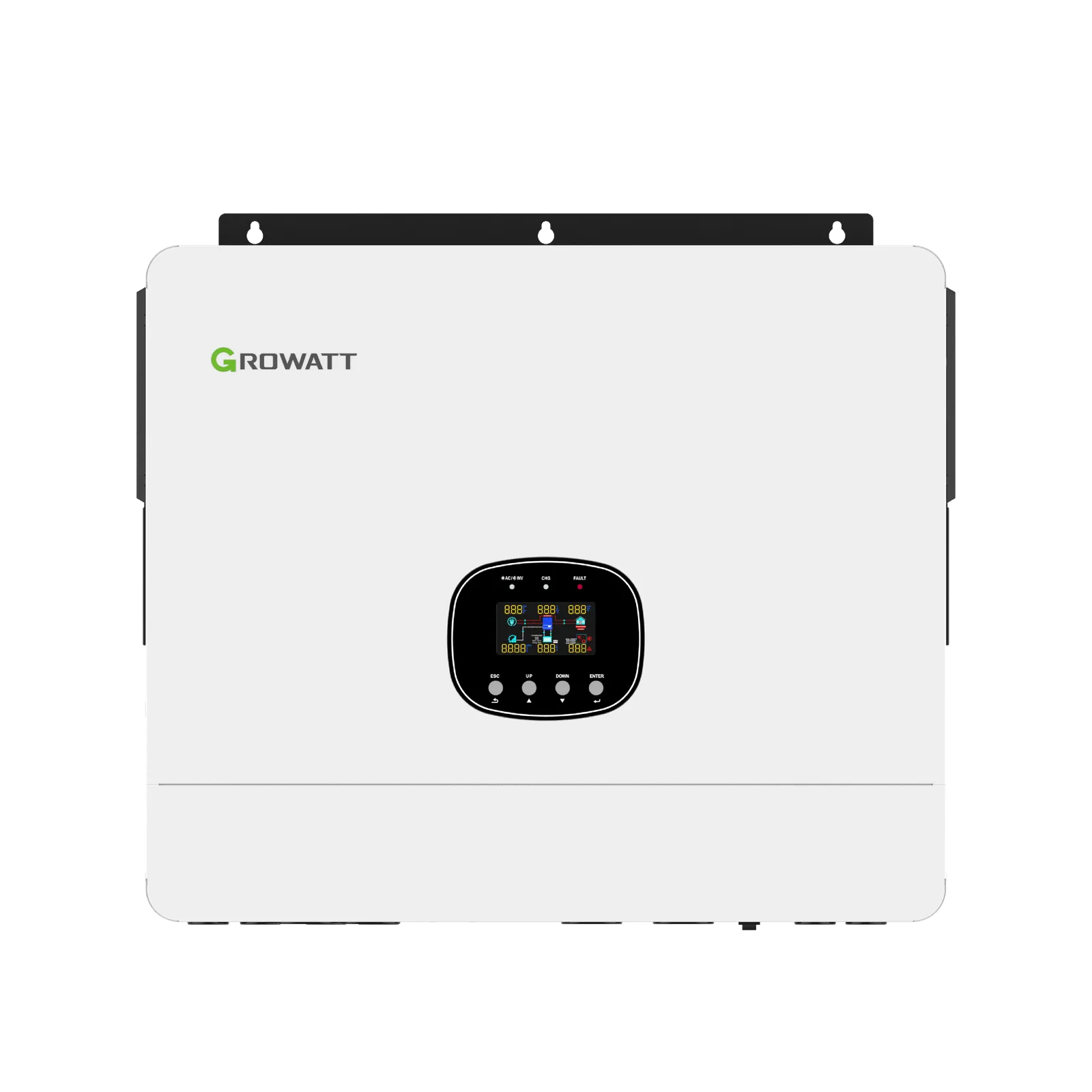
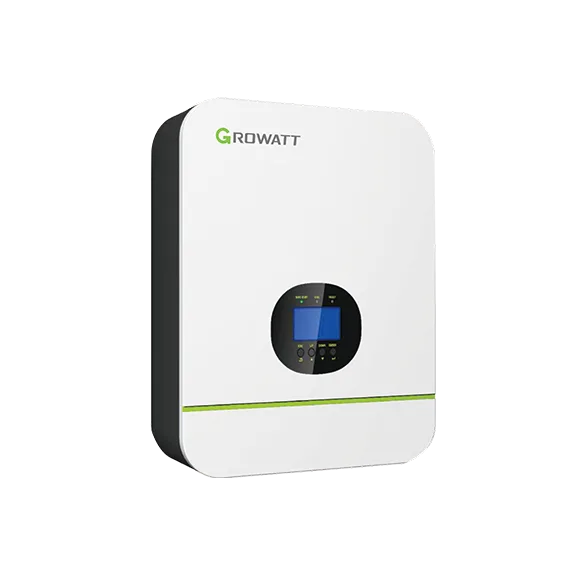
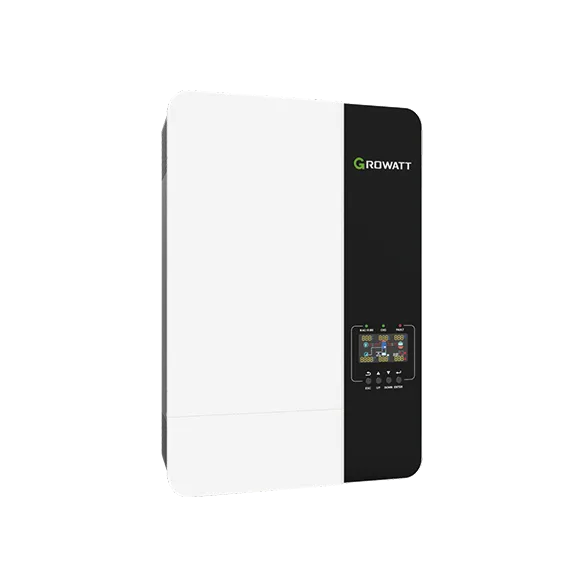
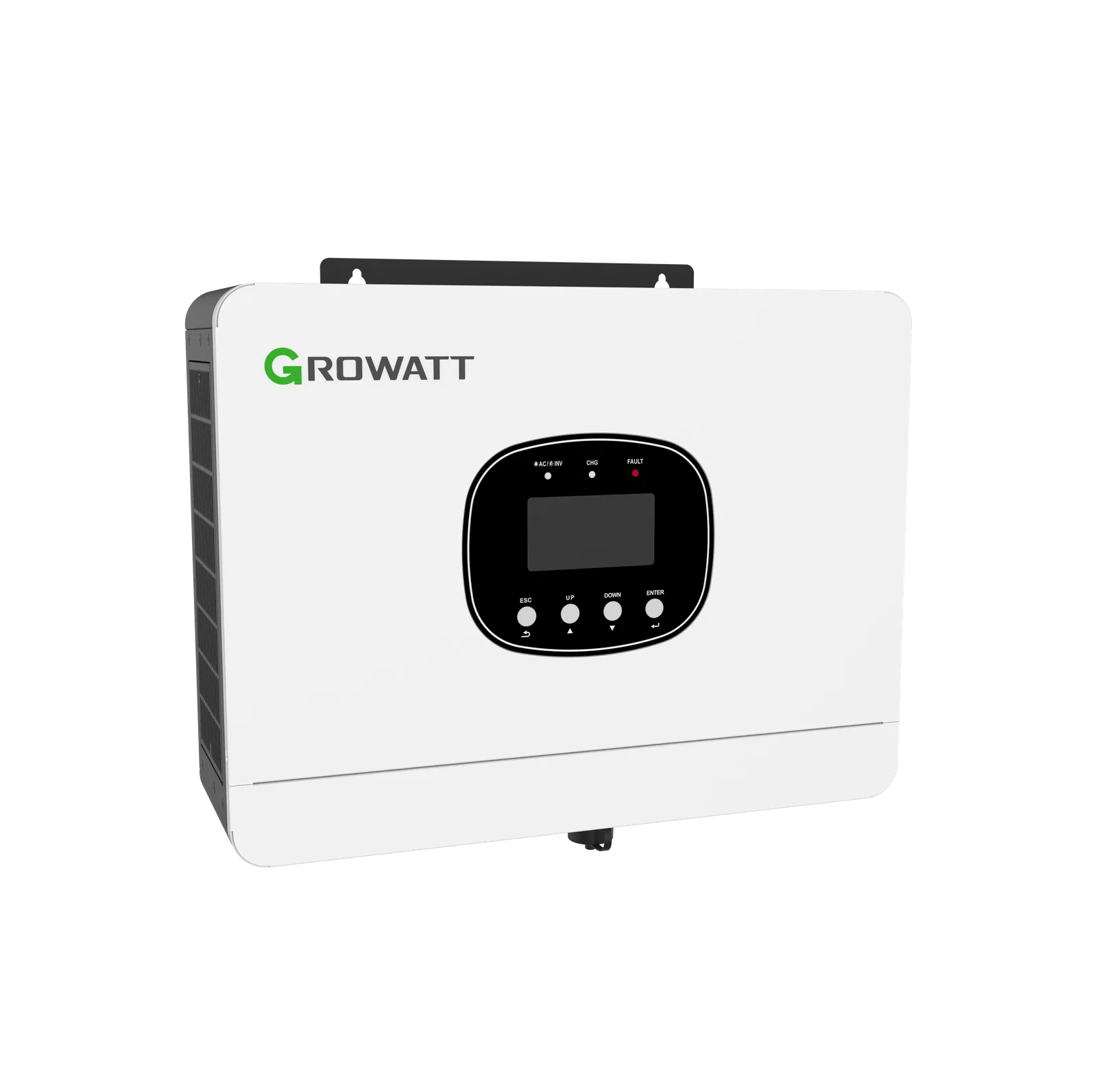
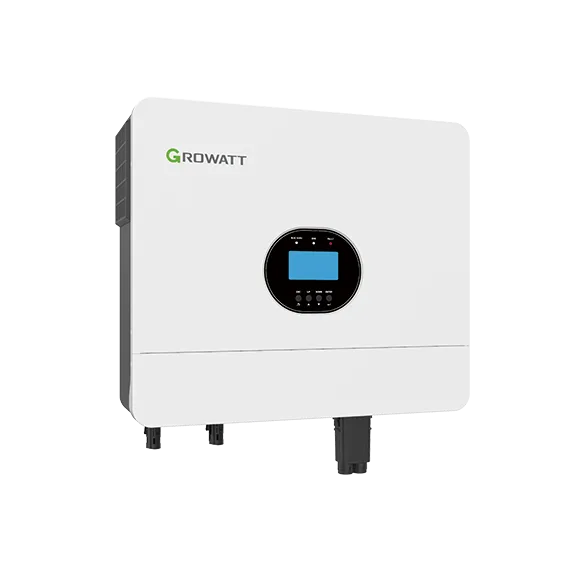
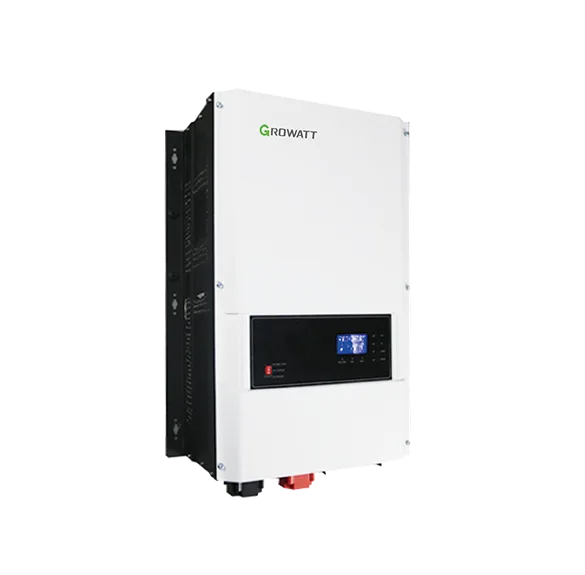
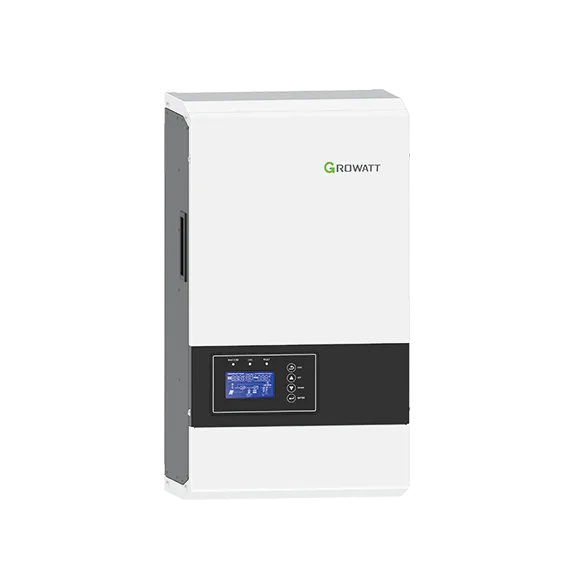
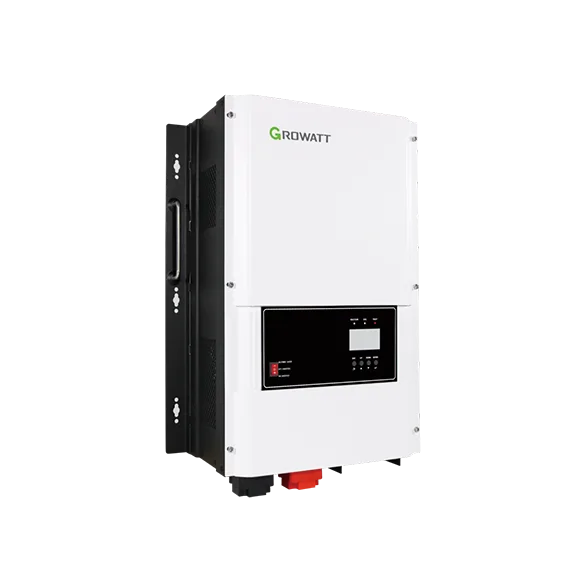
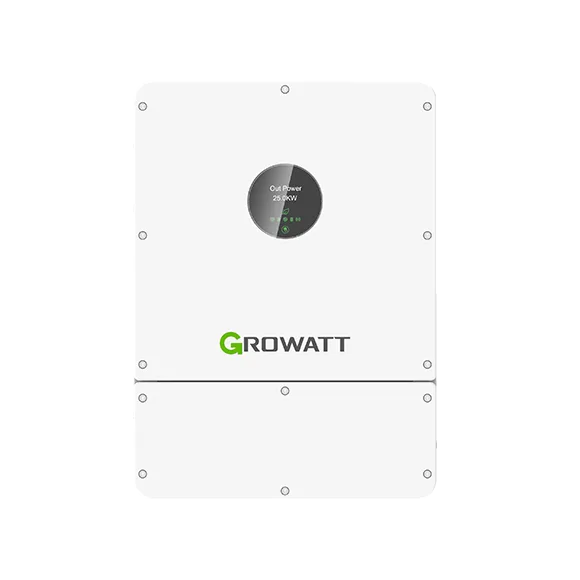
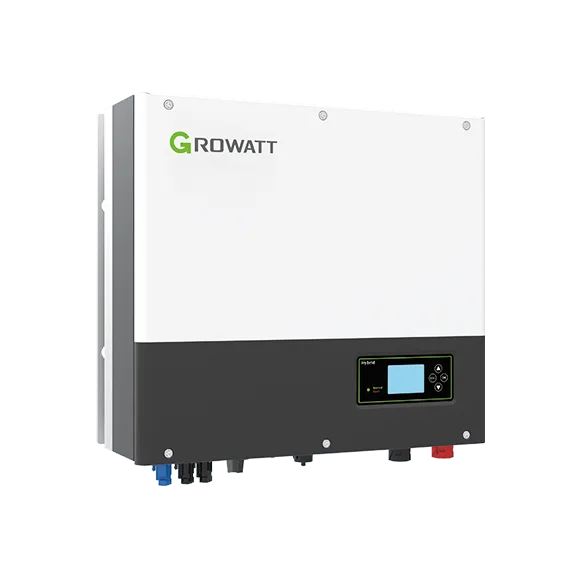
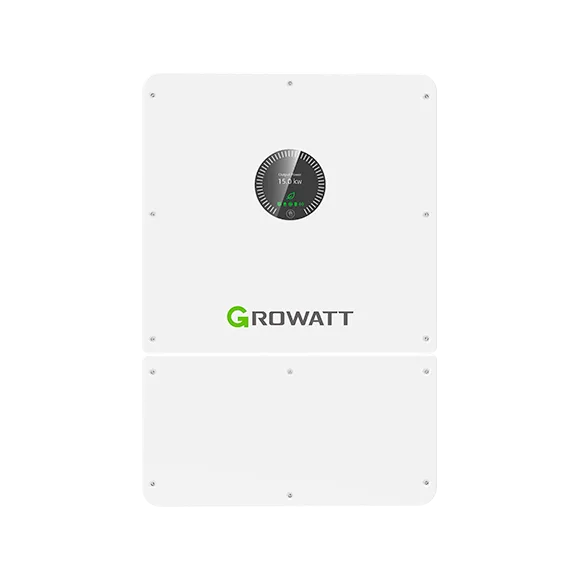
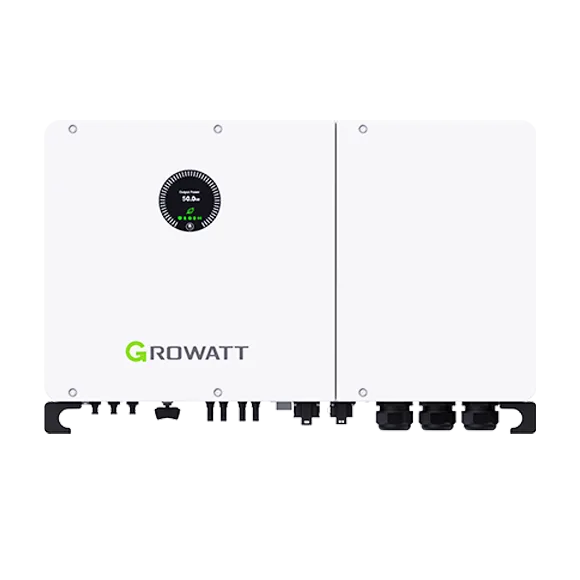
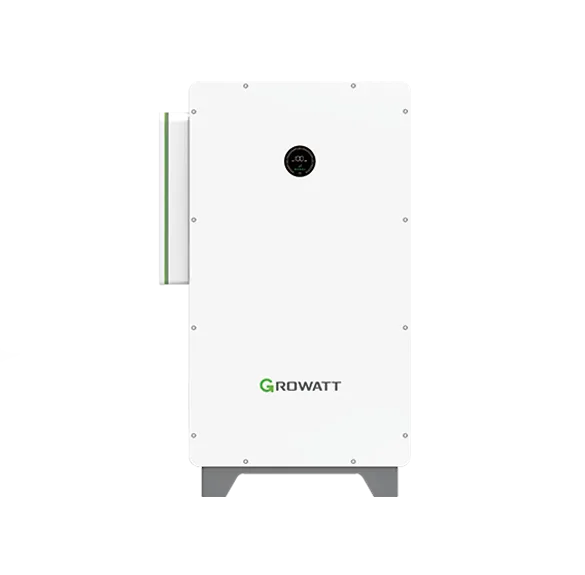
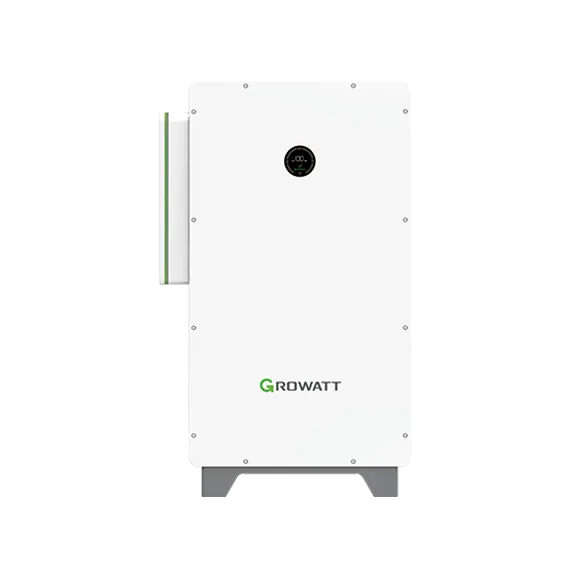
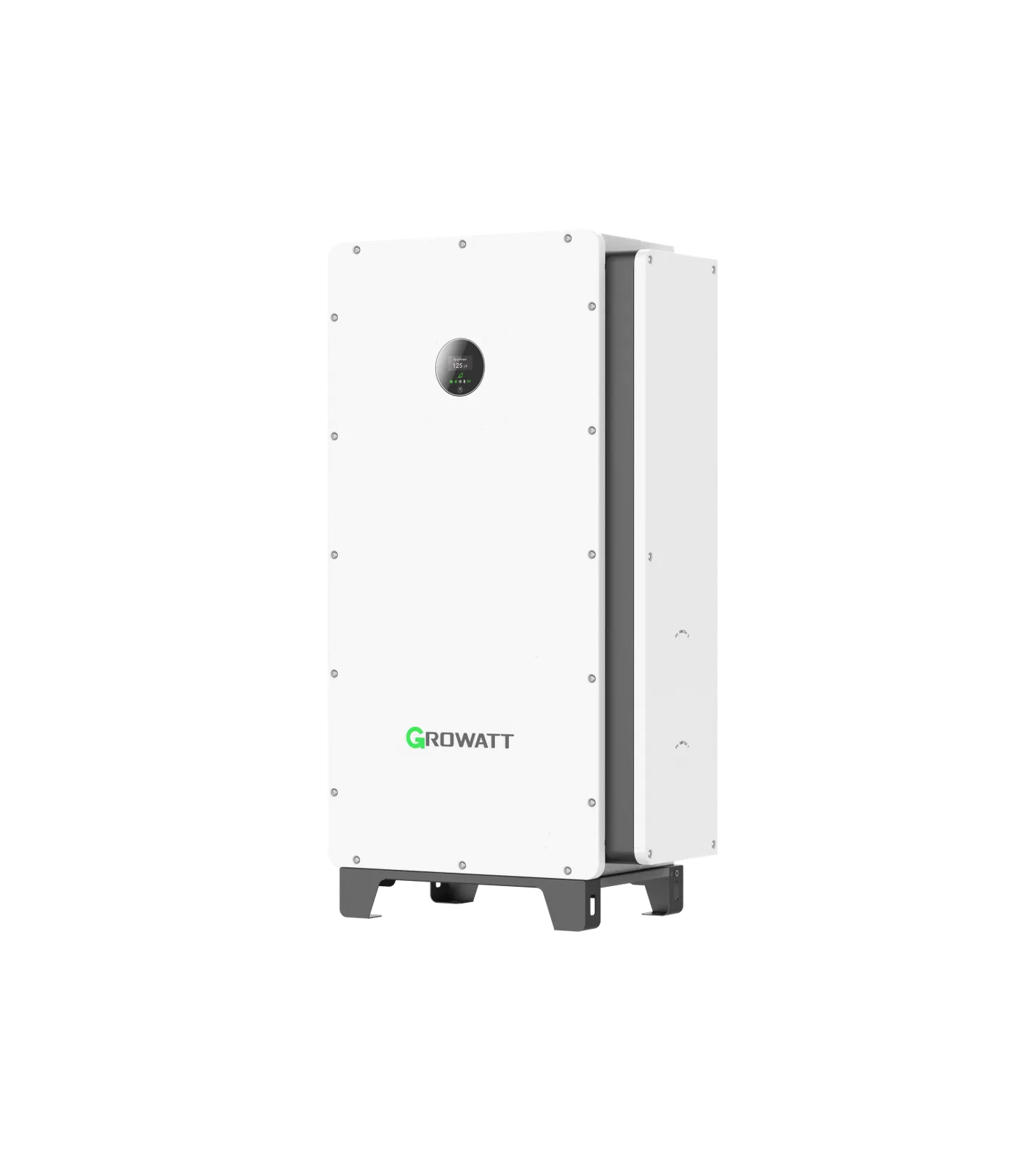
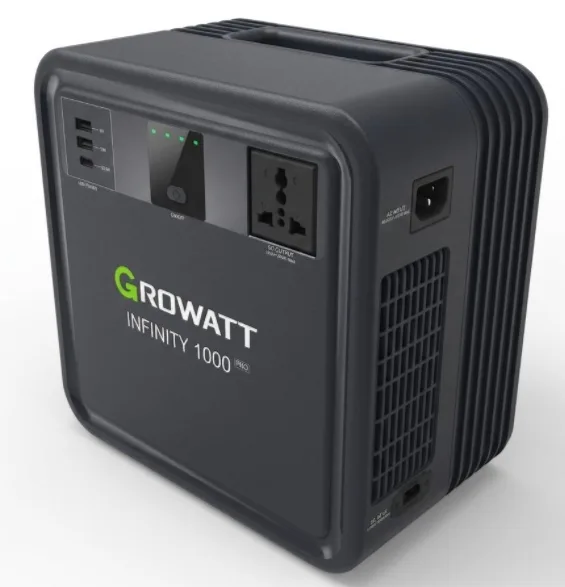
Displayed storage routes
Separate inverter, battery, packaged system and UPS responsibilities
The catalogue combines components and assemblies with different points of connection. Identify the supplied layer before comparing power or energy.
Hybrid, battery-ready and AC-coupled inverters
Battery-ready, single-/three-phase hybrid and AC-coupled routes differ in PV, battery voltage, backup and retrofit roles. Confirm the exact battery list, firmware, accessories and AC/grid architecture.
Off-grid inverter families
Single- and split-phase SPF routes serve stand-alone or backup loads. Size from load profile, surge, daily energy, PV, battery autonomy, generator strategy and transfer requirements—not inverter kW alone.
Residential and C&I batteries
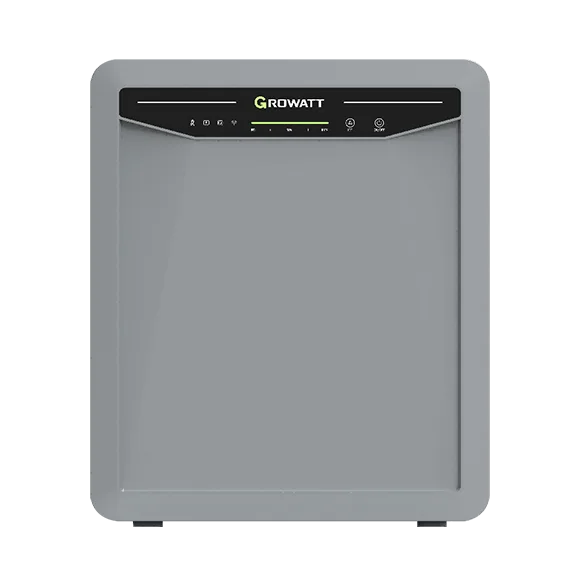
LV and HV AXE, APX, ALP, HOPE and ACE routes require exact voltage/current, BMS, permitted module count, enclosure, thermal design and paired-inverter confirmation.
Balcony and all-in-one storage
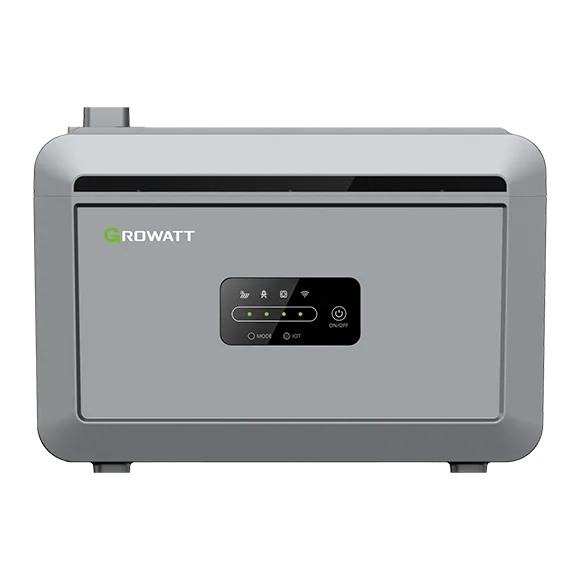
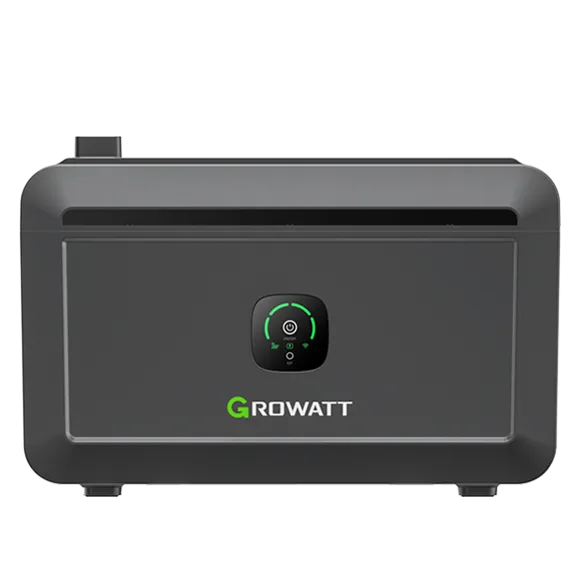
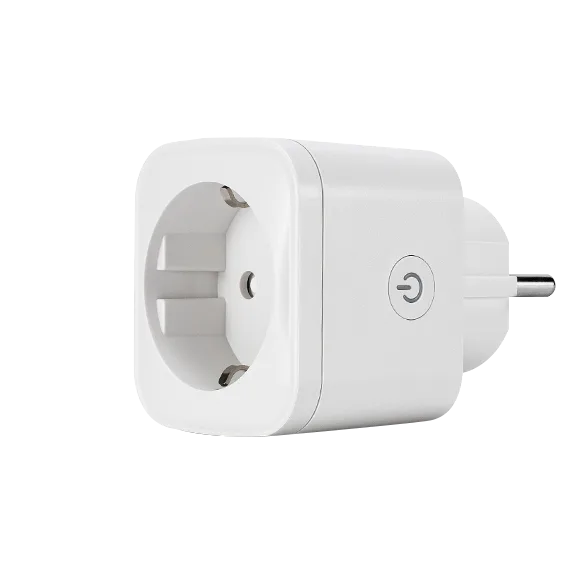
NEXA, NOAH, AURA, GroPlug and all-in-one pages represent distinct plug-in, DC/AC-coupled or integrated concepts. Confirm local connection rules, included hardware and whether entries marked coming soon are commercially released.
UPS and larger system routes
UPS and named system pages have different transfer, bypass, runtime and load-quality duties from solar ESS. Request a one-line/BOM and define PCS, battery, EMS, switchgear, fire/HVAC and site responsibilities.
Storage RFQ checks
Six checks before selecting a Growatt storage platform
A reviewable RFQ ties exact models to the operating mode, power/energy duty, battery interface, site and evidence package.
Operating mode and loads
State self-consumption, tariff shifting, backup, off-grid, generator, UPS, balcony or C&I use; provide continuous/peak loads, motors, critical circuits, outage duration and required transfer behavior.
PV, AC and destination
Provide module/string plan, AC phase/voltage/frequency, grid or stand-alone arrangement, service/transformer, export rules, grounding and destination grid/electrical requirements.
Battery pairing
Confirm exact inverter and battery codes, LV/HV window, charge/discharge current, usable energy, module quantity, BMS protocol, firmware, approved pairing, cables, combiner/high-voltage box and protection.
Power, energy and life basis
Define kW, peak duration, usable kWh, autonomy, cycles/day, SOC reserve, temperature and design life; compare efficiency, runtime and cycle claims only on matching test and end-of-life boundaries.
Safety and site scope
Confirm enclosure/IP, cooling, detection/suppression where applicable, isolation, switchgear, installation clearances, ambient/altitude, structural/fire/electrical rules, commissioning and emergency procedures.
Release, files and commercial scope
Request exact datasheets/manuals, pairing and certificate evidence, UN38.3/SDS, warranty, firmware, accessories, labels, release status, stock, lead time, substitutions and included installation/service.
Compatibility and system boundaries
Same-brand components do not automatically form an approved ESS
Battery, inverter, backup and system performance depend on exact models, firmware, configuration, site design and destination rules.
Voltage class is not pairing approval
LV or HV labels do not prove inverter-battery compatibility. Confirm electrical windows, current, protocol, firmware, approved lists, module count and written pairing for the full codes.
All-in-one is not automatically turnkey
Confirm included inverter/PCS, battery, BMS/EMS, meter, protection, HVAC/fire, switchgear, transformer, cables and site works. A product name does not establish an EPC responsibility boundary.
Coming soon is not available supply
Catalogue entries marked coming soon require current release, certification, production, warranty, regional availability and lead-time confirmation before they enter a project BOM or delivery promise.
Backup, runtime and UPS behavior are model-specific
Continuous/peak output, transfer, phase, neutral/grounding, bypass, load shedding, battery energy and environmental losses determine real operation. Do not generalize one source claim.
Continue the storage review
Connect component selection to system compatibility and sizing
Use the compatibility guide for exact pairing and the sizing guide for load, energy, tariff and backup assumptions.
Battery and inverter compatibility checks
Review voltage/current, BMS protocol, firmware, approved pairing, cables, protection and commissioning evidence before fixing models.
Review compatibility
Battery storage sizing guide
Organize loads, PV, tariff, backup duration, cycling, SOC reserve and degradation before comparing power and usable energy.
Review sizing inputs
Growatt energy storage FAQ
Questions to resolve before fixing an inverter and battery system
These answers support procurement; final sizing, compatibility, backup behavior, safety approval and commissioning remain model- and project-specific.
Are all Growatt batteries compatible with all Growatt storage inverters?
No. Match exact inverter and battery codes, LV/HV window, current, BMS protocol, firmware, approved pairing list, module quantity and required accessories. Same brand or nominal voltage is not sufficient evidence.
Does a Growatt all-in-one storage page include a complete installed ESS?
Do not assume so. Request the exact BOM and responsibility matrix for inverter/PCS, batteries, controls, meter, protection, fire/HVAC, switchgear, transformer, cables, mounting, site works, approvals and commissioning.
Can a product marked coming soon be specified in an RFQ?
It can be recorded as an option, but confirm current release date, final model/specification, certificates, production status, regional availability, warranty, price and lead time before approving it in a binding BOM or schedule.
What should a Growatt energy storage RFQ include?
Include use case, loads and backup/UPS behavior, PV and AC/grid data, target kW/kWh and duration, exact inverter/battery/BMS, site/safety conditions, included scope, requested files, quantity, destination and delivery target.
Growatt energy storage procurement
Growatt Energy Storage Inverters, Batteries and System Routes
Compare 57 displayed pages across 12 subcategories: battery-ready, hybrid, off-grid and AC-coupled inverters; residential LV/HV and C&I HV batteries; balcony and all-in-one storage; plus UPS products. This is a mixed component and system catalogue, not one compatible product family. Define the operating mode and loads first, then confirm exact inverter-battery pairing, voltage/current and BMS protocol, PV and AC architecture, backup behavior, usable energy, protection, thermal/fire scope, accessories, destination documents, product release status and commercial availability.
Prepare a Growatt energy storage system RFQ
Send the use case, loads, PV/grid data, power and usable energy, exact pairing, backup/UPS behavior, site scope, files, quantity and schedule.