
Compare the 15 displayed Growatt smart-energy pages
Open the exact transfer, manager, monitoring or meter page, then confirm compatibility, topology, protocol, firmware, cloud/data scope, files, commissioning, availability and service terms.
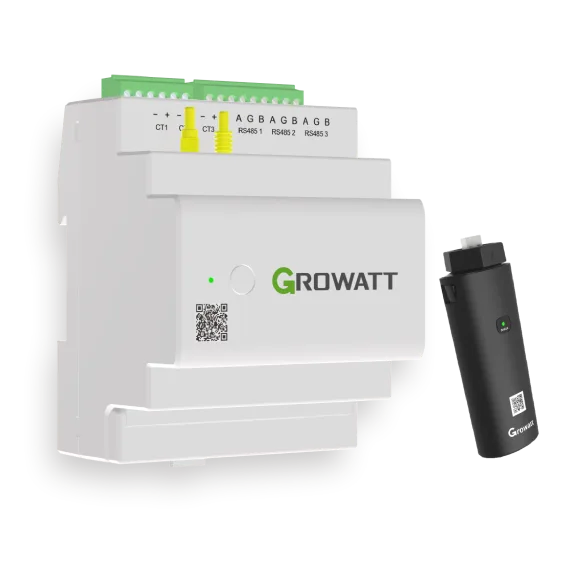
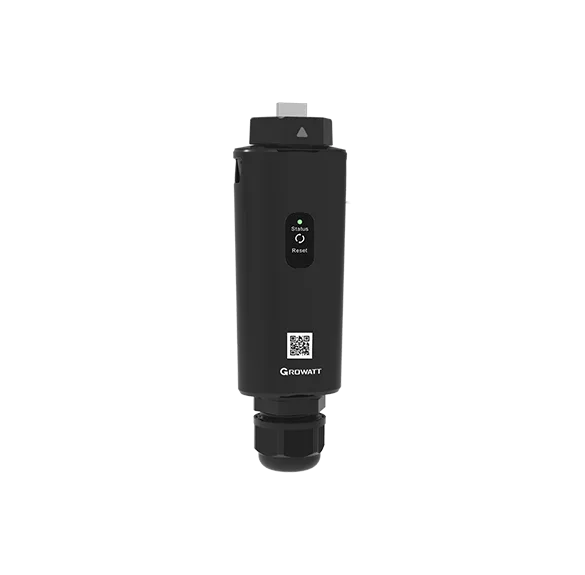
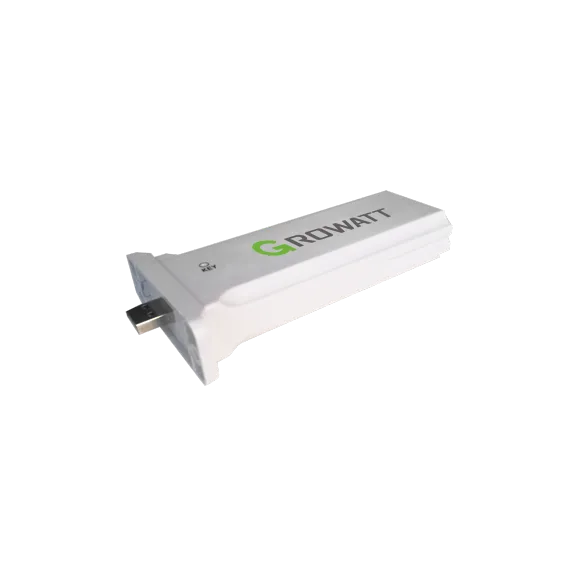
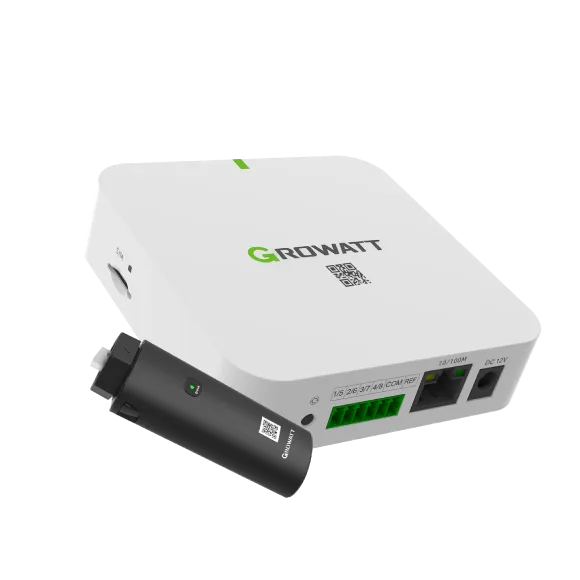
Displayed control layers
Separate transfer hardware, energy control, monitoring and metering
Each subcategory sits at a different point in the electrical and data architecture. Select from the system function, not the brand name.
Automatic transfer boxes
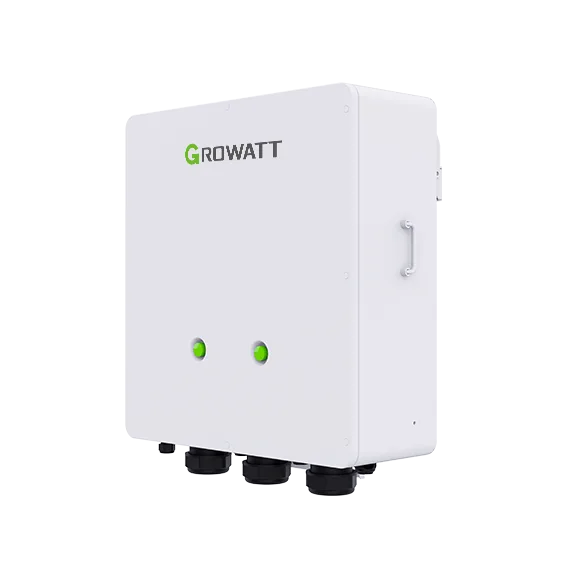
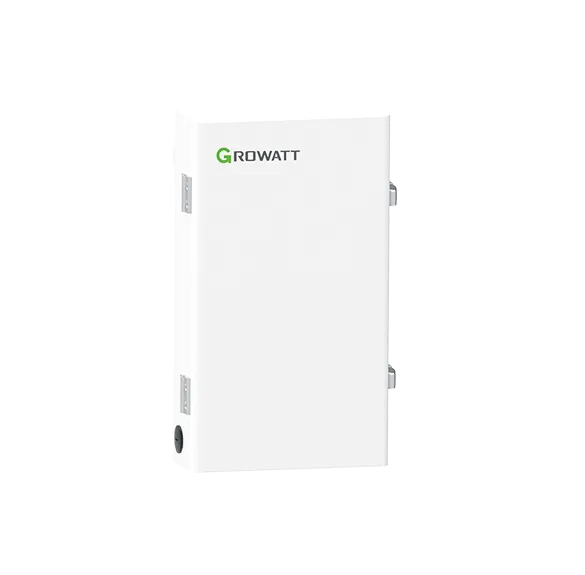
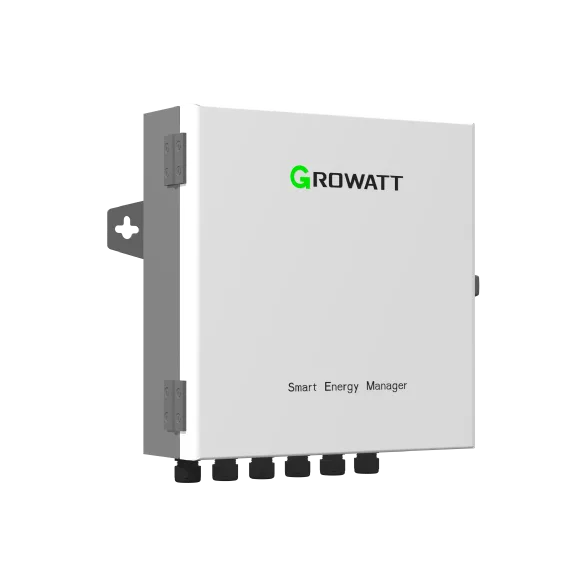
Four SYN/ATS pages relate to backup source and load transfer. Confirm exact inverter/system pairing, phase/voltage/current, backed-load boundary, neutral/grounding, switching time and mode, protection, wiring and approval.
GroHome energy manager
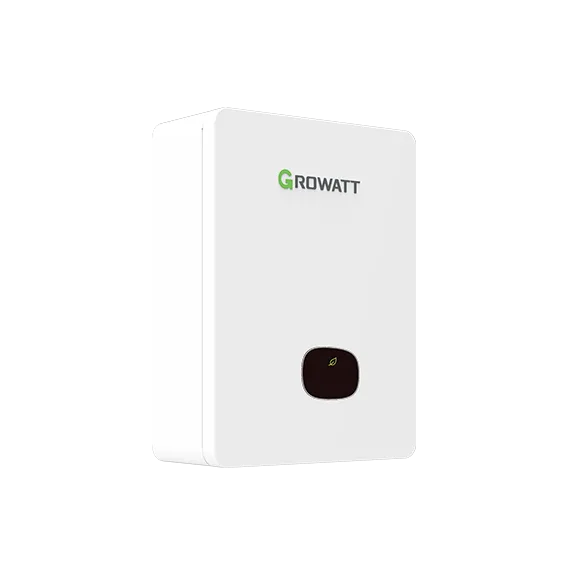
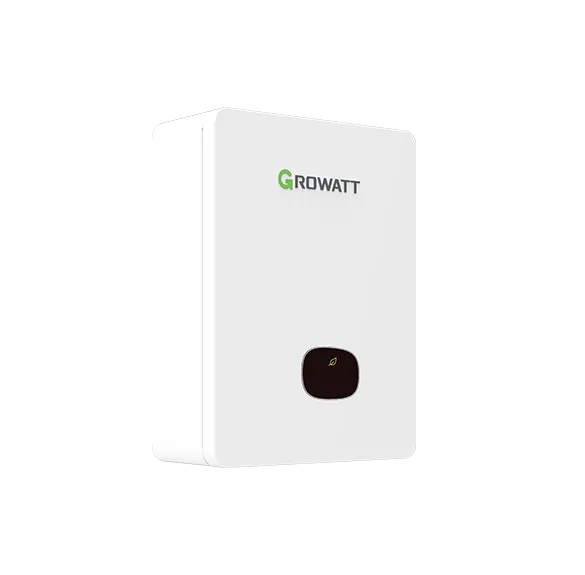
The GroHomeManager-X page represents a control layer. Confirm supported devices, meters, protocols, control objectives, local/cloud operation, commissioning, user roles, data and network-loss behavior.
Monitoring platforms and gateways
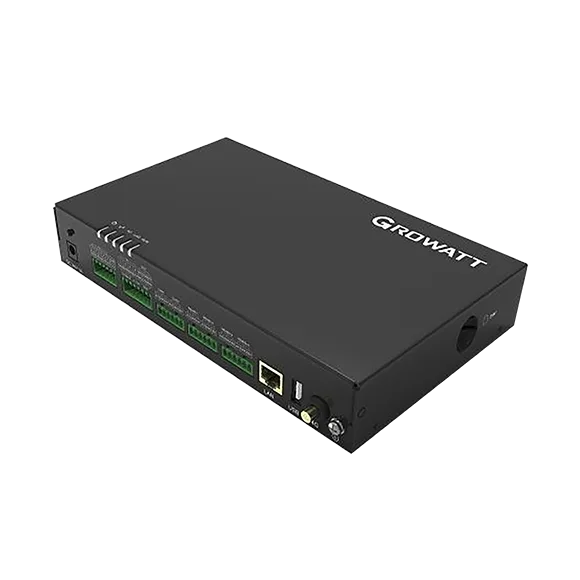
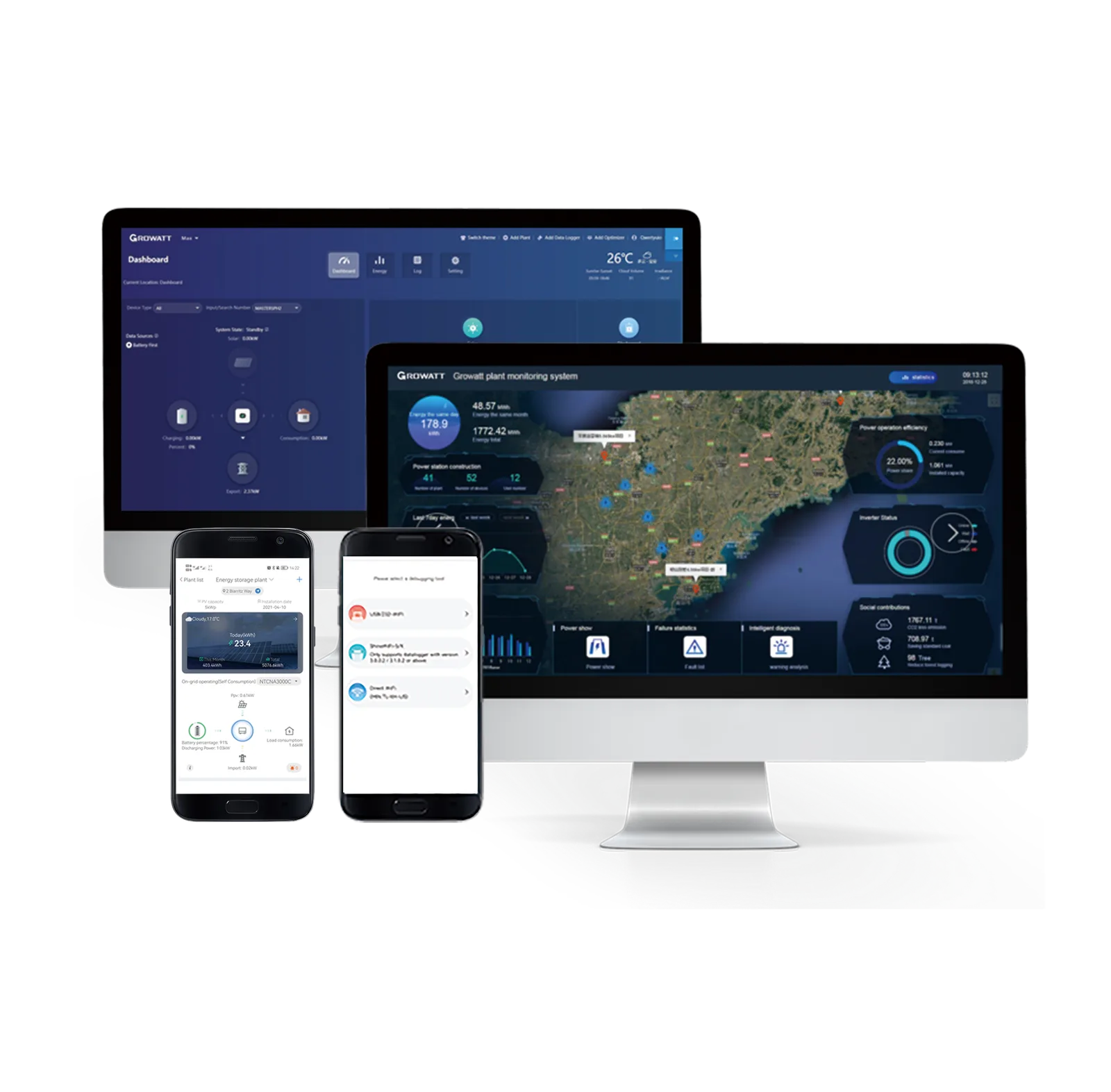
Six Shine, SEM and platform pages cover different data paths. Confirm inverter/ESS port, logger quantity, protocol, Ethernet/Wi-Fi/4G, account/region, data frequency, alarms, remote-control authority and subscription/service.
Smart meters and CTs
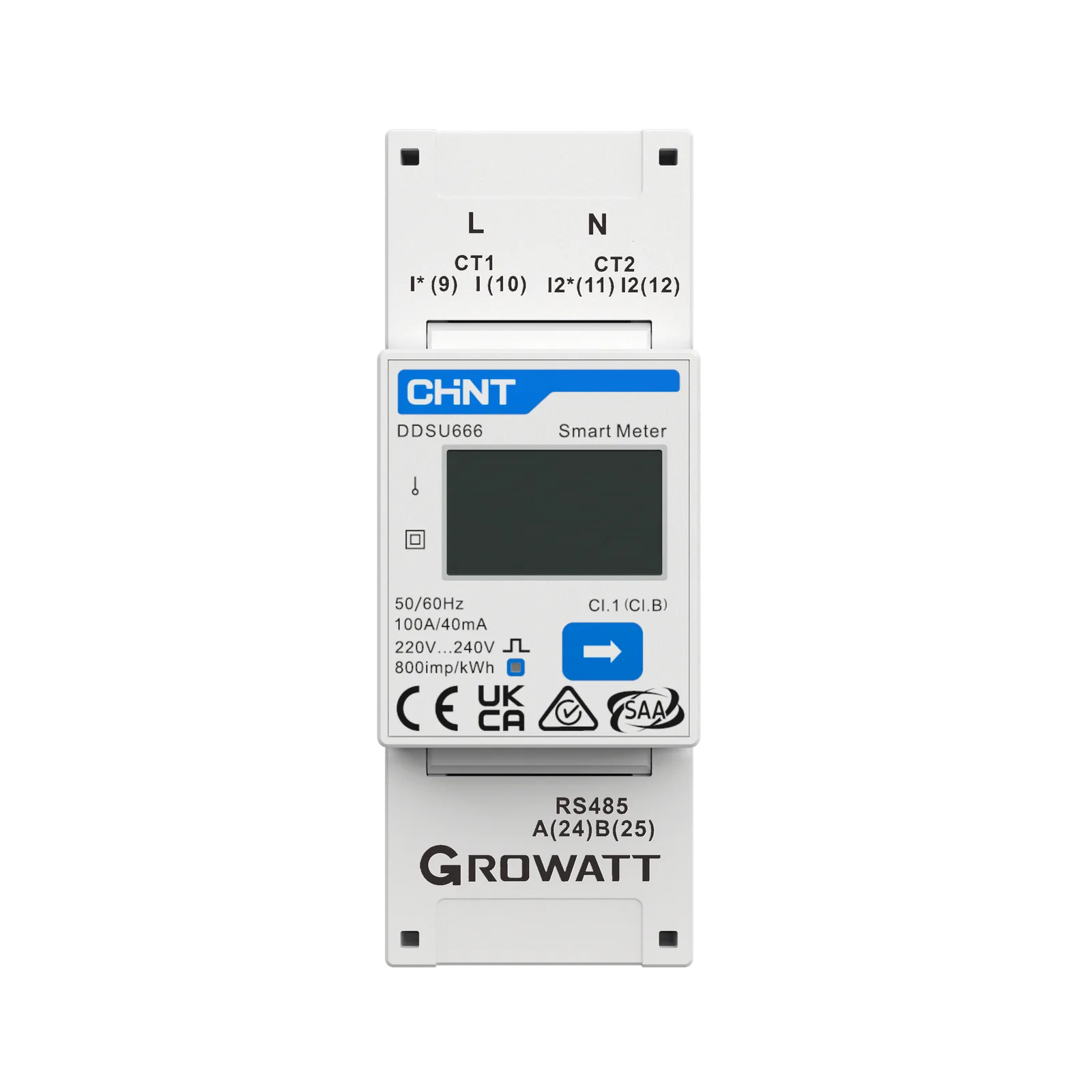
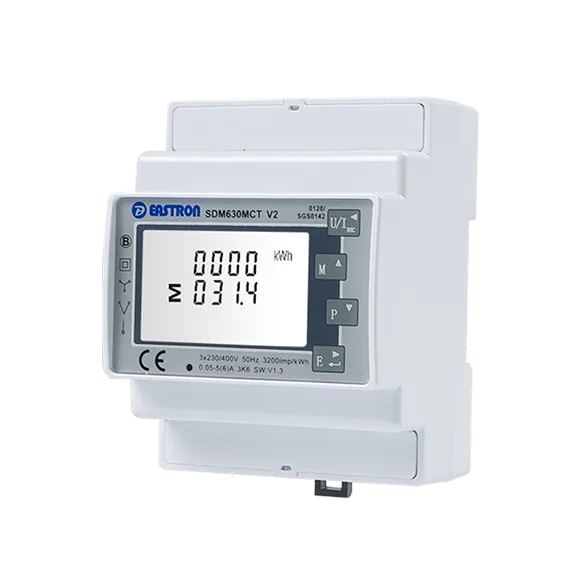
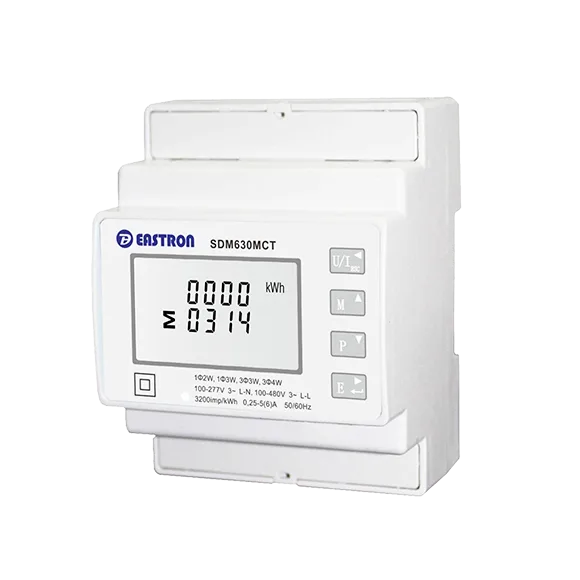
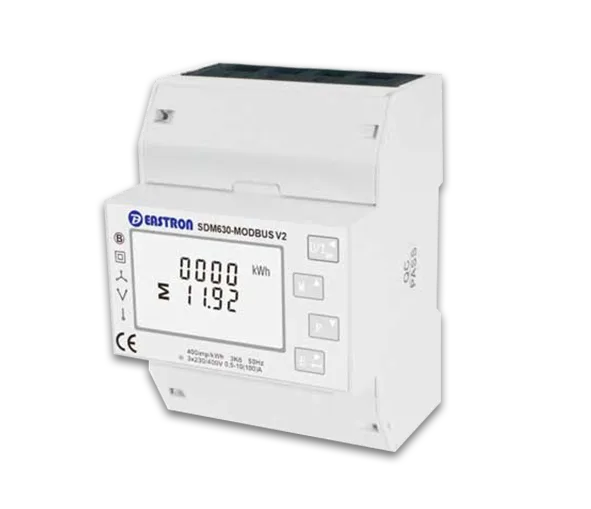
Four meter pages support measurement and possible export/load control. Confirm single/three-phase topology, voltage/current, direct or CT connection, CT ratio/direction, accuracy, installation point, protocol and compatible controller.
Controls RFQ checks
Six checks before selecting a Growatt smart-energy device
A reliable control or monitoring BOM starts with the required decision, measurement point and supported equipment list.
Required system function
State monitoring, alarming, remote operation, export limitation, self-consumption, time-of-use, backup transfer, load control or portfolio reporting; define what is advisory versus automatic control.
Exact equipment compatibility
List complete inverter, battery/ESS, charger and accessory codes plus firmware; request a supported-device matrix and required ports, gateways, meters, CTs, cables and licenses.
Electrical and measurement topology
Provide phase/voltage, service and backup one-line, point of common coupling, meter position, CT ratio/direction, conductor arrangement, load/source flow and accuracy or response requirements.
Communication architecture
Map physical ports, RS485/CAN/Ethernet/Wi-Fi/4G or other links, protocol/version, addressing, device count, cable limits, gateway, local controller, cloud path and third-party integration.
Data, cloud and cybersecurity
Define data fields/frequency/retention, account and server region, ownership/export, user roles, remote updates/control, encryption, credentials, network segmentation, outage behavior, fees and service expectations.
Commissioning and evidence
Request exact manuals, compatibility and certificate evidence, wiring diagrams, settings/firmware record, functional and fail-safe tests, user training, warranty/SLA, replacement, release status, lead time and support boundary.
Control and compatibility boundaries
A smart-energy accessory does not create a complete control system by itself
Measurement, communications, firmware, topology and commissioning determine whether monitoring, export control or transfer works correctly.
Same brand is not universal compatibility
Ports, protocols, supported model lists, firmware and regional versions vary. Confirm the exact accessory-to-inverter/ESS/charger combination and required intermediate hardware.
Monitoring is not always control
Visibility, alarms and cloud dashboards do not prove remote setpoint authority, automatic optimization or fail-safe control. Define permissions, commands, latency and local fallback.
Meter and CT errors affect control
Wrong location, phase mapping, direction, ratio, polarity or communication can reverse power flow or destabilize export limitation. Require one-line review and commissioned functional tests.
Transfer box is not automatic whole-site backup
Inverter output, switch rating, phase, neutral/grounding, critical-load panel, protection, transfer mode/time and local rules determine the backed-load boundary and safe operation.
Continue the controls review
Connect accessory selection to backup design and compatibility checks
Use the backup solution to map electrical responsibilities and the compatibility guide to keep model, firmware and interfaces explicit.
Residential solar backup solution
Review how hybrid inverter, battery, transfer/critical-load distribution, meters, protection and local installation form one backup scope.
Review backup context
System compatibility checks
Apply exact-model, protocol, firmware, accessory, protection and commissioning checks before fixing a smart-energy BOM.
Review compatibility
Growatt smart energy FAQ
Questions to resolve before fixing monitoring and control accessories
These answers support procurement; final wiring, compatibility, control behavior, cybersecurity and commissioning remain system-specific.
Can any Growatt logger, meter or transfer box work with any Growatt inverter?
No. Confirm complete model codes, firmware, physical port, protocol, supported-device list, meter/CT topology and required gateway or controller. Regional and generation differences can change compatibility.
Does the Growatt Monitoring Platform automatically control energy use?
Monitoring and control are separate functions. Confirm which data is visible, which commands or setpoints are permitted, required local controller/meter, user authorization, latency, cybersecurity and behavior during cloud or network loss.
What must be checked for a smart meter or CT installation?
Check phase/voltage, direct or CT connection, CT ratio, direction and polarity, phase mapping, location relative to loads/generation/grid, conductor routing, protocol/addressing, compatible controller and commissioned import/export tests.
What should a Growatt smart-energy RFQ include?
Include required function, exact inverter/ESS/charger models and firmware, electrical one-line, meter/CT and transfer topology, communications, cloud/data/cybersecurity needs, compatibility evidence, commissioning tests, quantity, destination and schedule.
Growatt smart energy procurement
Growatt Smart Energy Management, Monitoring, Metering and Transfer
Compare 15 displayed source pages across four automatic transfer boxes, one GroHome manager, six monitoring/platform or gateway products and four smart-meter routes. These devices perform different measurement, communication, control and transfer duties; they are not interchangeable accessories. Start with the required function and electrical topology, then confirm exact inverter/ESS compatibility, meter and CT arrangement, protocol and firmware, gateway/network path, cloud region and service terms, control authority and fail-safe behavior, transfer/backup wiring, cybersecurity, documents, commissioning and current availability.
Prepare a Growatt smart-energy accessory RFQ
Send the required monitoring/control/transfer function, exact equipment, one-line and meter/CT topology, protocols, data/cloud scope, tests, quantity and schedule.