Growatt first-generation APX high-voltage battery review
Growatt APX 5.0-30.0P S0, S1 and S2 High-Voltage Battery Systems
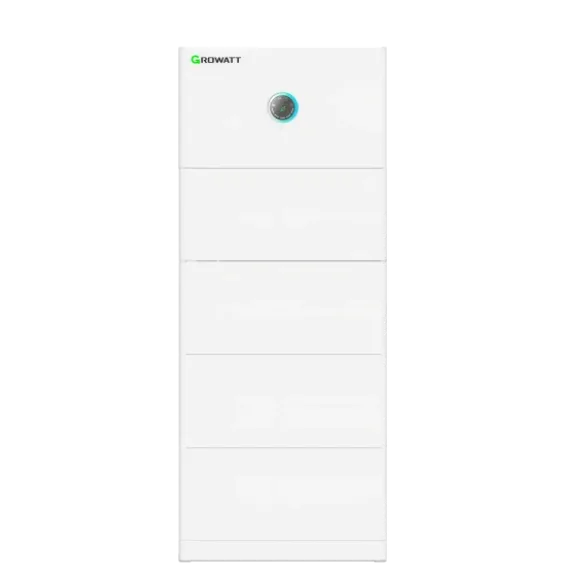
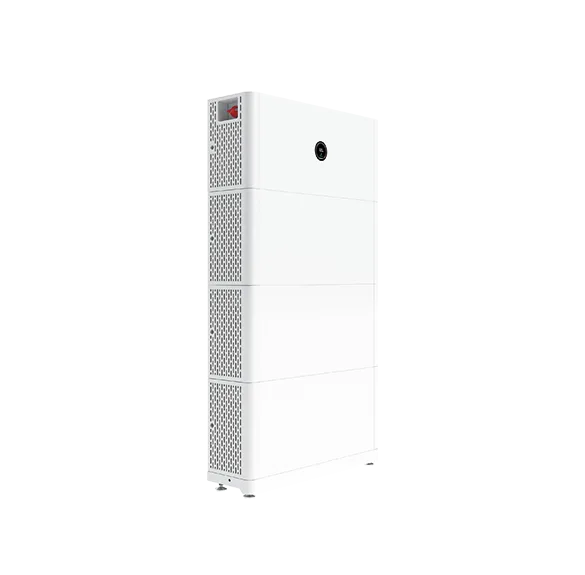
The verified first-generation APX route uses 5 kWh APX 5.0P-B1 LFP modules in one-to-six-module systems, but S0 and S1/S2 are different electrical configurations. APX S0 uses the APX 55027-P0 power module, 450 V nominal system voltage and a 380-550 V operating range for MIN 2500-6000TL-XH. S1/S2 uses APX 98020-P1 or APX 98034-P2, 650 V nominal and 600-980 V operation for specified MOD/MID XH families. Do not merge these records with APX 2.0 or assume cross-compatibility.
Current source identity: separate official APX 5.0-30.0P-S0 and APX 5.0-30.0P-S1/S2 datasheets. Both identify APX 5.0P-B1 modules, but the power module, voltage, current, output and compatible-inverter rows differ.
Downloads
Current document status
Before quotation, freeze S0, S1 or S2; exact power module; module count and layout; inverter full model and firmware; current Growatt compatibility and regional model; cable/base/wall-bracket accessories; protection, transport and installation documents; commissioning procedure and warranty conditions. Keep first-generation APX and APX 2.0 files separate.
Current APX generation evidence
Select the power-module route before selecting capacity
The same module name does not make S0, S1 and S2 interchangeable systems.
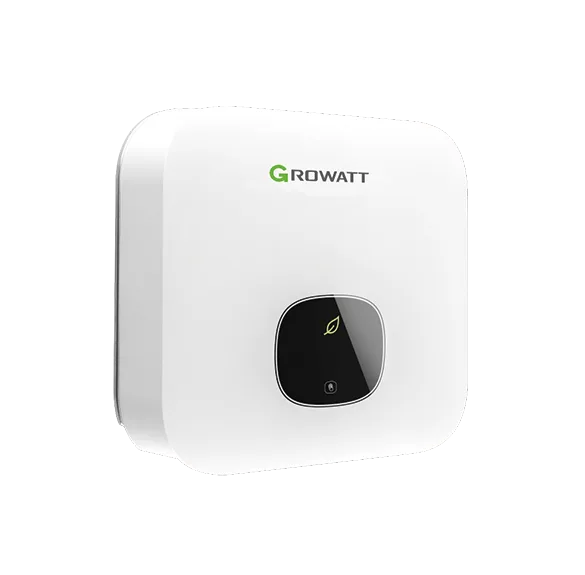
APX S0 for MIN-XH
The S0 table uses APX 55027-P0, 17 A maximum current, 6.2 kW maximum output and a 450 V nominal single-phase system route for MIN 2500-6000TL-XH; a firmware update is specifically noted.
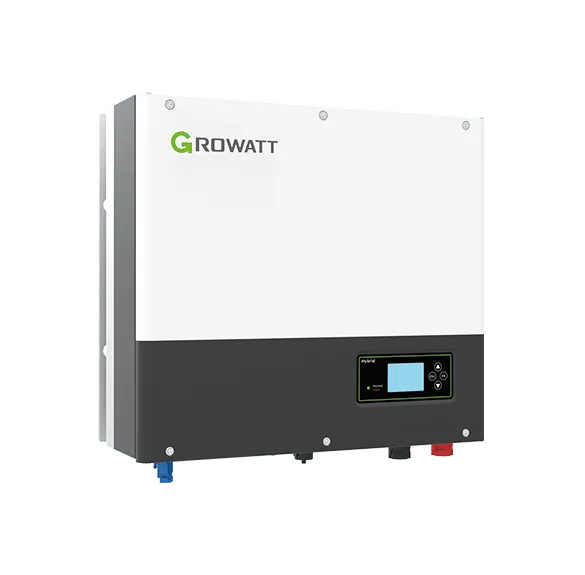
APX S1 power route
APX 98020-P1 is listed at 13 A and 7.5 kW maximum output for specified MOD 3000-10000TL3-XH(BP) models.
APX S2 power route
APX 98034-P2 is listed at 26 A and 15 kW maximum output for specified MOD 3000-10000TL3-XH(BP) and MID 11-30KTL3-XH families.
Capacity and output are not linear everywhere
One to six modules provide 5-30 kWh nominal energy, while nominal and peak output plateau by system/power-module configuration. Select by load and inverter limits, not kWh alone.
High-voltage battery RFQ inputs
Six checks before releasing an APX battery BOM
Generation, power module, inverter, capacity and site conditions must form one approved configuration.
Generation and exact system
State first-generation APX S0/S1/S2, system size, power-module code, APX 5.0P-B1 quantity and regional EU/general model where applicable; do not substitute APX 2.0.
Inverter and firmware
Provide the complete MIN/MOD/MID XH model and suffix, firmware, approved compatibility record, battery-port limits, communication protocol and written warranty acceptance.
Power and autonomy
Define continuous/peak kW, peak duration, usable kWh, SOC reserve, loads, PV charging, cycles/day and autonomy; verify inverter, power-module and battery-capacity limits together.
Mechanical installation
Choose floor or wall installation and include required base or wall bracket, cable routing, clearances, weight/load support, indoor/outdoor exposure and service access.
Safety and compliance
Request current IEC/transport evidence, UN38.3/shipping files, regional certification, BMS/protection description, emergency isolation, fire/site review and installer requirements.
Warranty and lifecycle
Confirm 10-year conditions, warranted throughput/cycles or retained capacity, temperature/SOC limits, commissioning registration, monitoring, service process and module-addition rules.
Compatibility and safety boundaries
5-30 kWh, IP66 and module mixing do not establish a complete approved ESS
The approved system configuration, installation and destination requirements remain controlling.
S0 and S1/S2 voltages differ
Do not connect an S0 power-module configuration to an S1/S2 inverter route or transfer 450 V values into the 650 V table. Use the released compatibility record.
Module mixing is conditional
The source describes differing SOC/SOH and new/old modules within supported APX systems. It does not approve arbitrary chemistry, model, supplier, generation or unsupported topology mixing.
First generation is not APX 2.0
Similar naming and capacity do not prove compatible modules, power modules, firmware, cables, certification or warranty. Treat APX 2.0 as a separate platform.
Product protections are not site approval
LFP, BMS/fuse/aerosol layers and IP66 do not replace electrical protection, fire/code review, clearances, structural support, transport controls and qualified commissioning.
Continue the battery-system review
Connect APX to an approved inverter pair and load-based design
Use the compatibility and residential system guides to verify the complete ESS rather than a battery label.
Battery-inverter compatibility checks
Verify generation, full model, voltage/current, BMS protocol, firmware, listing and warranty evidence.
Review compatibility →Residential solar and backup solution
Coordinate PV, inverter, APX battery, backup loads, protection, controls, installation and acceptance.
Review system scope →Growatt APX HV FAQ
Questions to close before ordering the battery stack
The power module and inverter pair are as important as the kWh selection.
Are APX S0, S1 and S2 interchangeable?
No. They use different power modules, voltage ranges, current/output limits and compatible inverter families.
Can first-generation APX modules be treated as APX 2.0?
No. Require generation-specific compatibility, firmware, cables, certificates and warranty evidence.
Does six modules always provide 15 kW?
No. Output depends on S0/S1/S2, power module, module count and inverter limits. The S0 table remains capped at 6.2 kW.
What should the APX RFQ freeze?
Freeze generation, S0/S1/S2, power module, module count, inverter/firmware, accessories, installation, safety/transport files, warranty and commissioning.
Prepare a configuration-specific APX HV RFQ
Send the first-generation APX route, power module, capacity, exact inverter and firmware, load duty, installation, destination documents and quantity.
Start with the product, application or project information you have. We can help identify the remaining configuration, document or delivery questions before a final quotation.
Verify the APX Battery System