
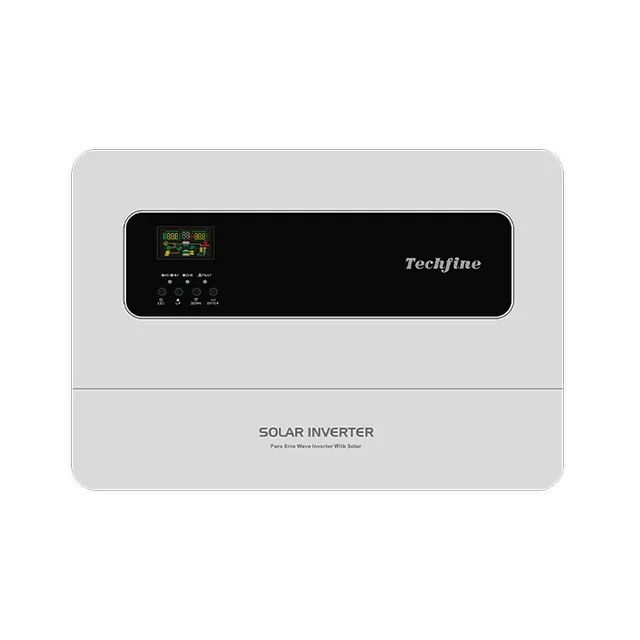
Techfine JV 3–5 kW high-PV off-grid inverter: Verify Battery, PV and Load Configuration
This page organizes the current source table for the Techfine JV 3–5 kW high-PV off-grid inverter. 3/4/5 kW; 24/48 V battery members; 220 V standard or 110 V custom input. It does not turn a family range, voltage label or inverter/charger headline into a complete off-grid system design.
Current source route: JV 3–5 kW high-PV off-grid inverter.
Current source parameter table
This table is preserved from the current source record. Read it with the identity, compatibility and document boundaries below; unresolved conflicts are not corrected by assumption.
| MODELA1:D25A1:D28A1:A1:D37 | JV3824AM8V | JV5048AM8V | JV6348AM8V |
|---|---|---|---|
| Rated output power | 3000W | 4000W | 5000W |
| Power Input | 220VAC (standard) / 110VAC (customized) | ||
| Input voltage range | 220V model: 154-264VAC±3V (normal mode) 185-264VAC±3V (UPS mode) \110V model: 77-132VAC±3V (normal mode) 92-132VAC±3V (UPS mode) | ||
| Input frequency | 50/60Hz±5% | ||
| OUTPUT | |||
| Output voltage under AC power | The output voltage under AC power is the same as the input voltage | ||
| Output frequency under AC power | The output frequency under AC power is the same as the input frequency | ||
| Output voltage under inverter mode | 220VAC±10% (110VAC±10%) | ||
| Output frequency under inverter mode | 50HZ or 60HZ±1% | ||
| Output waveform under inverter mode | pure Sine Wave | ||
| BATTERY & CHARGER | |||
| Battery Type | External lead-acid battery or water battery or lithium battery | ||
| Battery voltage | 24VDC | 48VDC | |
| Battery charging voltage | 27.4VDC | 54.8VDC | |
| PV INPUT | |||
| Maximum PV array power | 2700W | 5400W | |
| PV input voltage range(MPPT) | 30-245VDC | 60-245VDC | |
| Optimal Vmp operating range | 30-170VDC | 60-170VDC | |
| Maximum photovoltaic open-circuit voltage | 245VDC | ||
| Maximum solar charging current | 100A | ||
| AC INPUT | |||
| Maximum AC charging current | 63A(default50A) | 83A(default33A) | 52A(default42A) |
| EFFICIENCY | |||
| Conversion time | ≤10ms(UPS mode) / ≤20ms(normal mode) | ||
| Load peak ratio | (MAX)3:1 | ||
| Standby power (W) | 16W | 32W | |
| PROTECTION | |||
| Protection function | Under grid power: input over current circuit breaker protection Under inverter operation: overload protection, short circuit protection, low voltage protection, battery reverse polarity protection (fuse) | ||
| Status display | color segment display with LED indicator view parameters such as AC voltage, AC frequency, PV voltage, PV current, output voltage, output frequency, battery voltage, and load current using the page turning key. LED displays mains power, charging status, inverter status, and fault status | ||
| Audible alert | buzzer produces different alarm sounds based on the fault codes, distinguished by long and short tones | ||
| ENVIRONMENTAL PARAMETERS | |||
| Operating temperature | - 10°C~+50°C | ||
| Storage temperature | - 15°C~+45°C | ||
| Relative temperature | - 10°C~90°C non-condensing | ||
| Noise | <45dB | ||
| PHYSICAL PARAMETERS | |||
| Machine dimensions(L*W*H)mm | 535*335*170mm | ||
Current document status
Request the exact model/suffix, nameplate, manual, PV/battery settings, wiring diagram, protection schedule and destination evidence before quotation release.
Current table evidence
Keep power, battery and AC rows on the same selected member
An off-grid inverter must be selected against actual loads, PV strings, battery current and site wiring.
Member route
3/4/5 kW; 24/48 V battery members; 220 V standard or 110 V custom input
PV and charger
Confirm MPPT or PWM type, PV cold Voc, operating window, PV watts, charge current and each exact-model limit.
Battery route
Confirm nominal voltage, chemistry, BMS/current limits, charge settings, temperature and the exact approved battery configuration.
AC and load route
Confirm input/source, output voltage/phase, continuous and surge loads, generator, transfer/bypass behavior, neutral and grounding.
Off-grid RFQ checks
Six checks before finalizing the inverter
Define the whole electrical route rather than selecting from a headline VA or watt number.
Exact code
Request model/suffix, nameplate and the applicable table row.
Load duty
List continuous watts/VA, power factor, motor start current, surge duration and critical circuits.
Battery
Fix voltage, chemistry, capacity, BMS, charge/discharge current, reserve and temperature.
PV
Provide module data, cold Voc, series/parallel layout, charger type and protection.
AC source and output
Confirm voltage, frequency, phase, generator, bypass/transfer, outlets and wiring.
Evidence
Request manual, wiring, settings, protection, supplied accessories, compliance evidence, warranty and commercial terms.
System boundaries
An inverter charger is not a complete off-grid system
Final performance and safety depend on the selected member plus PV, battery, load, protection and installation design.
Family boundary
Do not transfer watts, PV input, battery voltage, transfer time or optional functions across family members.
Battery compatibility
Voltage or lithium wording does not prove BMS pairing, current limits, charge settings or warranty approval.
PV and protection
Rated PV watts do not replace cold-Voc, MPPT/PWM, string protection, cable, isolator, SPD and grounding checks.
AC behavior
UPS, bypass, split-phase and generator labels require the exact manual and a load-specific acceptance test.
Continue the system review
Prepare an evidence-based off-grid RFQ
Record real loads, battery and PV inputs before asking for a final configuration.
Off-grid inverter FAQ
Questions to close before quotation
The exact member and installation design remain decisive.
Which rating applies to this JV 3–5 kW high-PV off-grid inverter?
Use the exact quoted model and its table row. The current family record is 3/4/5 kW; 24/48 V battery members; 220 V standard or 110 V custom input.
Can any same-voltage battery be used?
No. Confirm battery chemistry, BMS, current, charge settings, temperature and exact-model approval.
Does the inverter headline prove backup or generator compatibility?
No. Confirm source, bypass/transfer, load surge, AC wiring and generator behavior from the exact manual.
What documents should the RFQ include?
Request exact datasheet/manual, nameplate, wiring, PV/battery settings, protection schedule, compliance evidence, BOM and warranty.
Prepare a verified JV 3–5 kW high-PV off-grid inverter RFQ
Send load schedule, AC source, PV string, battery/BMS, operating environment and destination evidence requirements.
Verify Off-grid ConfigurationRelated products
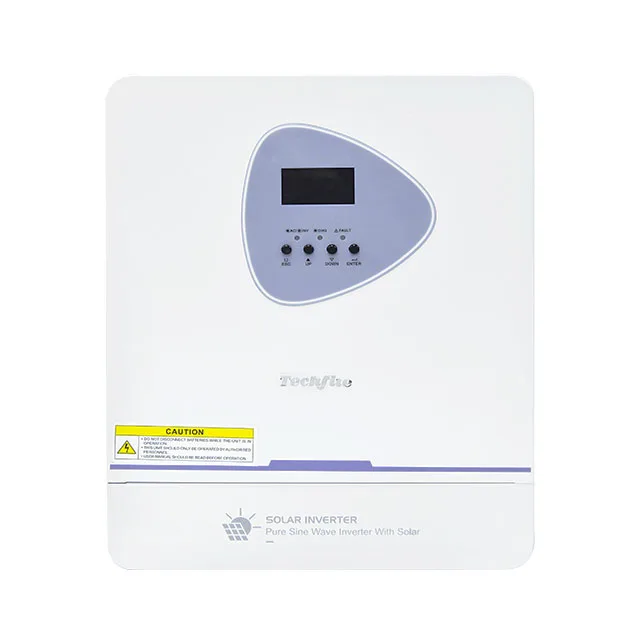 Off Grid Solar Inverter
EA-series | 1.6kW/3kW high frequency off-grid solar inverter with MPPT charger
Multiple parameters can be adjusted according to user needs to adapt to different occasions
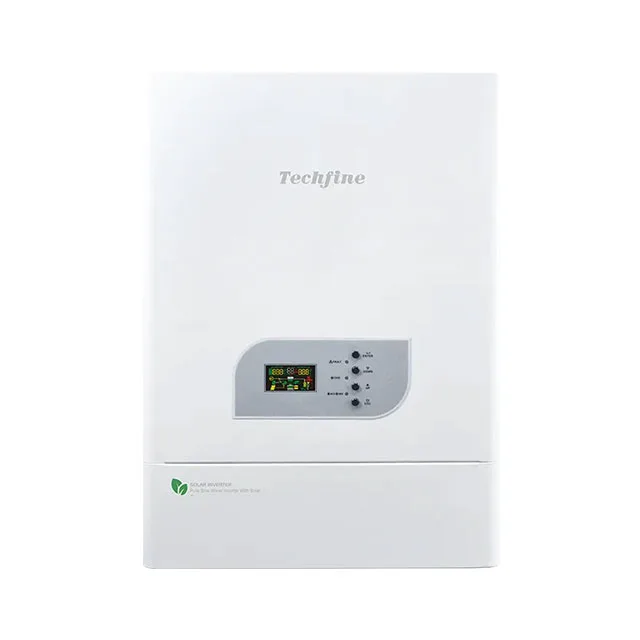 Off Grid Solar Inverter
VS PRO PLUS-series | 5kW/10kW 6300VA/12500VA off-grid solar inverter support parallel
Parallel Function Up to Maximum 9 units
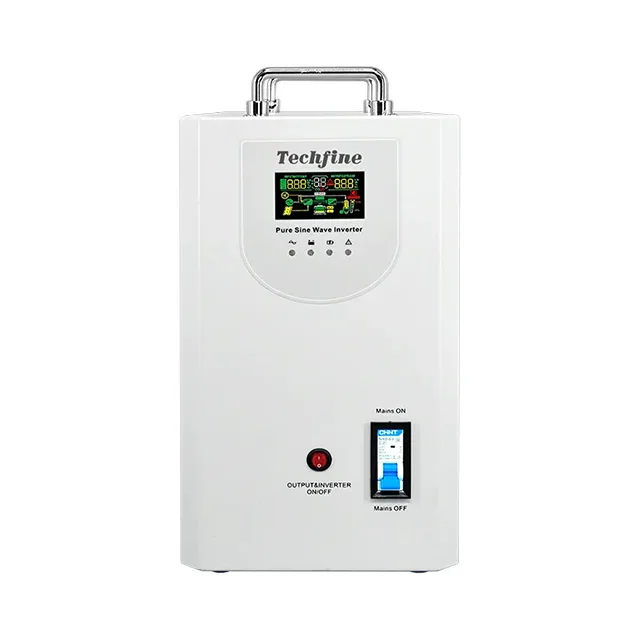 Off Grid Solar Inverter
HB-series | 2kVA–10kVA pure sine wave power inverter charger
Pure sine wave output