
What a 10kW hybrid solar and battery system really includes
A 10kW system is not one box and a number on a quote. This guide shows what belongs in the discussion before you compare equipment, scope or price.
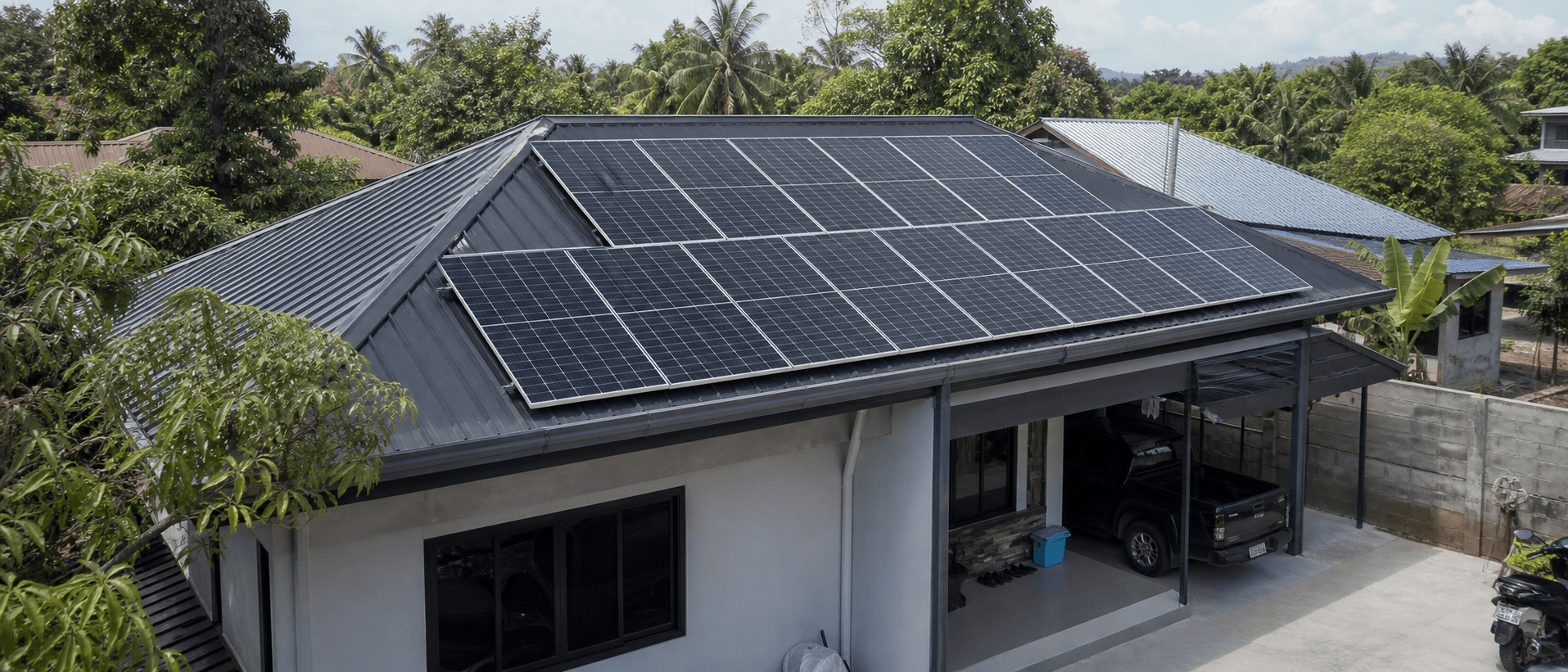
A request for a 10kW hybrid solar system often starts with a sensible question: what will I actually receive? The awkward answer is that the phrase is incomplete. It may describe an inverter's AC output, a rough target for the solar array, or simply a homeowner's idea of the system scale. Those are related, but they are not interchangeable.
A useful quotation makes the pieces visible. It separates the PV array from the hybrid inverter, battery storage, mounting and balance-of-system hardware. It also says what is included in delivery and what still depends on the site, local electrical design and installer. That is the difference between a configuration you can review and a headline figure that sounds finished too early.
The 10kW example in this article is illustrative. It is not a production estimate, a price promise or a substitute for site design. Roof area, daytime loads, backup expectations, utility rules, destination requirements and exact product compatibility all change the final route. The editorial images are illustrative as well; they do not show a Rongkai installation or a guaranteed equipment combination.
First, clarify what the 10kW figure refers to
In most residential discussions, 10kW refers to the rated AC output of a hybrid inverter. It does not automatically mean there are exactly 10kW of modules on the roof, nor that the battery can deliver 10kW continuously. A system may use a PV array above or below that number, depending on the inverter's permitted DC input, roof geometry, seasonal conditions and the designer's assumptions.
That distinction matters when comparing proposals. One seller may be referring to a 10kW inverter with a 12kWp PV array. Another may be selling a 10kWp array with a smaller inverter. A third may use 10kW as a loose package label while the battery power and backup output are different again. Ask for the full model codes and rated values before deciding that two offers are equivalent.
- The exact hybrid-inverter model, its rated AC output and its PV-input limits.
- PV module model, wattage, quantity and the resulting DC array size in kWp.
- Battery model, nominal and usable energy, and the continuous charge/discharge power available in the intended configuration.
- Whether the requested outcome is solar self-consumption, selected-load backup, broader home backup, or a defined combination of these goals.
Does a 10kW hybrid inverter mean the battery provides 10kW of power?
Not necessarily. Battery output depends on the exact battery, BMS, inverter pairing, operating conditions and configuration. The proposal should state the battery-side and backup-output limits rather than relying on the inverter headline alone.
The equipment list is longer than panels, inverter and battery
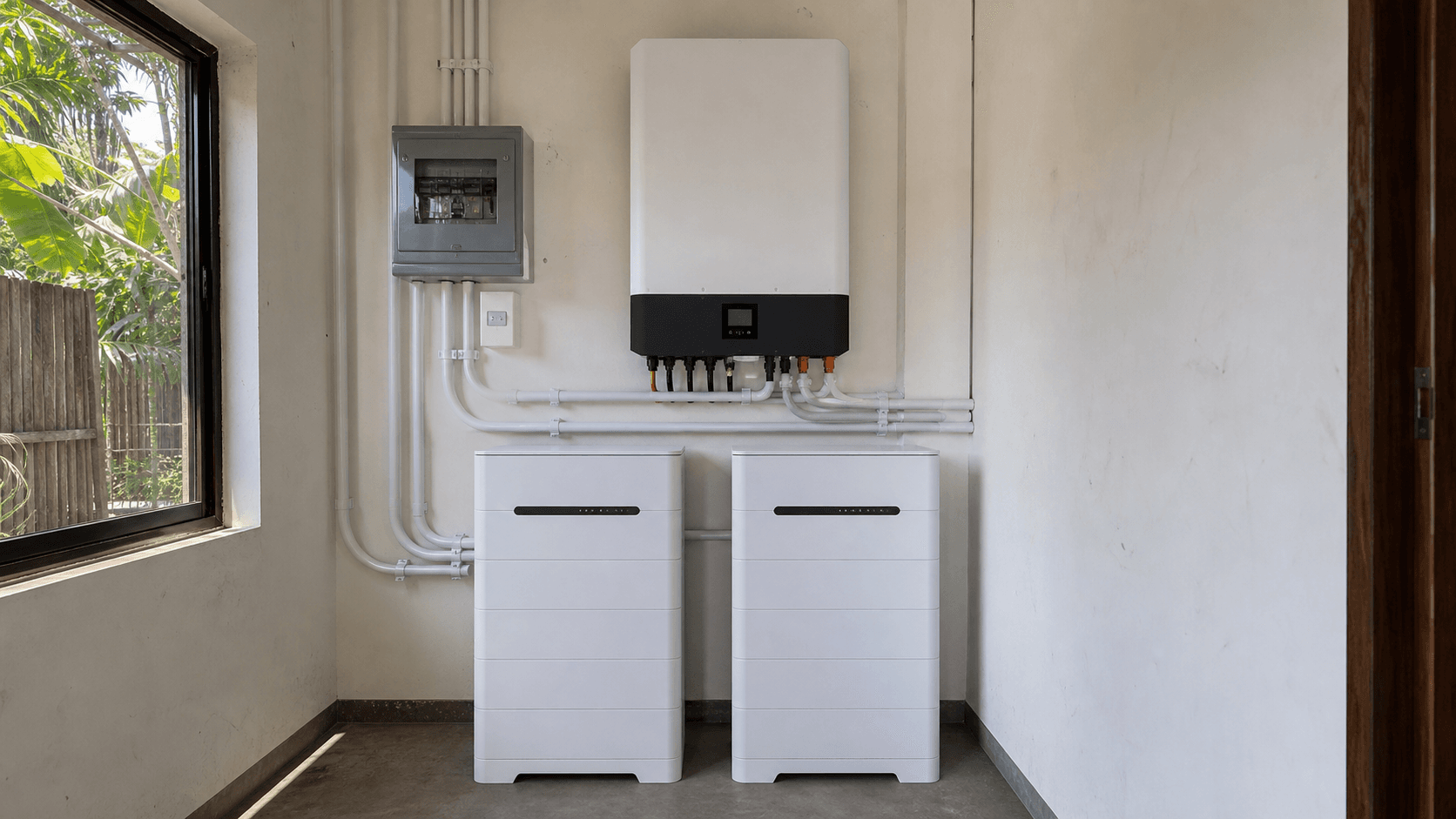
The visible equipment is only the beginning. Modules need a mounting route suited to the actual roof or ground structure. The PV side needs the appropriate cabling, connectors, isolating and protection arrangements required by the final design. The AC side may require switchboard work, metering or monitoring components, backup-circuit equipment and communication hardware. Batteries also need their specified accessories, interconnection parts and a location compatible with the manufacturer's installation requirements.
None of this means every 10kW project has the same bill of materials. A home with a simple new roof and a clear equipment wall is different from a retrofit with an existing PV inverter, limited switchboard space and a request for emergency circuits. The right way to read a quote is to ask which items are model-specific, which are provisional and which are the local installer's responsibility.
- PV modules, mounting structure, rails, clamps and roof or ground-specific accessories.
- Hybrid inverter, monitoring or communication equipment, and model-specific battery accessories.
- DC and AC cabling, connectors, conduit, isolation and protection components as defined by the responsible electrical design.
- Battery cabinets or wall-mounting equipment, interconnection items and the approved installation location.
- Backup-changeover or essential-load equipment where backup is included, plus any meter or control hardware needed for the intended operation.
Battery capacity and backup are separate decisions
A battery's energy rating is usually expressed in kWh. It helps answer how long a defined load may be supported. It does not, on its own, answer how many appliances can run at once, whether an EV charger can operate during an outage, or whether an entire house will remain powered. Those questions involve power limits, supported circuits, inverter capability and the final electrical arrangement.
For a practical first brief, list the loads that matter when the grid is unavailable. A refrigerator, lighting, internet equipment and a few outlets make a very different backup duty from air-conditioning, water heating, cooking and vehicle charging. It is fine for the list to be incomplete at the start. What matters is that the quote distinguishes the stated objective from what remains to be confirmed. This avoids treating a large battery number as a promise of whole-home backup.
The same care applies to recharging. A battery can only store solar energy that the array produces after daytime loads have been met, unless the operating plan also allows grid charging. Seasonal weather, shading, household use and export controls can all affect that picture. A responsible configuration makes those assumptions visible instead of projecting a fixed result from capacity alone.
- Nominal capacity, usable capacity and any reserve setting retained for an outage or operating rule.
- Continuous and short-duration battery/inverter power, including important simultaneous loads.
- The backup scope: named essential circuits, a wider home supply, or no backup function.
- The PV generation assumptions, daytime household demand and intended charging priorities.
- Exact inverter-to-battery compatibility, communication requirement and firmware or accessory basis where applicable.
Can I choose a battery only from my overnight electricity use?
Overnight use is a useful input, but it is not enough. Review daytime solar surplus, the power demand of simultaneous loads, the backup objective, seasonal generation and the exact inverter/battery combination before a final selection.
What to request before comparing two 10kW quotations
The best first request is short and specific. Share the location, whether this is a new build or retrofit, a recent bill or interval data if available, photographs or a simple roof layout, and the loads that matter during an outage. If there is existing solar, include the current module and inverter details. Those inputs help separate a product supply conversation from a site-specific installation decision.
Then ask each supplier to return the same basis: exact model codes, quantities, named inclusions, clear exclusions, documents requested for the destination and the shipping term. If a model is tentative, it should be marked tentative. If final design or local approval belongs to the installer, say so in the proposal. This is not unnecessary paperwork; it is how a buyer catches mismatched modules, omitted accessories or an assumed backup scope before the order stage.
Rongkai can help organize the equipment and shipping side of that brief. Final electrical design, structural assessment, code compliance, utility approval and installation must be confirmed by the appropriately qualified local parties for the project.
- A model-by-model equipment schedule, including modules, inverter, batteries, accessories and proposed quantities.
- A written list of included items, exclusions and open assumptions rather than a package name alone.
- Datasheets and requested document scope for the exact offered model, with destination requirements checked separately.
- Packing, delivery term, destination and battery-transport route where storage is included.
- The party responsible for final electrical design, local approvals, installation and commissioning.
Can a supplier provide a final installation design from a basic online inquiry?
A first inquiry can establish viable equipment routes and the information required for quotation. Final electrical, structural, code and utility decisions need the exact site data and the qualified parties responsible for those scopes.
Related Articles

Do solar panels cause roof leaks or damage your roof?
Solar panels do not normally make a sound roof leak. Problems are more often linked to roof condition, unsuitable mounting, damaged materials or poor workmanship.
Read Article→
How to size solar panels, a home battery and an EV charger for a villa
Size the panels for energy, the inverter for loads that run together, the battery for evening use and backup, and the charger for the car's daily refill.
Read Article→
Solar only vs solar plus battery: which pays back faster?
Solar alone often pays back sooner on bill savings. A battery can change the calculation, but the extra cost and extra savings need their own line.
Read Article→