
Do solar panels cause roof leaks or damage your roof?
Solar panels do not normally make a sound roof leak. Problems are more often linked to roof condition, unsuitable mounting, damaged materials or poor workmanship.
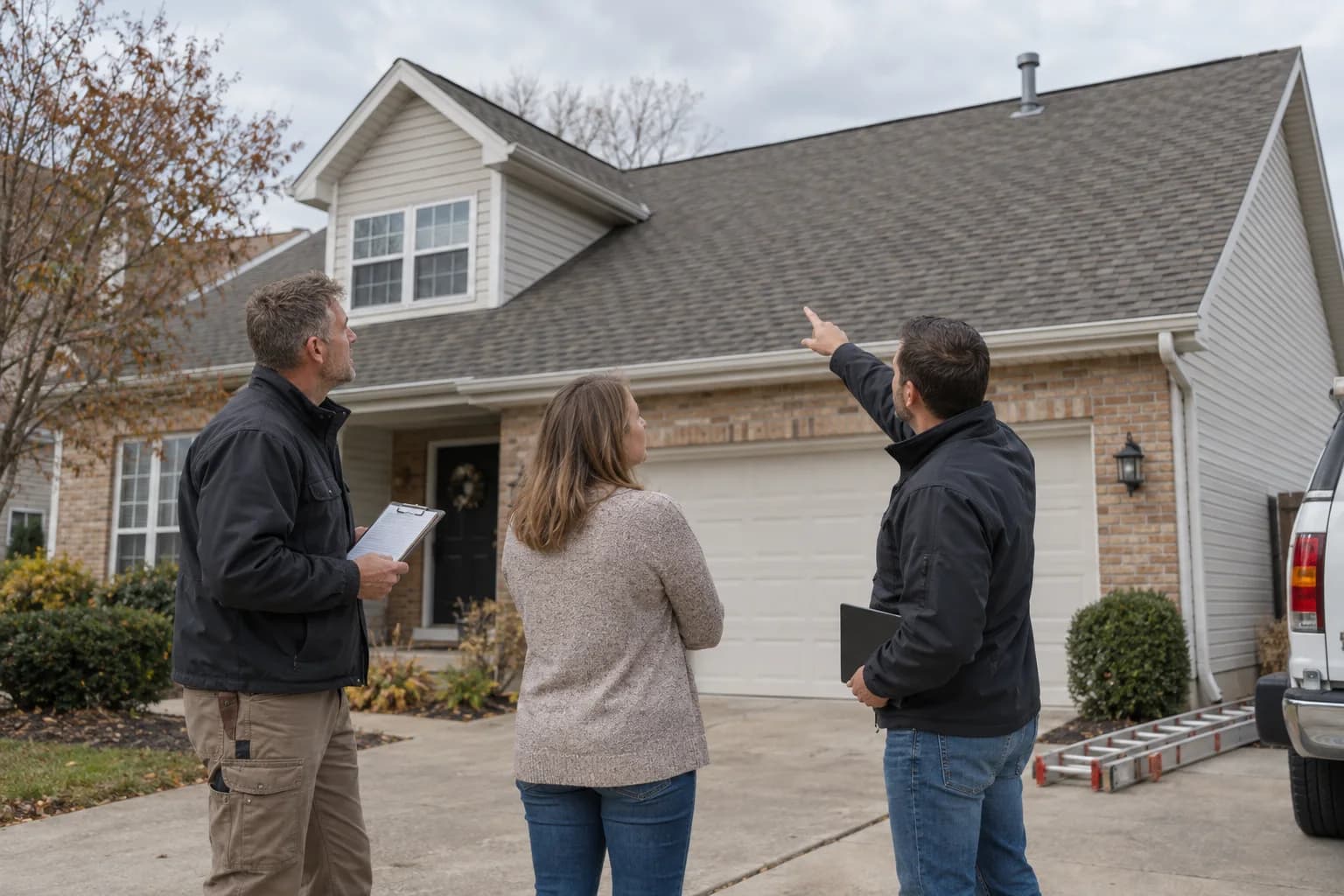
Solar panels do not normally cause roof leaks when they are installed on a suitable roof with a mounting and waterproofing method made for that roof. The risk is not zero. Problems are more likely when the roof was already failing, tiles or membranes are damaged during the work, attachment points are poorly detailed, drainage is blocked, or nobody has agreed who will deal with a later leak.
The panels themselves are usually not the part that lets water into the house. The areas to examine are the roof below them, the places where the mounting system meets the building, and anything moved or damaged while people and equipment were on the roof.
This guide helps a homeowner ask better questions before signing and know what to do if a problem appears later. It is not a roof-repair or solar-installation tutorial. The final roof assessment, structural work, mounting, waterproofing and electrical work belong with qualified people responsible for the property. The photographs are illustrative editorial scenes rather than customer project records.
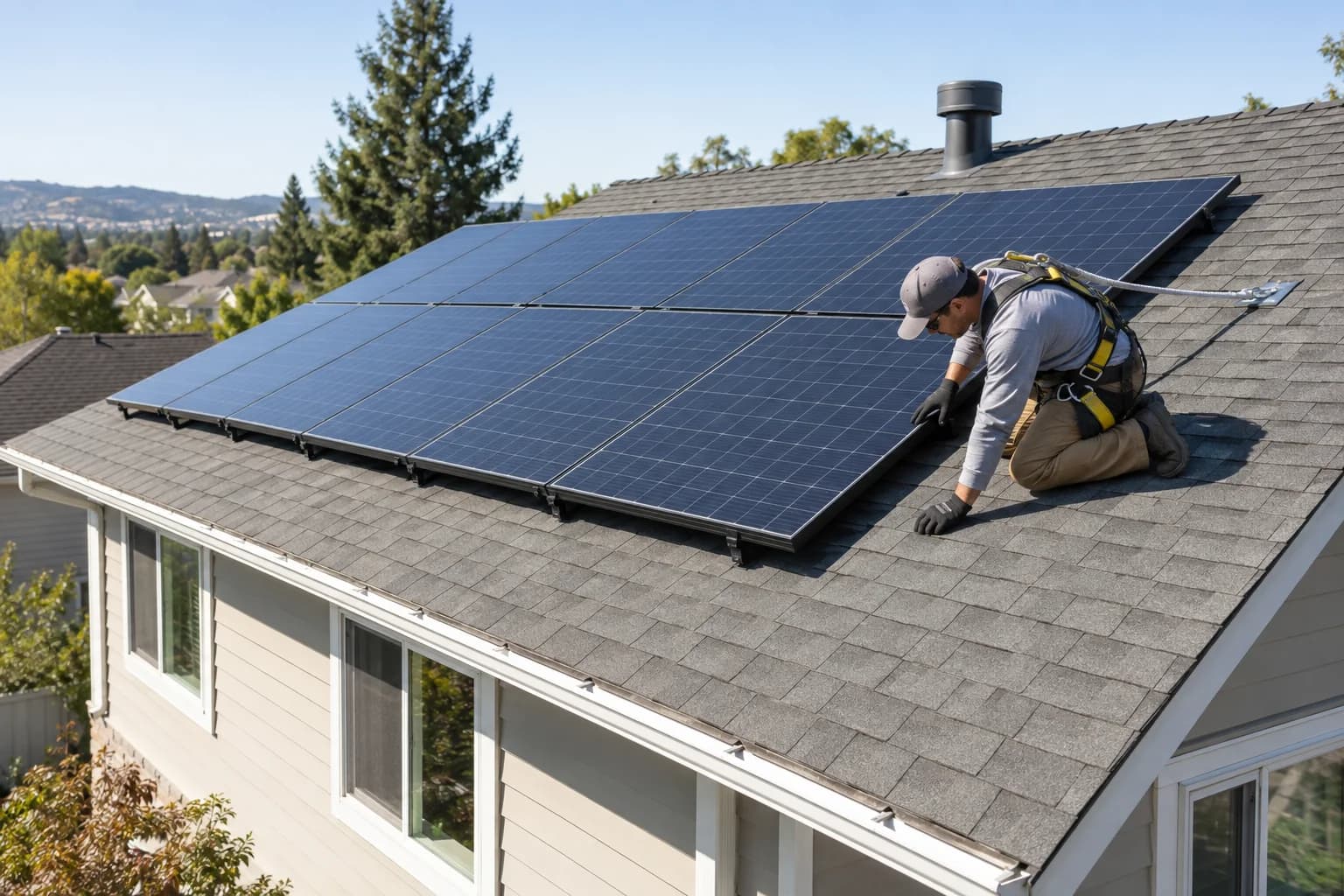
A solar installation starts with the roof that is already there
A roof can look fine from the driveway and still have loose tiles, brittle shingles, failed seals around a vent, wet insulation or an old repair nearing the end of its life. Covering that area with panels does not create the original fault, but it can make inspection and repair harder.
Ask for the roof condition to be recorded before equipment arrives. The useful record is short: roof type, approximate age, known leaks, previous repairs, damaged areas, remaining warranty and clear photographs. If the installer is not qualified to judge the roof, a roofer or suitable building professional should do that part.
This also protects both sides if water appears later. Without a pre-installation record, an owner may assume the solar work caused every ceiling stain, while the installer may dismiss a genuine installation problem as an old leak. A dated set of photographs and notes gives the investigation somewhere sensible to start.
How solar panels meet different roof surfaces
There is no universal “standard roof mount.” The fixing and waterproofing method has to suit the roof covering and the structure below it. A sensible quotation names the roof type and the proposed mounting family instead of hiding the whole subject inside one line marked installation included.
Penetrations are common on many pitched roofs, but a hole does not have to become a leak. A complete roof-specific detail manages water around the attachment and transfers the load to the intended structure. The exact parts and sequence belong in the manufacturer's instructions and the installer’s approved design, not in a homeowner's guess.
Some systems can reduce roof penetrations. Standing-seam metal roofs may accept compatible seam clamps, while some flat roofs use ballast. These routes introduce other questions such as seam compatibility, added weight, wind forces, membrane protection and drainage. “No holes” is not the same as “no roof risk.”
- Roof type
- Asphalt shingles
- What the owner should ask about
- Roof-specific attachment and water-shedding detail
- Common concern
- Old or brittle shingles, misplaced attachments and poor flashing work
- Roof type
- Tile
- What the owner should ask about
- How mounts pass or replace tiles and how broken tiles are handled
- Common concern
- Cracked tiles, pressure points and difficult future access
- Roof type
- Standing-seam metal
- What the owner should ask about
- Clamp compatibility with the exact seam and panel
- Common concern
- Incorrect clamping, coating damage and thermal movement
- Roof type
- Corrugated or exposed-fastener metal
- What the owner should ask about
- Attachment position, sealing system and corrosion compatibility
- Common concern
- Water entry around fasteners and movement over time
- Roof type
- Flat or low-slope roof
- What the owner should ask about
- Attached, ballasted or combined route plus drainage and membrane protection
- Common concern
- Point loads, blocked drains, ponding water and service access
| Roof type | What the owner should ask about | Common concern |
|---|---|---|
| Asphalt shingles | Roof-specific attachment and water-shedding detail | Old or brittle shingles, misplaced attachments and poor flashing work |
| Tile | How mounts pass or replace tiles and how broken tiles are handled | Cracked tiles, pressure points and difficult future access |
| Standing-seam metal | Clamp compatibility with the exact seam and panel | Incorrect clamping, coating damage and thermal movement |
| Corrugated or exposed-fastener metal | Attachment position, sealing system and corrosion compatibility | Water entry around fasteners and movement over time |
| Flat or low-slope roof | Attached, ballasted or combined route plus drainage and membrane protection | Point loads, blocked drains, ponding water and service access |
This table identifies questions, not installation instructions. The approved detail must come from the actual roof, mounting system and responsible local professionals.
Leaks are not the only kind of roof damage
Foot traffic and material handling can harm a roof before the first panel is fixed. Tiles can crack under a misplaced step. Shingles can be scuffed in hot weather. A flat-roof membrane can be punctured by tools or damaged when racks and panels are stacked in one spot. Gutters, drains and roof edges can also be hit during lifting and cable work.
Weight needs a proper answer too. The long-term load from panels and mounting is one part of the check. Workers and pallets can create temporary concentrated loads during installation. Wind can try to lift the array, while snow or debris can add weight. A statement such as “solar panels are light” does not settle those questions for a particular building.
Layout matters after installation. Water still needs to reach gutters and drains. Roof vents and existing equipment need space to work and be serviced. Someone should be able to inspect the roof without walking on modules or pulling loose cables aside. A layout that fills every last patch of roof may create a maintenance problem even when it produces a little more energy.
Should the roof be replaced before solar panels are installed?
Not every older roof needs replacement, and a fixed age cannot decide it. Condition and remaining useful life matter more. The practical question is whether significant roof work is likely while the solar array is still expected to be in service.
If replacement is already due, doing the roof and solar work in the right order can avoid paying to remove and reinstall the array a few years later. If the roof has many useful years left, a documented inspection and limited repairs may be enough. Ask the roofing professional to explain the evidence rather than accepting “it should be fine” or “replace everything” without a reason.
The future removal plan belongs in the financial comparison. Find out who is allowed to disconnect, remove, store and reinstall the equipment, whether the solar warranty changes, and who pays. The panel product warranty normally does not cover the labour required to clear the roof for unrelated repairs.
Three warranties can apply to one roof
Homeowners often hear “25-year warranty” and assume the entire roof and solar installation are protected for that period. That number usually belongs to a particular product or performance promise. It does not automatically cover water entering around an attachment.
Keep three documents separate. The solar equipment warranty covers named products under its terms. The solar workmanship warranty covers installation work for its stated period and conditions. The existing roof warranty covers the roof system, but it may require approved attachment methods, notification, inspection or work by an authorised party.
Ask the roofer and solar installer to put responsibility in writing before the job starts. Who confirms the roof warranty remains valid? Who responds first if a leak appears? Who pays for panel removal if the leak is unrelated to solar, and what changes if the installation caused it? Also check what happens if one company closes before the warranty ends. Clear answers matter more than the longest headline number.
What to do if a leak appears after solar is installed
A ceiling stain below the array deserves attention, but it does not prove the nearest panel mount is leaking. Water can enter around a vent, chimney, valley, ridge or old repair and travel before becoming visible indoors.
Record when the mark appeared, recent weather and where it is inside the house. Photograph it from a safe place. Contact the solar installer and a roofing professional, and provide the pre-installation photographs, final array layout and warranty documents. Do not climb onto a wet roof, remove a panel or disturb electrical equipment to look for the source yourself.
The inspection should identify the water path before repairs are agreed. Some faults can be reached without dismantling a large part of the array; others require supported removal and reinstallation. If water is near electrical equipment or there is an immediate safety concern, keep people away and use the appropriate emergency and qualified electrical services rather than waiting for a routine warranty visit.
Questions to settle before signing the solar contract
A homeowner does not need to design the mounting system. The goal is to make sure the roof has been examined and that the companies involved have not left the difficult parts unspoken. Ask each bidder the same questions and keep the answers with the final drawings and photographs.
- What roof covering, approximate age, visible defects and previous repairs were recorded during the site visit?
- Does the roof need repair first, and who is qualified and responsible for that recommendation?
- Which mounting system is proposed for this exact roof type, and who confirms the structural and waterproofing details?
- How will tiles, shingles, membranes, gutters and drains be protected while people and materials are on the roof?
- Will the existing roof warranty remain valid, and is written approval or a post-installation inspection required?
- Who responds to a leak, what does the workmanship warranty cover, and who pays for panel removal and reinstallation in each situation?
- Will the owner receive before-and-after photographs, the final array layout, mounting information and all warranty contacts?
Do mounting holes always cause roof leaks?
No. Many roof-mounted systems use structural attachments that pass through the roof covering. They rely on a complete roof-specific mounting and waterproofing detail. Leaks are more likely when the roof is already failing, the wrong method is used, materials are damaged or the work is poorly completed.
Can solar panels protect the roof underneath them?
Panels can shade part of the roof from sun and direct weather, but they are not a replacement roof and do not repair existing defects. The covered area still needs suitable drainage, ventilation where required and access for future inspection.
Can a roof leak be repaired without removing all the solar panels?
Sometimes. It depends on the leak location, water path, roof type and array layout. A qualified inspection should find the source first. The affected modules may need supported removal, but assuming the whole array must come off can be as premature as assuming no panels need to move.
Related Articles
How to size solar panels, a home battery and an EV charger for a villa
Size the panels for energy, the inverter for loads that run together, the battery for evening use and backup, and the charger for the car's daily refill.
Read Article→
Solar only vs solar plus battery: which pays back faster?
Solar alone often pays back sooner on bill savings. A battery can change the calculation, but the extra cost and extra savings need their own line.
Read Article→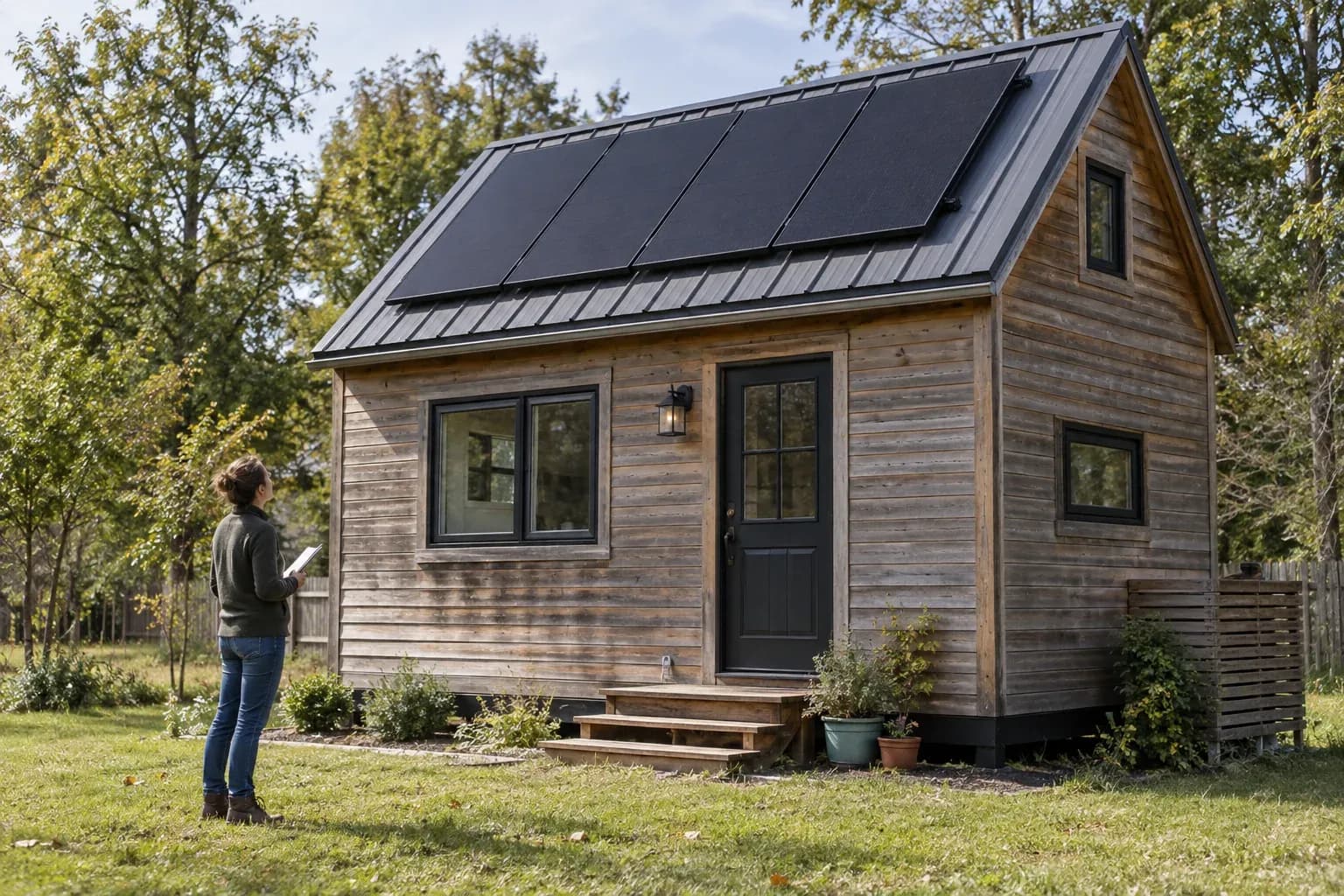
Best solar panels for a tiny house: start with the work, not the panel
A tiny roof and a three-hour work session can make solar look simple. The missing loads, battery reserve and poor-sun days usually decide whether it really is.
Read Article→