
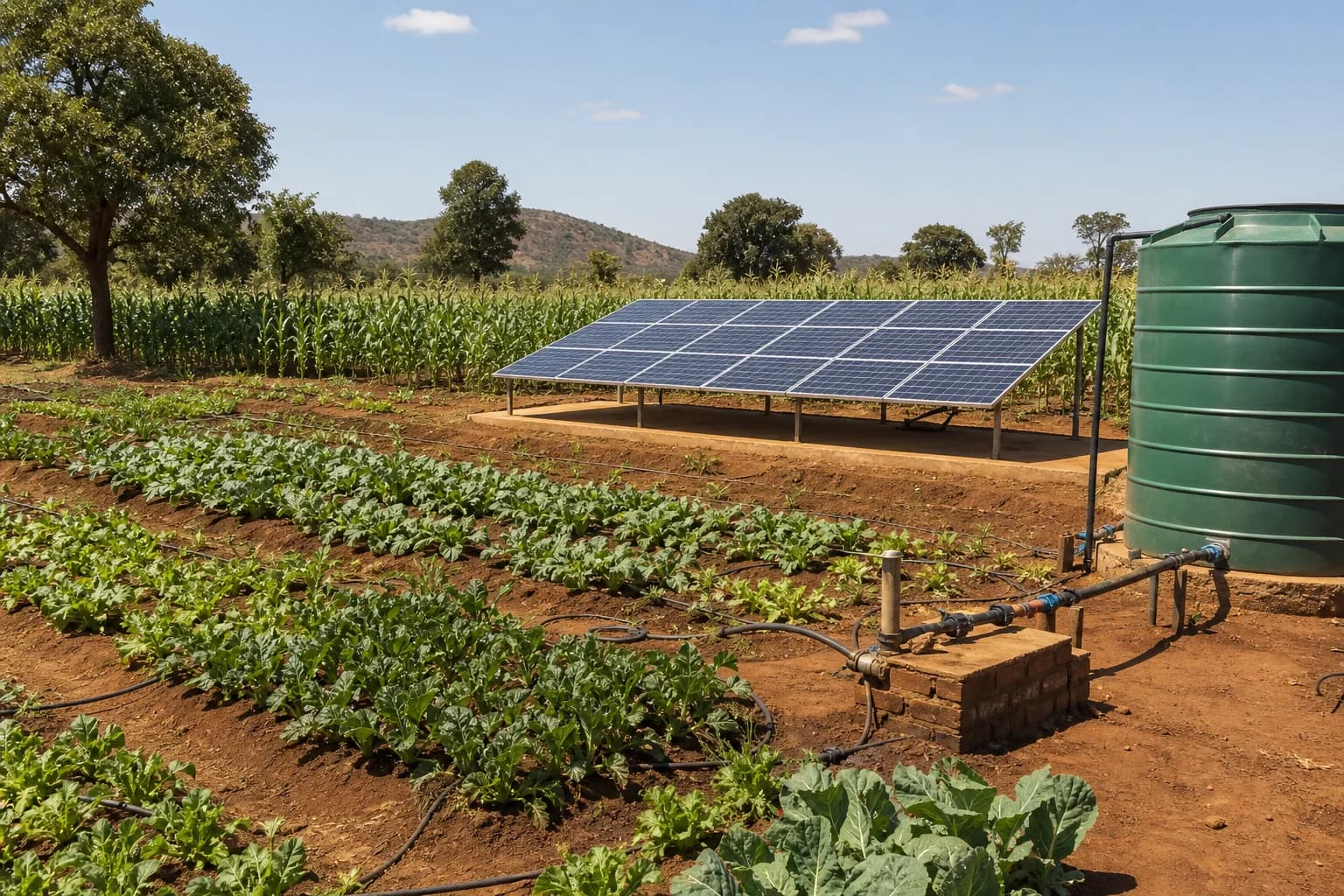
Solar Water Pumping + Agriculture
A solar-pumping RFQ should begin with the water duty and pump curve, not with a guessed PV size.
Procurement content reviewed by the Rongkai Solar Procurement Editorial Desk ·
Start with
Flow + total head
Confirm
Pump curve + pipe route
Plan
Water storage and service
Overview
Water demand, total dynamic head, source conditions, pipe route and irrigation timing determine the pumping duty. Those inputs come before any decision on PV modules, controller, drive or water storage. This page helps assemble the supply request around that sequence. Pump selection, hydraulic design, borehole assessment and field installation still require the responsible local pump specialist and installer.
Common Challenges
- Water is needed on schedule, while fuel delivery and grid access may be uncertain or costly.
- Head, flow, water source and pipe information are essential; without them, a pump selection is only a guess.
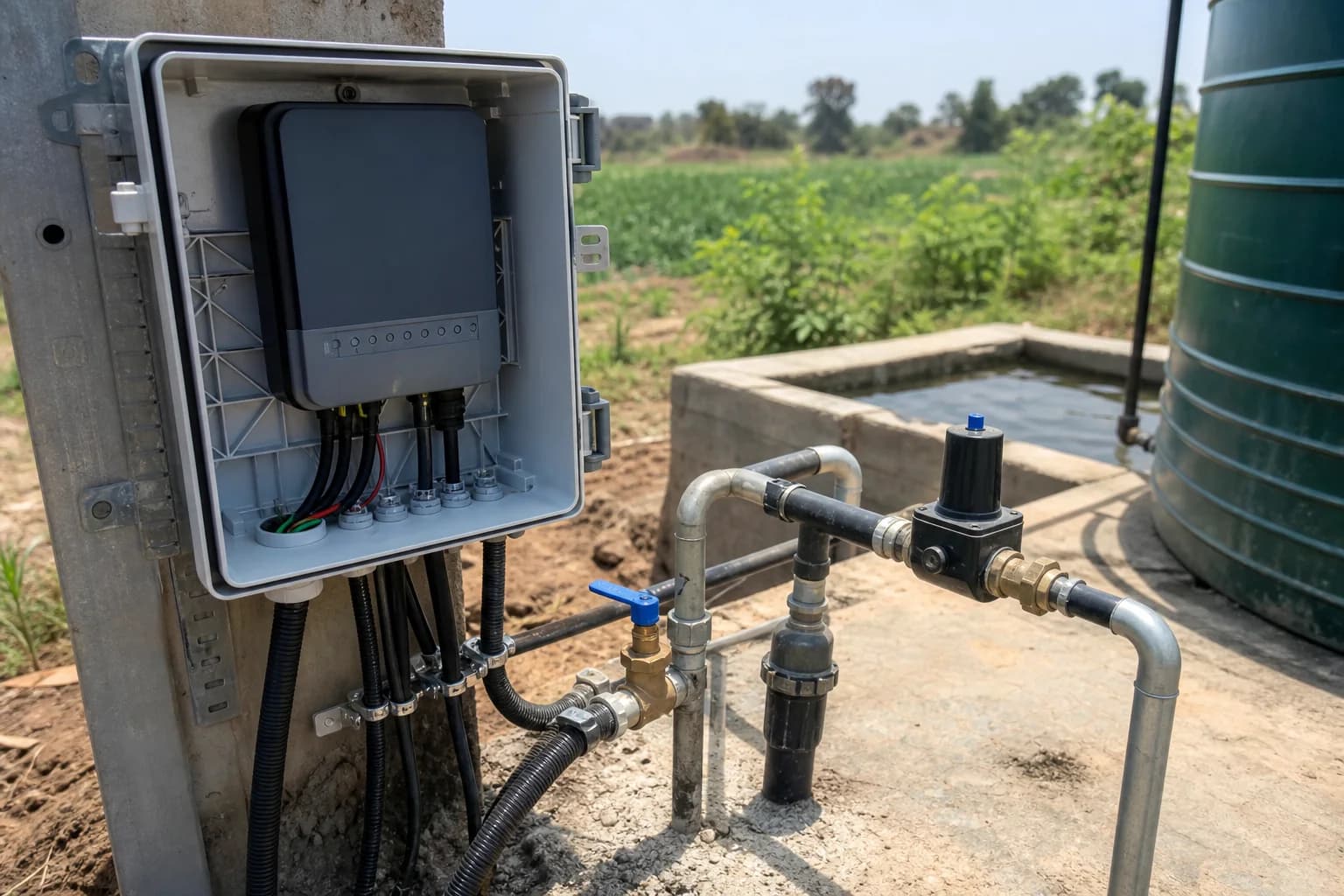
- Field equipment has to be serviceable and protected against dry-run, low-water conditions and weather exposure.
Our Approach
Where the irrigation schedule allows, examine water storage before adding batteries as an energy buffer.
Collect the pump curve and site data before matching the PV array, controller, cable, protection and mounting scope.
Keep the equipment request separate from hydraulic installation and borehole assessment responsibilities.
Key Benefits
Water-first sizing
The system starts with required flow and lift, avoiding an arbitrary PV size.
Avoid unnecessary storage
For daytime irrigation, a water tank can often be the appropriate energy buffer.
Field-serviceable scope
Documentation and spare recommendations can be organized for routine local maintenance.
Typical system flow
- 1PV array
- 2Pump controller
- 3Pump
- 4Water storage / irrigation
Typical Configuration
PV array
Modules and ground structure sized for the selected pump drive and local solar resource assessment.
Solar pump controller / drive
Project-matched controller with required protection features, confirmed against the final pump.
Pump and hydraulic package
Pump model, pipework, and water storage selected by the responsible pump specialist using site data.
Field protection and cabling
DC isolators, surge protection, cable, enclosures, and labels suitable for the installation environment.
Related client project
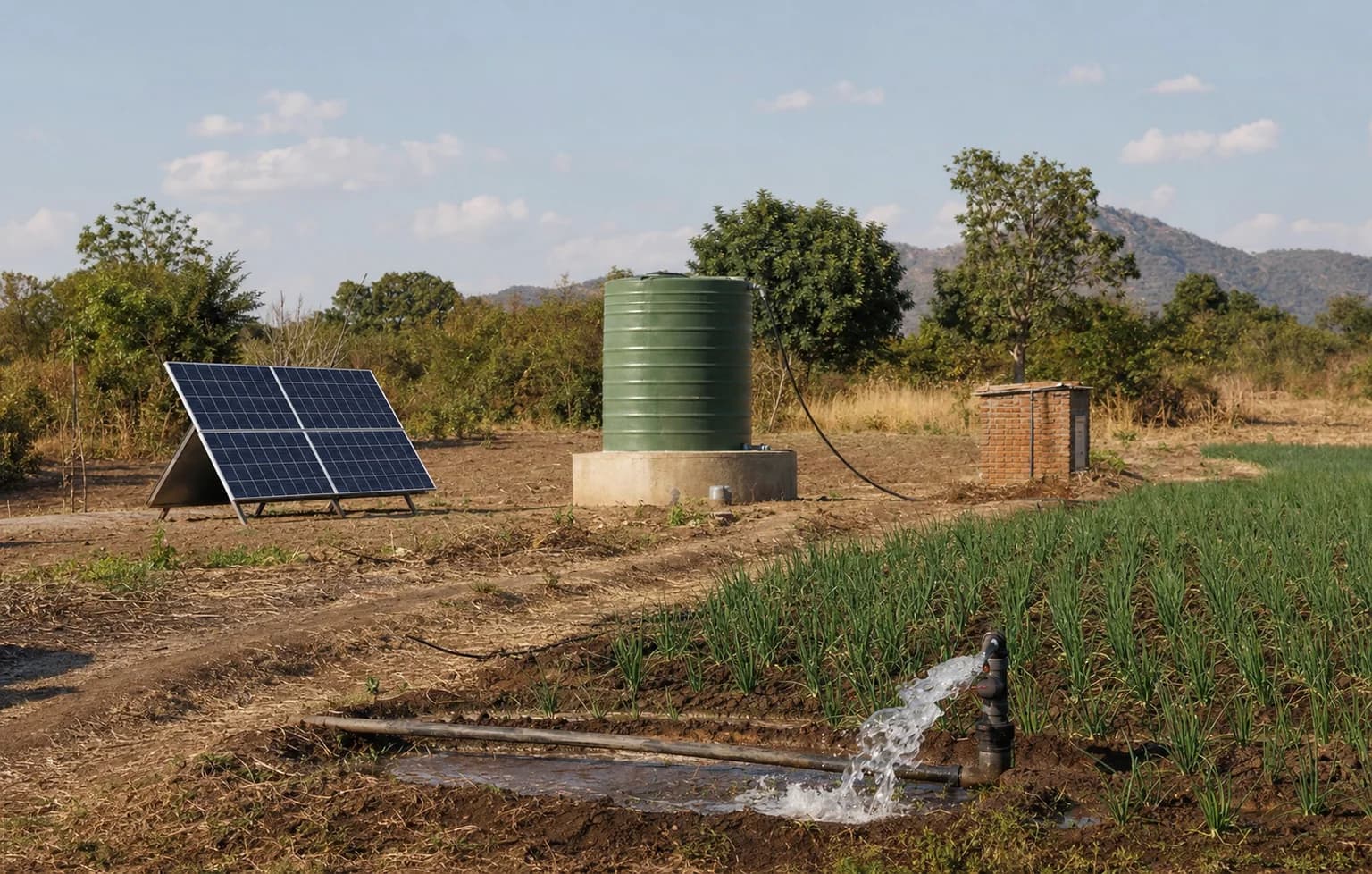 Confidential Client Project
Malawi · 8 kW PV + 7.5 kW solar pump drive
Solar Water Pumping for Smallholder Irrigation — Malawi
A confidential solar-pumping supply case built around daytime irrigation, water storage and local field maintenance.
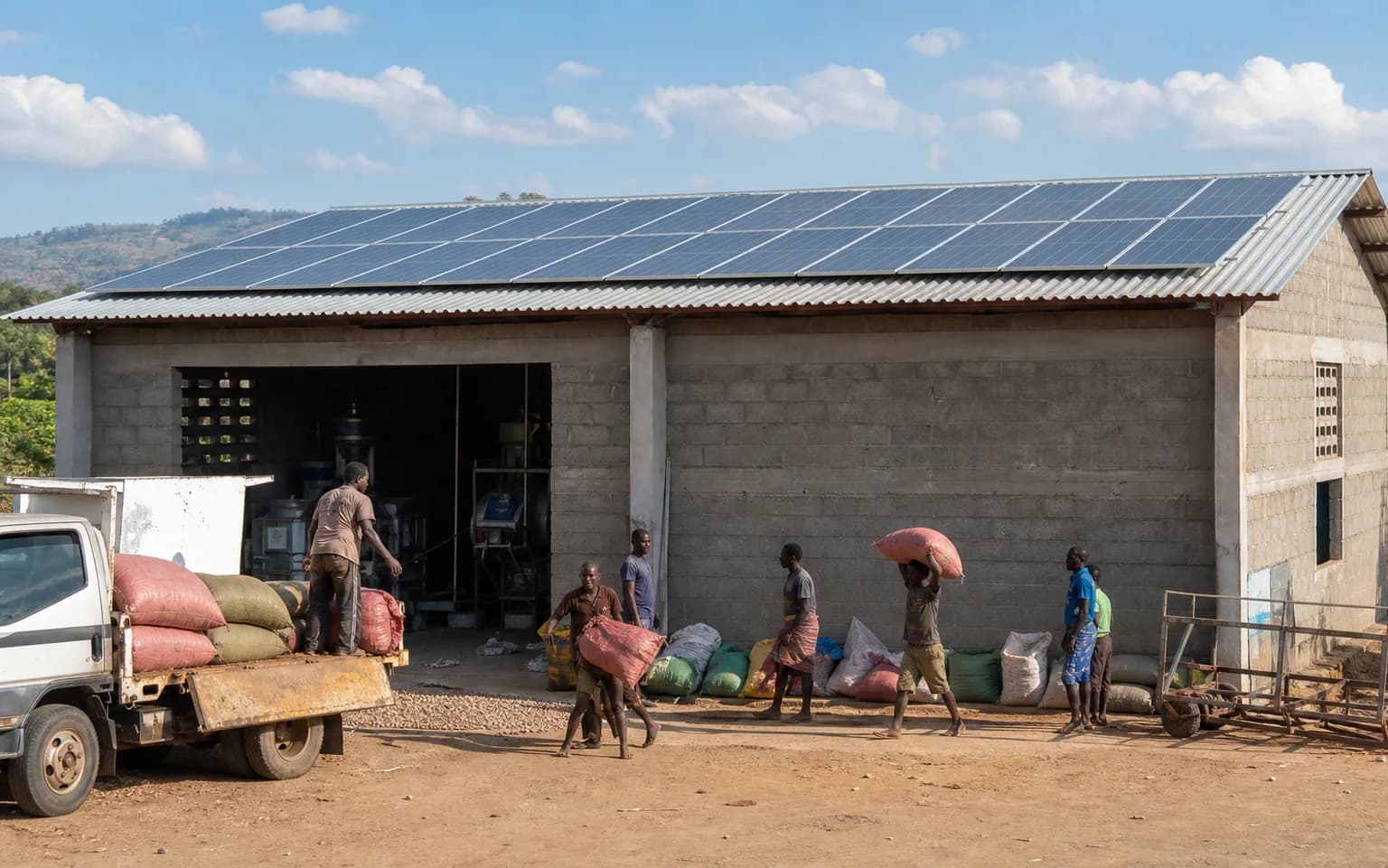 Confidential Client Project
Malawi · 25 kW PV + 40 kWh LFP storage
Rural Agro-Processing Solar System — Malawi
A confidential supply case for daytime milling, lighting and processing, with storage limited to agreed essential operations.
Other Solutions
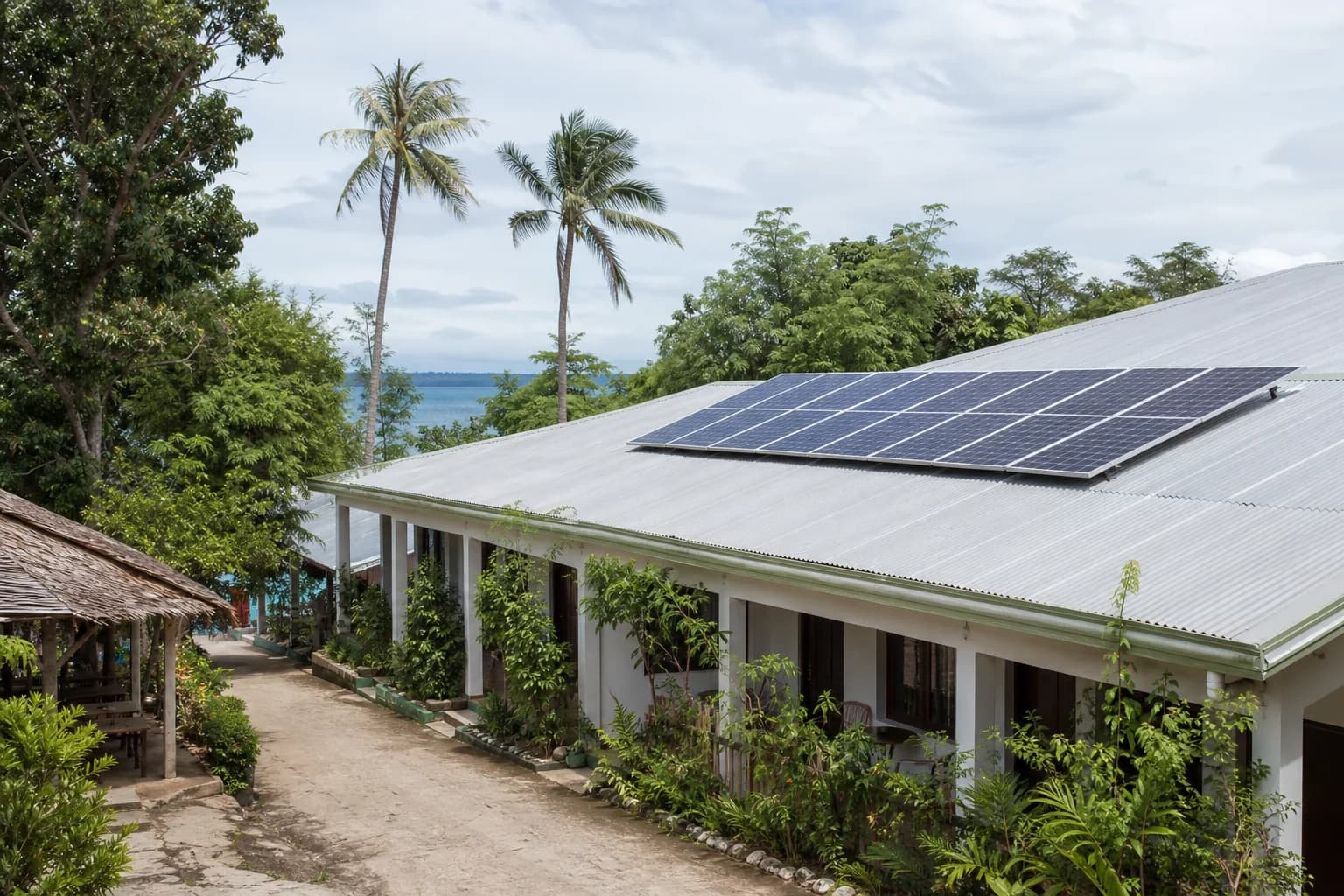 Off-grid
Remote Microgrid + Hybrid Power
For remote and limited-grid sites that need a practical operating plan for PV, battery, generator support and priority loads.
Start with
Load hierarchy
Review
Generator and battery duty
Plan
Service and logistics
 C&I
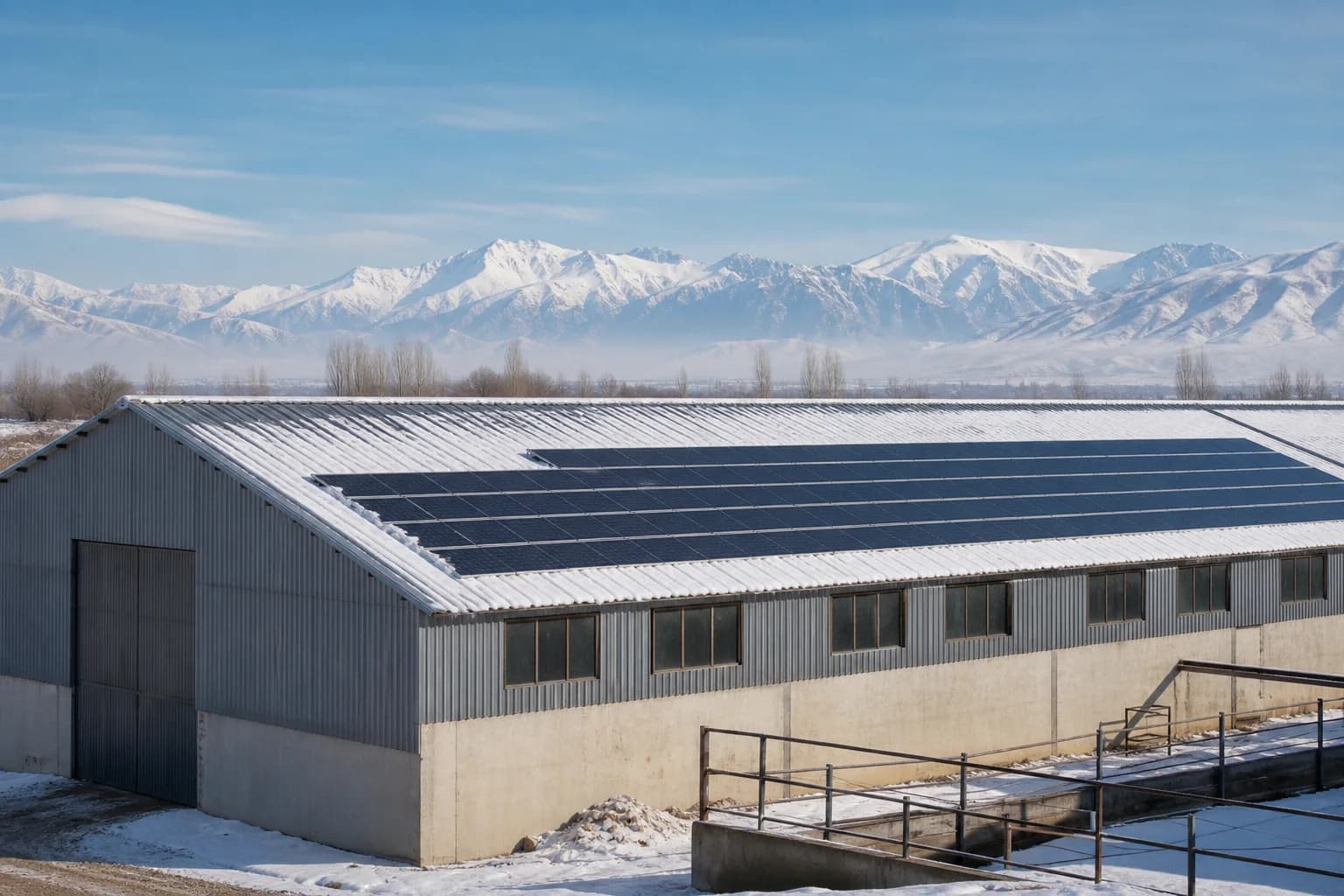
C&ICold-Climate Commercial Solar
For commercial roofs where winter access, snow, drainage and roof capacity change both the equipment request and the installation plan.
Start with
Roof + local climate data
Confirm
Drainage, access and mounting
Keep clear
Service and isolation routes
 C&I
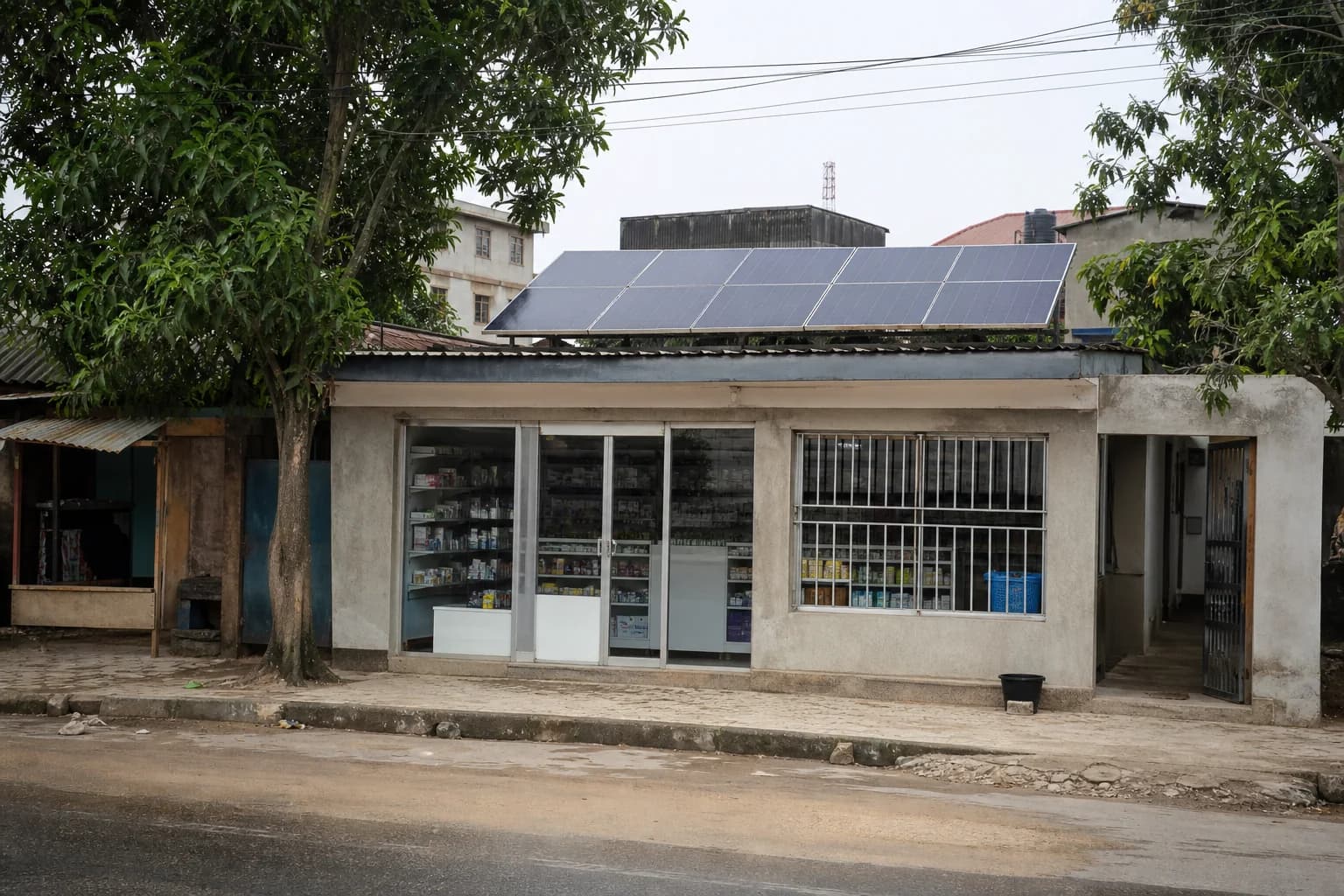
C&ISmall Business Solar + Backup
A practical starting point for businesses that need key equipment to keep running during an interruption, without assuming every load is backed up.
Start with
Priority circuits
Review
Operating hours + starts
Supply scope
PV + storage + protection