
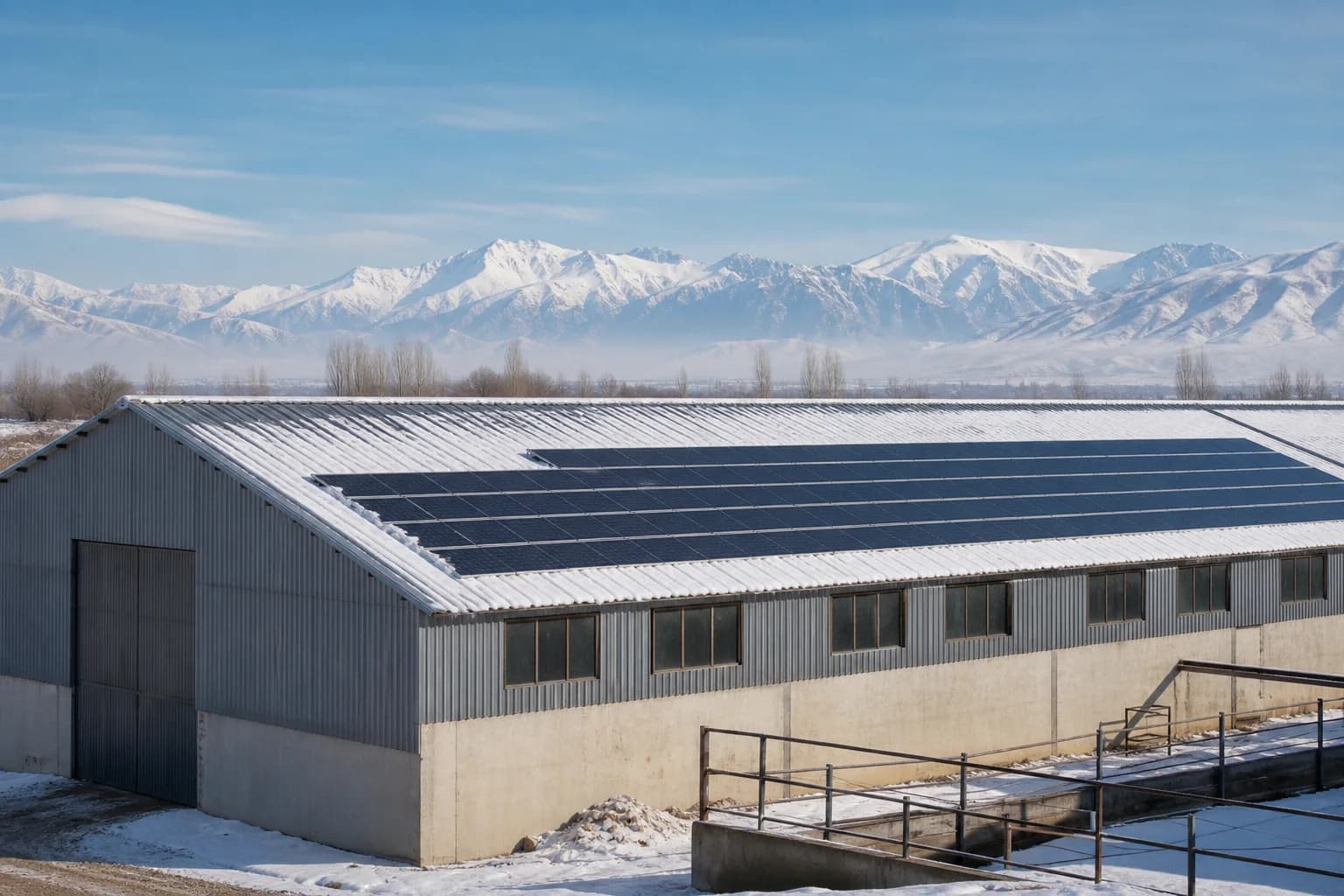
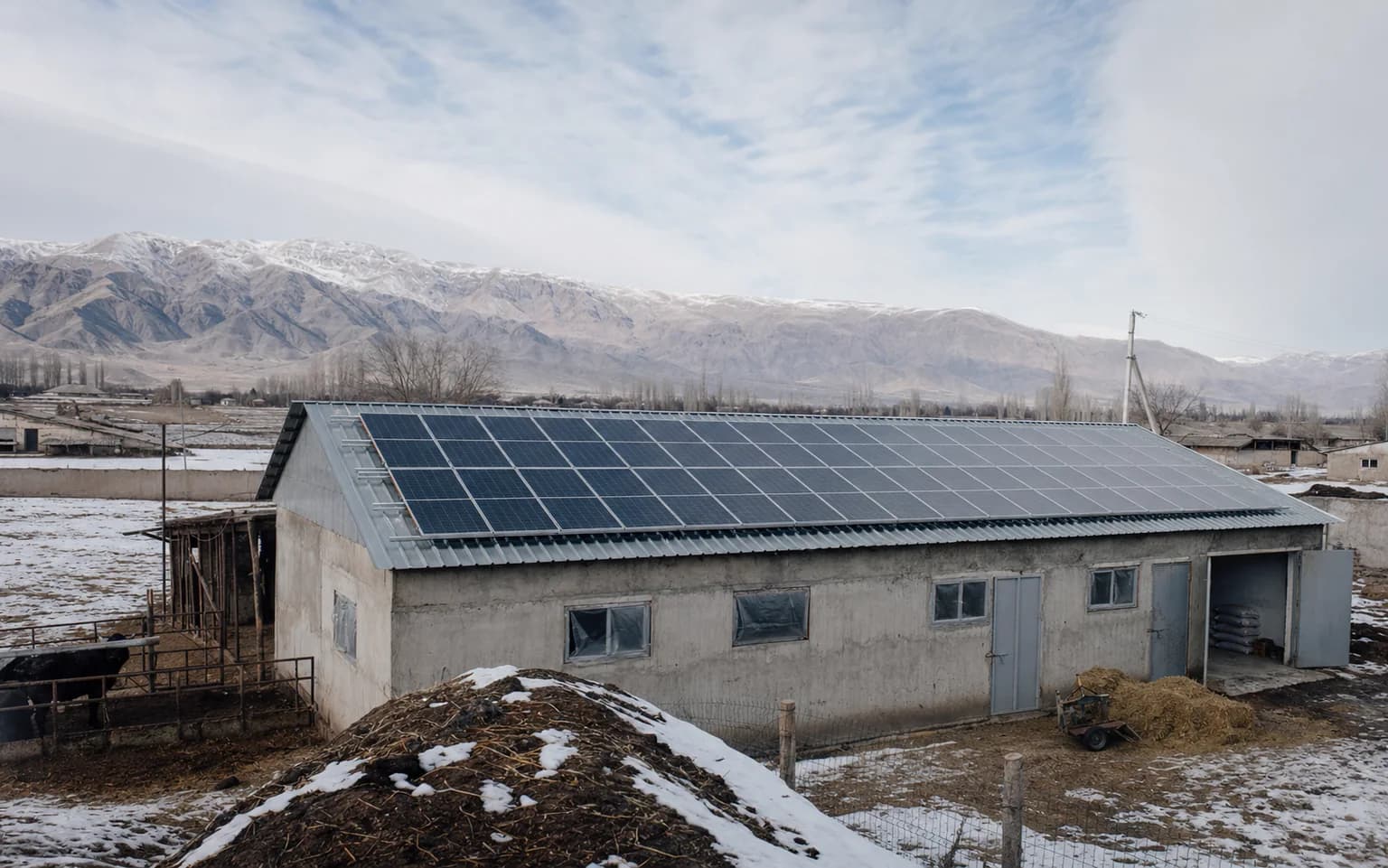
Cold-Climate Commercial Solar
For commercial roofs where winter access, snow, drainage and roof capacity change both the equipment request and the installation plan.
Procurement content reviewed by the Rongkai Solar Procurement Editorial Desk ·
Start with
Roof + local climate data
Confirm
Drainage, access and mounting
Keep clear
Service and isolation routes
Overview
Cold weather does not make a rooftop design automatically unsuitable; it makes site information more important. Roof geometry, snow and wind inputs, drainage, safe access, cable routes and service clearances need to be understood before the mounting and electrical scope is released. This page helps the buyer prepare that equipment request while local structural review, electrical design, permits and installation approval remain with the responsible professionals.
Common Challenges
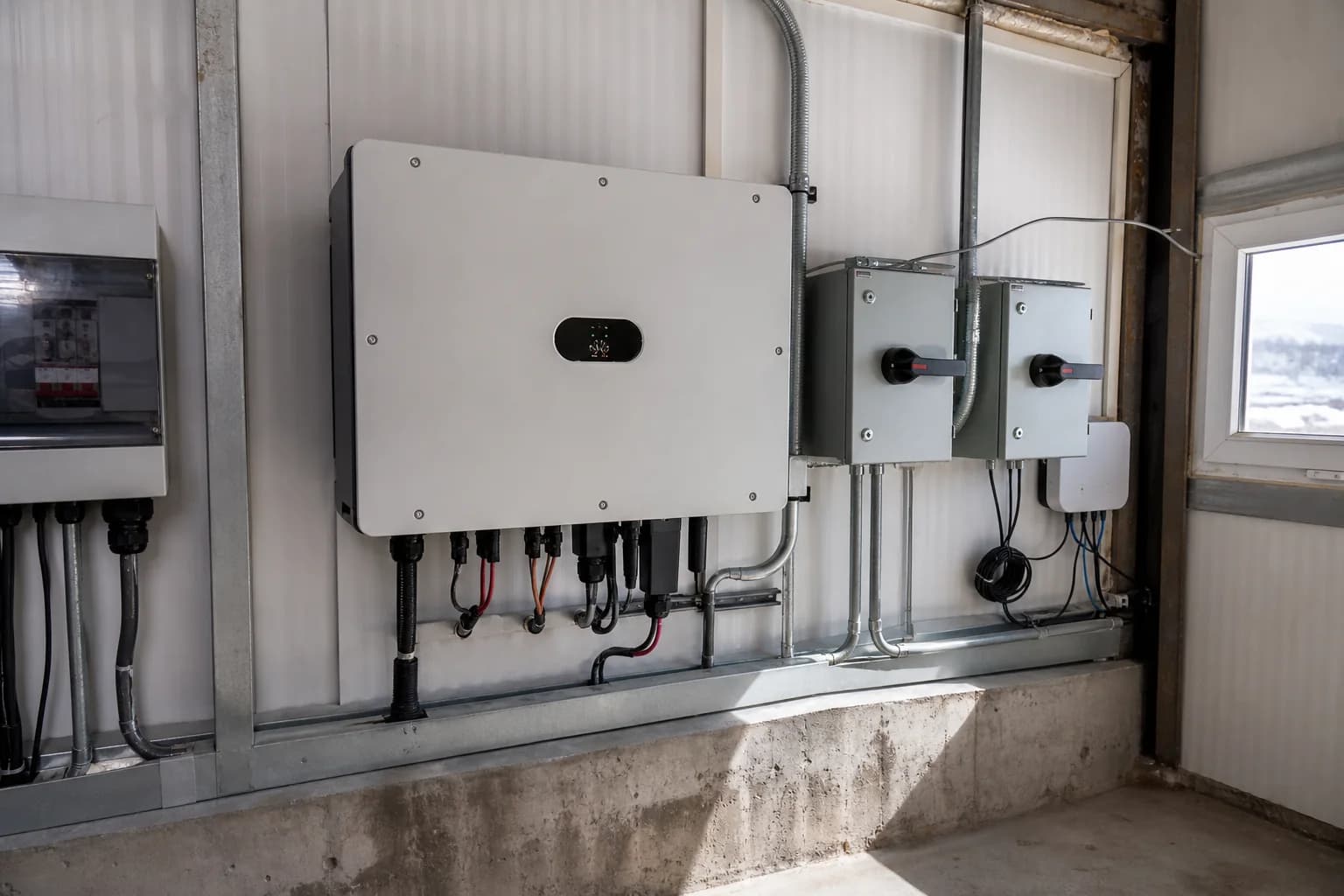
- Snow, wind, drainage and winter access can change the roof interface and the way a system can be serviced.
- Structural capacity, waterproofing and safe access need a documented local review rather than a generic rooftop assumption.
- Isolation points and equipment must remain reachable when site conditions are least convenient.
Our Approach
Make snow, roof type, local wind, drainage, access and cable routing part of the RFQ from the first discussion.
Use the local EPC's structural and electrical design to confirm racking interfaces, string layout and protection scope.
Reserve safe access to equipment and isolation points for seasonal inspection and maintenance.
Key Benefits
Climate treated as an input
Snow and access are addressed before, not after, the BOM is prepared.
Local review supported
The equipment list gives the local EPC a precise basis for structural and electrical coordination.
Maintainable arrangement
The procurement discussion includes service access and seasonal inspection considerations.
Typical system flow
- 1Rooftop PV
- 2String inverters
- 3Monitoring + protection
- 4Warehouse loads
Typical Configuration
Rooftop PV modules
Modules selected with the local layout, operating environment, and supply documentation in mind.
Three-phase string inverter
Inverter platform selected for the electrical design and local grid configuration.
Project-specific mounting
Racking interface confirmed only after responsible local structural and roof review.
Protection and monitoring
Isolators, surge protection, cable management, and monitoring hardware included to the approved scope.
Relevant product platforms
These are independent product research routes, not a validated system bundle. Confirm the exact model, electrical architecture, protocol compatibility, documents, inclusions and project requirements before an order is released.
inverters
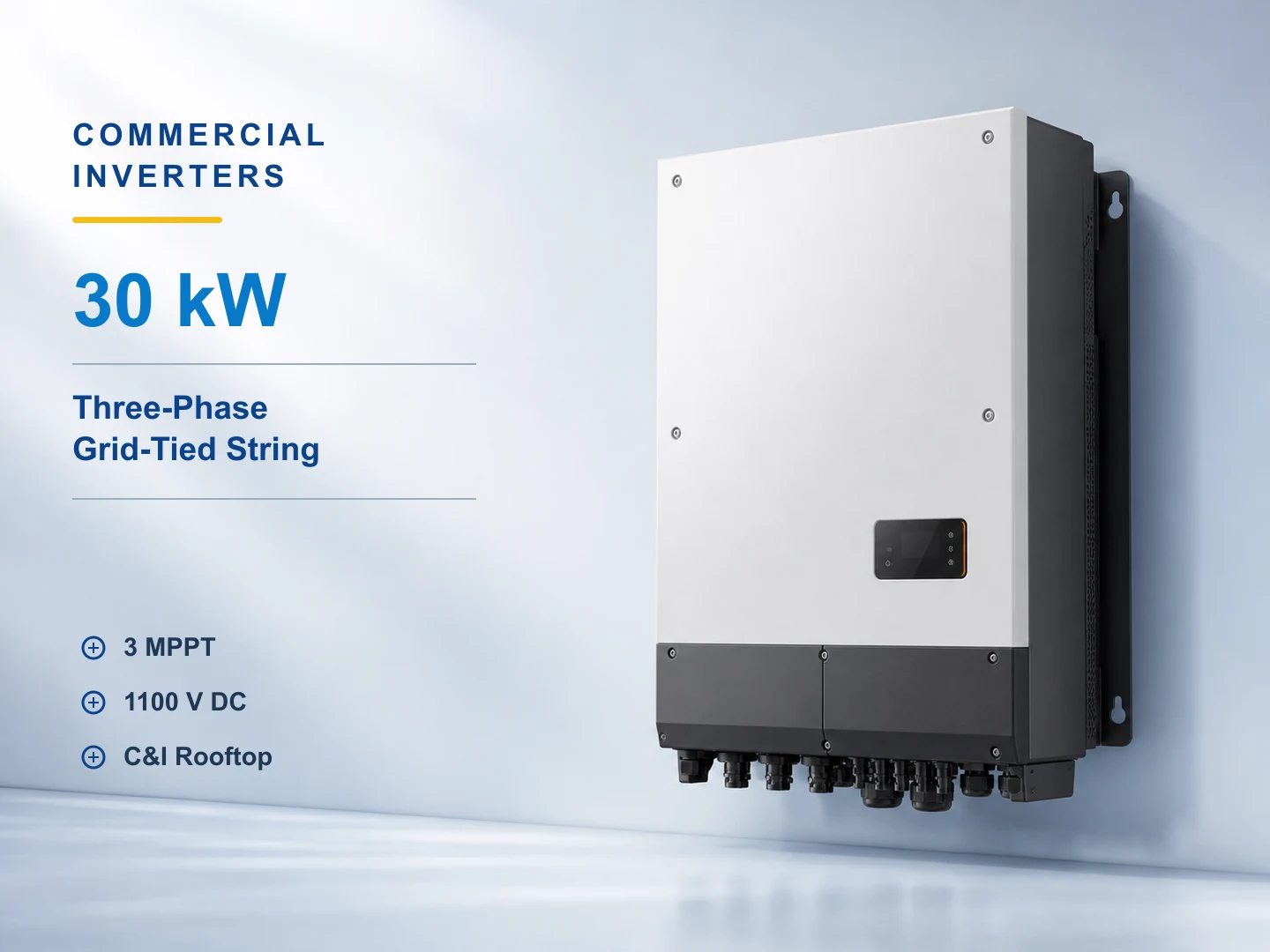
30kW Three-Phase Commercial String Inverter
30 kW three-phase grid-tied string inverter for commercial rooftops, workshops and multi-building solar projects.
inverters
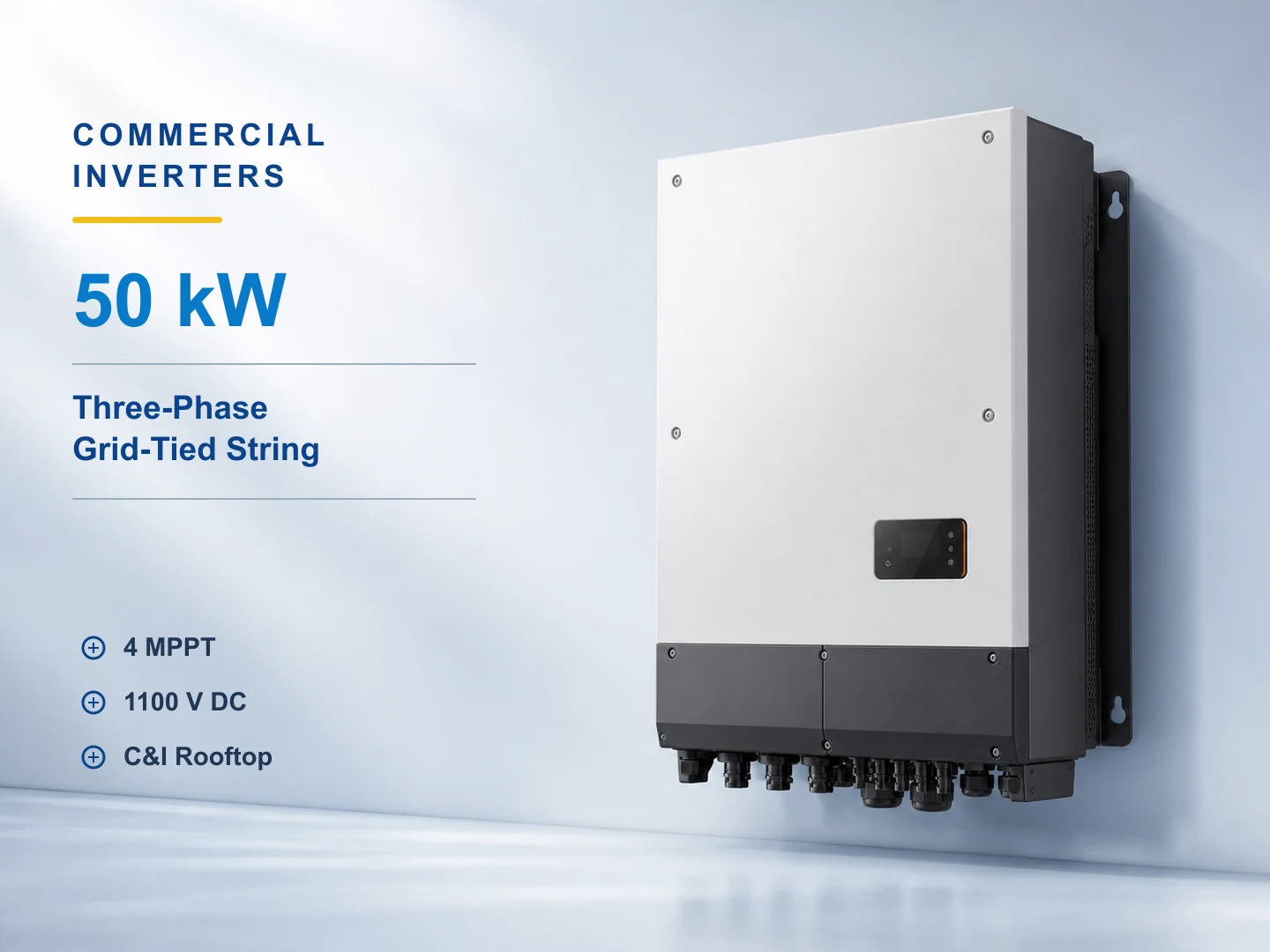
50kW Three-Phase Commercial String Inverter
50 kW three-phase grid-tied string inverter for factory roofs, logistics centers and large commercial solar sites.
Other Solutions
 C&I
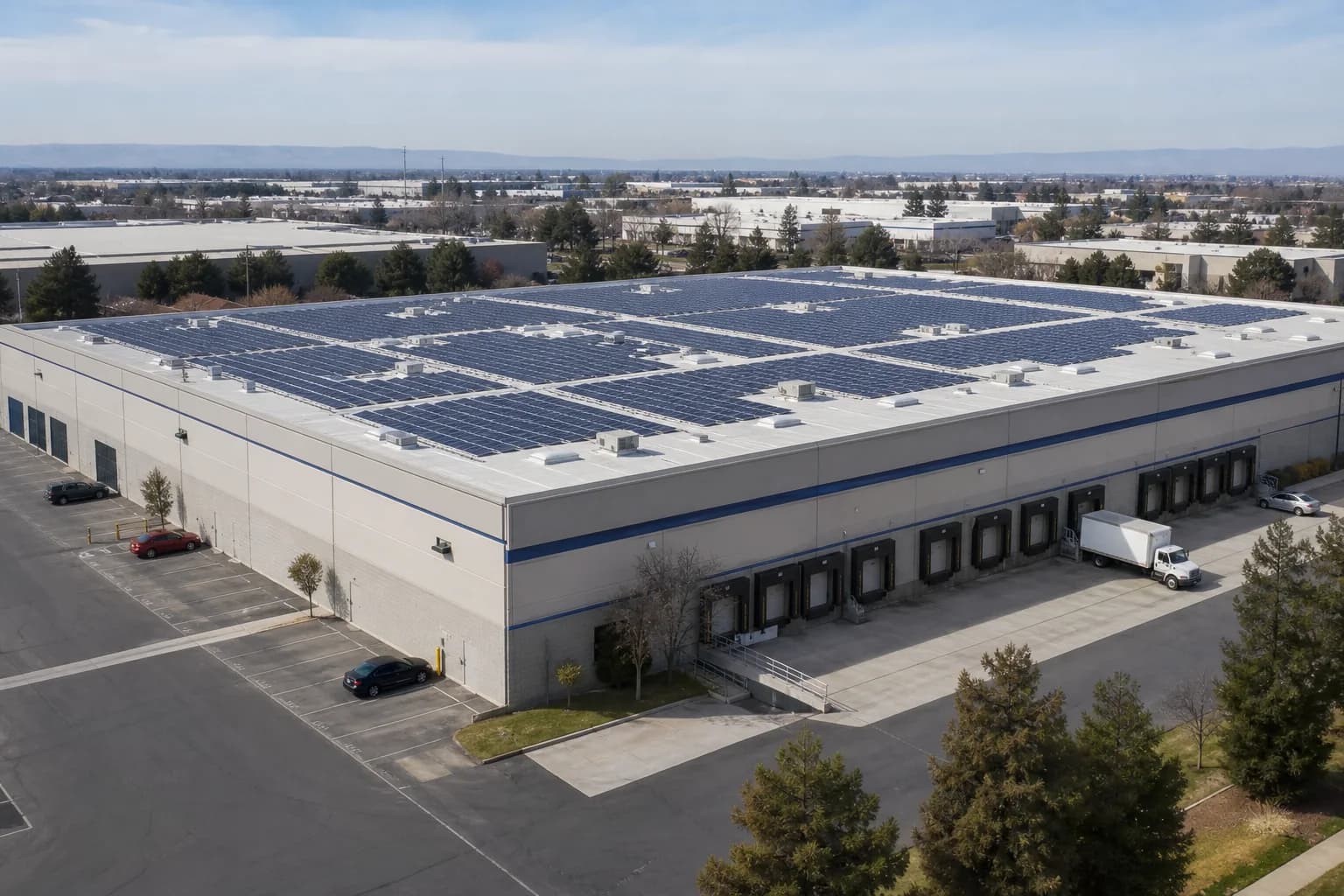
C&ICommercial Rooftop Solar
A procurement route for warehouses, factories and commercial buildings where roof use, daytime demand and construction sequencing all matter.
Start with
EPC layout and load data
Supply scope
Modules + inverters + BOS
Delivery
BOM-led and phased
 Utility
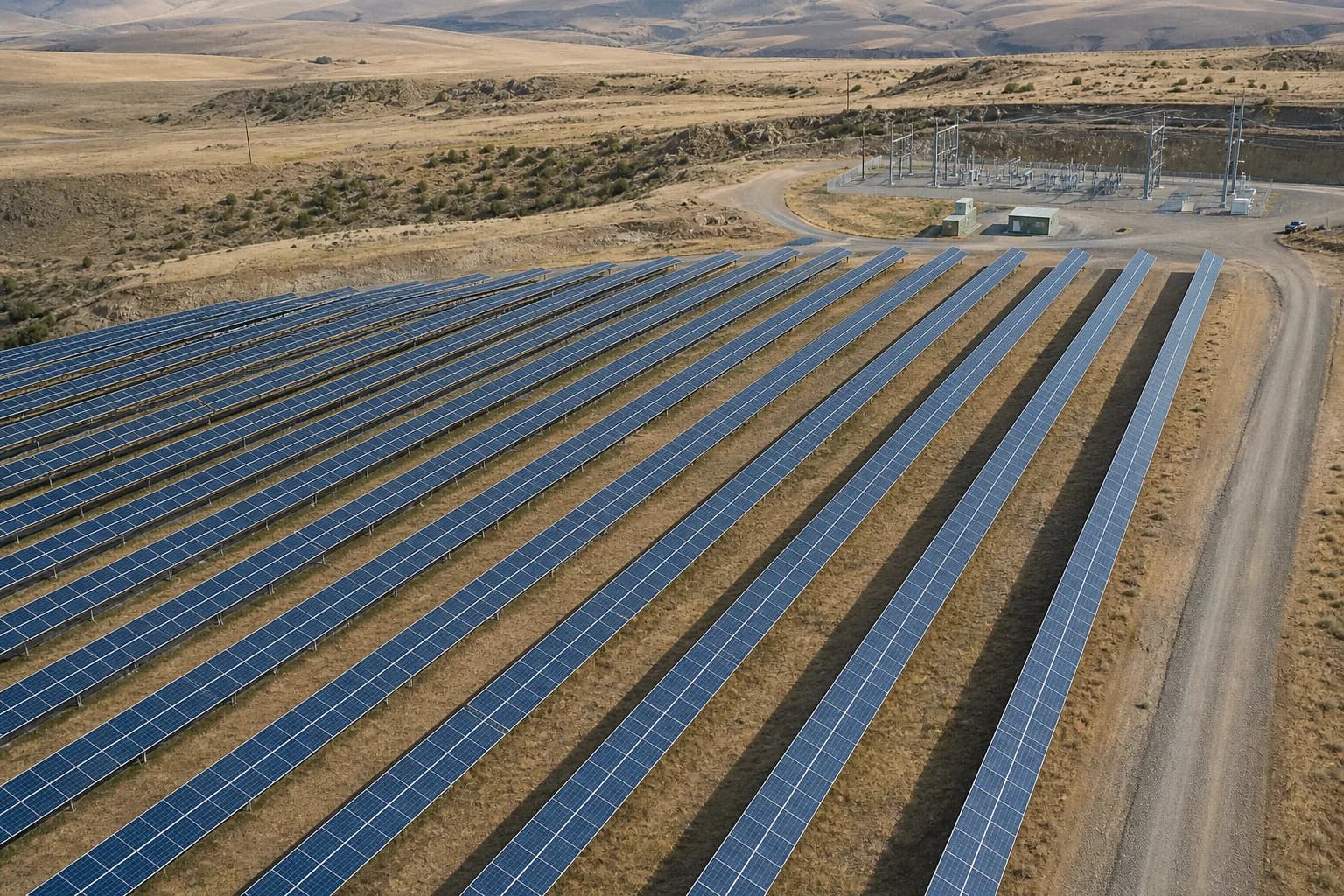
Utility Solar Procurement Package
A procurement route for EPC and IPP teams that need a controlled equipment schedule, model documentation and delivery plan—not a substitute for project engineering.
Start with
EPC technical schedule
Control
Model, revision and documents
Plan
Packaging and delivery sequence
 Off-grid
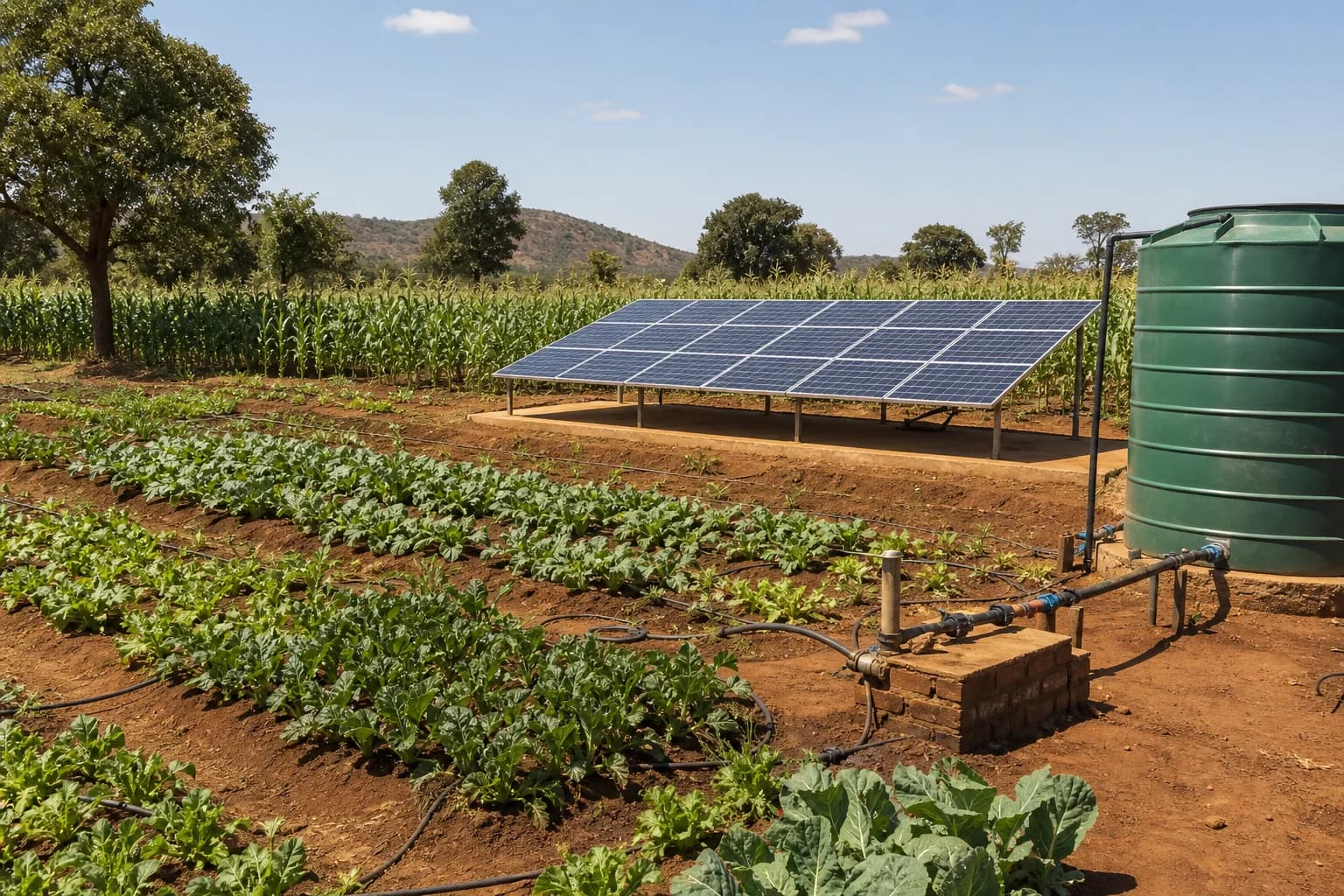
Solar Water Pumping + Agriculture
A solar-pumping RFQ should begin with the water duty and pump curve, not with a guessed PV size.
Start with
Flow + total head
Confirm
Pump curve + pipe route
Plan
Water storage and service