
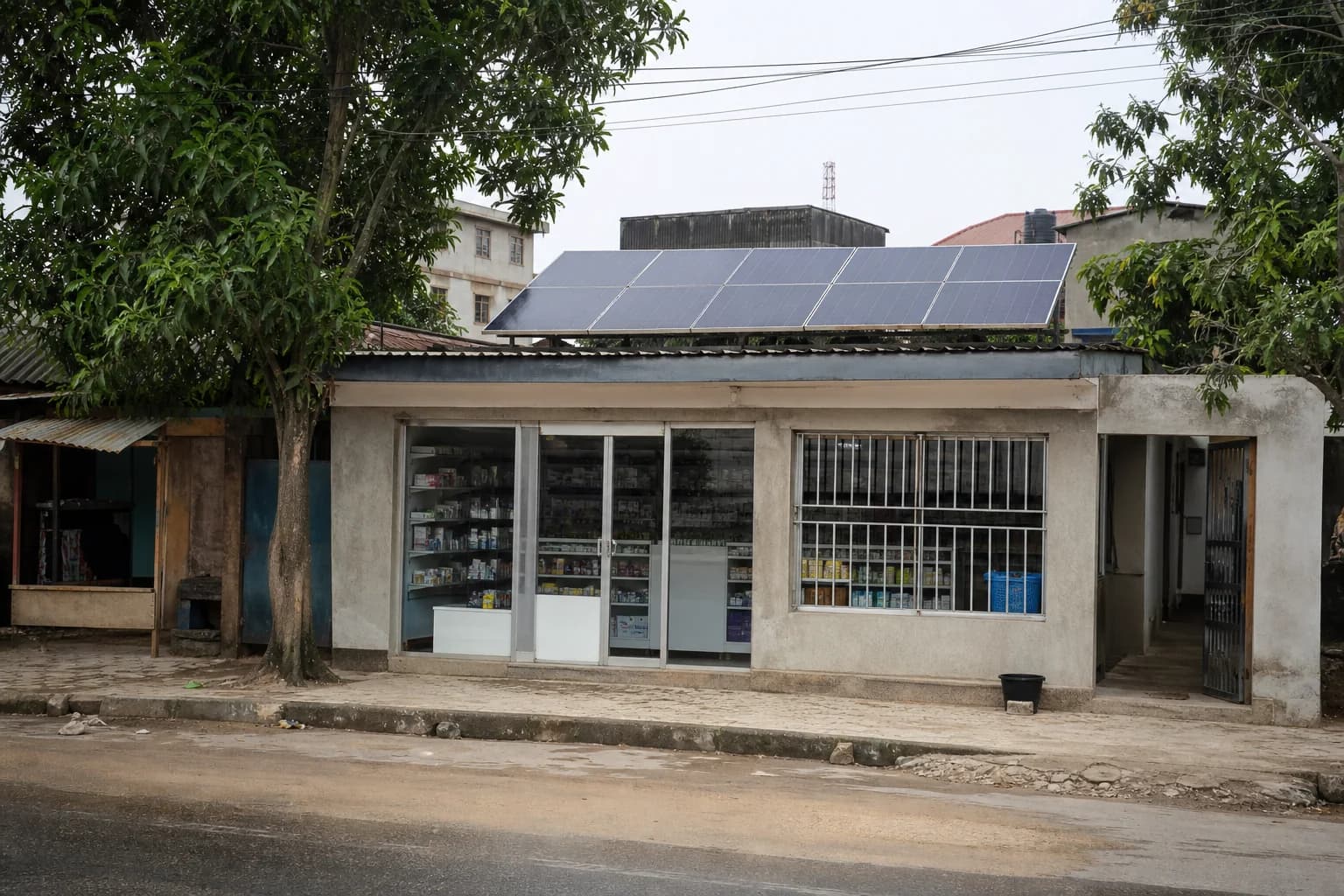
Small Business Solar + Backup
A practical starting point for businesses that need key equipment to keep running during an interruption, without assuming every load is backed up.
Procurement content reviewed by the Rongkai Solar Procurement Editorial Desk ·
Start with
Priority circuits
Review
Operating hours + starts
Supply scope
PV + storage + protection
Overview
For a pharmacy, clinic, shop or workshop, a short outage can affect stock, transactions, security or customer service. This page helps turn that operating problem into a usable equipment request: identify the circuits that matter, their operating hours and any motor starting loads, then define PV, power conversion, battery and protection scope. Final wiring, grid approval and commissioning stay with the appointed local professionals.
Common Challenges
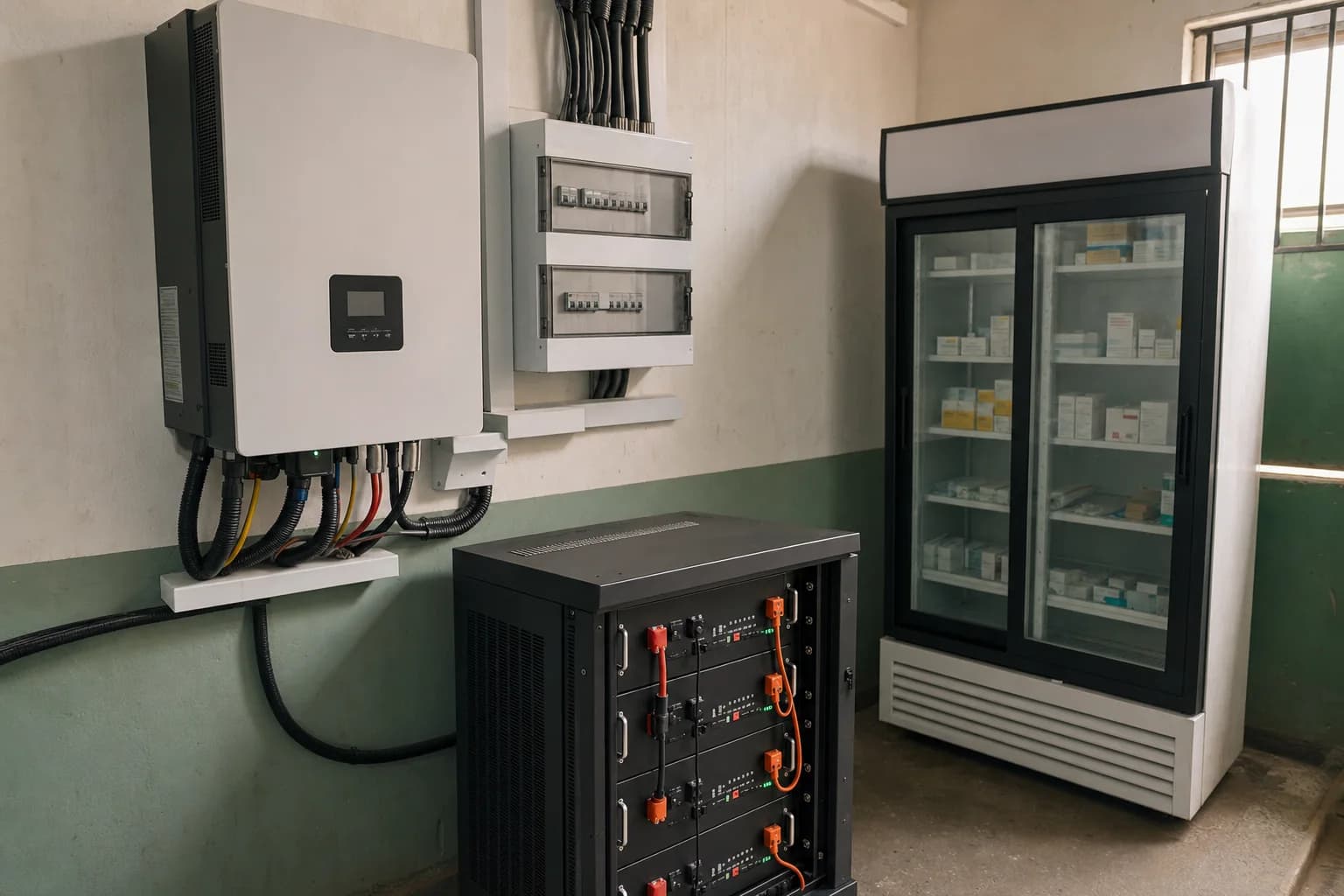
- An outage can spoil temperature-sensitive stock or interrupt payment, communications, lighting and security.
- A small site may mix single- and three-phase equipment while offering little room for batteries, switchgear or access.
- The useful question is which loads must continue—not whether every circuit can run forever.
Our Approach
List the priority circuits and motor starting loads before selecting any inverter or battery size.
Keep the RFQ legible: PV, inverter, battery, protection and the essential-load board should be shown as separate supply lines.
Use operating hours and consumption data to decide whether storage is for continuity, shifting daytime energy or a combination of both.
Key Benefits
Business continuity focus
Protect the loads that matter to daily trading instead of treating all consumption as equally critical.
Compact equipment scope
A defined BOM makes it easier to plan equipment space, receiving, and installation.
Document request control
The RFQ can identify the manuals, battery transport information and exact model records that must be confirmed for the quoted equipment.
Typical system flow
- 1PV array
- 2Hybrid inverter
- 3LFP storage
- 4Priority business loads
Typical Configuration
Commercial PV array
Rooftop or ground-mount array sized to usable area and daytime business consumption.
Hybrid or three-phase inverter
Selected against site phase, load type, and approved battery architecture.
Modular LFP storage
Rack or wall-mounted batteries for the agreed continuity target.
Essential-load separation
Priority refrigeration, lighting, POS, communications, or security circuits identified by the local contractor.
Relevant product platforms
These are independent product research routes, not a validated system bundle. Confirm the exact model, electrical architecture, protocol compatibility, documents, inclusions and project requirements before an order is released.
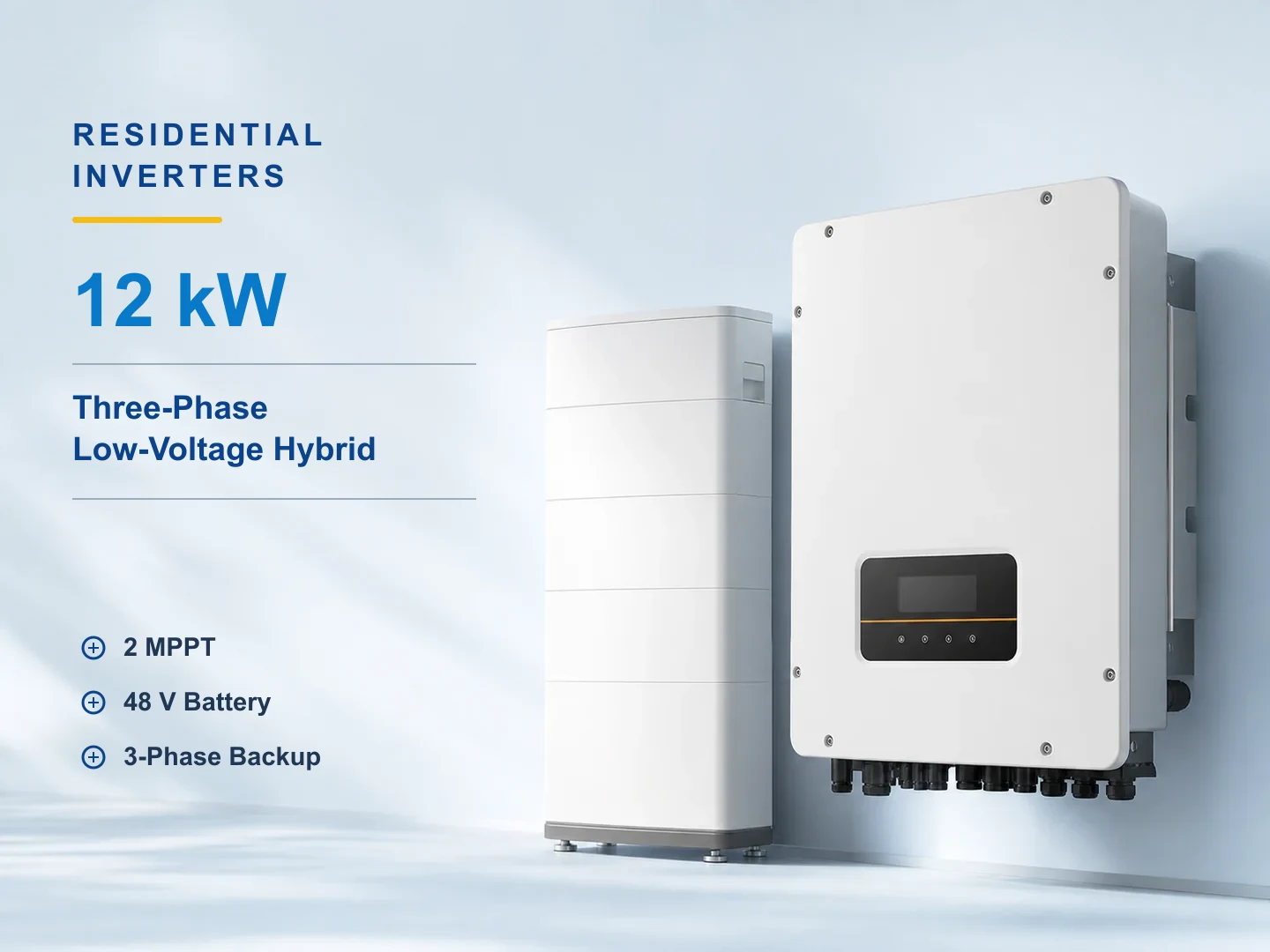
inverters
12kW Three-Phase Low-Voltage Hybrid Inverter
12 kW three-phase hybrid for large villas and residential systems with significant three-phase loads.
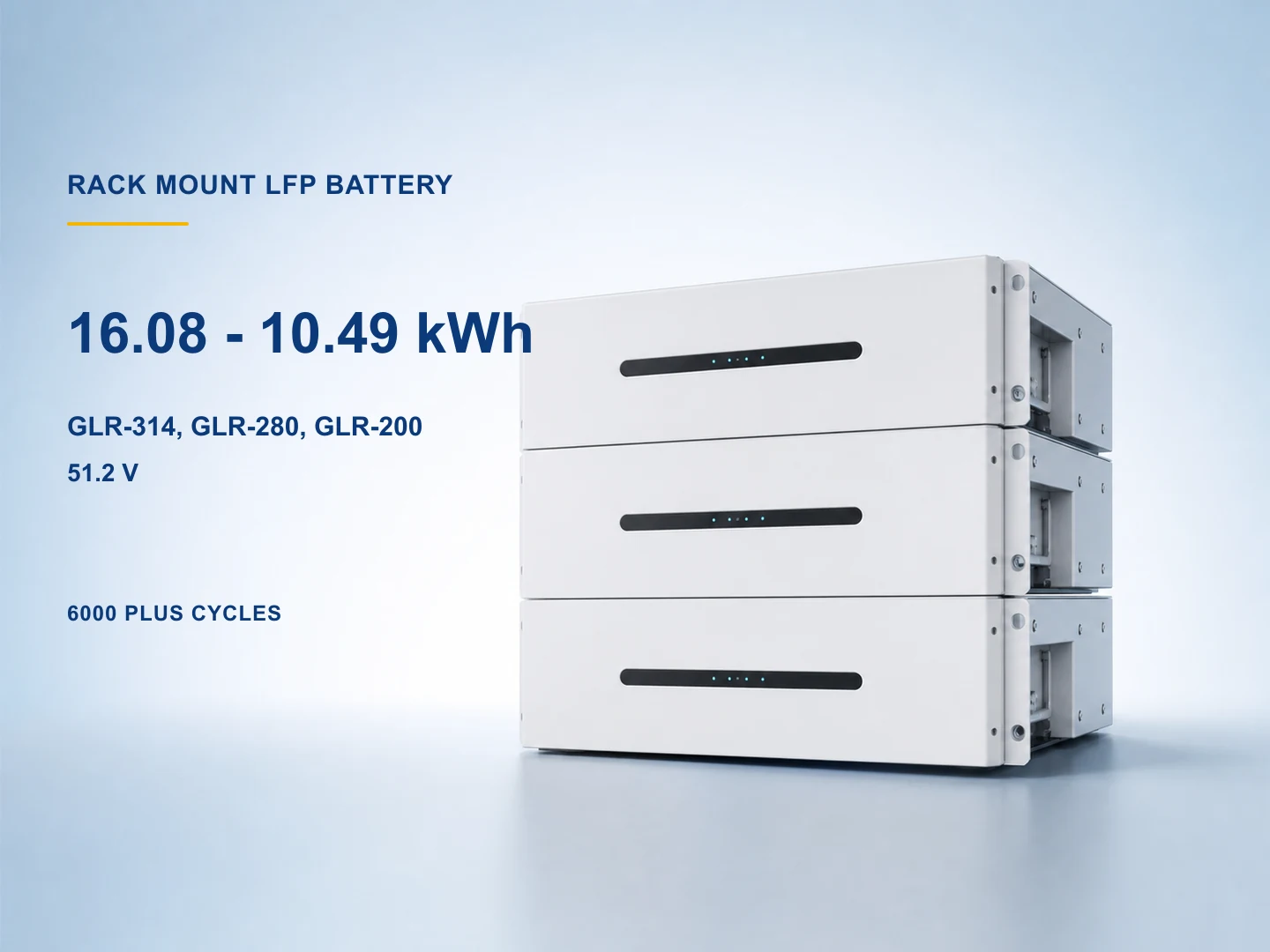
storage
GLR-314 / GLR-280 / GLR-200 Rack LFP Battery
16.08 kWh / 14.34 kWh / 10.49 kWh rack-mount low-voltage lfp battery for residential multi-battery banks and light commercial backup storage.
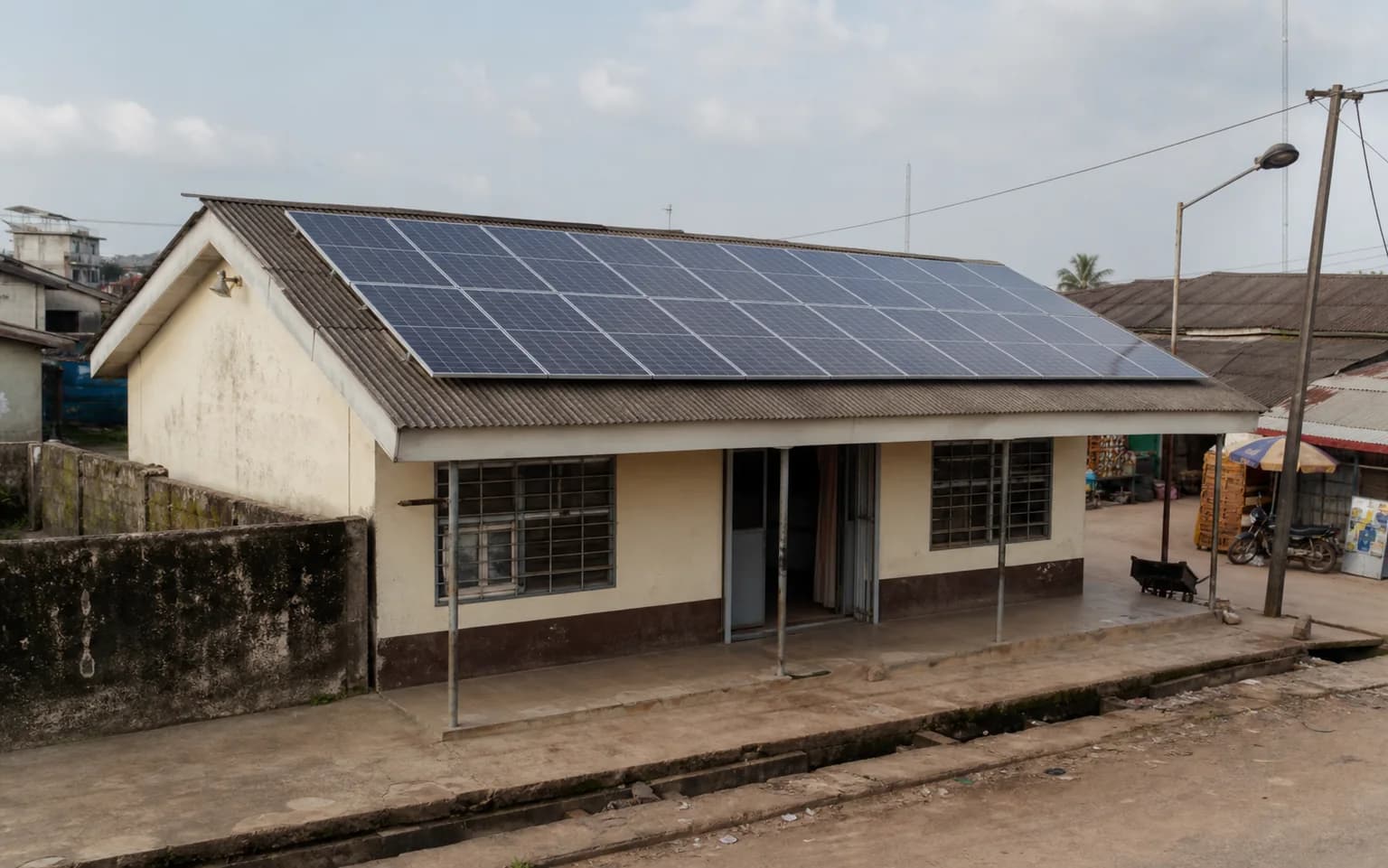
Other Solutions
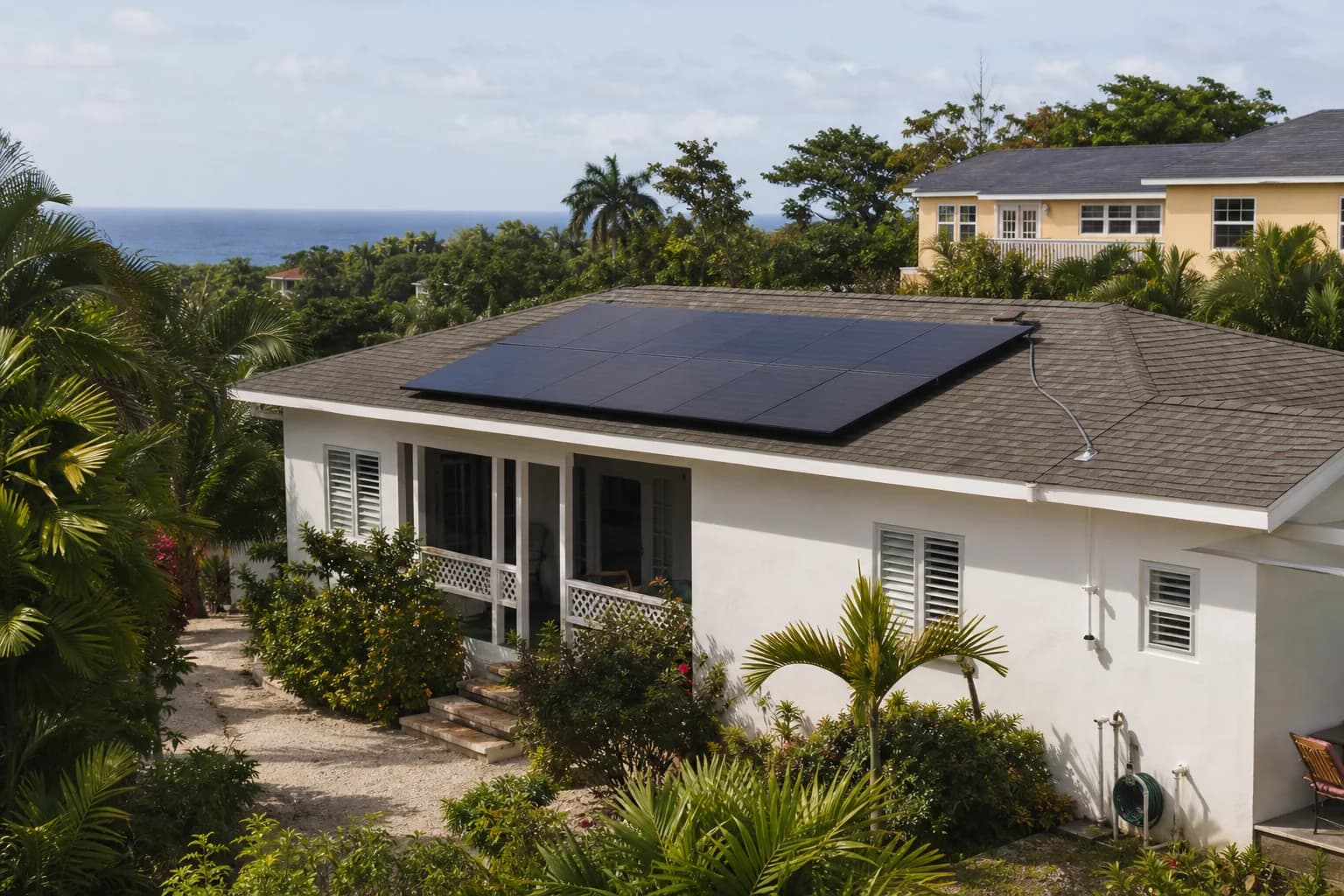 Residential
Residential Solar + Essential Backup
For homes, villas and installers that want solar generation plus a clearly defined backup circuit—not an assumed whole-home system.
Start with
Essential loads
Supply scope
PV + hybrid + battery
Final check
Local design and approval
 C&I
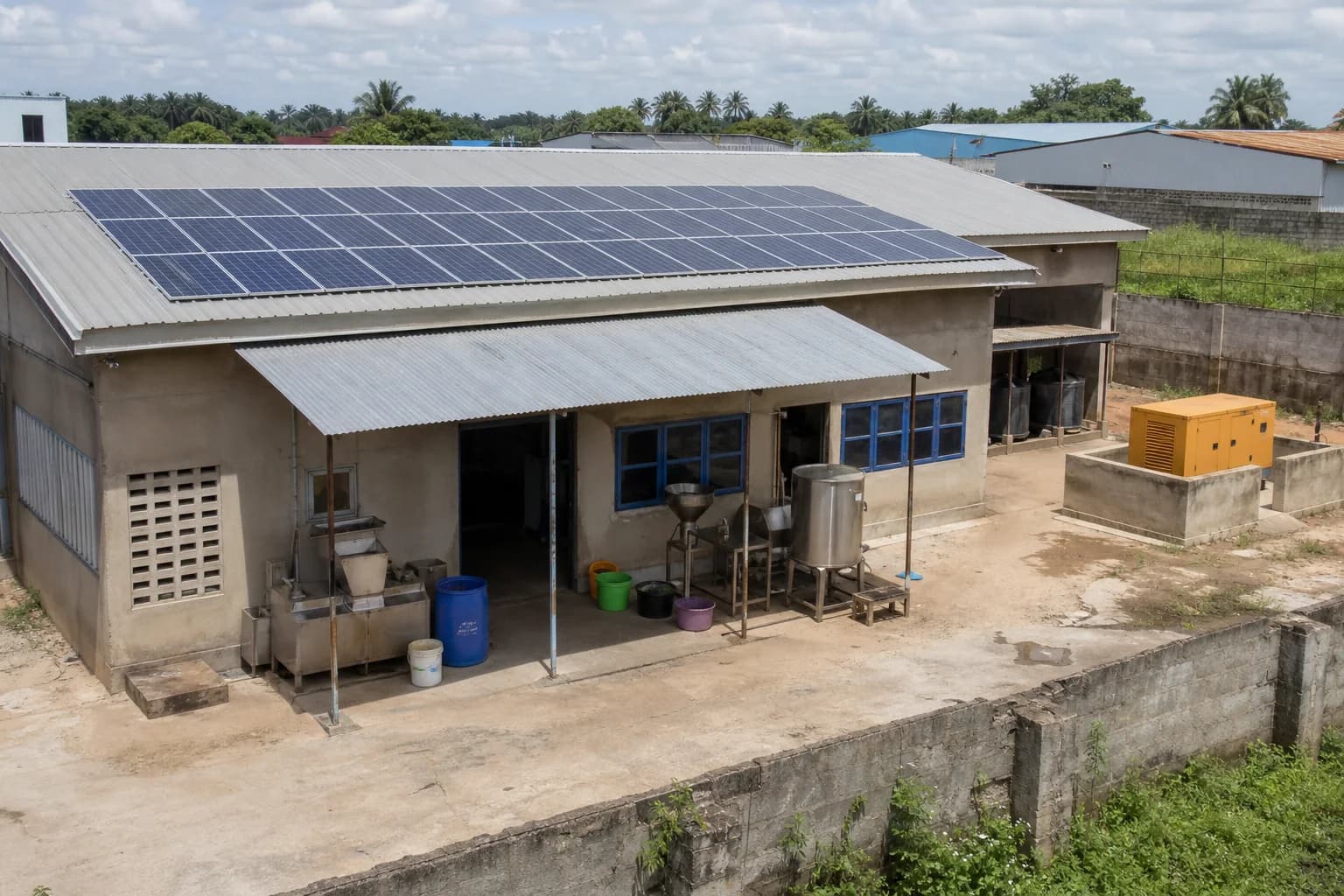
C&ICommercial Solar + Storage Hybrid
For sites where PV alone is not enough: clarify the role of storage, existing generators and priority loads before choosing equipment.
Start with
Load and generator behaviour
Define
Storage operating role
Confirm
Controls + protection scope
 C&I
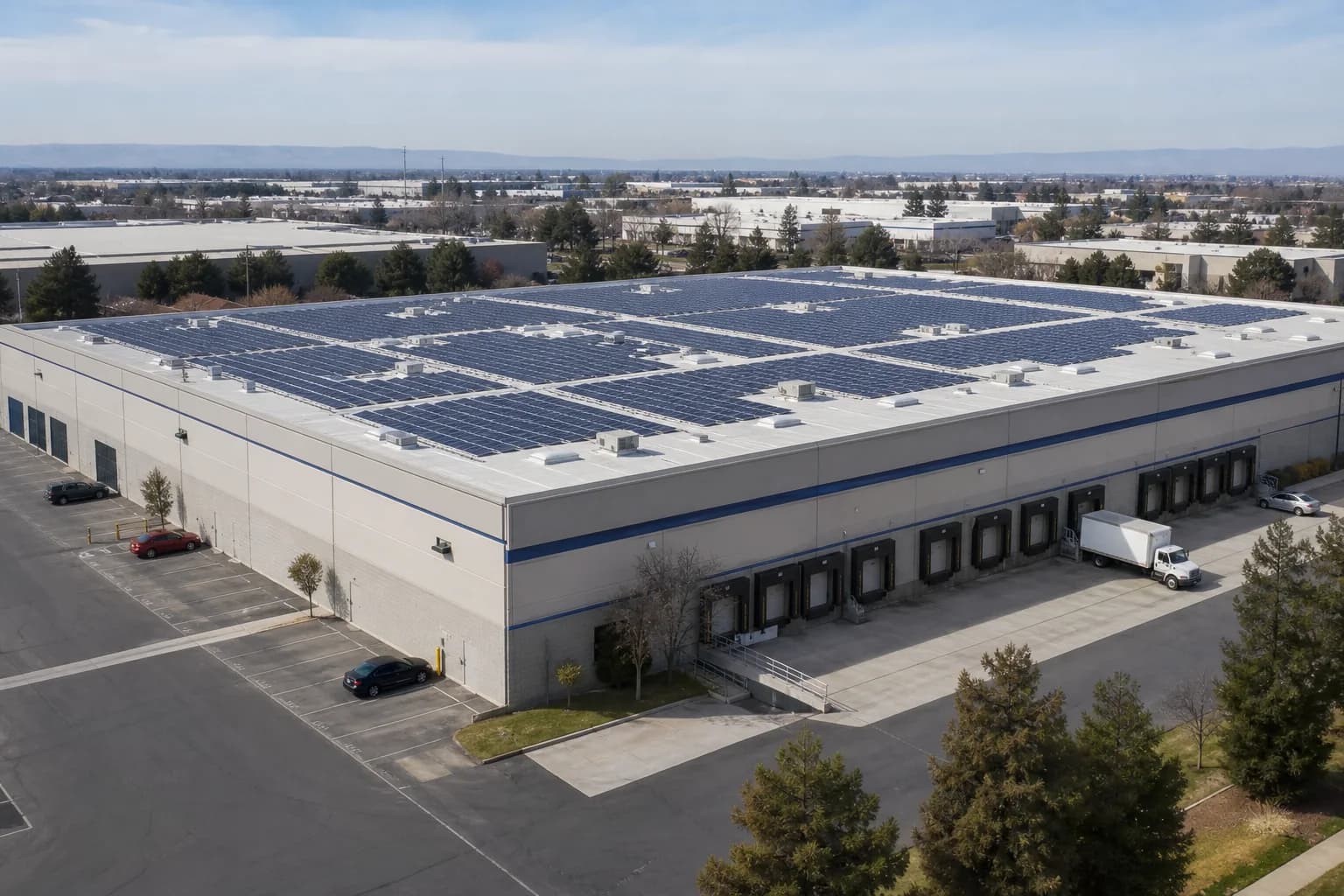
C&ICommercial Rooftop Solar
A procurement route for warehouses, factories and commercial buildings where roof use, daytime demand and construction sequencing all matter.
Start with
EPC layout and load data
Supply scope
Modules + inverters + BOS
Delivery
BOM-led and phased