
LP-GMS-S ground-and-structure evidence review
LP-GMS-S Single-Row ZAM Steel Ground Mount with Driven Pile
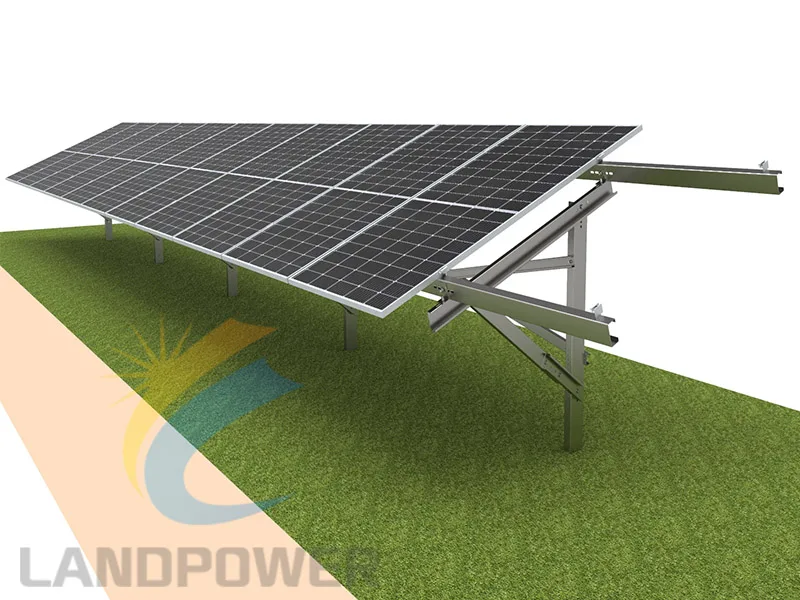
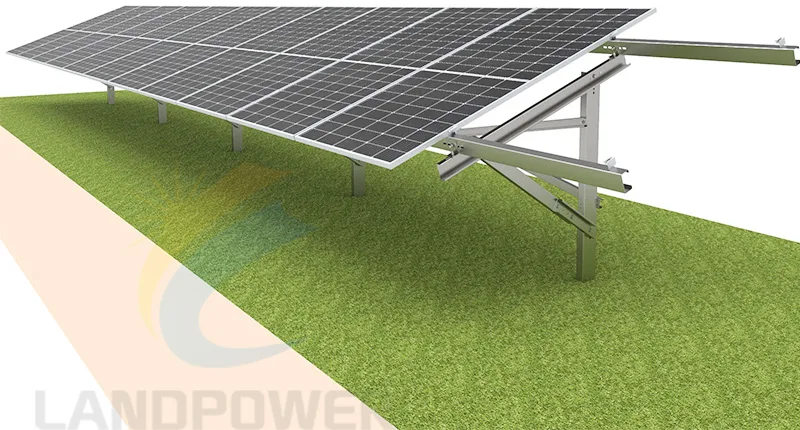
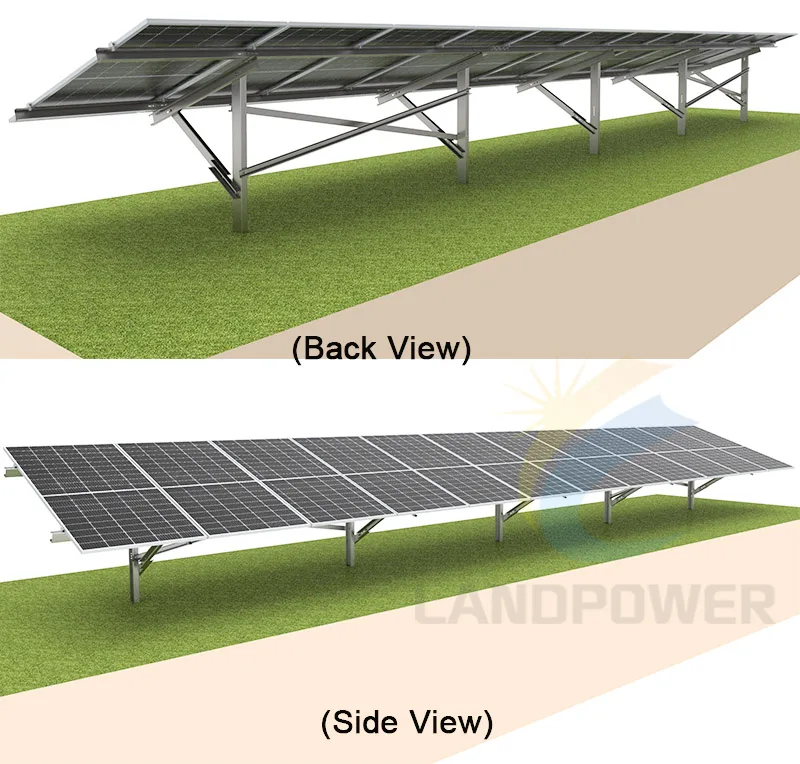
The LP-GMS-S catalogue record describes a single-row ground-mount route using S350GD steel with a Zn-Al-Mg/ZAM coating and one driven pile per post. It labels open-field installation, framed or frameless modules, portrait or landscape arrangement, 0–65° project-request tilt, wind up to 60 m/s and snow below 1.4 kN/m². The source also claims corrosion and cost advantages over hot-dip galvanized steel, but it does not state the coating designation/mass, profile thickness, pile geometry, soil parameters, pull-out/lateral capacity, spans, module layout, calculation basis or complete BOM.
Current source identity: Landpower catalogue item LP-GMS-S. The page provides a platform description, not a site-specific structure; no geotechnical basis, pile test, structural calculation, fabrication drawing, material certificate, coating record or installation manual is attached.
Catalogue item
LP-GMS-S / single-row ground mount
Source structure
S350GD ZAM-coated steel / one driven pile per post
Source layout labels
Framed or frameless / portrait or landscape / 0–65°
Catalogue load labels
Wind up to 60 m/s / snow <1.4 kN/m²
Product Details
Current document status
Request geotechnical inputs and corrosion classification, selected pile/profile geometry, coating designation and mass, structural model/calculations, pile load-test and refusal/remediation plan, fabrication/assembly drawings, complete BOM, material/mill/coating records, bolt/torque schedule, QA/inspection plan, packing plan and signed warranty.
Current LP-GMS-S evidence
Separate the catalogue platform from the engineered site structure
S350GD, ZAM and a driven pile define a material/foundation route, not the final member and foundation schedule.
Steel and coating route
The source names S350GD and Zn-Al-Mg/ZAM coating but does not provide an EN/ASTM/JIS coating designation, coating mass/thickness, chemistry, cut-edge treatment or material certificate.
Single driven pile concept
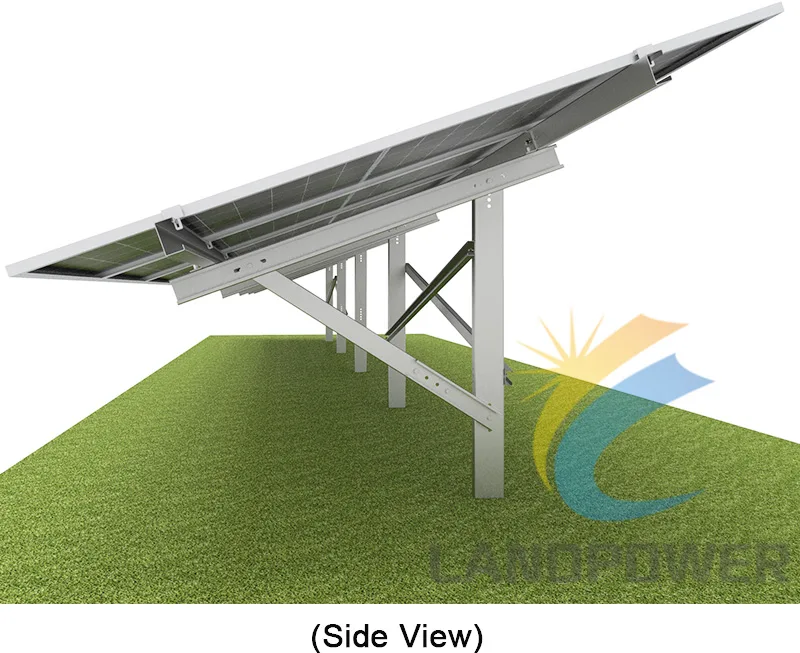
One pile per post is shown as the platform concept. Pile section, length, embedment, spacing, tolerance and capacity remain outputs of soil and structural design.
Module/layout flexibility
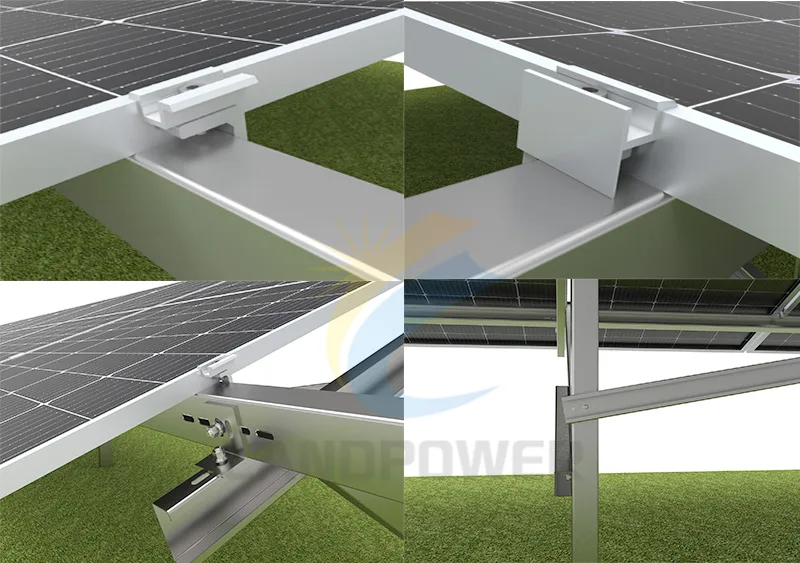
Framed/frameless, portrait/landscape and 0–65° labels cover multiple configurations. Clamps, rail/purlin spans, row geometry and loads cannot be shared automatically.
Source claims and labels
Wind/snow, CE, named standards, 12-year warranty, 20-year service life and corrosion/cost comparisons appear in catalogue text without supporting files.
Ground-mount RFQ inputs
Six engineering packages before the LP-GMS-S BOM is released
The site, soil, corrosion environment, module table and governing loads must drive the final structure.
Survey, geotechnical and corrosion data
Provide coordinates/topography, soil layers/strength, groundwater, frost/scour, obstructions, electrical soil resistivity and atmospheric/soil corrosion classification.
Pile design and verification
Define pile section/steel/coating, length/embedment, installation equipment, tolerances, axial/lateral/uplift criteria, test quantities, refusal rules and alternative foundation/remediation route.
Structural configuration
Provide table width, row length, tilt, clearance, spans, post spacing, bracing, thermal joints, terrain following, tolerances and interfaces to foundations and module supports.
Module and clamp schedule
State exact module dimensions, mass, frame, clamp/support zones, orientation, quantity, cable route and any frameless-module clamp/gasket requirements.
Loads, codes and durability
State governing code/edition, wind, snow, seismic, temperature and maintenance loads, design life, safety factors, corrosion category and material/coating acceptance criteria.
Drawings, QA and logistics
Request calculations, pile plan, fabrication/assembly drawings, complete BOM, mill/coating/fastener records, welding/inspection plan, packing marks, spares, installation and change control.
Foundation and durability boundaries
ZAM and one driven pile do not guarantee site life, capacity or lowest cost
Those outcomes depend on verified material, soil, exposure, design, installation and maintenance conditions.
ZAM performance is specification-dependent
Corrosion behavior depends on coating composition/mass, base steel, forming and cut edges, contact materials, soil/atmosphere, drainage and damage/repair controls.
Pile capacity comes from the ground
A standard pile cannot be approved without soil parameters, load combinations, embedment, installation records and representative axial/lateral/uplift testing.
Load labels are not structural evidence
The 60 m/s and 1.4 kN/m² labels lack member sizes, spans, module/table geometry, code edition, load combinations, safety factors and calculation/report scope.
Commercial claims need a project basis
Longer life, lower weight/cost, CE/standards and 12/20-year wording require comparable design quantities, documented scope, declarations and signed warranty terms.
Continue the ground-mount review
Connect the structure to utility project scope and controlled supply
Use the utility workflow for EPC responsibility and the BOM guide for member, fastener and packing control.
Utility solar procurement solution
Coordinate approved EPC design, modules, inverters, mounting/BOS interfaces, documents and phased delivery without replacing site engineering.
Review utility scope →Solar BOM review guide
Freeze piles, posts, beams, purlins, braces, clamps, bolts, finishes, quantities, drawings, evidence and substitution rules.
Control the structure BOM →LP-GMS-S ground-mount FAQ
Questions to close before pile and steel release
The final member schedule and foundation must be traceable to the site design basis.
Is one driven pile per post suitable for every soil?
No. Soil layers, groundwater, rock/refusal, frost/scour and axial/lateral/uplift demand determine pile section, length, embedment, test plan and any alternative foundation.
Does ZAM always outperform hot-dip galvanized steel?
Not as a universal conclusion. Compare exact coating designation/mass, cut-edge and contact details, environment, damage/repair process, design life, quantities and project-specific corrosion evidence.
Do the 60 m/s and 1.4 kN/m² labels approve the structure?
No. Request calculations for the selected module/table, members, spans, pile layout, code, load combinations and safety factors.
What belongs in an LP-GMS-S technical submission?
Include design criteria, geotechnical/corrosion data, calculations, pile testing, drawings, full BOM, steel/coating/fastener certificates, installation/inspection plan, packing and signed warranty.
Prepare a site-specific LP-GMS-S RFQ
Send survey/geotechnical data, corrosion category, module/table layout, design loads and code, foundation constraints, document/QA scope, quantities, construction sequence and destination.
Start with the product, application or project information you have. We can help identify the remaining configuration, document or delivery questions before a final quotation.
Verify the ZAM Ground StructureRelated Products
 Ground Mounting System
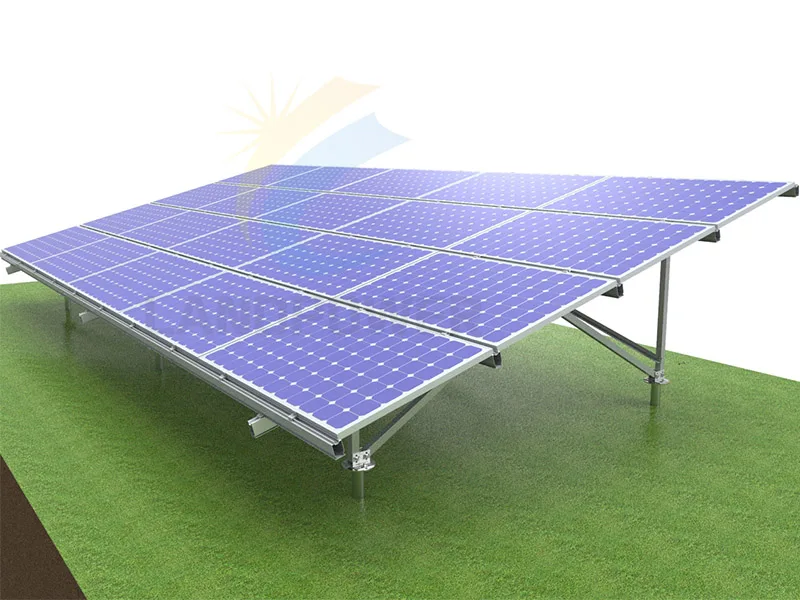
Aluminium Ground Mounting Landscape
The Landscape Aluminum Ground Mounting are good on anti-corrosion,and less after service problem, most of parts are pre-assembled for fast installation, save cost and they with superior aesthetics.
 Ground Mounting System
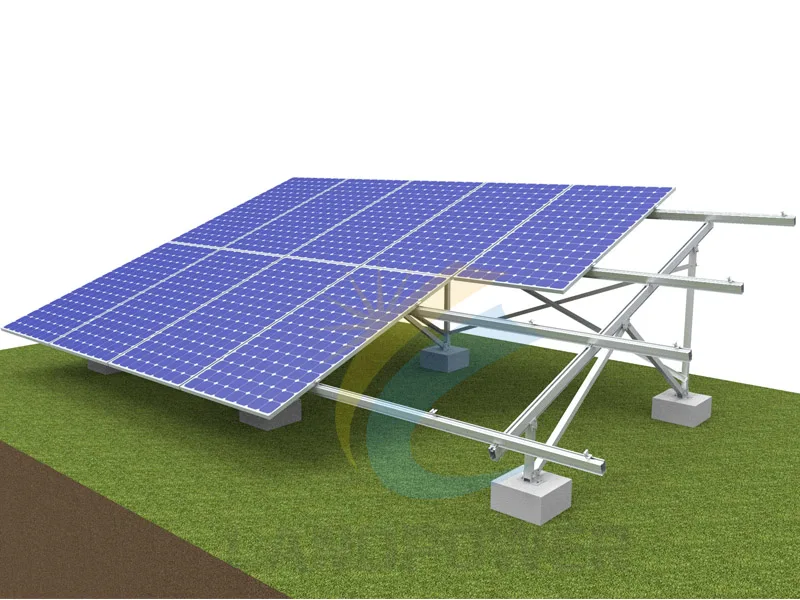
Aluminium Ground Mounting Portrait
The Aluminium Ground Mounting Rack are simple and easy mounting solution for large scale commercial solar PV installation, with anodized aluminum part and stainless steel fasteners,the structure are cost-effective.
 Ground Mounting System
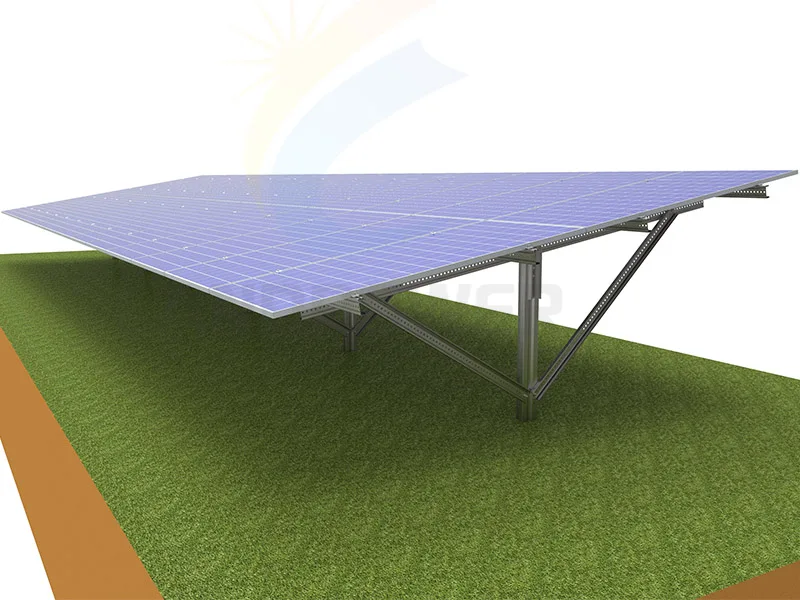
Pile Driven Ramming Ground Mount
Pile Driven Ramming Ground Mount is strength and cost effective mounting solution for ground mounted projects, fast ramming and 5 times anti-corrosion preformation than galvanized steel materials, better solution for open field.