
How do solar panels perform in clouds, heat, salt air and dust?
A panel's watt rating cannot describe every site. Learn what changes in cloudy, hot, coastal and dusty locations, and which details belong in a supply quote.
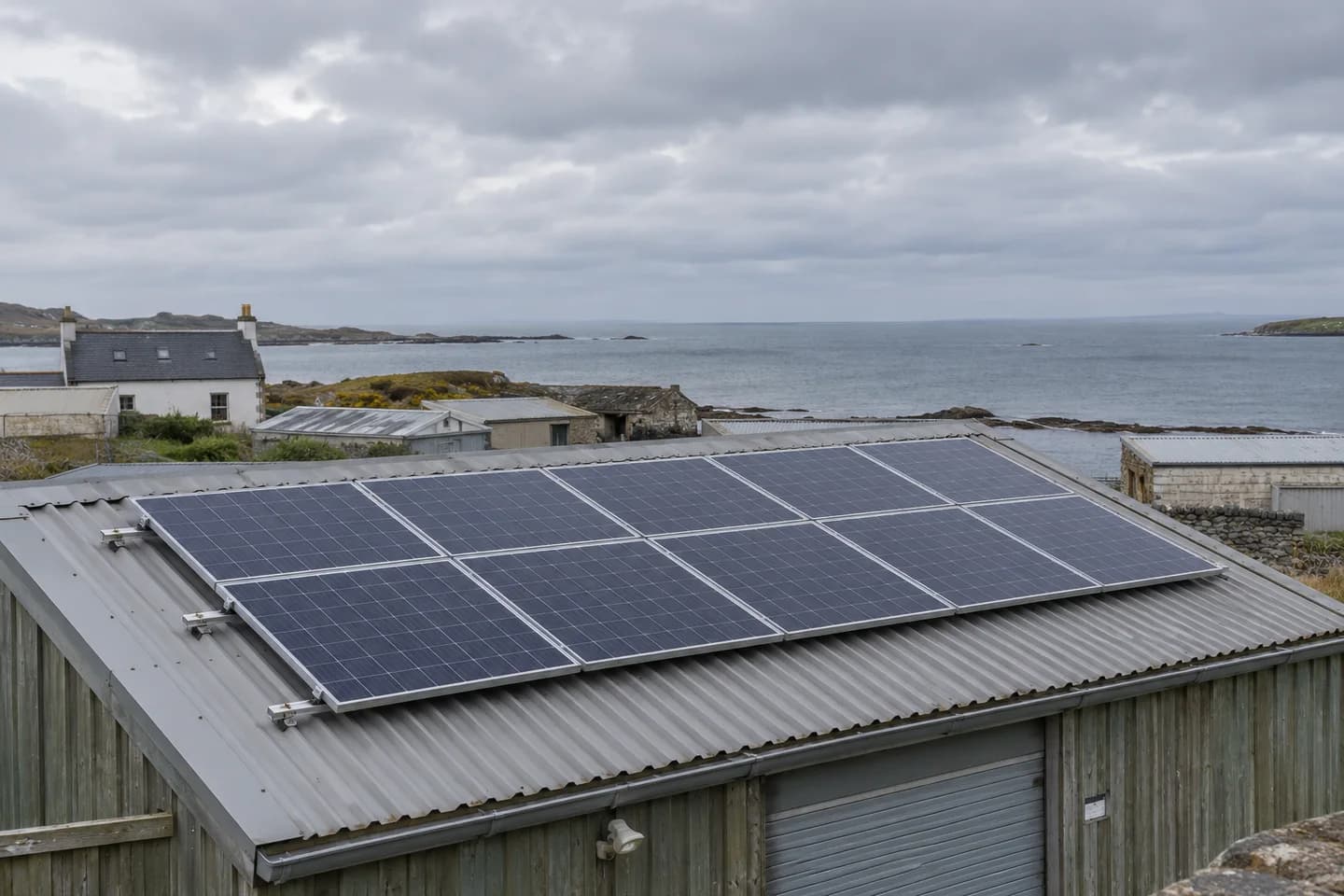
A 600 W label does not tell you what a solar panel will produce on an overcast morning or a very hot roof. Nor does it tell you whether the proposed equipment is suitable for a salty coast or a dusty site. That rating was measured under stated test conditions.
Solar panels can still generate electricity under cloud, though less available light usually means less output. Heat generally reduces a panel's power at the same light level. Coastal air brings corrosion concerns, while desert sites need allowance for heat, dust and cleaning. These conditions do not all affect performance in the same way.
For project owners, installers and distributors, the buying questions are simple: how much electricity can the site produce, and will the equipment suit the conditions?
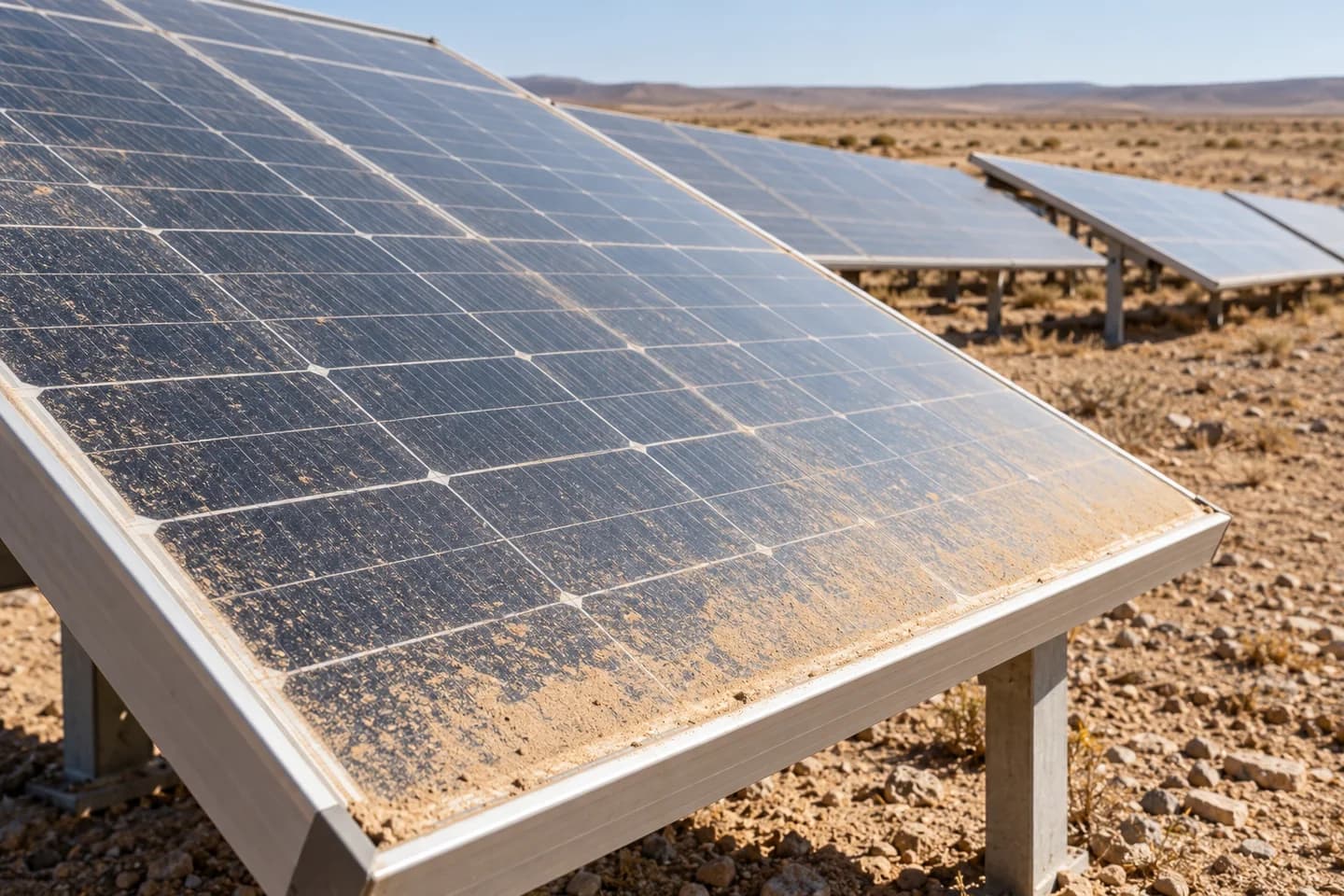
Do solar panels work on cloudy days?
Yes. Clouds reduce direct sunlight, but some light still reaches the panels after being scattered through the atmosphere. This scattered, or diffuse, light can produce electricity.
A bright day with thin cloud is very different from a dark, heavily overcast day. There is no single percentage for what every panel will produce in cloudy weather. Season, cloud cover, shading and the way the array faces all matter. A project estimate needs weather data for the actual location.
To compare “good low-light performance” claims, look for results measured at the same light levels and temperatures. IEC 61853-1 is a standard for those measurements. The site estimate then shows what the proposed array could produce during its cloudier periods.
- Site condition
- Frequent cloud
- Main effect to allow for
- Less light reaching the modules and changing daily output
- What to compare
- Comparable low-light performance data and a location-based energy estimate
- Site condition
- High module temperature
- Main effect to allow for
- Lower power at the same light level, plus operating-temperature requirements
- What to compare
- Power temperature coefficient, temperature limits and the proposed mounting arrangement
- Site condition
- Coastal salt exposure
- Main effect to allow for
- Corrosion risk for the modules and surrounding equipment
- What to compare
- Salt-mist report for the quoted model, plus installation and warranty terms
- Site condition
- Desert heat and dust
- Main effect to allow for
- Temperature-related loss, dirt blocking light and ongoing cleaning needs
- What to compare
- Power loss in heat, expected dust loss and cleaning requirements
| Site condition | Main effect to allow for | What to compare |
|---|---|---|
| Frequent cloud | Less light reaching the modules and changing daily output | Comparable low-light performance data and a location-based energy estimate |
| High module temperature | Lower power at the same light level, plus operating-temperature requirements | Power temperature coefficient, temperature limits and the proposed mounting arrangement |
| Coastal salt exposure | Corrosion risk for the modules and surrounding equipment | Salt-mist report for the quoted model, plus installation and warranty terms |
| Desert heat and dust | Temperature-related loss, dirt blocking light and ongoing cleaning needs | Power loss in heat, expected dust loss and cleaning requirements |
Conditions overlap: a coastal site can also be hot and dusty.
Why a hot panel can produce less power
Strong sunlight helps a panel generate electricity, while heat reduces its power at the same light level. Both effects happen together. A hot, sunny site can still produce plenty of electricity over a year.
Panel ratings normally use a cell temperature of 25°C. This is the temperature of the electricity-producing cells inside the panel, not the outdoor air. On a sunlit roof, those cells can be hotter than the surrounding air.
The power temperature coefficient on the datasheet tells you how much output changes as the cells warm up. A value of −0.30%/°C means about 0.30% less power for each degree above that reference temperature, with the same light. Among negative coefficients, a value closer to zero means a smaller heat-related loss.
For an illustrative example, take a 600 W panel with that −0.30%/°C coefficient. If its cells reach 65°C, they are 40°C above the 25°C reference. The estimated reduction is 40 × 0.30% = 12%, so 600 W becomes about 528 W before inverter losses. This example holds light intensity at the standard test level of 1,000 W/m² and changes only cell temperature; it is not a product test or a 12% annual energy loss.
The mounting plan matters too. The proposed installation needs airflow around the panels and a model whose operating-temperature limits suit the expected conditions.
Buying solar panels for a coastal site
On a bright coastal day, panels can generate normally. Salt and moisture are a longer-term concern because of corrosion. The support rails, fasteners and electrical connectors need attention as well as the panels.
IEC 61701 describes salt-mist corrosion tests for solar modules. The report should cover the model you are buying and say which test conditions it passed. That is evidence about the module, not approval of every other part of the installation.
The supplier also needs to know what “coastal” means at your site. Is the array sheltered, or exposed to sea spray? Photos and a short description help more than distance from the sea alone. The manufacturer's installation requirements and the proposed mounting arrangement need to fit that exposure.
Desert solar: dust and cleaning belong in the estimate
Dust on the glass blocks some light before it reaches the cells. This is called soiling. How much electricity is lost depends on what settles on the panels and how the site is maintained, so there is no fixed monthly loss to apply to every desert project.
Before buying, consider the cleaning bill. Can a service team reach the array? Is suitable water available if needed? Which cleaning methods does the manufacturer permit? A coating intended to reduce dust buildup does not automatically remove the need for cleaning. The linked five-year field study examined contamination, cleaning and wear on glass samples, showing why the cleaning method belongs in the discussion.
Two energy estimates are hard to compare if one allows for dust and the other assumes clean glass all year. The estimate should state the expected dust loss and temperature effects, with a maintenance plan and cost that support those assumptions.
For a site with wind-blown sand or abrasive dust, the supplier and service team also need to review the relevant test information and permitted cleaning methods for the proposed panels.
Put the site conditions into the quote
A useful quote tells you which panel you will receive, what else is included and which conditions the offer assumes. The test reports and warranty should apply to that model. If a report lists a family of products, the supplier should show where your model is covered.
A test report is not a service-life forecast. IEC 61215-1, the module qualification standard, makes that distinction explicit. Warranty wording is a separate part of the purchase.
For a package, list the mounting parts and accessories with the panels. Keep delivery, local installation and cleaning responsibilities clear. Your qualified project team confirms the final design and site suitability. These are the details to put beside each offer:
- Site location and photos, roof or ground mounting, quantity and known heat, salt or dust exposure.
- Full panel model codes and datasheets, including power temperature coefficients and comparable low-light results where available.
- Relevant environmental test reports, the models they cover, installation requirements and warranty terms.
- What the price includes: panels, mounting parts, accessories, packing and delivery; who handles installation and cleaning; and the assumptions behind any energy estimate.
Are N-type or TOPCon panels automatically better in every climate?
No. These terms describe the technology used inside the panel, not a complete climate rating. They do not tell you how the rest of the panel is built or maintained. Compare the model's performance data and requirements for your site.
Related Articles
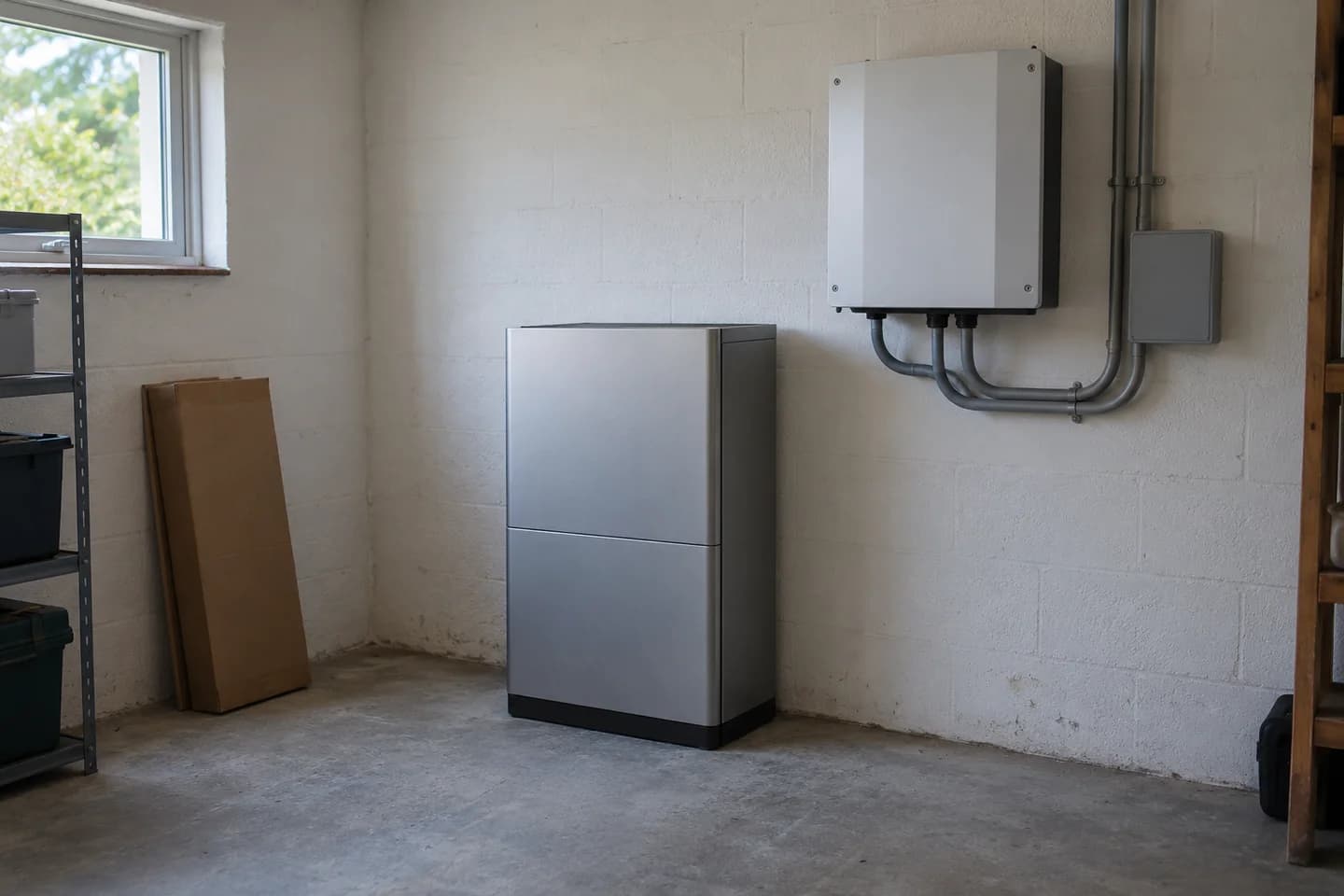
How to compare solar battery specifications before buying
Two batteries with the same kWh label can do different jobs. Here is how to read the numbers, check the missing details and compare like-for-like quotes.
Read Article→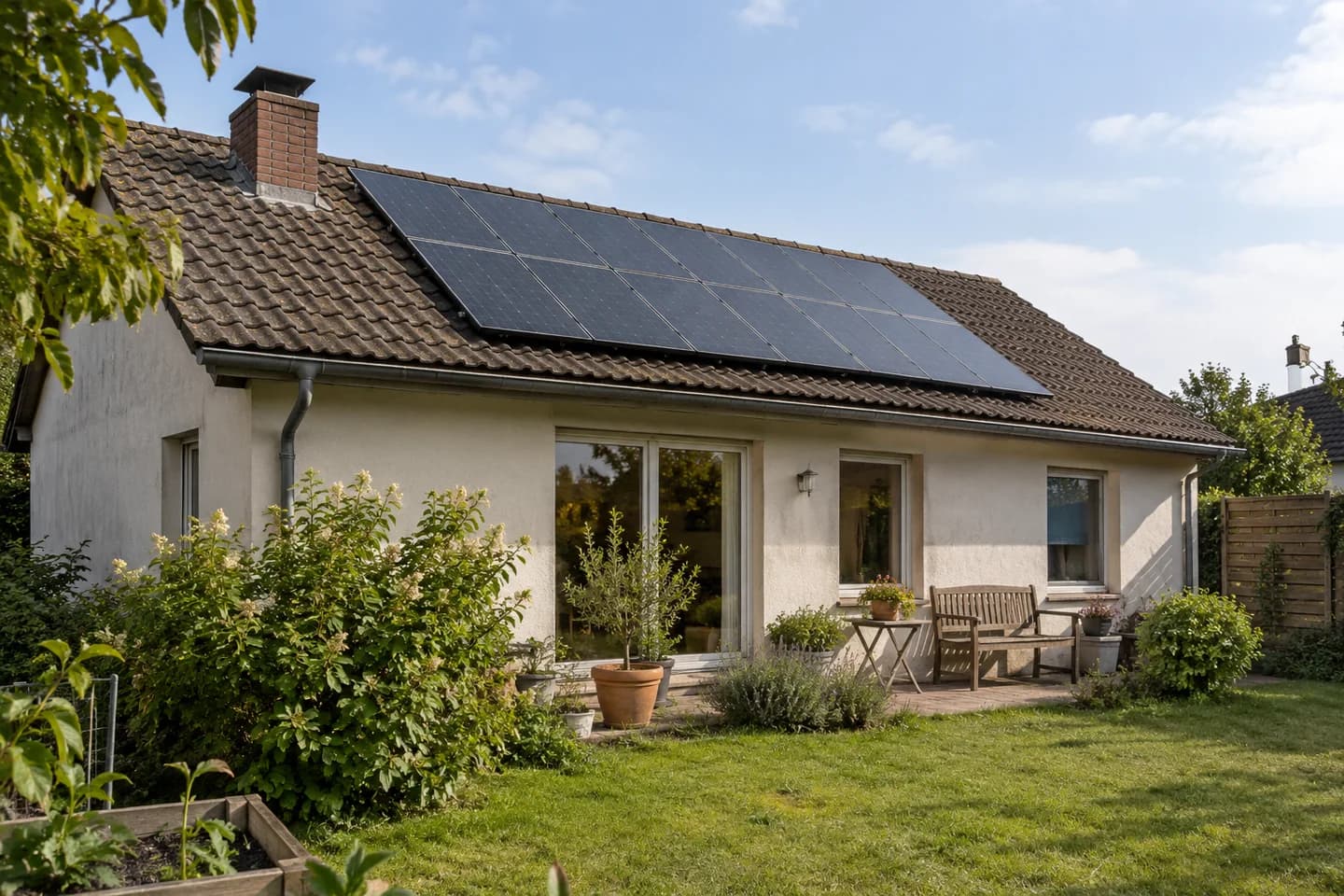
Solar self-consumption and grid export: what equipment do you need?
For project buyers, installers and distributors: what to source as an equipment package, what to arrange locally, and what a useful supply quote should include.
Read Article→
Can an ice factory run on solar and add batteries later?
Use solar to cover part of the daytime load, then add storage for the outages you need to cover. First, check what happens when the grid goes off.
Read Article→