What does a one-stop solar system supplier actually provide?
Need panels, an inverter, batteries and the parts to put them together? Here is how Rongkai helps turn a project requirement into a coordinated supply package.

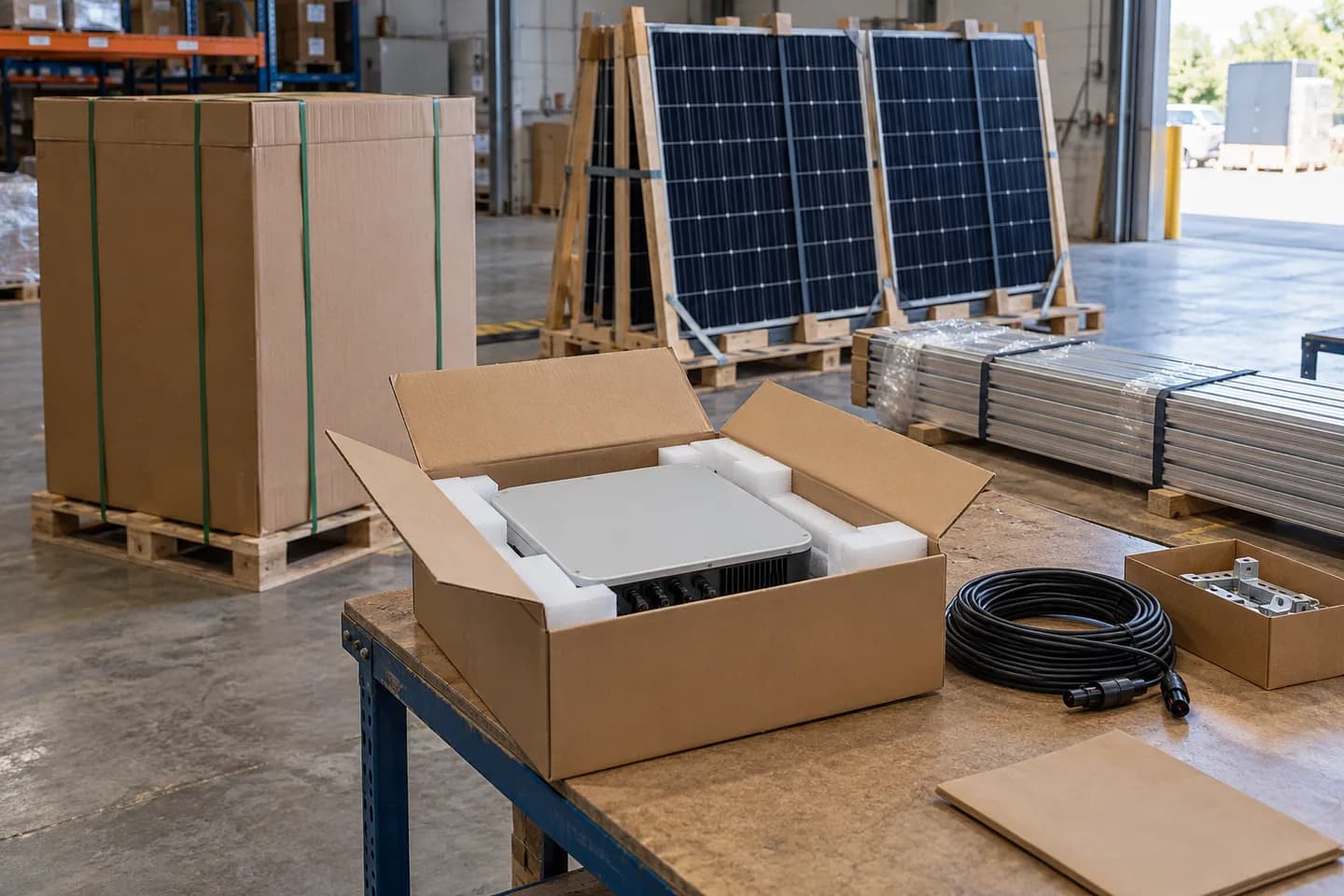
A one-stop solar system solutions supplier helps plan the equipment package for a project and coordinates its supply. That can include solar panels, inverters, battery storage, mounting, cables and accessories, along with technical documents and delivery support.
Rongkai Solar provides this service for international installers, distributors and project buyers. Based in Zhengzhou, China, we bring system planning, component selection and equipment supply together through one team. You can begin with an energy requirement or bring an existing equipment list.
The work is in the details. If the inverter model changes, the battery pairing and included accessories may need another look. If the panels change size, the mounting list needs checking too. With one team following these changes, you have one place to check how they affect the proposed system, equipment list and delivery plan.
Tell us how the power will be used
A home that needs daytime solar and backup for a few appliances has a different brief from a factory running equipment through the night. The first conversation should establish what the system needs to do.
For a home or villa, that might mean using more solar during the day and keeping refrigeration, lights and selected appliances running during a power cut. The backup loads and the time they need to run help shape the battery and inverter options.
A business may care most about daytime electricity costs, production interruptions or adding storage later. Its operating hours and load information are more useful starting points than a guessed system size.
At a remote site, the discussion also needs to cover periods with little sunshine and any existing grid or generator supply. For distributor and installer orders, the starting point may instead be an approved model list, quantities and a repeat supply requirement.
We use those differences to develop the proposed setup. A battery is included when it serves the agreed purpose; it is not an automatic addition to every solar order.
Panels, inverters, batteries—and the parts between them
The large items are easy to spot in a quotation. Mounting clamps, communication accessories and other smaller parts need a place in the list as well. Otherwise, the buyer can discover that an apparently complete package still leaves several purchases to arrange.
Rongkai's solar equipment supply can bring these categories together. The exact contents are agreed for the project:
- Equipment
- Solar panels
- What the proposal needs to settle
- Model, quantity, dimensions and the available roof or ground area
- Equipment
- Solar inverter
- What the proposal needs to settle
- Its role in the system, electrical requirements, battery connection where needed and included accessories
- Equipment
- Battery storage
- What the proposal needs to settle
- Required stored energy, power output, supported inverter pairing and expansion options
- Equipment
- Mounting system
- What the proposal needs to settle
- The proposed panel layout, installation surface and list of rails, fasteners and fittings
- Equipment
- Cables, connectors and protection equipment
- What the proposal needs to settle
- Which cables, connectors and protection parts are included, and which need to be sourced locally
- Equipment
- Monitoring and controls
- What the proposal needs to settle
- Any required meters, sensors, communication parts and supported monitoring functions
| Equipment | What the proposal needs to settle |
|---|---|
| Solar panels | Model, quantity, dimensions and the available roof or ground area |
| Solar inverter | Its role in the system, electrical requirements, battery connection where needed and included accessories |
| Battery storage | Required stored energy, power output, supported inverter pairing and expansion options |
| Mounting system | The proposed panel layout, installation surface and list of rails, fasteners and fittings |
| Cables, connectors and protection equipment | Which cables, connectors and protection parts are included, and which need to be sourced locally |
| Monitoring and controls | Any required meters, sensors, communication parts and supported monitoring functions |
Does a one-stop solar system have to use one brand?
No. A coordinated package can contain products from different manufacturers. The proposed models still need to work together. For example, the battery and inverter pairing needs the manufacturer's supporting information; matching brand names or voltage labels alone does not settle compatibility. Rongkai helps coordinate these model and document checks during selection.
Follow one requirement through the proposal
Consider an illustrative request from a small business: solar during working hours, backup for selected equipment, and room to add more storage later.
If most equipment runs during daylight, we compare that demand with the space available for panels. If substantial use continues after sunset, stored energy and how the battery will be recharged become a bigger part of the plan.
For backup, keeping a refrigerator and lights on is a different request from powering the entire shop. The inverter's backup output needs to cover the equipment running together, including extra power needed when motors start. The battery needs both enough usable energy for the requested hours and enough power to supply those loads.
If the business plans to add more storage later, we check which batteries the proposed inverter supports and what extra parts would be needed.
Rongkai's proposal shows what you need now, what can be added later and why those choices fit the request. It should include:
- A short explanation of how the proposed system meets the brief and which assumptions still need checking.
- A named equipment list with model codes, quantities, included accessories and any separate options.
- The relevant datasheets, compatibility information, requested test or certificate documents and warranty terms.
- A quotation showing the supplied items, packing, delivery terms, timing and items to arrange separately.
Keep the equipment list connected to the shipment
An installer may need the mounting parts before the main equipment. A distributor may want several product categories in the same order. A project buyer may need delivery in stages. Discussing that schedule early helps align the supply package with the work on site.
Rongkai coordinates the agreed packing, export documents and delivery follow-up alongside the equipment order. The packing list should identify what is being shipped and allow the receiving team to check it against the confirmed order. If a model or quantity changes, the equipment list, documents and packing information need updating together.
Shipping arrangements also depend on what is in the order. Panels, long mounting rails and lithium batteries have different packing and handling needs. We review the proposed freight arrangement against the contents and destination, then confirm the shipping scope and cost with the offer.
One-stop supply does not automatically include overseas construction. Our team coordinates the agreed solution and equipment supply; final site engineering, structural checks, installation, local approvals and on-site setup and testing are handled by the appointed qualified local teams. Those responsibilities belong in the project scope, along with the technical and warranty support route after delivery.
Start with the information you already have
You do not need to choose every product before contacting a solar system supplier. Describe the application, what you want the system to do and where the equipment will be delivered. An electricity bill, photos of equipment labels, a roof plan or a list from your installer can help. Send what is available; we can identify the missing inputs together.
If your team has already completed the design, send the equipment list and document requirements instead. Rongkai can work from that list to coordinate the requested products, clarify alternatives and prepare the supply quotation.
Related Articles
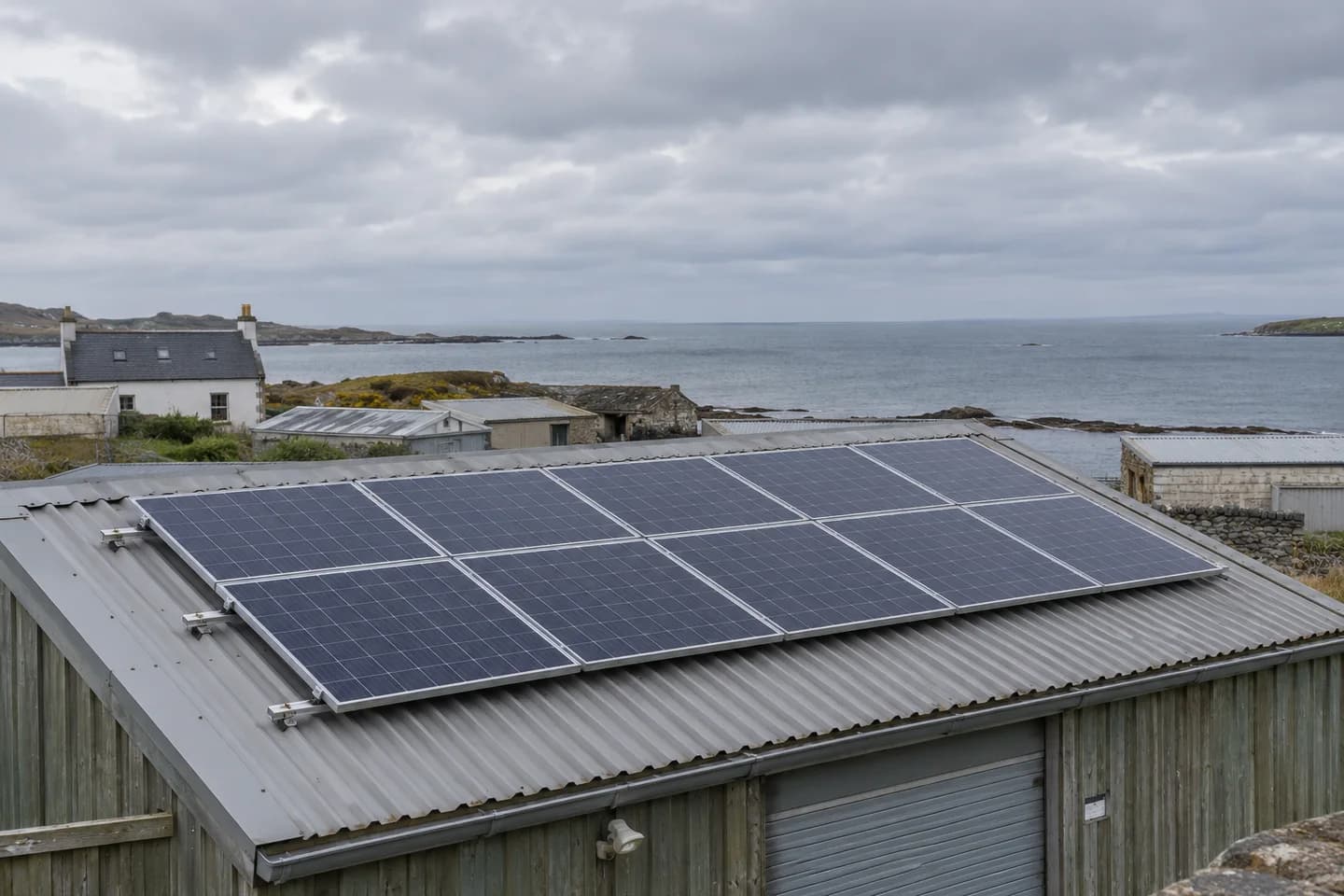
How do solar panels perform in clouds, heat, salt air and dust?
A panel's watt rating cannot describe every site. Learn what changes in cloudy, hot, coastal and dusty locations, and which details belong in a supply quote.
Read Article→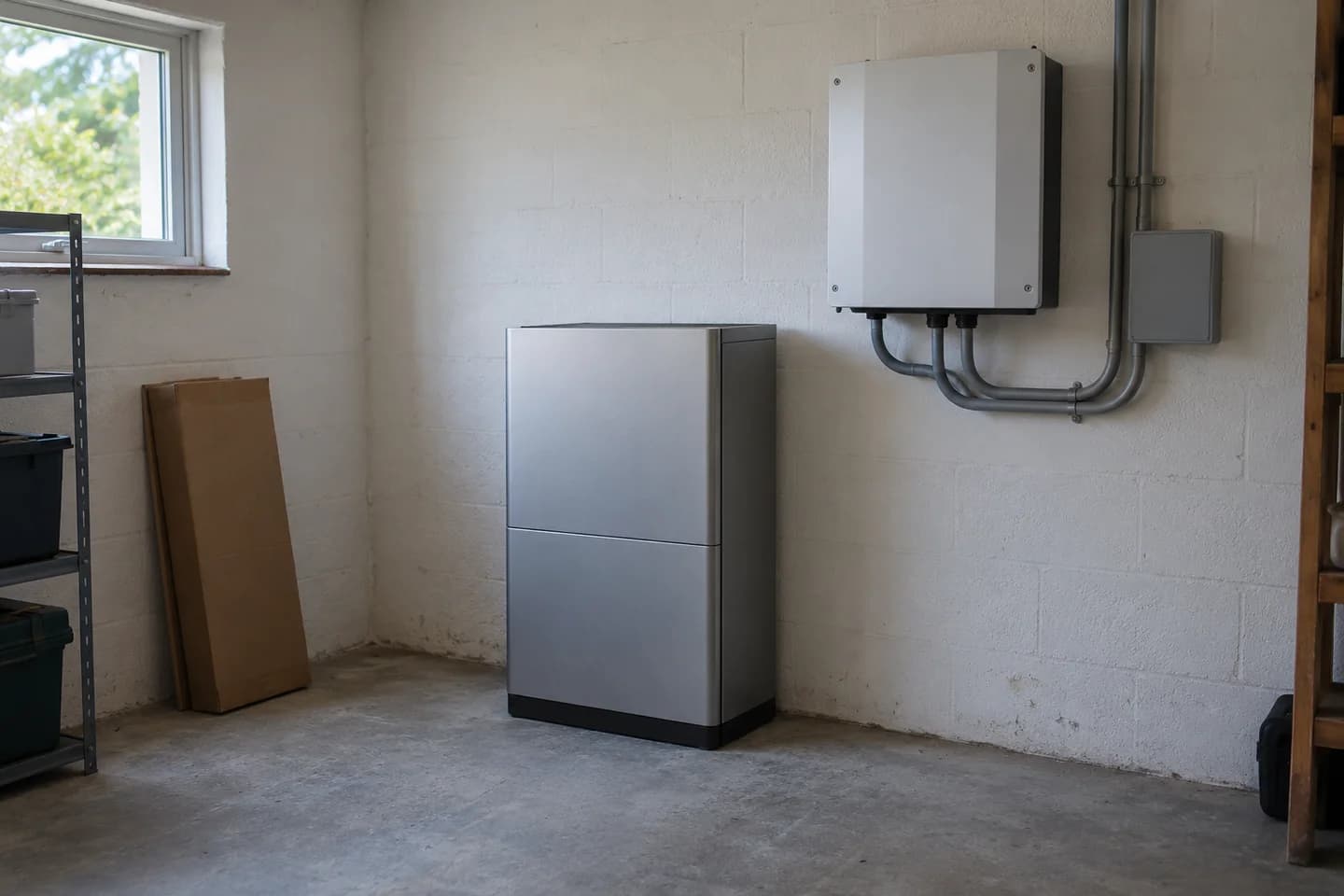
How to compare solar battery specifications before buying
Two batteries with the same kWh label can do different jobs. Here is how to read the numbers, check the missing details and compare like-for-like quotes.
Read Article→
Solar self-consumption and grid export: what equipment do you need?
For project buyers, installers and distributors: what to source as an equipment package, what to arrange locally, and what a useful supply quote should include.
Read Article→