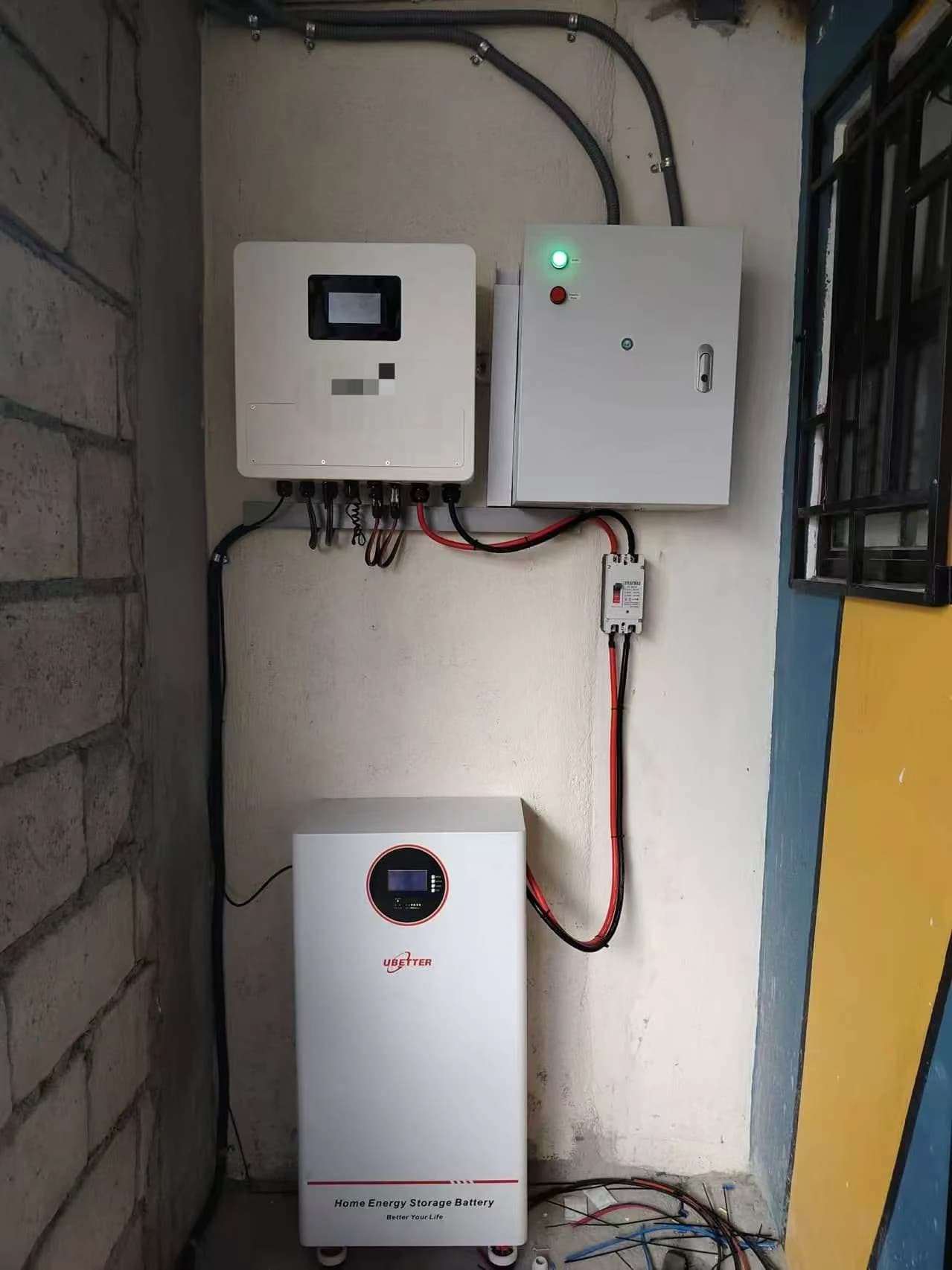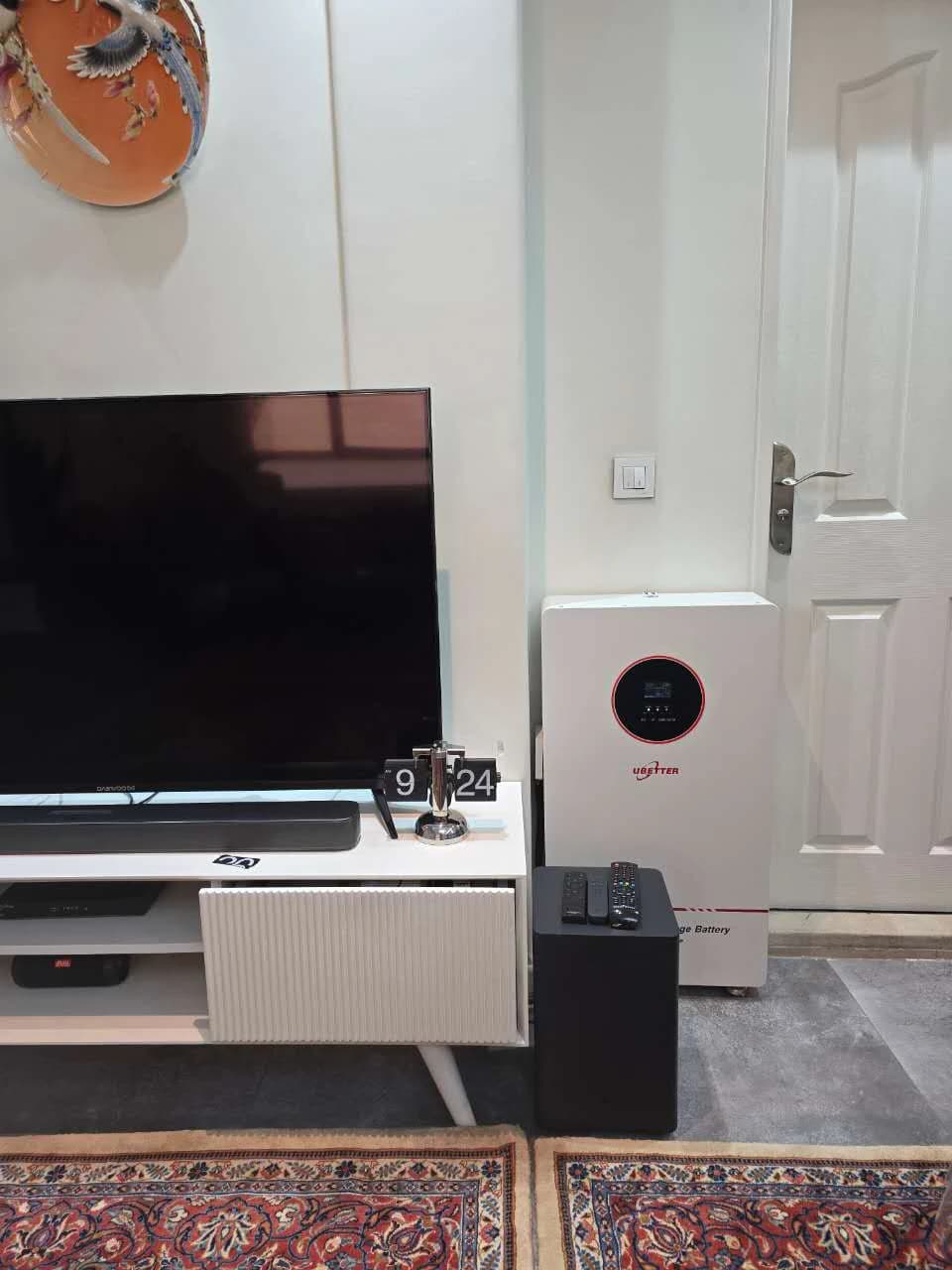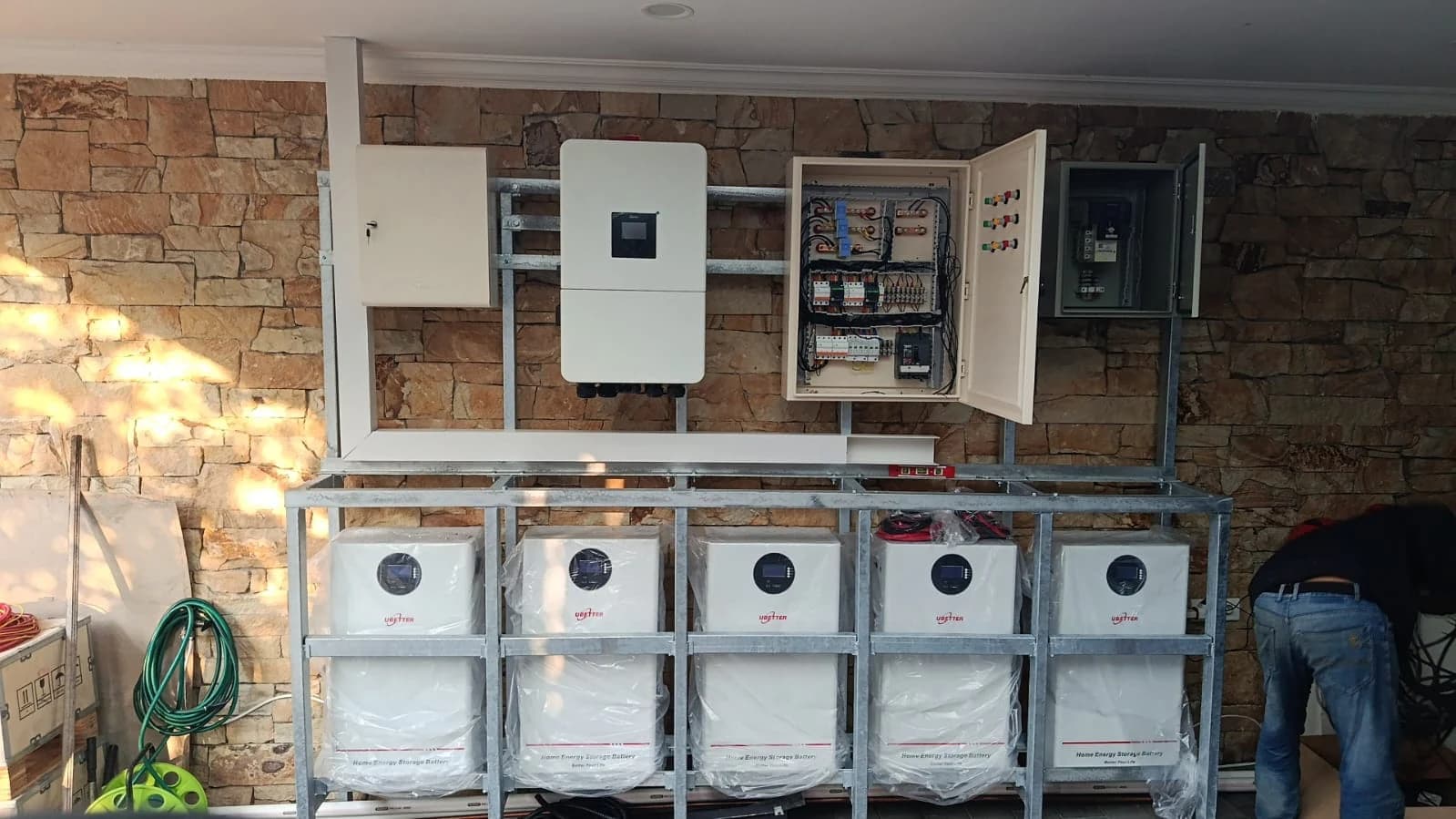
16 kWh Home Storage for Daily Energy Management
A residential planning record showing how daily consumption, solar surplus and backup priorities guide storage-capacity selection.
Case record published 1 June 2026
Discuss a similar requirement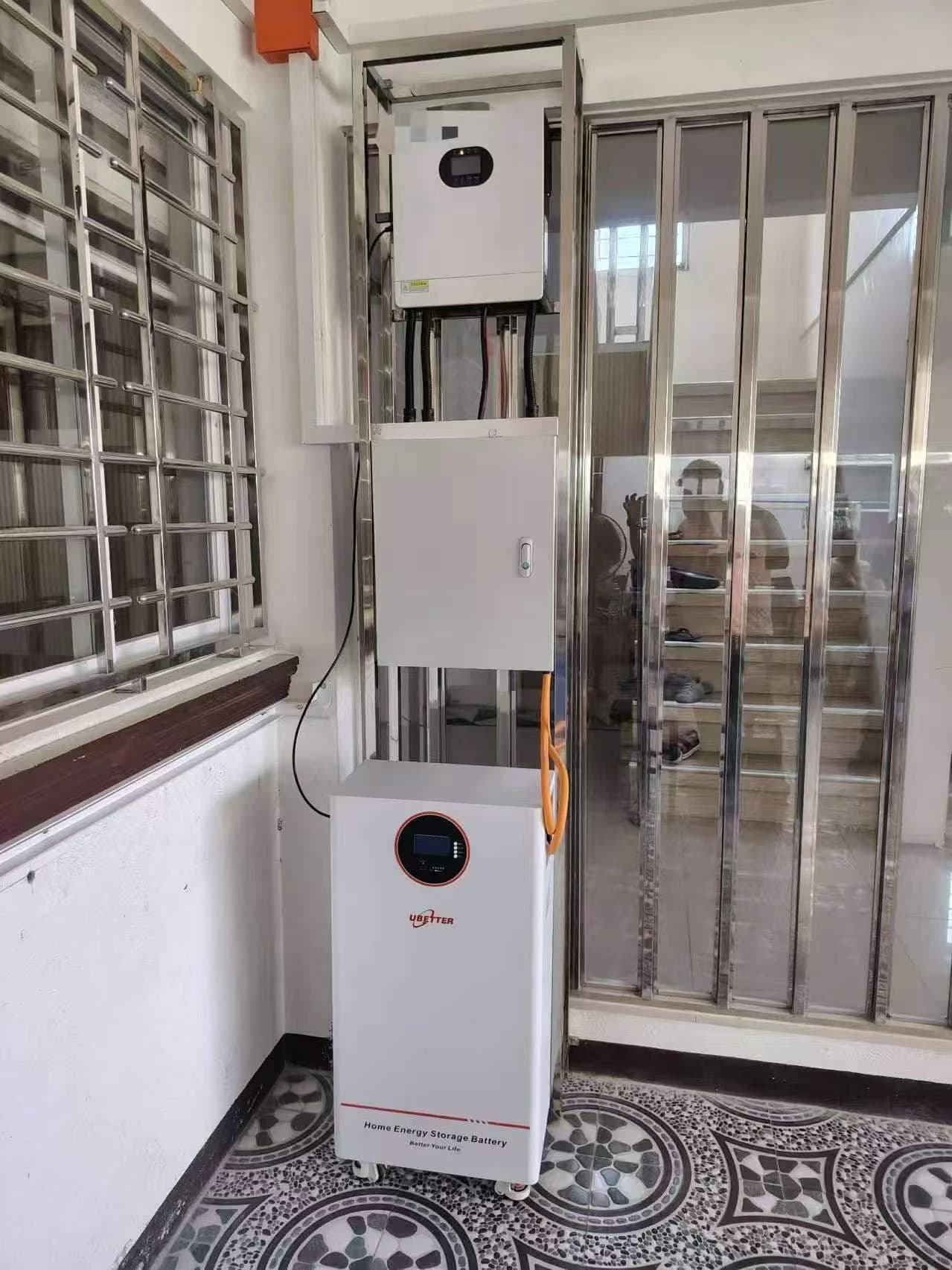
Market
Residential energy use
System reference
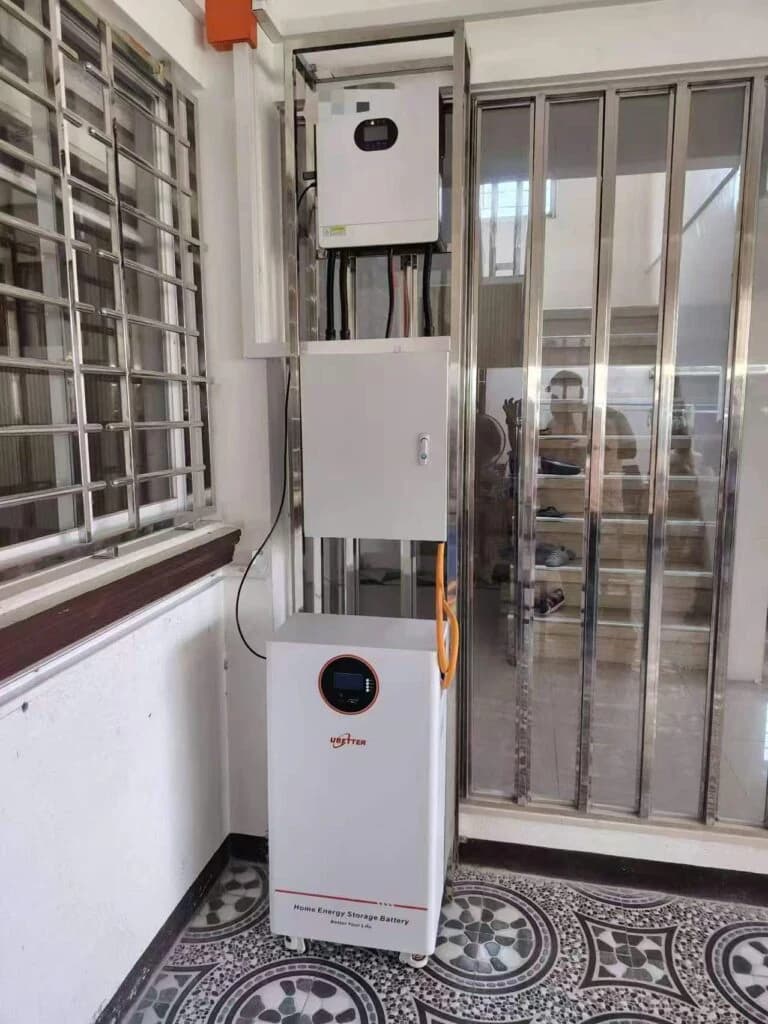
16 kWh home battery storage
Buyer type
Homeowner
Supply scope
Storage sizing and household-load planning
Case context
What the requirement called for.
This case centers on daily household solar storage. The record is presented to help buyers understand the system context and coordination questions before preparing a similar inquiry.
As homeowners look for ways to reduce electricity costs and improve energy security, battery storage is becoming an essential part of modern energy systems. While smaller batteries can provide limited backup power, a 16kWh energy storage system offers a practical balance between capacity, affordability, and daily household demand.
For many families, a 16kWh battery can store enough solar energy generated during the day to power the home throughout the evening, reducing reliance on the grid and maximizing the value of solar panels.
The Challenge: Solar Energy Is Often Wasted
Many solar-powered homes generate more electricity than they consume during daylight hours. Without battery storage, excess energy is either sent back to the grid or simply underutilized.
At the same time, electricity consumption usually peaks in the evening when solar production has already stopped.
This creates a gap between when energy is produced and when it is needed most.
A 16kWh battery storage system bridges that gap by storing surplus solar energy and making it available whenever the household requires it.
A Practical Solution for Everyday Power Needs
The Rongkai Solar 16kWh lithium battery system is designed for homeowners who want more than just emergency backup power.
The system supports a wide range of daily household loads, including:
• Air conditioning systems • Refrigerators and freezers • Lighting circuits • Televisions and entertainment systems • Internet and communication equipment • Kitchen appliances • Home office devices
By intelligently managing solar generation and energy storage, the system helps homeowners use more of their own electricity and purchase less from utility companies.
More Than Backup Power
Many people initially purchase battery storage because of unstable grid conditions. However, after installation, they often discover the biggest advantage is not emergency backupit is energy independence.
A properly configured 16kWh battery system can:
• Reduce peak electricity costs • Increase solar self-consumption • Protect against power outages • Improve energy management • Reduce dependence on utility providers
As electricity prices continue to rise worldwide, these benefits become increasingly valuable year after year.
Why LiFePO4 Technology Matters
Battery technology plays a critical role in long-term performance.
Rongkai Solar's 16kWh storage solution utilizes advanced LiFePO4 cells, known for their:
• High safety standards • Excellent thermal stability • Long cycle life • Low maintenance requirements • Reliable long-term performance
With over 6,000 charge-discharge cycles, the battery is built to provide years of dependable service.
Is a 16kWh Battery Right for Your Home?
A 16kWh energy storage system is particularly suitable for:
• Homes with rooftop solar panels • Families with medium to high electricity consumption • Areas with frequent power outages • Homeowners seeking lower electricity bills • Users planning for long-term energy independence
For many households, it represents the ideal balance between battery capacity and investment cost.
Looking Ahead
The future of residential energy is no longer just about generating electricityit’s about controlling when and how that electricity is used.
A 16kWh battery storage system gives homeowners greater flexibility, improved resilience, and a smarter way to manage energy every day.
As more families adopt solar power, energy storage will continue to play a key role in creating cleaner, more reliable, and more cost-effective homes.
Related procurement route
Build a usable product request.
For a comparable application, submit the product models or desired system reference, quantities, destination country, delivery target and document requirements. Our team can coordinate the commercial and product-document inputs needed for an RFQ.
Application visuals
A closer look at the case record.
Continue exploring