
How to match PV modules, inverters, and battery storage for a complete RFQ
A complete RFQ links the load, the PV array, the inverter limits, and the battery interface in one reviewable package.
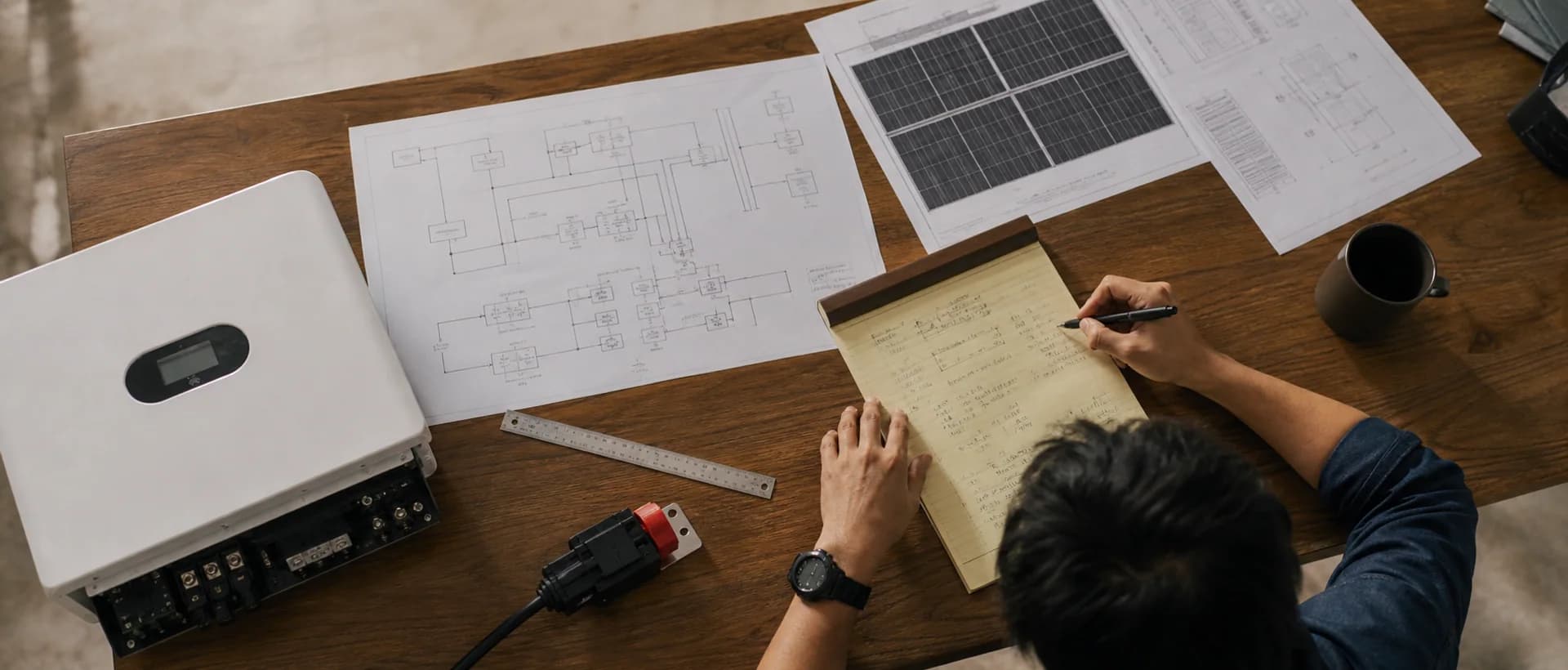
A mixed solar RFQ should not be a list of unrelated product names. Start with the load profile: continuous demand, peak demand, critical loads, expected operating hours, and whether the grid is stable, weak, or unavailable. This creates the basis for deciding whether the system needs on-grid operation, battery-backed operation, or an off-grid architecture.
Then build the PV side and the conversion side together. Check the module electrical characteristics against the inverter's maximum DC voltage, MPPT range, input-current limits, string count, and planned ambient conditions. Check the AC side against the site's voltage, phase, protection concept, and load behavior. A proposed module, inverter, and mounting package should also be physically compatible with the design and the transport plan.
Battery matching requires a separate confirmation. The nominal voltage class, usable-energy assumptions, charge and discharge limits, BMS communication, firmware requirements, protection devices, and approved battery list must match the exact inverter model. Battery capacity should not be presented as backup duration without a documented load assumption. Ask the supplier or manufacturer channel to confirm the proposed pairing in writing before the order is released.
The RFQ should end with a simple configuration sheet: site and destination, product models, quantities, electrical assumptions, battery pairing, required documents, delivery term, and outstanding questions. This is more useful than a long specification copied from several catalogues because every party can see what has and has not been confirmed.
Use one configuration sheet for the whole system
A configuration sheet turns a multi-product inquiry into a controlled handoff. It should name the proposed models and quantities, but also preserve the assumptions behind them. For example, an energy-storage figure should name the critical load and reserve target; a module quantity should name the string-design basis; and a delivery plan should show whether batteries are part of the same shipment.
Keep unconfirmed items visible. An RFQ can request alternatives, but it should not imply that every alternate is compatible. When a model changes, check the electrical, physical, documentation, packing, and transport consequences together. This avoids a late commercial substitution creating an engineering or compliance problem.
- Site, destination, operating objective, load information, and the party responsible for final design and local approval.
- Module model, planned string basis, inverter DC input boundaries, and expected operating conditions.
- Inverter AC output, phase/voltage, load behaviour, backup requirement, and grid/interconnection condition.
- Battery model, usable-energy assumption, power limits, BMS pairing, firmware requirement, and protection responsibility.
- Required documents, product substitutions, packing plan, trade term, named place, and open decisions with an owner.
Can we quote modules, inverter, and battery as a bundle before design is final?
Yes, if the quotation clearly states the configuration basis and open assumptions. Do not present the bundle as a confirmed final design until the responsible technical and local-approval reviews are complete.
Related Articles
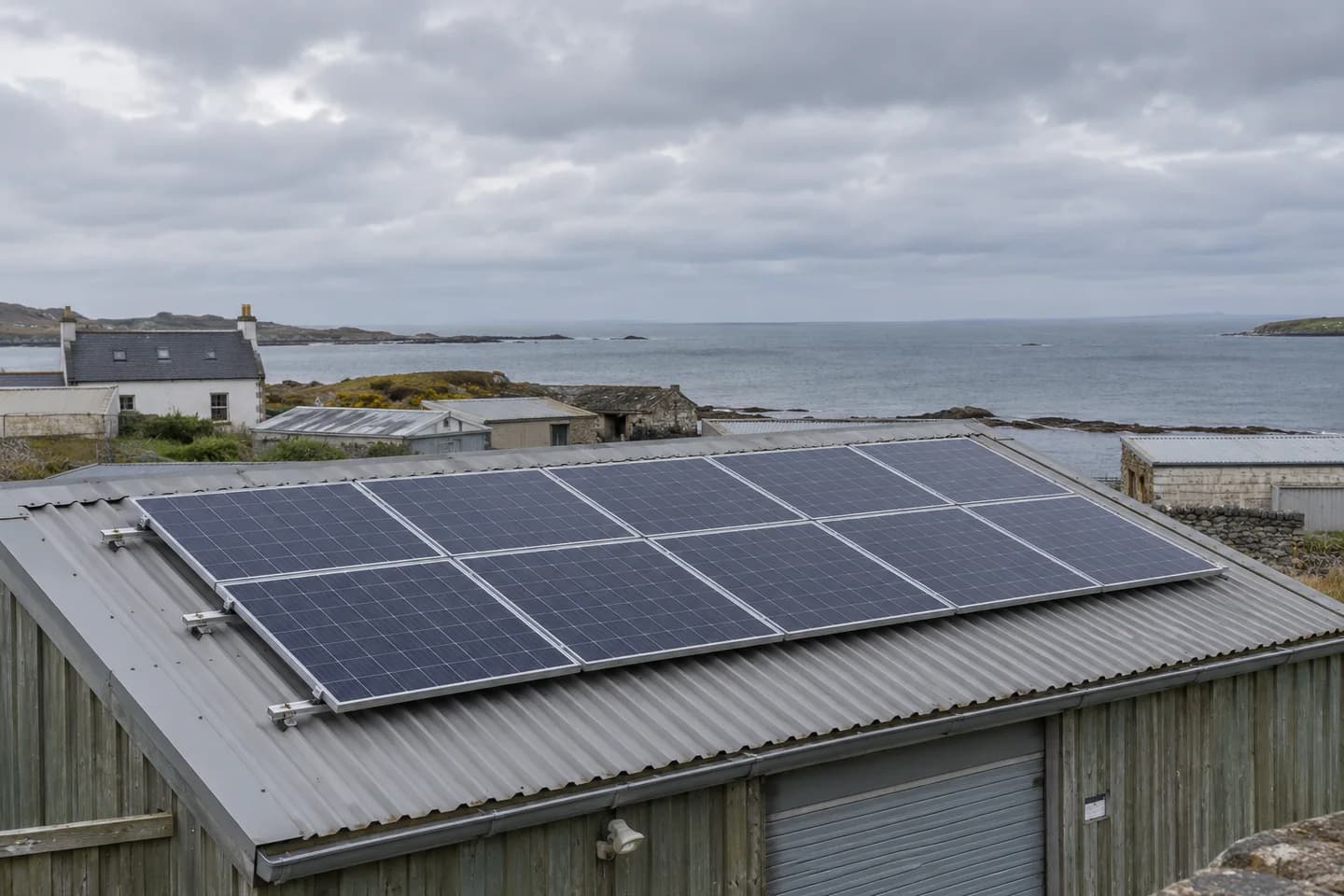
How do solar panels perform in clouds, heat, salt air and dust?
A panel's watt rating cannot describe every site. Learn what changes in cloudy, hot, coastal and dusty locations, and which details belong in a supply quote.
Read Article→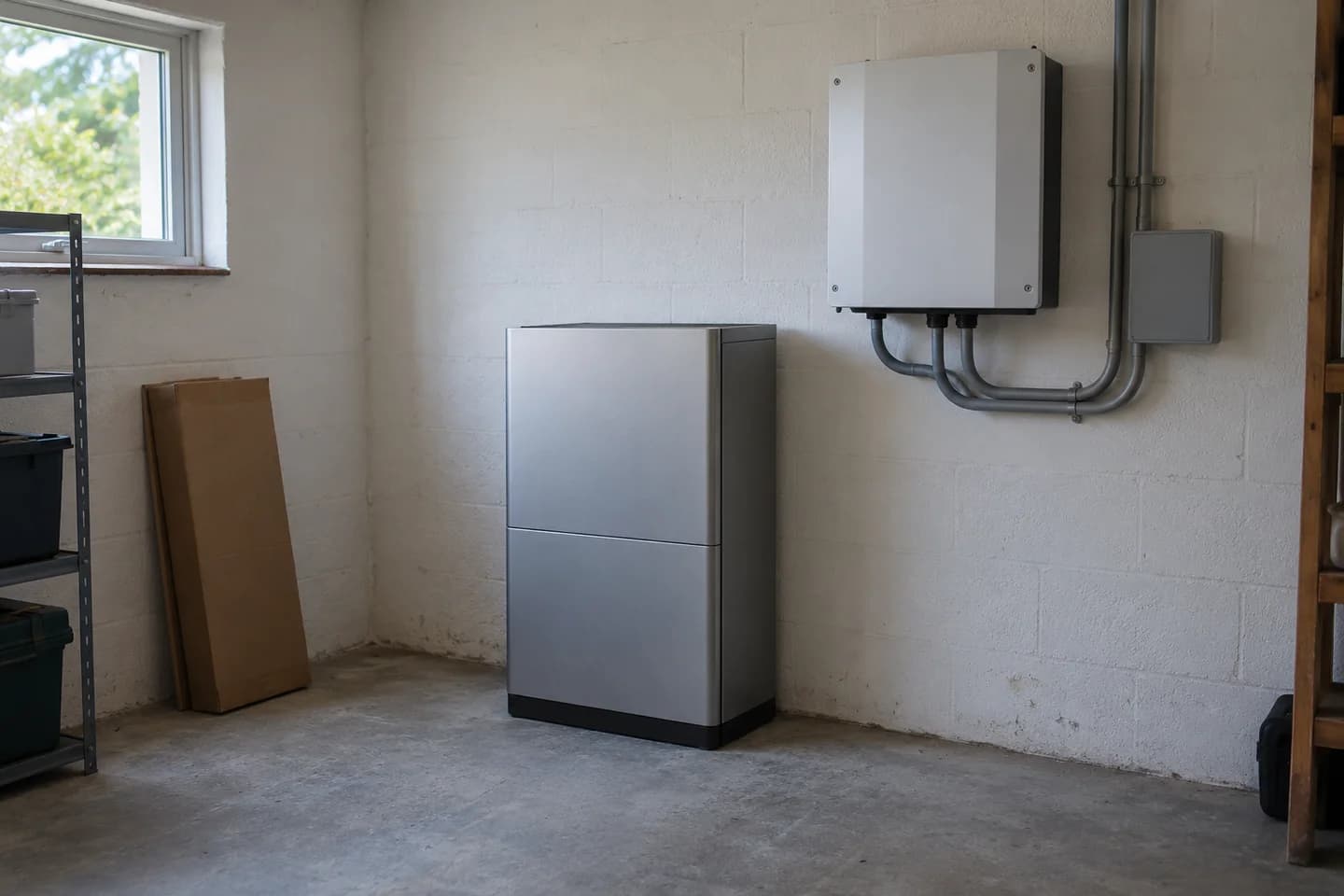
How to compare solar battery specifications before buying
Two batteries with the same kWh label can do different jobs. Here is how to read the numbers, check the missing details and compare like-for-like quotes.
Read Article→
Solar self-consumption and grid export: what equipment do you need?
For project buyers, installers and distributors: what to source as an equipment package, what to arrange locally, and what a useful supply quote should include.
Read Article→